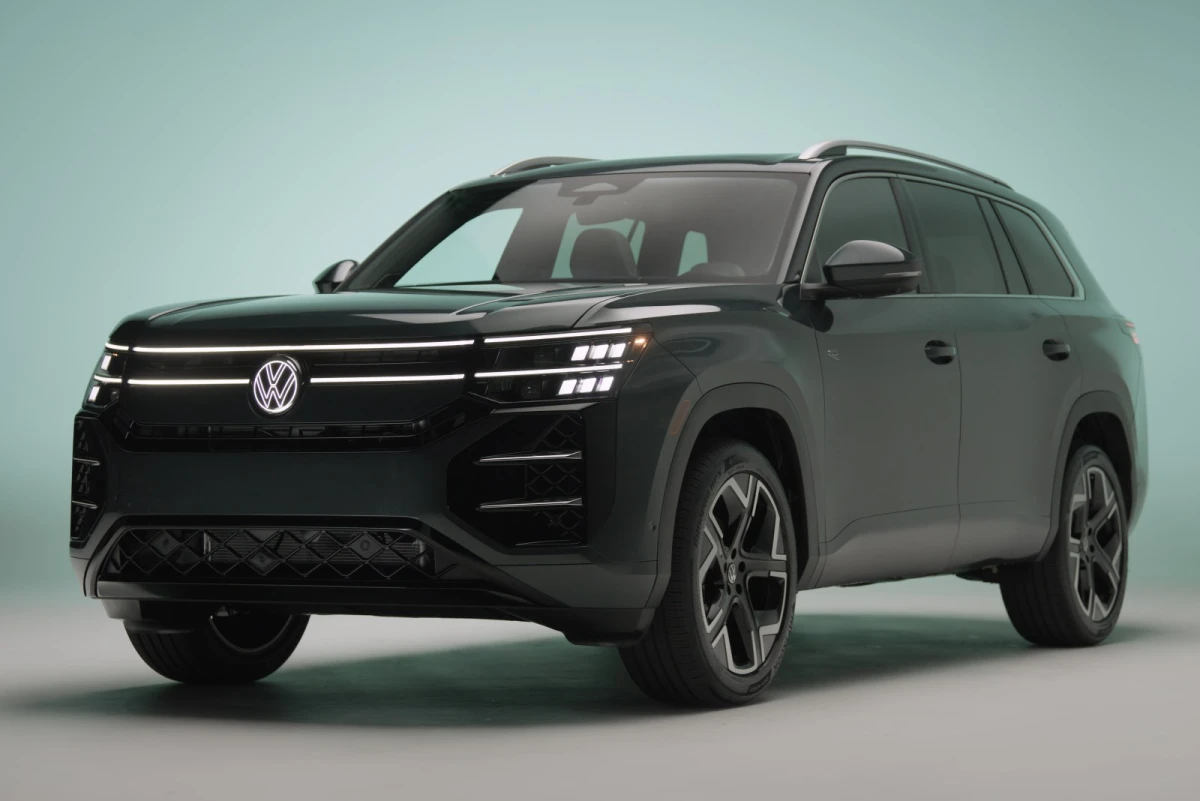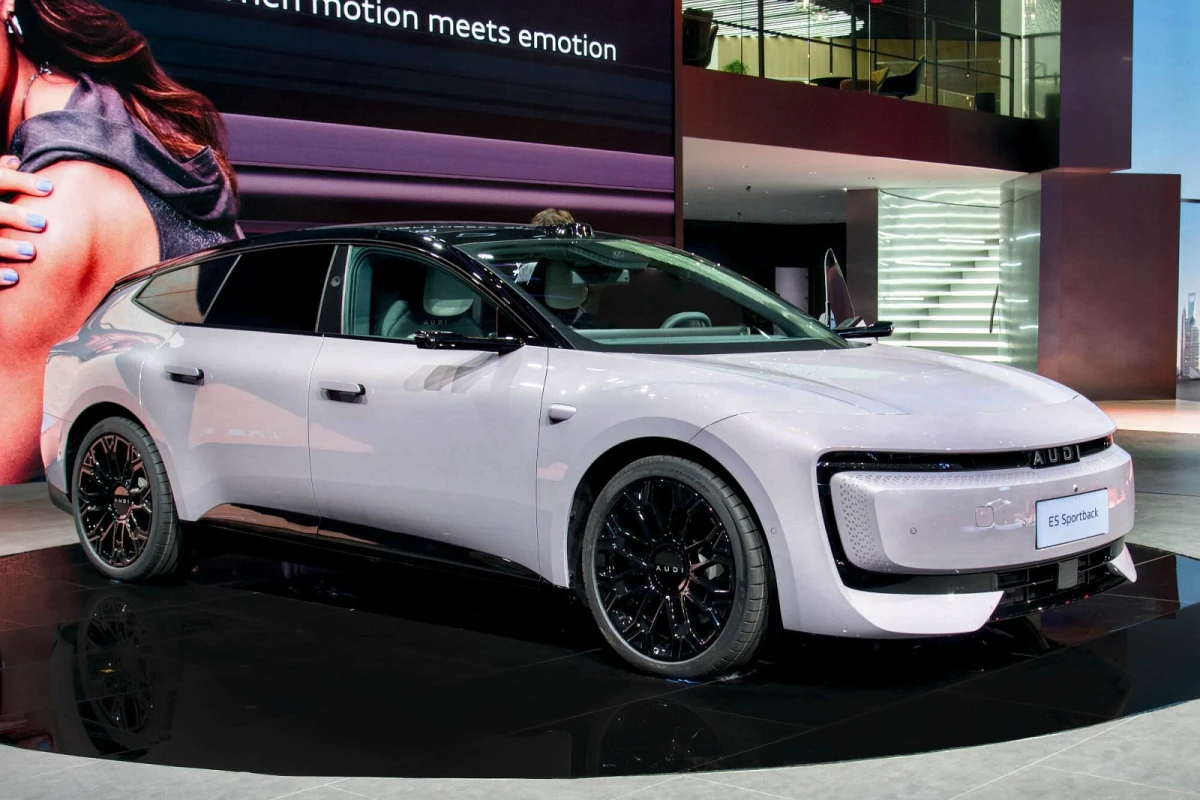
One notable example is the decision by a well-known company specializing in high-performance vehicles to leave Munich. The move is linked to changing operating conditions and reflects a broader trend across major European cities.
Political Changes in the City
Munich’s approach to urban management has changed significantly in recent years. City authorities are placing greater emphasis on environmental priorities and the transformation of urban infrastructure. This includes expanding public spaces, reducing vehicle traffic and reconsidering how road capacity is allocated.
Such measures are intended to improve the urban environment, but they also affect companies whose operations are directly connected to automobiles.
Restrictions Affecting Drivers
The city has previously introduced measures limiting vehicle use. These include restrictions on certain categories of vehicles, reductions in available parking spaces and the reallocation of road lanes to public transportation.
These changes are gradually creating a new urban mobility model in which private vehicles play a smaller role. For businesses focused on the automotive market, this creates additional operational challenges.
- reduced availability of parking spaces
- traffic restrictions for certain categories of vehicles
- reallocation of road infrastructure
The Company’s Relocation Decision
The management of the company, which specializes in vehicle sales and modifications, has decided to move its operations beyond the city limits. The primary reason is that the new operating environment no longer aligns with the company’s business requirements.
However, the company does not plan to leave the wider region entirely. It is considering locations near Munich that provide convenient access to major transportation routes. The potential for expansion and the creation of new jobs also remains an important factor.
Economic Implications
Decisions of this kind can affect the local economy. The departure of businesses may reduce tax revenue and alter employment patterns. At the same time, the city gains greater scope to pursue a development strategy focused on environmental objectives and public interests.
Balancing these factors is becoming an increasingly important issue for municipal authorities.
The Broader Context
The situation in Munich reflects a wider process taking place across many European cities. Stricter environmental requirements and changing transportation policies are gradually reshaping business conditions, particularly in the automotive sector.
Companies, in turn, are being required to adapt by selecting new locations or adjusting their areas of operation.
Conclusion
The decision to relocate the business from Munich illustrates how urban policy can influence industry and commercial activity. The expansion of environmental initiatives is changing the structure of city economies and requiring companies to adopt more flexible strategies.
Future developments will depend on how effectively business interests can be balanced with the strategic objectives of urban development.