However, the experience of individual automakers shows that moving too quickly in a single direction can have serious consequences. Honda’s situation illustrates how strategic decisions can affect both a company’s current model lineup and the brand’s long-term prospects.
Betting on an Electric Platform
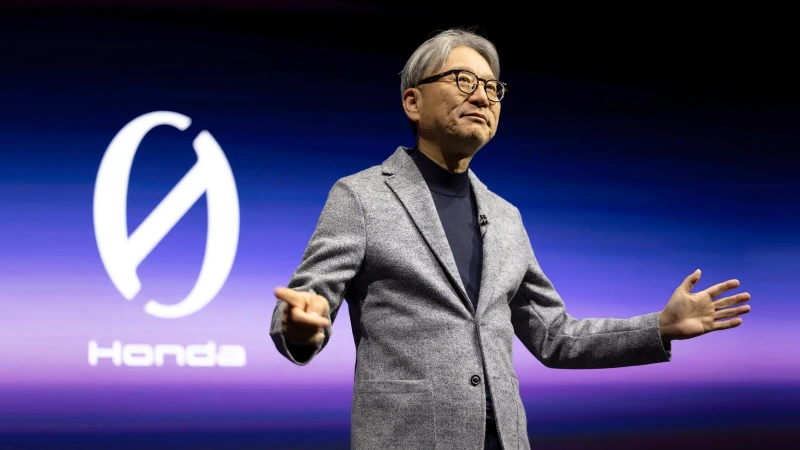
In recent years, Honda has invested heavily in electric vehicles, viewing them as the primary direction for its future. This strategy called for a gradual move away from conventional engines and a concentration of resources on new technologies.
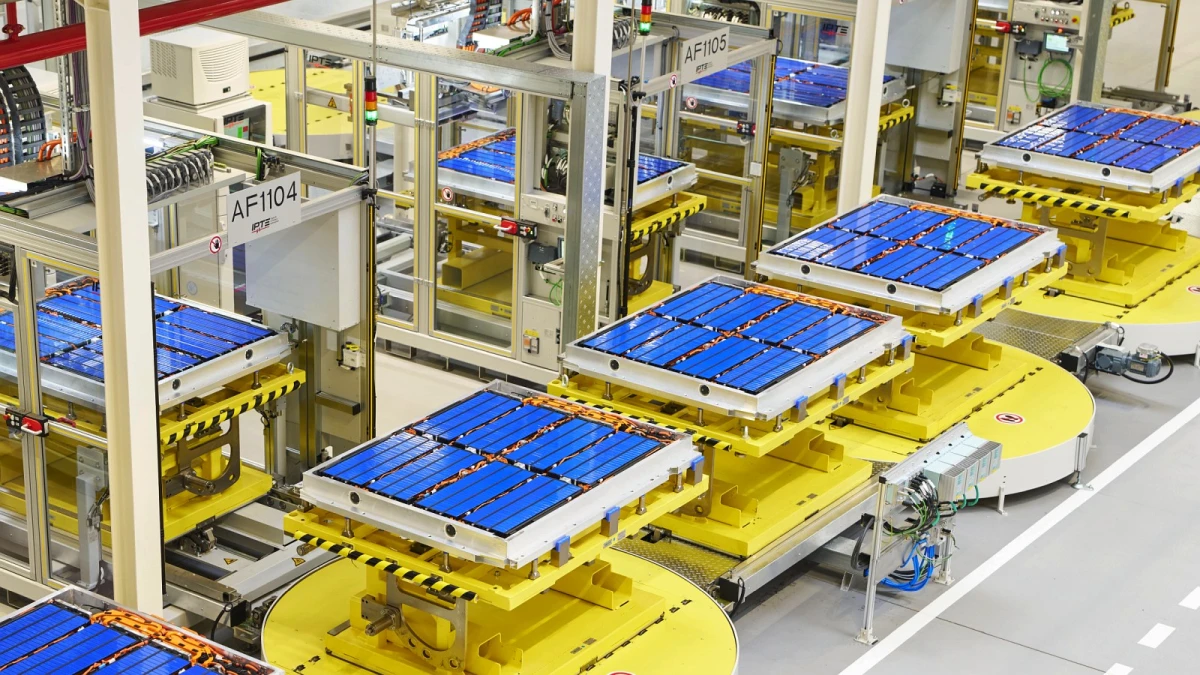
At the same time, the main limitations of electric vehicles—including high prices, heavy battery packs, limited driving range, and charging infrastructure challenges—remain relevant. These factors are restraining demand and making the transition more difficult than expected.
Project Cuts and Their Consequences
As market conditions changed, the company began reassessing its plans. Some projects were halted, including promising programs that were nearing completion. This helped reduce costs but also created a shortage of new models in the pipeline.
The lack of alternative development paths has compounded the problem. By focusing on a single type of powertrain, the company did not establish backup solutions that could offset slowing demand for electric vehicles.
- cancellation of several key projects
- a reduced model lineup
- no immediate replacements for existing vehicles
Current State of the Model Lineup
In the near term, Honda will have to rely on its existing models. Updates are planned, but they are limited in scope and cannot fully compensate for the absence of new products.
This creates a gap during which the company may be unable to offer the market enough up-to-date new vehicles that meet buyer expectations.
Potential Paths Forward
The industry is discussing the possibility of Honda working with other manufacturers. Such alliances can allow companies to pool resources and accelerate the development of new models, particularly as competition intensifies and vehicle technologies become more complex.
At the same time, the need for a more flexible product strategy is becoming clear, including maintaining a balance among different types of powertrains.
The Role of Demand and Market Conditions
The situation underscores the importance of responding to buyers’ actual needs. Despite the strong push toward electric technology, mainstream consumers continue to evaluate vehicles based on practicality, price, and ease of ownership.
Companies that overlook this factor risk losing consumer interest in their products and being forced to reconsider their strategies.
Conclusion
Honda’s experience shows that adopting new technologies requires a balanced approach and careful consideration of market conditions. An overly narrow specialization without alternative solutions can create temporary difficulties in developing a competitive model lineup.
In the coming years, a key factor for automakers will be their ability to adapt to changing conditions and remain flexible when choosing which technologies to pursue.