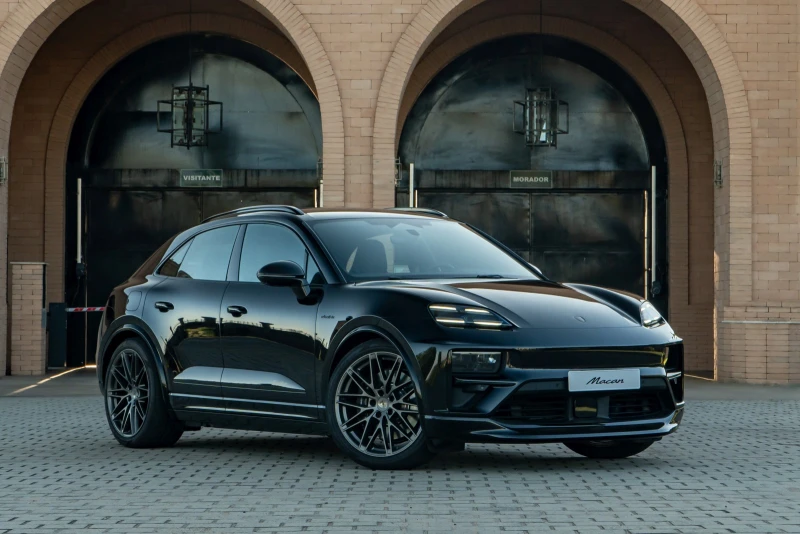
The new all-electric crossover was expected to continue the model's successful run, but its initial sales results reveal a different trend. The figures offer an early indication of how the change in concept is affecting demand and the brand's market position.
The Macan's Role in the Model Lineup
For many years, the Porsche Macan was one of the brand's most sought-after vehicles. Annual sales consistently reached tens of thousands of units, and it became the company's best-selling model during certain periods.
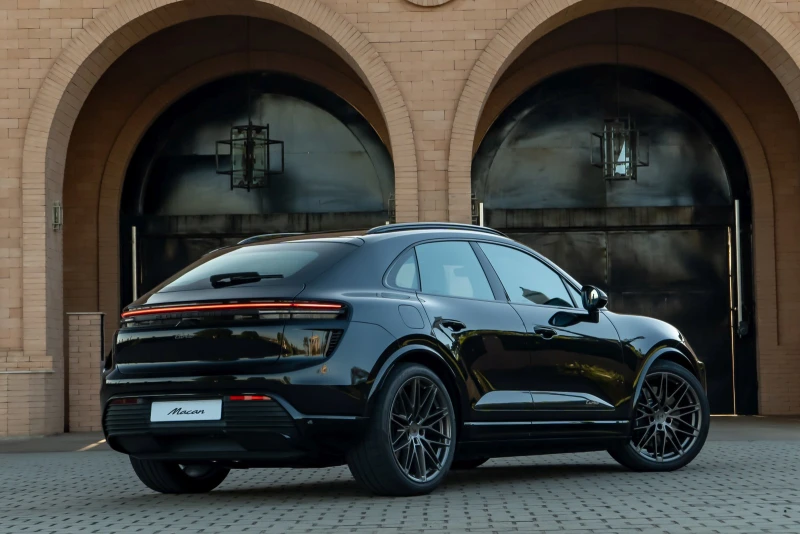
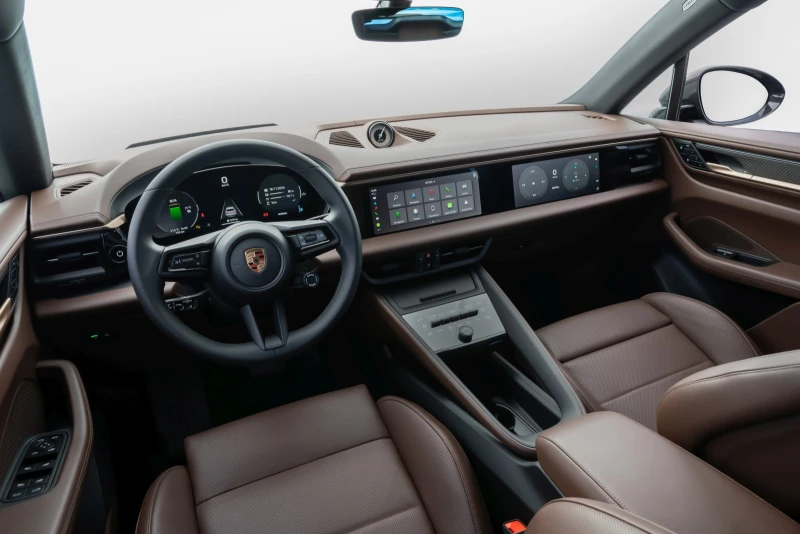
With the arrival of the new generation, the model moved entirely to an electric platform, marking an important step in the brand's strategy to reduce emissions and adopt new technologies.
Sales Performance
Porsche recorded global sales of approximately 60,991 vehicles in the first quarter of the current year, down 15% from the same period last year. Deliveries declined across nearly all key markets, including Europe, China, and North America.
Against this backdrop, the Macan's results stand out. A total of 18,209 vehicles were sold, representing a decline of about 20%. The key detail, however, is the composition of those sales.
- Total Macan sales: 18,209 vehicles
- Electric versions: 8,121 vehicles
This means that a significant share of demand still comes from versions with conventional engines, despite their limited availability in some markets.
Comparison With Other Models
While interest in the Macan has declined, other models are showing mixed results. The 911 sports car, for example, continues to increase sales, while models such as the Taycan and Panamera have also posted declines.
This suggests that a transition to electric technology does not always lead to stronger demand, particularly when a model previously enjoyed sustained popularity in its conventional form.
Factors Affecting Demand
Lower demand for the electric Macan may be linked to several factors:
- a change in the model's familiar concept
- buyer expectations shaped by the previous generation
- limited charging infrastructure in some regions
- broader market caution toward premium electric vehicles
It is also important to consider that the previous version remained on the market for more than a decade and established a loyal customer base with specific expectations.
Potential Consequences
The current sales trend could influence the company's future electrification strategy. If demand for electric versions remains below expectations, Porsche may need to reconsider its approach to developing the model lineup.
At the same time, the Macan remains an important part of Porsche's portfolio, and its future development will be closely tied to the market's response to new technologies.
Conclusion
The electric Porsche Macan demonstrates how challenging it can be to move from a successful conventionally powered model to an entirely new concept. Despite its technological advantages, demand has yet to match previous levels.
The situation reflects the broader transformation of the automotive industry, as manufacturers seek to balance innovation with buyer expectations.