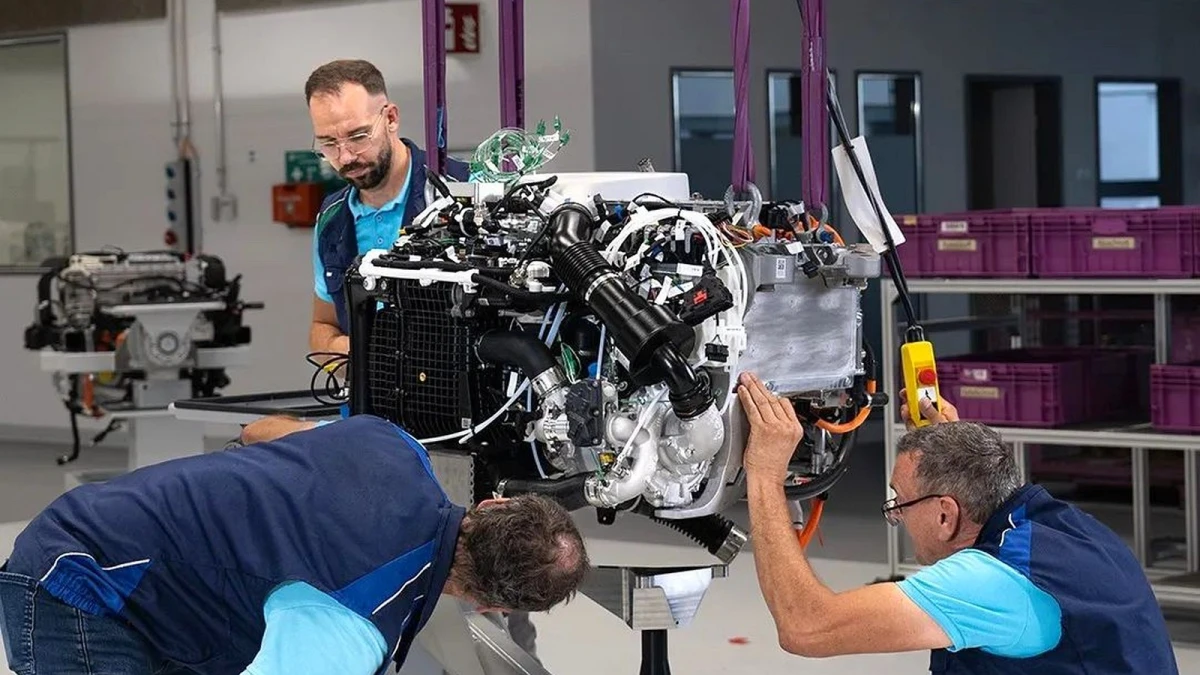




The company is revising its development strategy and expanding its workforce, distinguishing it from other major manufacturers. This course is connected with a shift in priorities in its product lineup and adaptation to current market conditions.
Overall Industry Situation
In recent years, the automotive sector has been facing serious economic difficulties. Many companies are reducing production and cutting staff in response to declining demand and rising costs. Problems are particularly noticeable among manufacturers that have actively invested in electric vehicles.
Declining sales and the high cost of developing new technologies have led to the need for expense optimization. As a result, a wave of layoffs is being observed in Europe and the United States, affecting both automakers and component suppliers.
Stellantis' Change of Course
Unlike most of its competitors, Stellantis has chosen a different path. The company's new leadership has decided to adjust the strategy, reducing the focus on full electrification and increasing attention to traditional powertrains.
Electric vehicles remain part of the lineup but are considered a complement rather than the only direction of development. The main emphasis is placed on models with internal combustion engines, including more powerful and technologically advanced options.
Employment Growth
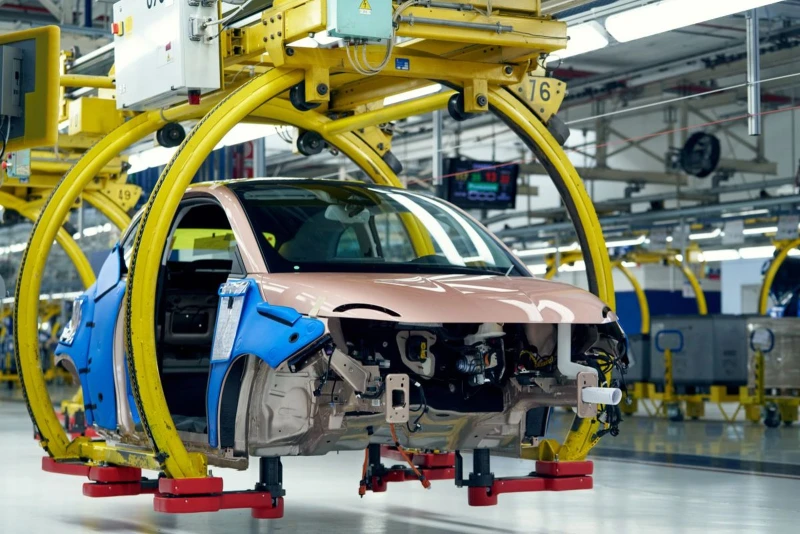
One of the notable outcomes of the new strategy has been an increase in the number of employees. Over the past year, the company has expanded its staff by approximately 10,000 people, bringing the total workforce to around 259,000.
Plans for the coming years anticipate further growth. In North America, the creation of additional jobs is expected both in production and in engineering divisions. On a global scale, the personnel count may approach 280,000 people.
Focus on Quality and Customer Base
An important part of the strategy is improving product quality and strengthening customer loyalty. The company aims to enhance vehicle reliability and restore confidence in its brands.
This approach involves not only updating the model range but also attention to existing customers. This helps reduce customer churn and strengthen positions in key markets.

Reasons for Resilience
The success of the chosen strategy is explained by several factors:
- a balanced model lineup with various types of powertrains;
- flexibility in responding to demand changes;
- cost control and investment optimization;
- focus on long-term customer relationships.
This combination enables the company to maintain stability even in conditions of an unstable market.
Conclusion
Stellantis is demonstrating an alternative approach to development during the transformation of the automotive industry. Rejecting narrow specialization and placing a bet on technological diversity has allowed the company not only to avoid layoffs but also to begin expansion. This highlights the importance of flexibility and adaptation to real market conditions.