


The company is preparing several new models simultaneously, including the return of the Fiesta. However, the brand's strategy differs markedly from the approach that sustained its popularity in Europe for many years. The primary focus is now on electric vehicles and hybrid technologies, with some future models to be developed in partnership with other manufacturers.
This new chapter is particularly significant for Ford given the sharp decline in sales. About a decade ago, the company sold roughly 1.5 million vehicles annually in Europe. Today, volumes have fallen by more than two-thirds. Competition is intensifying from Asian brands, above all Chinese manufacturers offering more affordable models.
How Ford Lost Ground in Europe
One of the most notable shifts in recent years has been Ford's retreat from traditional volume models. The Mondeo first departed the European market, followed by the end of Fiesta production, and later the discontinuation of the Focus. These cars had formed the backbone of the brand's sales for decades and enjoyed consistent demand.
The Fiesta story is especially illustrative. The latest generation received more expensive variants and an expanded feature set, which substantially raised the price of the compact hatchback. Consequently, it was no longer seen as an affordable city car, and sales began to fall.
Meanwhile, Ford aggressively promoted electric vehicles, aiming to secure a strong share of the emerging market. However, demand for such models in Europe has been lower than anticipated, particularly in the affordable segment.
What New Models Is the Company Preparing?
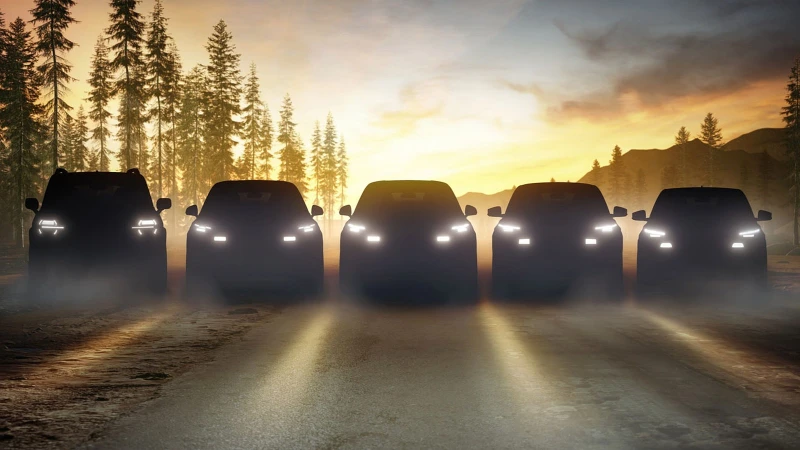
Over the coming years, Ford plans to launch seven new models for the European market. One of the headline arrivals will be the new Fiesta, which will now be fully electric.
According to early reports, the car is being developed on the Renault 5 platform. This effectively represents a collaboration in which Ford will receive its own version of an established technical architecture.
Other expected models include:
- an electric compact SUV based on the Renault 4;
- a new crossover family;
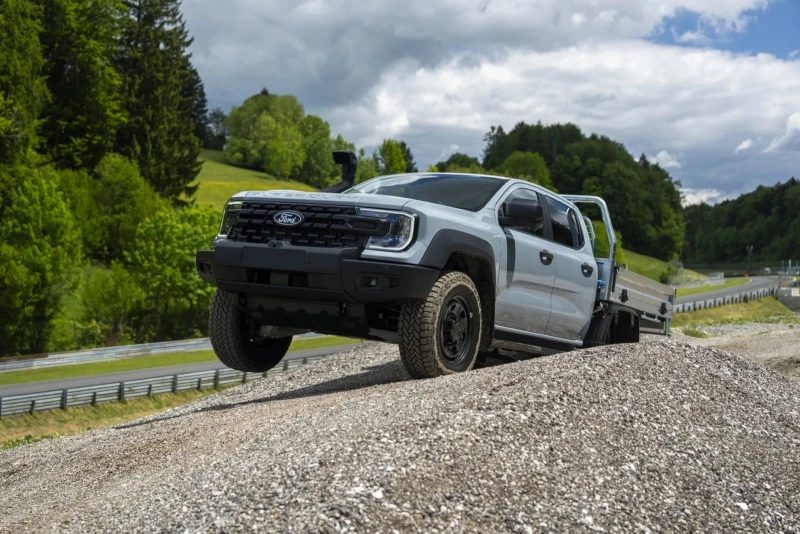
- an updated Ranger;
- a European version of the Bronco;
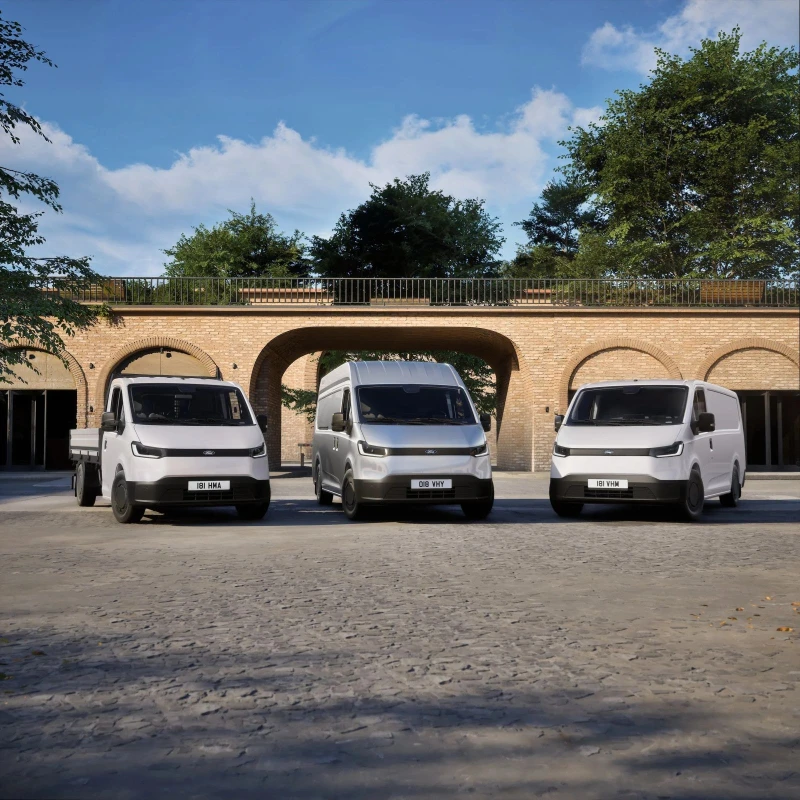
- hybrid and electric commercial vehicles.
The majority of future vehicles will feature either fully electric powertrains or hybrid systems. Pure gasoline versions are likely to be phased out gradually.
Rising Prices and Growing Competition
Pricing could present one of the biggest challenges for Ford. Electric vehicles continue to be considerably more expensive than traditional internal combustion engine cars. Modern electric compact hatchbacks in Europe, for instance, are now priced close to larger crossovers from previous generations.
The market is evolving quickly. Chinese manufacturers are rapidly expanding in Europe, focusing on affordable, well-equipped vehicles. The MG brand in particular is growing fast, offering compact hatchbacks and crossovers at prices significantly below those of many European rivals.
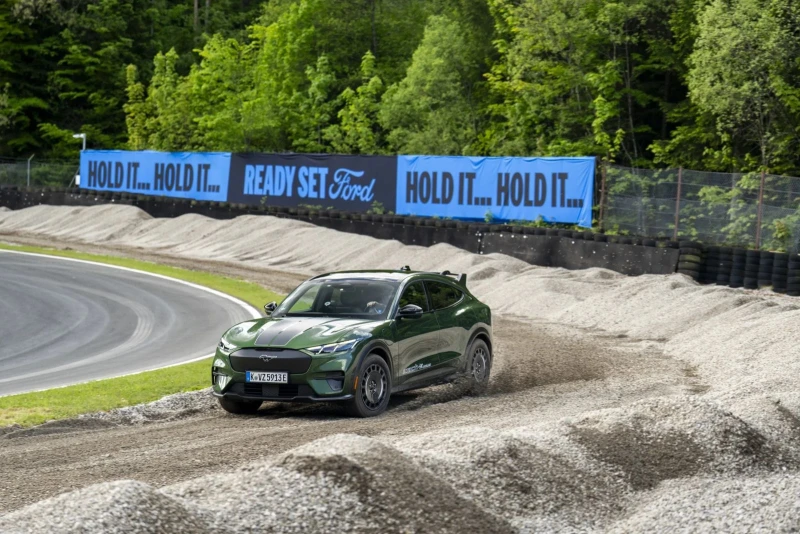
In response, Ford is seeking to recapture customer interest not only with technology but also with the character of its cars. The company says the new models will emphasize more dynamic handling and aim to recapture the spirit of classic sporty Fords from years past.
What the Future Holds for Ford
The future of Ford's European operations will depend heavily on the success of this new model range. The company is undergoing a complete transformation: new platforms, powertrain types, and sales structures are all changing.
Competitive pressures continue to mount, while buyers are focusing increasingly on factors beyond brand — including price, range, features, and practicality.
Ford's new strategy will reveal whether the company can reclaim its lost market position in Europe and successfully adapt to the fast-changing automotive landscape.