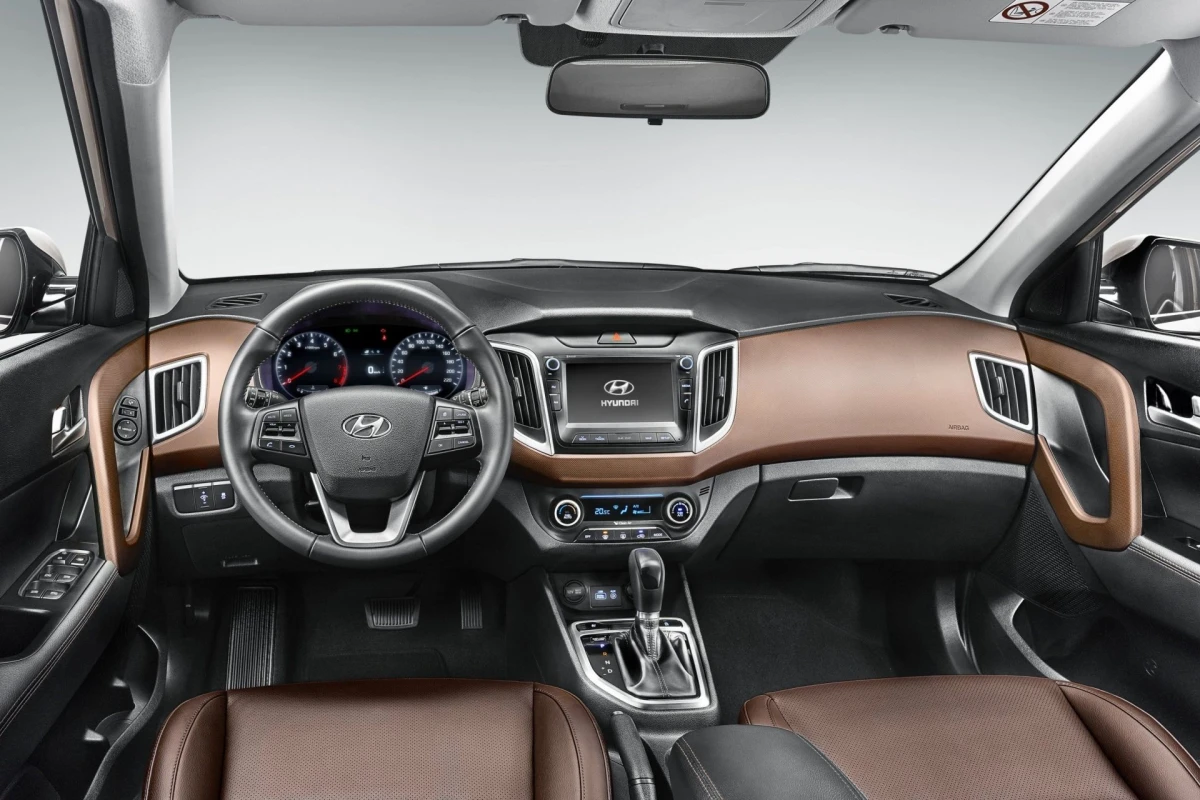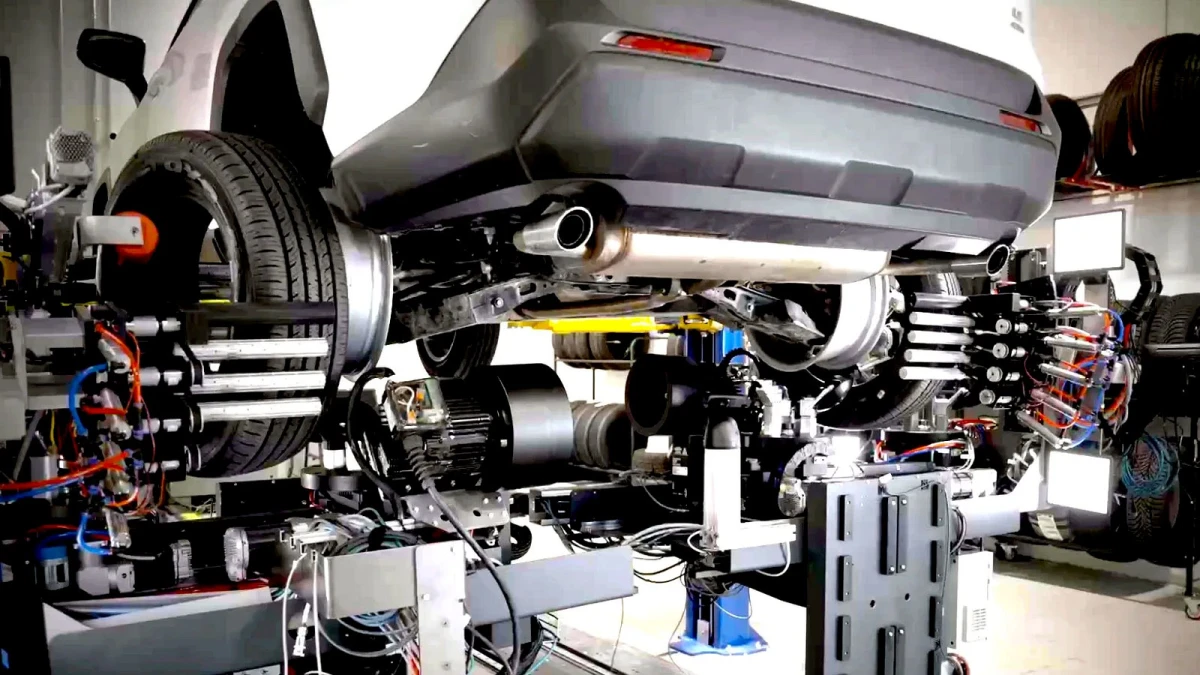




While new models in the segment often start from $35,000 and up, well-maintained 2017–2019 examples are typically available for $12,000–$19,000 depending on condition and equipment. Approximate market price for the United States. For many families this remains a realistic entry into the crossover class, especially if you need a versatile vehicle for city driving, highway trips and light off-roading without overpaying for the brand.
How the Creta Made Its Mark
The first-generation Creta launched in 2015 and quickly gained traction in global markets through official sales and imports. For Hyundai it was a breakthrough in the budget crossover segment — the brand previously lacked a true compact crossover to compete with rivals like the Renault Duster or Nissan Juke. It offered modern design, good ground clearance and solid equipment levels at a price that looked attractive even when new.
It found a loyal audience among drivers needing a practical daily driver capable of handling more than just city streets. By 2018–2019, after a light facelift, the model received updated styling, better noise insulation and more advanced infotainment in higher trims. Today, long after production ended, later examples from these years dominate the used market and are considered the most refined.

Engines and Transmissions You’ll Commonly Find
The first-generation Creta was mainly offered with two gasoline engines. The base 1.6 MPI (123 hp) is the most widespread. It’s a simple, reliable unit with port injection that runs comfortably on regular unleaded (87 AKI) gasoline. Paired with a 6-speed manual or automatic, it provides smooth and adequate performance for commuting and highway driving. Real-world fuel economy typically ranges from 24–30 MPG combined.
The 2.0 MPI (149–150 hp) is less common but most often paired with all-wheel drive and the automatic. This engine feels noticeably more responsive, especially on highways, making overtaking easier. The all-wheel-drive system is on-demand with a coupling and delivers real benefits in snow or on wet unpaved roads common in many parts of the country.
Diesel versions are extremely rare on the used market and were uncommon even when new. Stick with the gasoline engines — they are reliable with proper care, though at 100,000–150,000 miles they may need attention to the timing chain and catalytic converter.
What to Check During Inspection
When buying used, focus on the suspension — it’s energy-absorbing but wears out stabilizer links and bushings on typical American roads with potholes and rough surfaces. The body is galvanized, yet in regions that use heavy road salt in winter, corrosion can appear on sills and wheel arches if no additional protection was applied. Paint is relatively thin, so stone chips on the hood and front fenders are quite common.
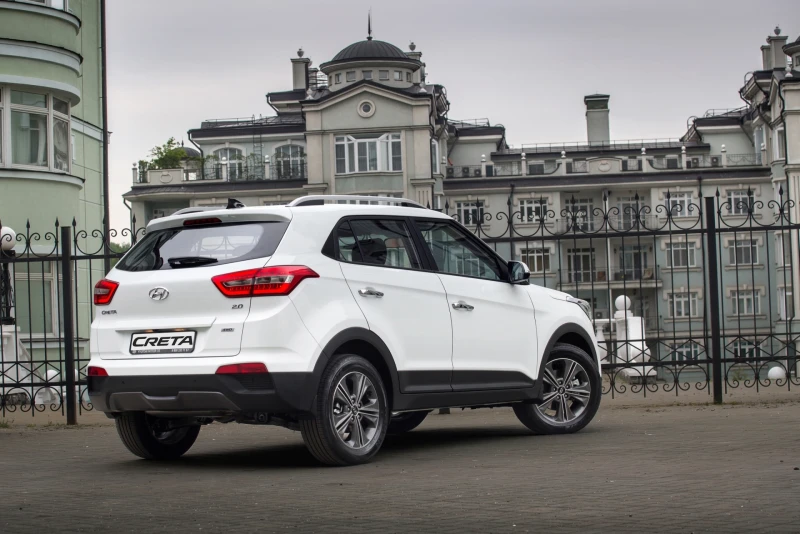
Trims and Features for U.S. Drivers
The Creta first generation came in multiple trim levels. Base Start and Active versions feature cloth seats, air conditioning, basic audio and a minimal airbag setup. Higher Comfort and Travel trims add heated front seats and steering wheel, dual-zone climate control, a rearview camera and touchscreen infotainment. All-wheel drive was usually available in the upper trims with the 2.0-liter engine.
In colder climates the heated features prove especially useful and work effectively. Later 2018–2020 models often include keyless entry and improved infotainment with Apple CarPlay support. These examples command higher prices on the used market but tend to hold value better.
Real-World Ownership on American Roads
With about 7.5 inches of ground clearance the Creta confidently handles rough rural roads, curbs and moderate uneven terrain. The suspension is tuned on the firmer side, helping with handling and high-speed stability. Noise insulation is average — above 70 mph tire and wind noise become noticeable, particularly with aggressive-tread tires.
The trunk provides around 14 cubic feet of space, expanding to nearly 49 cubic feet with the rear seats folded — practical for family errands. The second row is fine for two adults but can feel tight for three on long trips. Interior materials are durable and family-friendly, with easy-to-clean fabrics and plastics that resist squeaks early on.
Maintenance on the first-generation Creta is affordable and accessible. Parts are readily available at major retailers and independent shops nationwide. Hyundai’s service network still supports these models, though many owners switch to independent mechanics after warranty expiration. Real-world fuel economy and reasonable service costs make it an economical choice long-term.
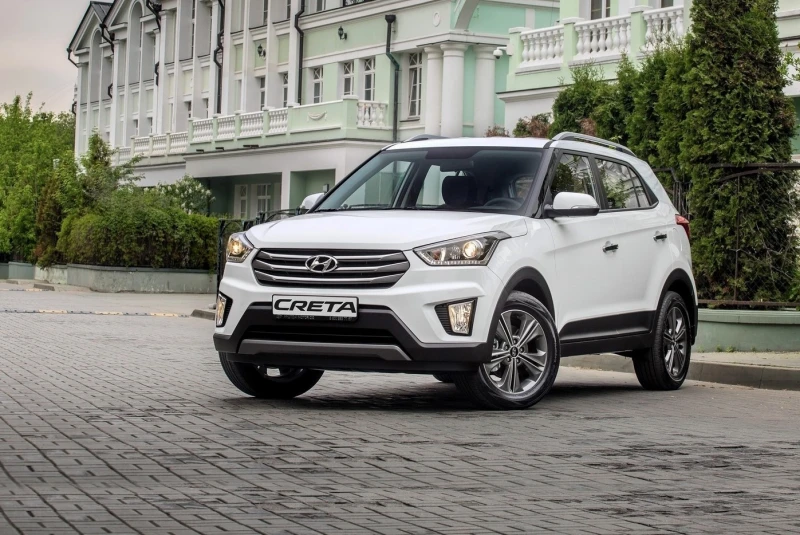
What to Focus on When Buying Today
Always verify service history and actual mileage — many examples have passed 60,000–100,000 miles. Have the engine, transmission and all-wheel-drive system (if equipped) thoroughly checked. Vehicles with a clean local ownership history and one or two previous owners are generally in better shape than those with unknown backgrounds.
The best choice for most buyers is a 2018–2020 model with the 1.6-liter engine, automatic transmission and Comfort or Travel trim. They offer a great balance of price (typically $14,000–$18,000) and useful features. If you want all-wheel drive and more power, consider the 2.0 with AWD — but be prepared for slightly higher fuel consumption and service costs.
The Hyundai Creta I (QS) wasn’t the most technologically advanced crossover of its time, but its practicality and reliability earned it a strong following. Today, as many shoppers look for an affordable modern vehicle without excessive complexity or high running costs, the first generation remains one of the most sensible options in the under-$20,000 segment. The key is careful selection, thorough diagnostics and a clear understanding of each vehicle’s true condition.