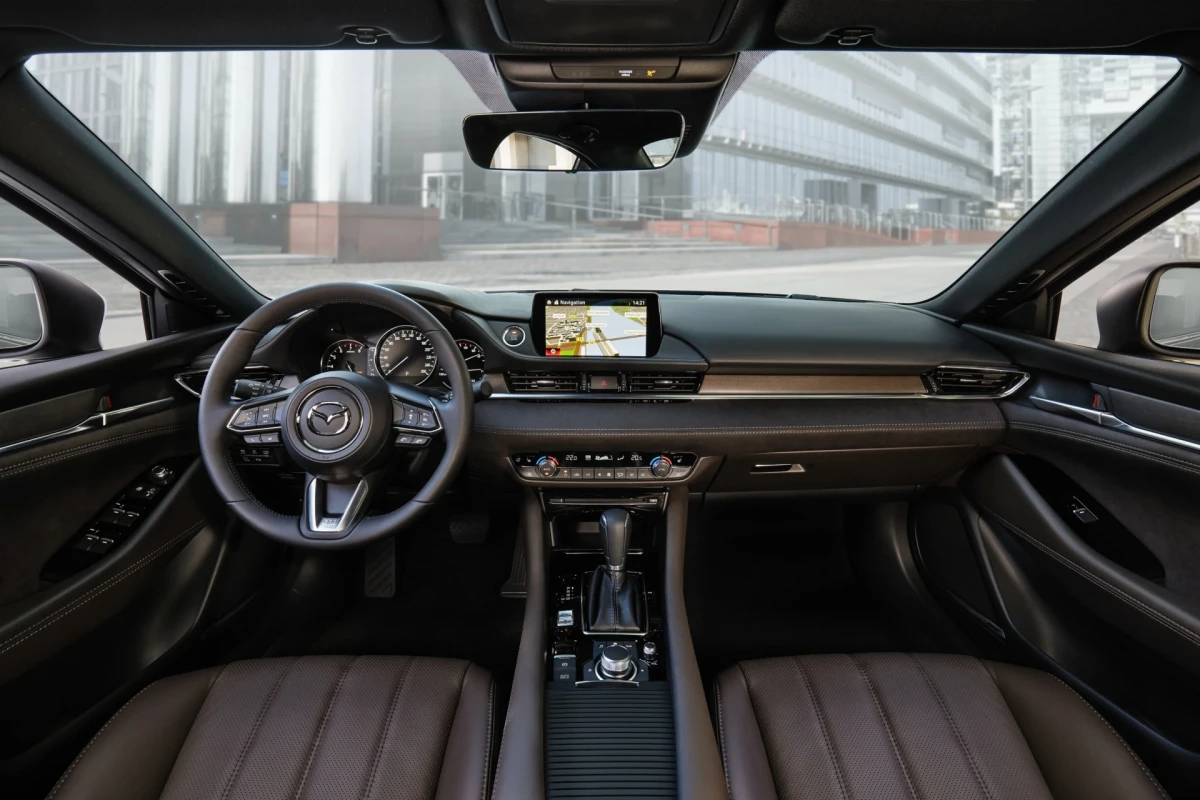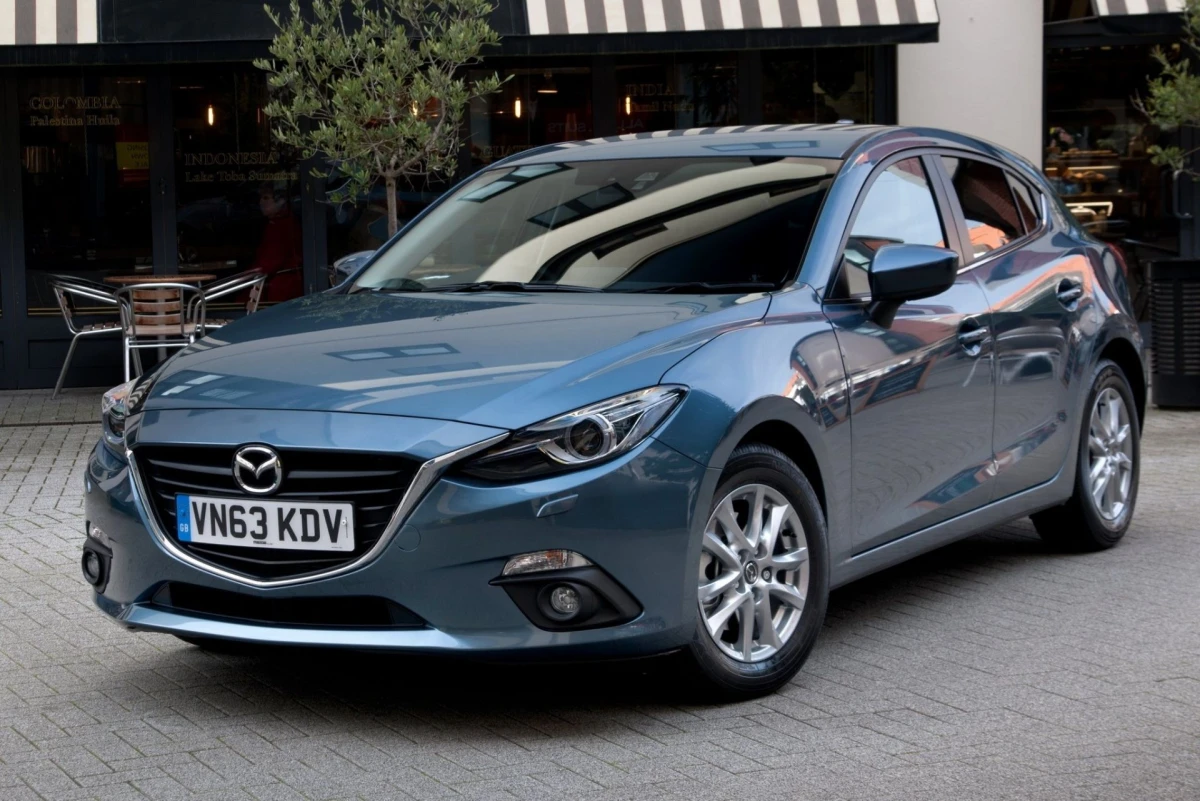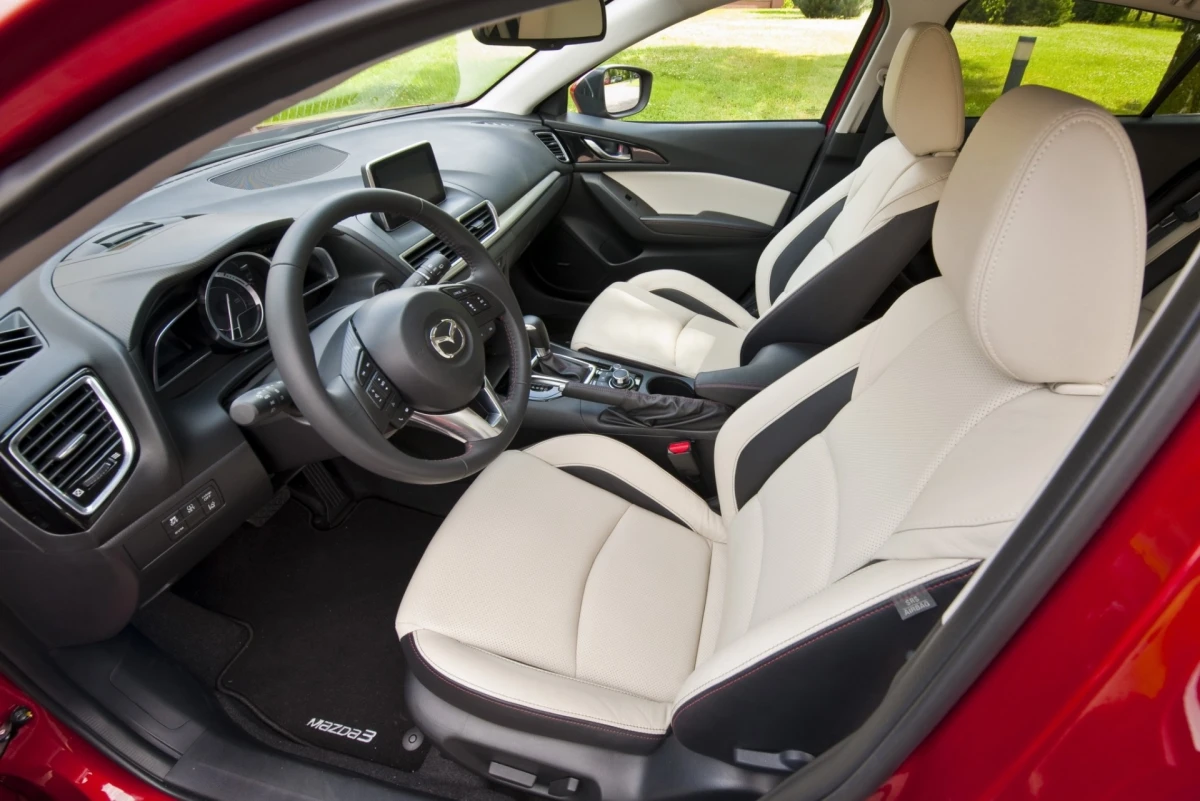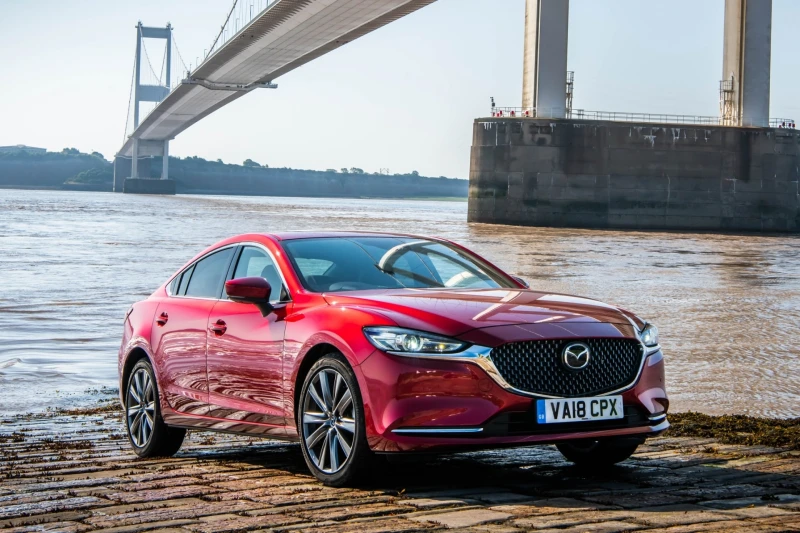
Generation status — completed. The model is a midsize D-segment vehicle offered in sedan and wagon body styles. The Mazda 6 review often highlights it as one of the brand’s key models, combining engaging driving dynamics with everyday comfort.
The global sedan debut took place in August 2012 at the Moscow Motor Show, while the wagon premiered in September at the Paris Motor Show. Sales in the United States began in late 2013. Built on Mazda’s innovative Skyactiv platform, the car features significantly increased body rigidity and reduced weight. Positioned as the brand’s flagship midsize sedan/wagon, it competed against the Toyota Camry, Honda Accord, Volkswagen Passat, and Nissan Altima. Standout features include the flowing Kodo “Soul of Motion” design language, Skyactiv-G gasoline and Skyactiv-D diesel engines, six-speed Skyactiv-MT manual and Skyactiv-Drive automatic transmissions, and the i-Activsense suite of safety technologies.
What’s New Compared to the Previous Generation
Compared to the second-generation Mazda 6 (GH, 2007–2012), the third generation received an all-new Skyactiv platform that reduced curb weight by 220–330 lbs (depending on configuration) and increased body rigidity by about 30%. The exterior design shifted dramatically from the smooth lines of its predecessor to the sharper, more expressive Kodo style with a long hood, slim headlights, and signature grille.
The technical foundation was completely updated: Skyactiv-G engines with high compression ratios (13:1–14:1) and direct injection, Skyactiv-D diesels with low compression (14:1). Transmissions upgraded to six-speed manual and automatic (from five-speed previously). Ride comfort improved thanks to better sound insulation, a retuned suspension (multi-link rear), and a longer wheelbase (111.4 in vs 107.3 in). Safety was enhanced with six airbags standard, optional blind-spot monitoring, forward collision mitigation, adaptive cruise control, and a 5-star Euro NCAP / IIHS rating.
Current Generation Status
Mazda 6 III production ended in 2024, with final deliveries to some markets occurring earlier that year. The last model years offered sedans and wagons with Skyactiv-G 2.0 (around 145–170 hp), 2.5 (187–191 hp), and turbocharged 2.5 (up to 250 hp depending on market), plus the Skyactiv-D 2.2 diesel (170–184 hp in some regions). Transmissions were six-speed manual or automatic, mostly front-wheel drive; i-Activ AWD was available in select markets (Japan, USA), but not widely offered in Europe.
Major milestones: debut in 2012, first facelift in 2015 (updated interior, headlights, introduction of G-Vectoring Control), second in 2018 (new grille, turbo 2.5 engine option, improved NVH), and a minor 2021 update (infotainment tweaks and added features). On the used market, post-2018 facelift models — especially those with the 2.5 Skyactiv-G (turbo or naturally aspirated) paired with the automatic — are considered the sweet spot for performance and dependability.
Used Market in the United States
The third-generation Mazda 6 remains widely available on the US used car market. You’ll typically find hundreds of active listings across major platforms, with numbers fluctuating seasonally. New examples are no longer sold, but late-model imports from other regions and well-maintained domestic units from 2018–2024 are still common.
Most vehicles on the market have 90,000–180,000 miles, showing typical signs of use (paint chips, interior wear). Approximate price range (depending on year, condition, mileage, trim, and engine):
2014–2017 models — $8,000–$16,000
2018–2024 models — $16,000–$28,000
(Orientative market prices for the United States)
The most sought-after versions are sedans and wagons with the 2.5 Skyactiv-G (187–250 hp) and automatic transmission, particularly post-2018 facelifts. The turbo 2.5 variants are especially popular for their strong performance.
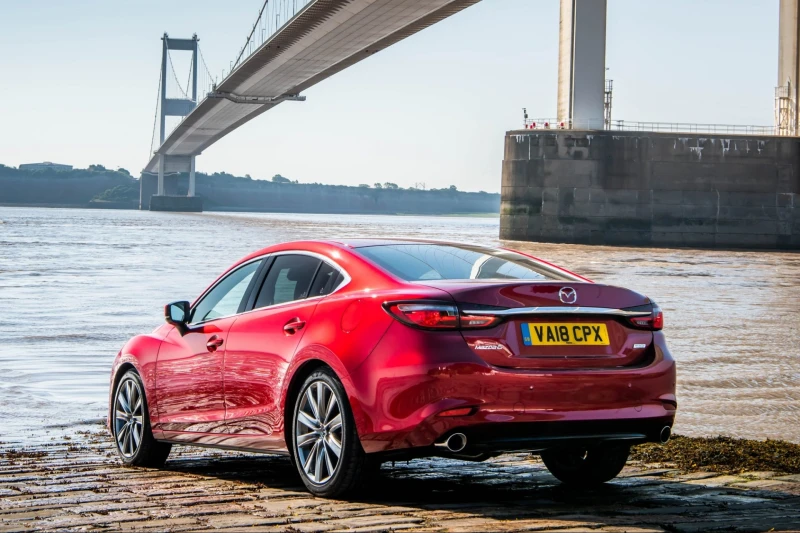
Main Trims and Equipment Found in the US
Common trim levels seen on the US market: Sport, Touring, Grand Touring, and later Signature / Carbon Edition / Turbo variants.
Base models usually include cloth upholstery, manual or automatic climate control, 6-speaker audio, multifunction steering wheel, six airbags, stability control. Mid-level trims add dual-zone climate, heated front seats, rearview camera, adaptive cruise (later years), 17–19-inch wheels. Higher trims feature leather, heated steering wheel, LED headlights, 8-inch (later 10.25-inch) infotainment, available Bose 11-speaker audio, head-up display, ventilated seats, and full i-Activsense safety suite (blind-spot monitoring, rear cross-traffic alert, smart city brake support, etc.).
US-spec models typically came with gasoline engines (2.5 naturally aspirated or turbo), front-wheel drive (AWD optional on later turbo models), and suspension tuned for American roads — prioritizing a balance of comfort and handling.
Conclusions & Relevance Today
The third-generation Mazda 6 remains a compelling choice on the used market for drivers seeking a stylish, driver-focused midsize sedan or wagon. Skyactiv technology delivers strong reliability and efficiency when properly maintained.
The best picks are usually post-2018 facelift models with the 2.5 Skyactiv-G (especially the turbo version) and automatic transmission — they offer an excellent mix of performance, refinement, and economy. Diesel versions are rare in the US.
When shopping for a used Mazda 6, pay special attention to: full service history (oil changes every 5,000–7,500 miles), paint condition (thin factory clear coat chips easily), automatic transmission smoothness, absence of rust (wheel arches, rocker panels), and proper operation of i-Activsense systems. A pre-purchase inspection at a Mazda-specialist shop is highly recommended to catch any hidden issues.