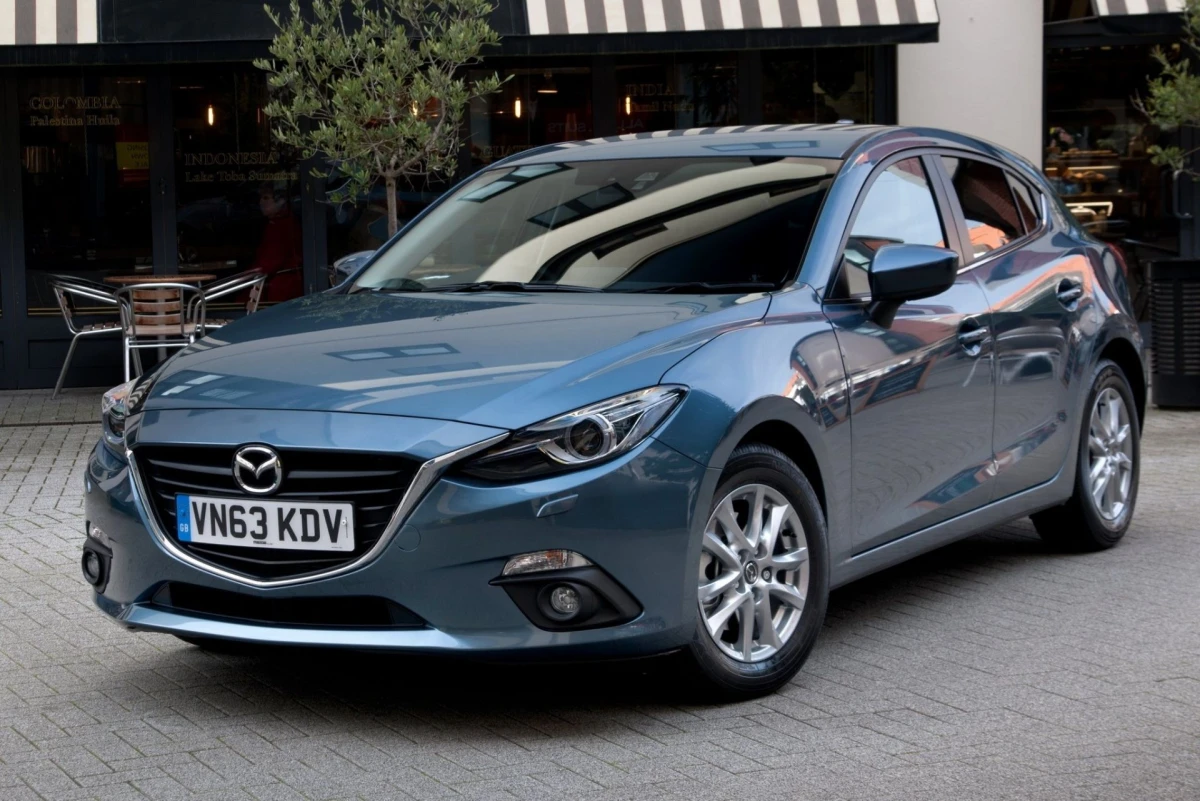
This model's interior embodies Mazda's driver-centric philosophy, blending high-quality materials with intuitive technology. The article covers the essential aspects of the Mazda 6 III cabin: overall design, US-market trim levels, year-over-year changes, common issues, and its standing in 2026. Search terms like Mazda 6 interior, 2012–2024 Mazda 6 cabin, and Mazda 6 cabin quality frequently appear in reviews of similar midsize sedans.
Overall Cabin Overview
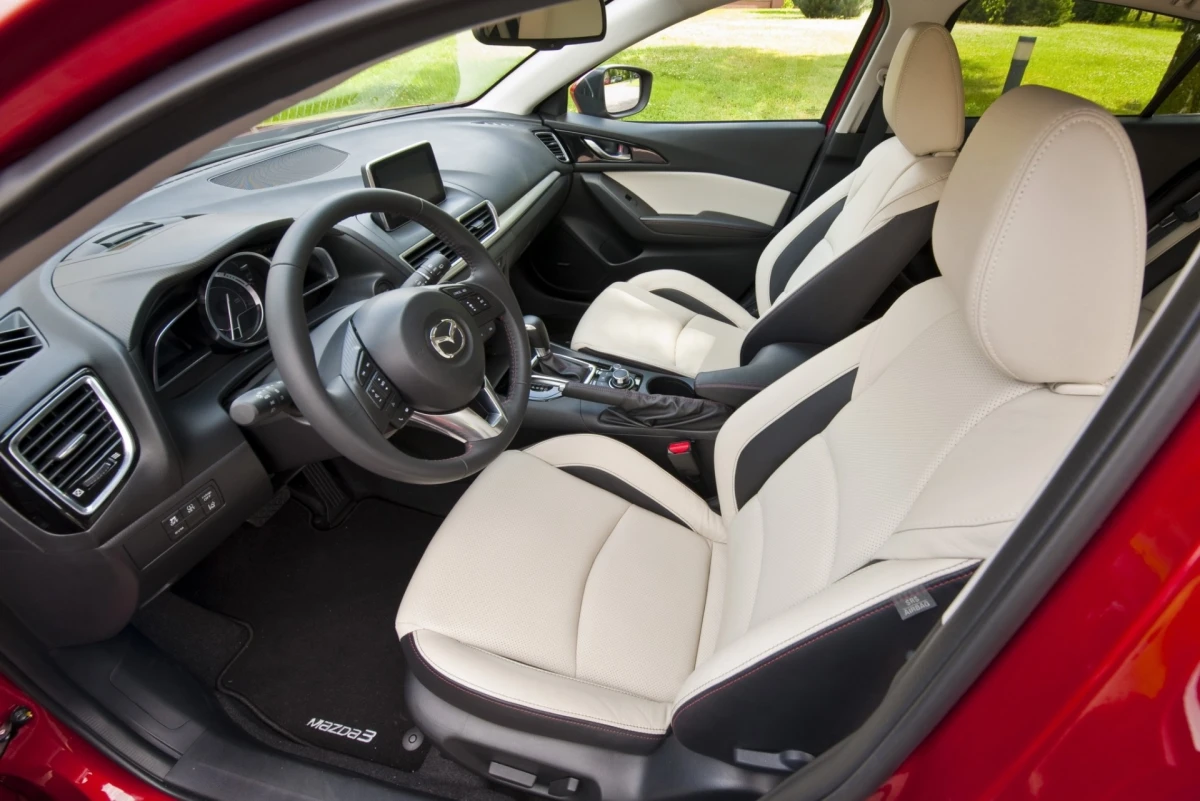
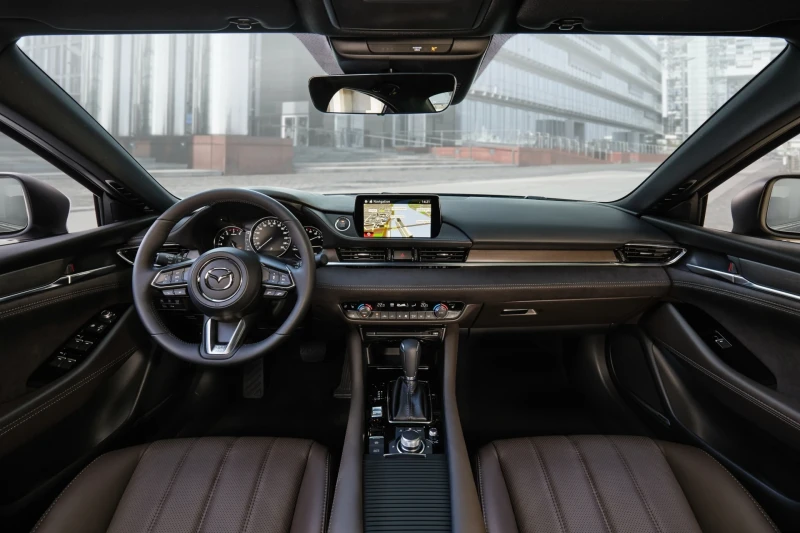
The Mazda 6 III interior features a clean, minimalist design that prioritizes the driver. Materials include soft-touch plastics on the dashboard and door panels, cloth or available leather upholstery depending on trim, and tasteful accents in aluminum, genuine wood, or piano black. For its class, build quality feels upscale: plastics resist wear well, stitching is precise, although base trims use more hard plastics in lower areas, which can feel slightly basic.
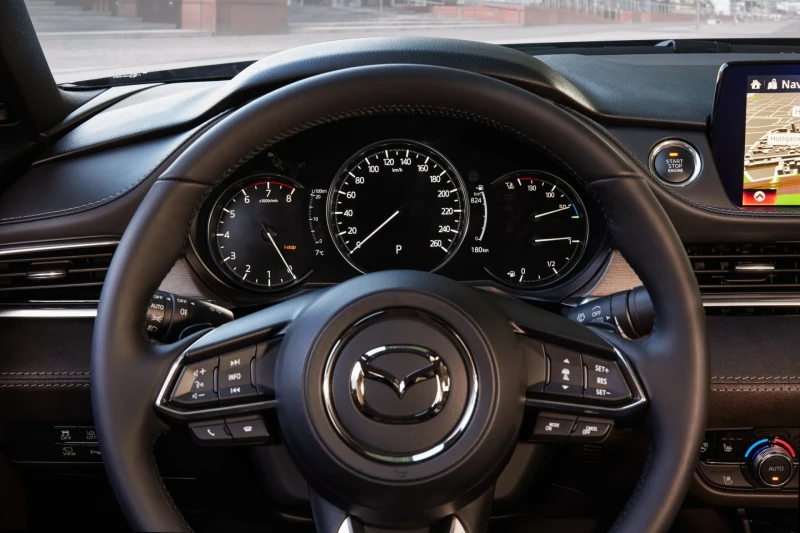
The dashboard layout is uncluttered: analog gauges in early models or available digital displays later, a central 7–10.3-inch infotainment touchscreen, and intuitive physical climate controls. Ergonomics are excellent — the steering wheel offers tilt and telescopic adjustment, seats provide strong side bolstering, and controls are logically placed for long-distance comfort. Owners frequently report excellent comfort for drivers up to about 6'3", with minimal fatigue even after 300+ mile highway drives.
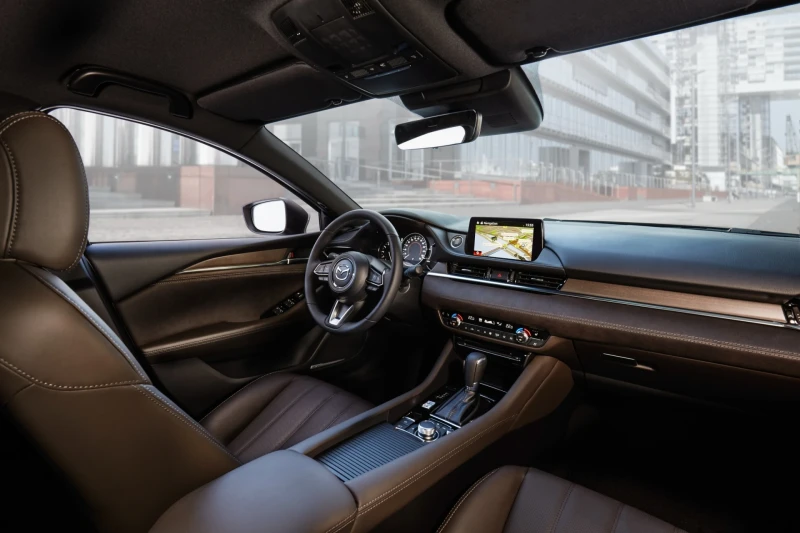
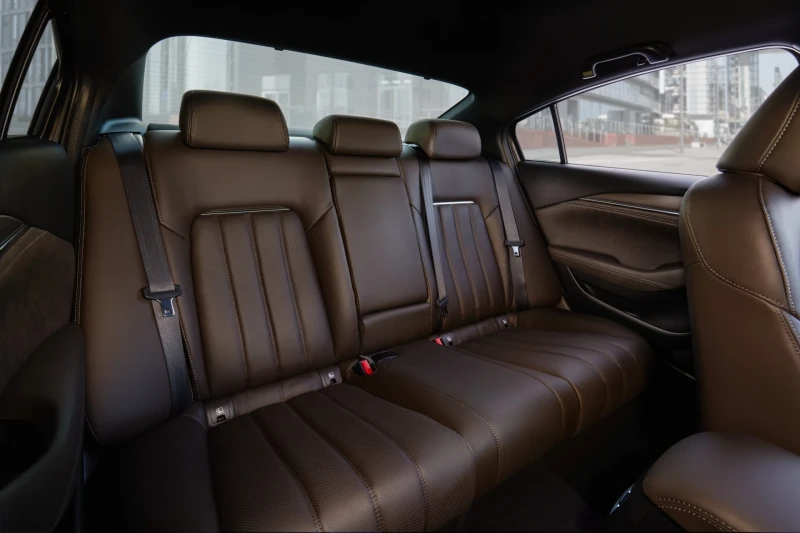
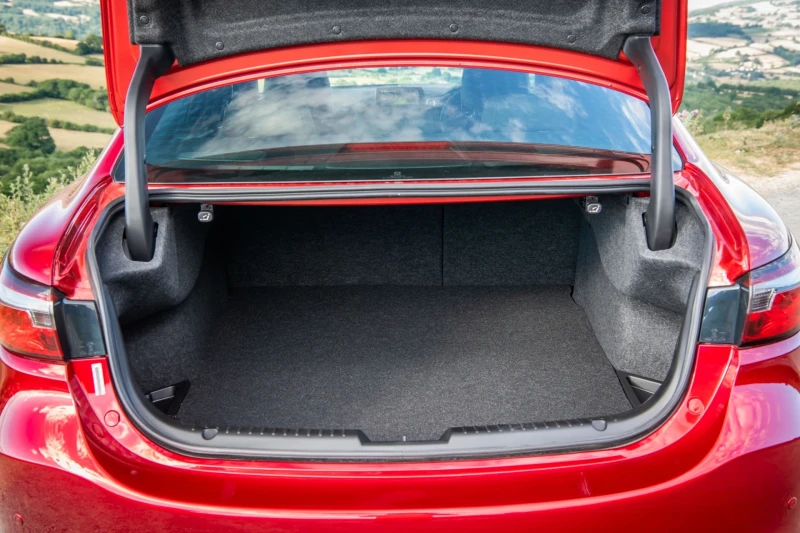
Front passenger space is generous with plenty of legroom and headroom. The rear seat comfortably fits three adults thanks to the 111.4-inch wheelbase (sedan), though the center position feels narrower due to the driveline tunnel. Headroom is adequate, but models with a panoramic roof lose a bit of clearance in the wagon. Cargo capacity is 14.7 cu ft in the sedan or 14.7–59.6 cu ft in the wagon with rear seats folded. Everyday practicality is strong: armrests, cupholders, door pockets, and 60:40-split folding rear seats handle long items easily. The cabin works well for a family of 4–5, especially on extended road trips.
Trim Levels & Features on the US Market
In the United States, the Mazda 6 III was offered in trims tailored to American buyers. Common configurations found on the used market include Sport (base), Touring, Grand Touring, and later Signature (top-tier).
Base trims feature cloth upholstery, manual seat adjustments, single-zone climate control, a 6-speaker audio system, multi-function steering wheel, six airbags, and stability control. Infotainment starts with a 7-inch display without navigation.
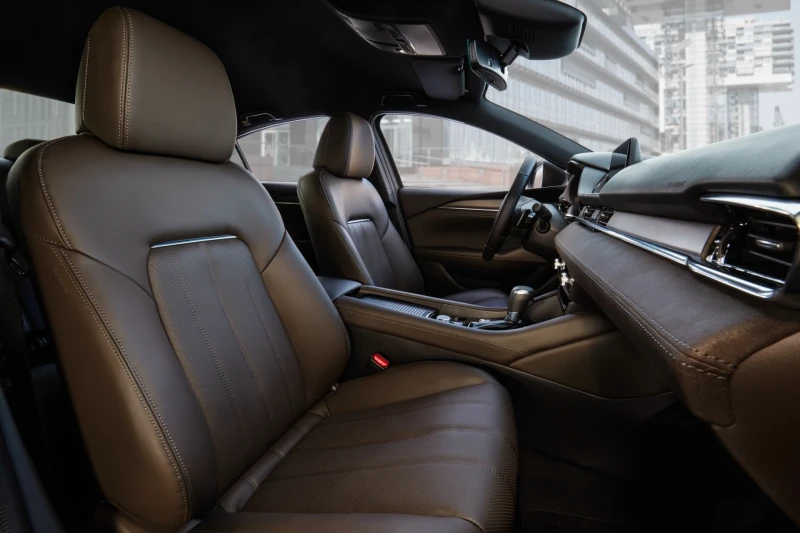
Mid-level trims add dual-zone automatic climate control, heated front seats, rearview camera, rain-sensing wipers, adaptive cruise control (later models), and 17- or 19-inch alloy wheels. Upholstery often upgrades to leatherette or partial leather. Safety features include basic parking aids and blind-spot monitoring on higher packages.
Higher trims bring leather upholstery, power-adjustable front seats, heated steering wheel, LED headlights, an 8–10.3-inch infotainment screen, available Bose 11-speaker audio, and advanced driver aids like blind-spot monitoring, rear cross-traffic alert, and adaptive cruise with stop-and-go. Optional extras often include a panoramic sunroof and ventilated front seats.
Top Signature trims add a head-up display, full suite of i-Activsense safety features (collision mitigation, lane-keep assist, etc.), heated rear seats, and 19-inch wheels. US-market models typically lack all-wheel drive in most years (unlike some global versions) but include generous standard equipment due to market expectations. On the used market, mid-to-high trims imported or originally sold in the US dominate, with many featuring premium packages.
Interior Changes by Year & Major Refresh
From 2012 to 2024, the Mazda 6 III interior evolved through several updates. Early models (2012–2014, GJ) featured analog gauges, a simpler steering wheel, and basic sound insulation. Materials were solid — soft plastics and black or beige color schemes; infotainment was a 7-inch screen.
The 2015 refresh brought a revised steering wheel, sharper gauge graphics, and improved noise insulation. Additional interior color options appeared (including brown leather). The significant 2018 refresh (transition to GL) transformed the cabin: updated digital-enhanced instrument cluster, larger 8–10.3-inch infotainment screen, premium materials (Nappa leather in top trims), and noticeably better sound deadening with added layers in doors and floor. The 2021 update further modernized infotainment with standard Apple CarPlay and Android Auto support, plus conveniences like wireless charging in some trims.
On the US used market, post-2018 refreshed models (especially 2018+) are preferred: quieter cabins, more modern tech, and better material durability. Pre-refresh examples (2014–2017) are more affordable but come with simpler instrumentation and less sound insulation.
Common Interior Issues & Owner Feedback
Over time, the Mazda 6 III cabin shows typical wear patterns. Fabric seats can develop shine or wear after 90,000–120,000 miles; leather (especially Nappa) may crack in very hot or cold climates without proper care. Vulnerable spots include plastic trim (shift knob, buttons) that scratches easily and door check straps that wear out.
Rattles and squeaks: after 120,000+ miles, panels and suspension noises can transmit into the cabin on rough roads. Post-2018 models benefit from improved insulation, but earlier cars show more tire and wind noise at highway speeds. Rear-seat comfort: spacious but the center armrest is narrow, and panoramic-roof wagons have slightly less headroom.
Visibility: side mirrors are adequate, but rear visibility in the sedan is somewhat restricted by the high trunk line. Maintenance notes: piano-black trim scratches easily, touchscreens collect dust and fingerprints, and early infotainment systems may need software updates. In typical US driving conditions (highway miles, varied weather), these issues appear gradually; well-maintained examples from specialist dealers or Mazda-certified pre-owned programs tend to hold up best.
Conclusions & Relevance in 2026
In 2026, the Mazda 6 III interior remains surprisingly modern: its minimalist, driver-focused design and solid materials still feel upscale, though early infotainment systems and analog gauges look dated next to newer vehicles. It continues to hold strong appeal in the used midsize sedan market, delivering an excellent balance of comfort, quality, and engagement.
Best value trims on the US used market are mid-to-high-level examples from the 2018+ refresh (Grand Touring and Signature): they offer current tech, superior sound insulation, and strong resale value (typical prices roughly $12,000–$22,000 depending on mileage and condition). Lower trims remain practical daily drivers but lack some of the premium touches.
When shopping used, inspect the cabin closely: check seat wear, infotainment functionality (glitches, smartphone integration), road noise during a test drive, and signs of hard use (creaks, odors). A thorough pre-purchase inspection focusing on electronics and service history helps ensure the interior has been well preserved.