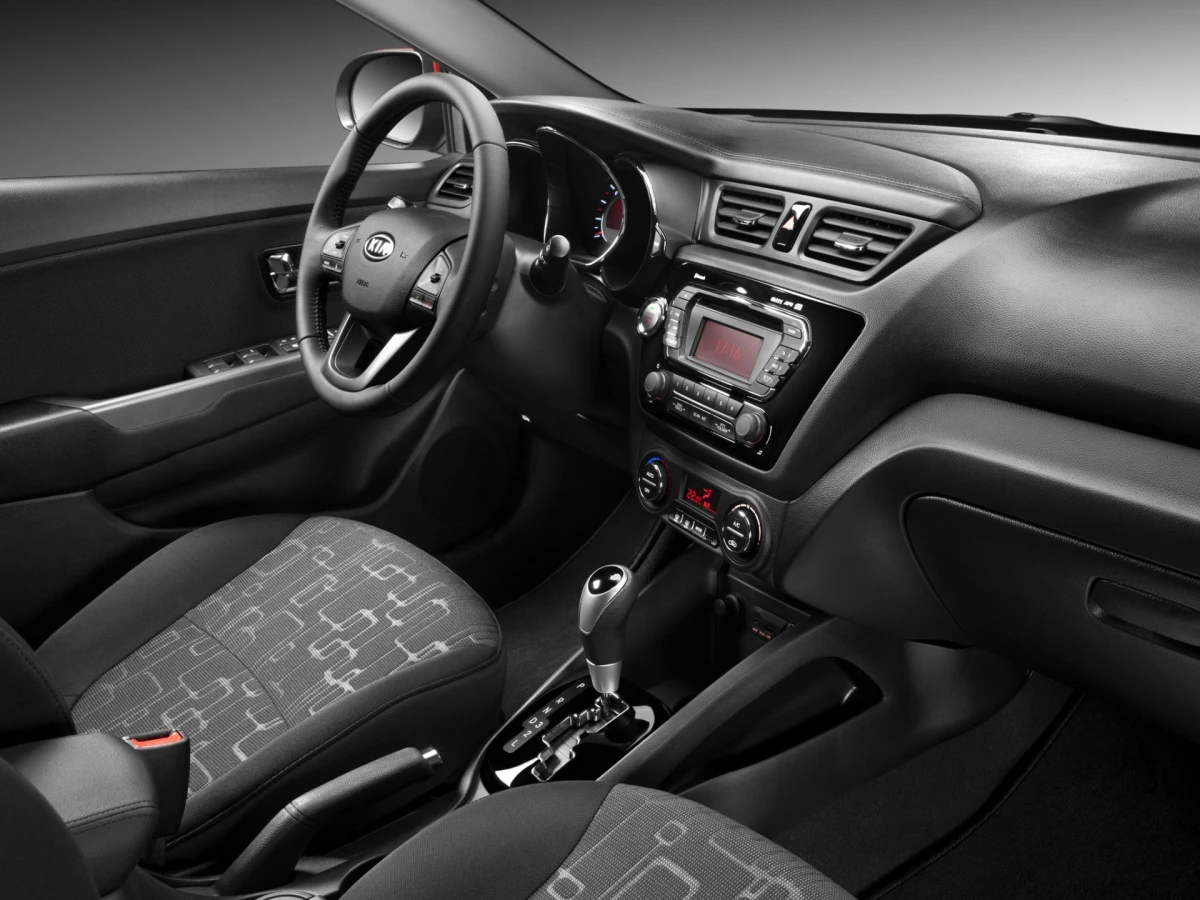



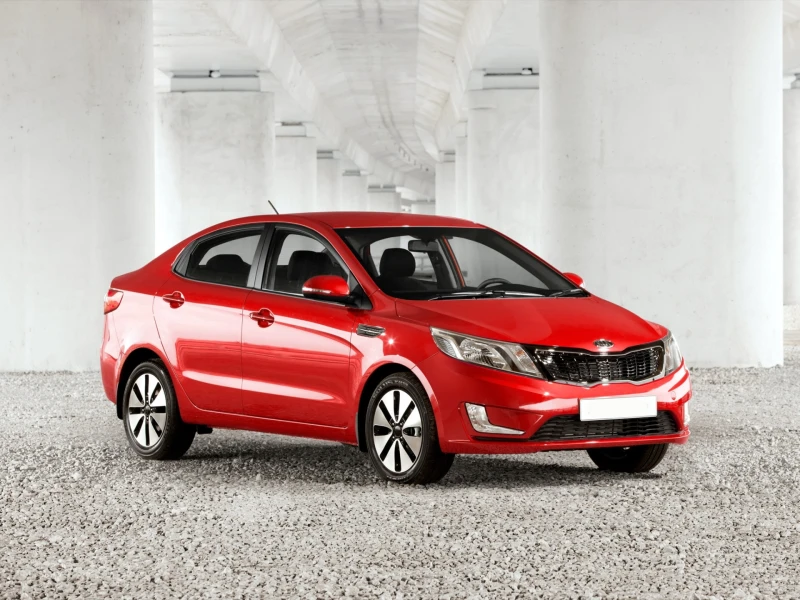
This model belongs to the compact B-segment class, available as a sedan or five-door hatchback. Reviews of the Kia Rio often highlight its strong value proposition and everyday practicality. The third-generation Rio represented a major leap forward for the nameplate, designed with global appeal in mind.
The global debut took place in March 2011 at the Geneva Motor Show. European sales began in the summer of 2011. The vehicle is built on the Hyundai-Kia PB platform — the same architecture used for the Hyundai Accent. In the Kia lineup, the Rio sits as an affordable city car, positioned against the Volkswagen Polo, Ford Fiesta, Skoda Fabia, and Hyundai i20. Signature elements include Peter Schreyer’s “tiger-nose” grille, Gamma-series engines with multi-point injection, four- and six-speed transmissions, and suspension tuning suited for varied road conditions.
What’s New Compared to the Previous Generation
Compared to the second-generation Rio (JB, 2005–2011), the third generation introduced the new PB platform with a stretched wheelbase (2570 mm vs 2500 mm), noticeably improving rear-seat space. Body stiffness increased by 20–30%, while strategic use of high-strength steel helped bring the curb weight down.
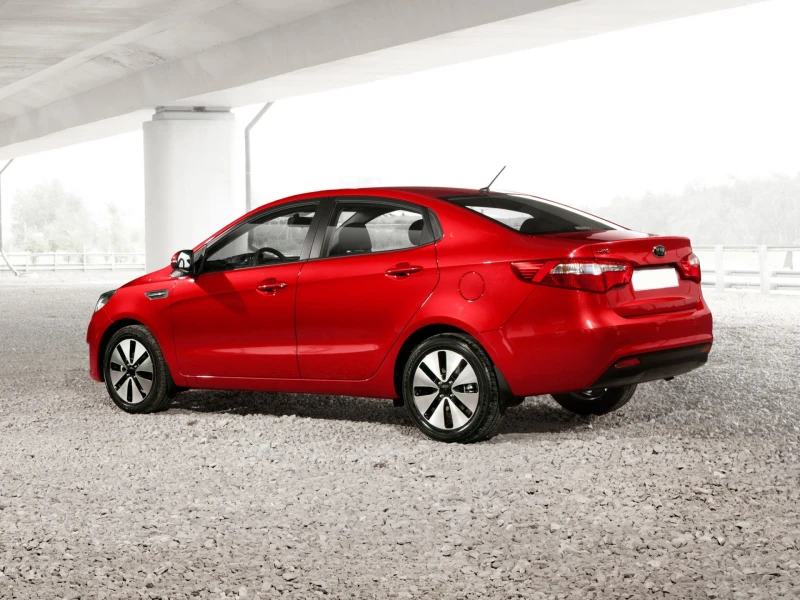
The exterior styling was completely redesigned — moving from soft curves to sharper, more dynamic lines featuring the iconic grille and slim headlights. The cabin received a clear upgrade: softer-touch materials in key areas, better ergonomics, and elimination of hard plastics on visible surfaces.
Under the hood, the outdated Alpha engines were replaced by modern Gamma units — 1.4 L (≈107 hp) and 1.6 L (≈123–138 hp depending on market and tune) with multi-point fuel injection. Gearbox options included a 5-speed manual, 4-speed automatic, and later 6-speed manual and automatic units (availability varied by market). Ride comfort and refinement improved thanks to better sound deadening and suspension calibration (MacPherson front, torsion-beam rear). Safety features were enhanced: up to six airbags in higher trims, ABS, ESC, achieving a 5-star Euro NCAP rating for European-spec models.
Current Status of the Generation
Production of the third-generation Kia Rio ended in 2017. The final lineup offered sedans and hatchbacks with 1.4 Gamma (≈107 hp) and 1.6 Gamma (≈123–138 hp) engines, paired with 5- or 6-speed manual or 4- or 6-speed automatic transmissions (six-speed units more common after the 2015 facelift, market-dependent). All versions featured front-wheel drive.
Major milestones: 2011 launch, 2015 facelift (updated headlights & taillights, revised bumpers, refreshed interior, addition of six-speed transmissions on many markets). On the used market, post-facelift 2015–2017 models — especially those with the 1.6 engine and six-speed automatic — are widely regarded as the sweet spot thanks to improved refinement, efficiency, and overall reliability. In Europe hatchbacks tend to be more popular, while sedans dominate in many other regions.
U.S. Used Market Snapshot
On the American used-car market the third-generation Kia Rio appears in moderate numbers. Expect to find anywhere from several hundred to a couple thousand active listings at any given time (depending on season and region). New vehicles of this generation are long gone, but late-build 2015–2017 examples imported or originally sold in the U.S. still circulate.
Typical condition on the used market: mileage between 90,000–180,000 miles, with normal signs of age (paint chips, interior wear, minor suspension noise). Approximate price range (depending on year, condition, mileage, trim, and engine): 2011–2014 models — $4,500–$8,000; 2015–2017 facelift models — $7,000–$11,000 (Orientative market prices in the United States as of 2025–2026). The most sought-after versions are sedans equipped with the 1.6 Gamma engine and automatic transmission, in mid- to upper trims (LX, EX, SX), preferably in popular colors such as silver, black, or white.
Common Trims & Equipment Found in the U.S.
Typical trim levels seen on the American used market: base (LX / Base), mid-grade (EX / Comfort), and higher-end (SX / Premium).
Base models usually feature cloth upholstery, air conditioning, basic audio with four speakers, steering-wheel controls, ABS, and dual front airbags. Mid-level trims add alloy wheels, power windows & mirrors, keyless entry, Bluetooth, backup camera (later years), heated seats (in many regions), and cruise control. Top trims often include push-button start, leatherette or leather upholstery, larger touchscreen infotainment, LED lighting (post-facelift), blind-spot monitoring (select packages), and 16- or 17-inch wheels.
U.S.-spec versions typically came with the 1.6 Gamma engine (≈138 hp in many cases), six-speed automatic (especially after 2015), and front-wheel drive. Ground clearance is around 5.5–6.0 inches. Popular options packages focused on cold-weather gear (heated seats/steering wheel) or convenience & safety features. Mid-level trims tend to dominate the used market.
Final Thoughts & Relevance Today
The third-generation Kia Rio remains a solid choice on the used market for budget-conscious buyers looking for an economical, easy-to-live-with compact car with low ownership costs. Its Gamma engines have proven durable, and parts availability is excellent thanks to shared Hyundai-Kia components.
The post-2015 facelift models with the 1.6-liter engine and six-speed transmission offer the best combination of performance, fuel economy, and refinement. Manual versions are reliable but less common and slower to sell.
When shopping for a used example, pay special attention to: full service history (oil changes ideally every 6,000–7,500 miles), paint condition (thin factory clear coat prone to chipping), automatic transmission behavior (smooth shifts, no harsh engagement), underbody corrosion (especially wheel arches and rocker panels in salt-belt states), and proper operation of all electronics. A pre-purchase inspection by a trusted mechanic is strongly recommended to verify mileage and uncover any hidden issues.