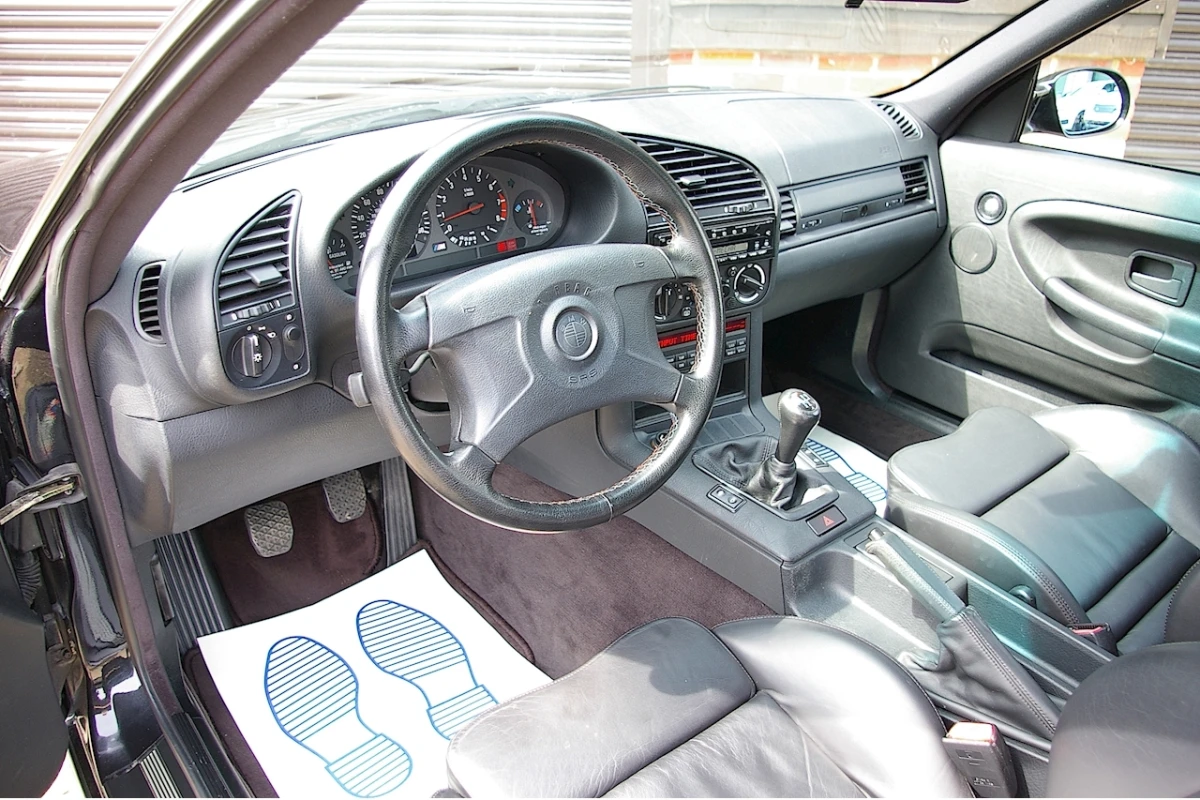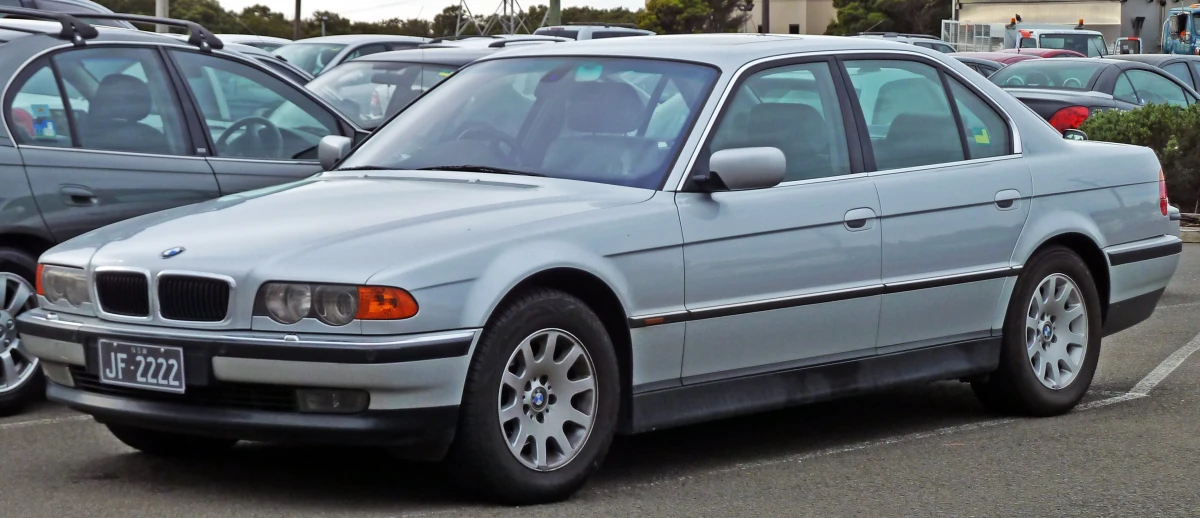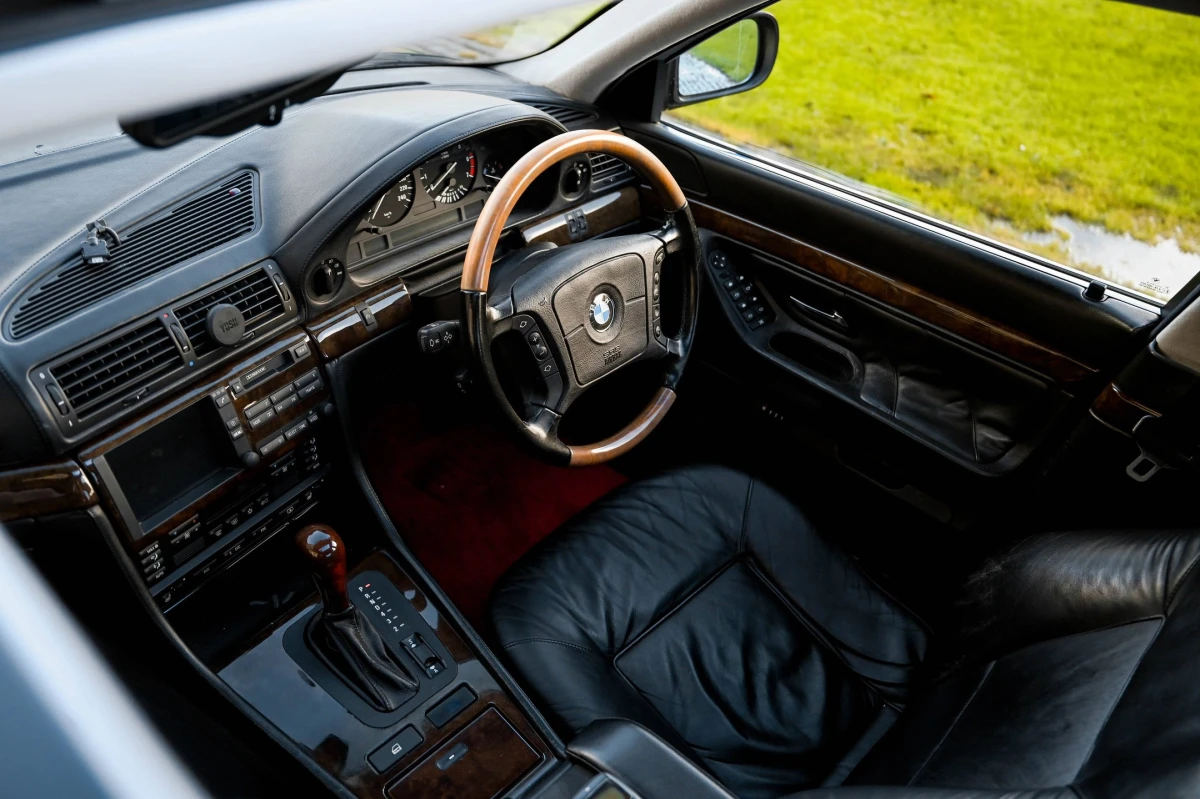



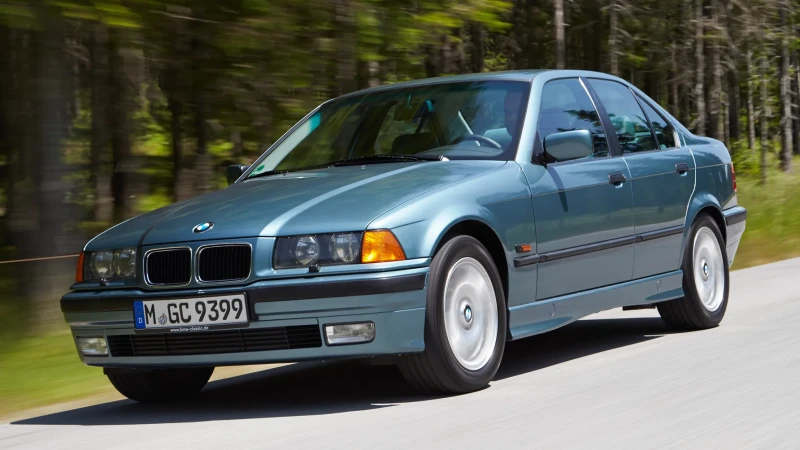
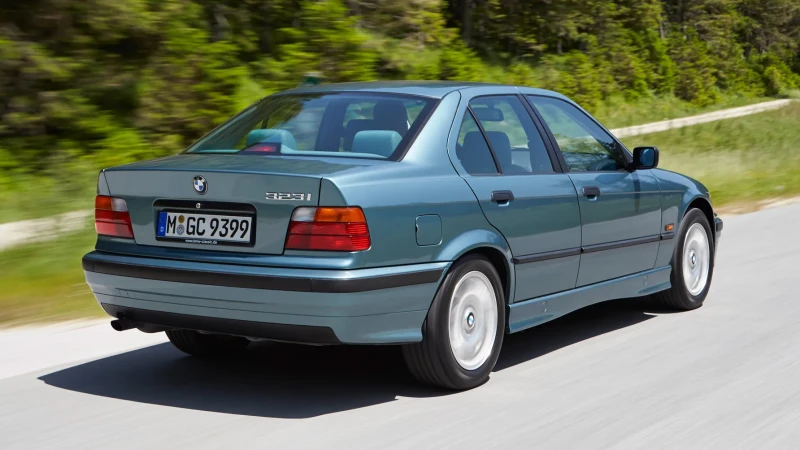
This generation, internally coded E36, was produced from 1990 to 2000. Sales kicked off in Europe with sedans in 1990, followed by coupes, convertibles, and Touring wagons in 1991–1992. Sedan production wrapped up in 1998, while coupes and convertibles continued until 2000. In the United States, the model arrived through official channels starting in the early 1990s and became a staple on the used market in the following decades. It rides on a rear-wheel-drive platform with fully independent suspension—including a multi-link rear setup—that delivers legendary handling prowess.
Design highlights include a more aerodynamic body (Cd 0.29–0.32) with smoother, flowing lines, the signature kidney grille, and—on later models—the iconic 'angel eye' headlights. Dimensions grew compared to the E30: sedan length reaches 4433 mm (174.5 inches), width 1698 mm (66.9 inches), height 1393 mm (54.8 inches), and wheelbase 2700 mm (106.3 inches). Curb weight ranges from 1200–1500 kg (2650–3300 lbs). Power comes from smooth inline-four and inline-six engines (1.6–3.2 liters, 99–321 hp), paired with 5-speed manuals or 4/5-speed automatics and classic rear drive. Standout features include standard ABS (from 1993), airbags, and optional ASC stability control. The E36 cemented its status as an icon—especially the M3—while competing against the Mercedes C-Class and Audi 80/90.
What’s New Compared to the Previous Generation
Compared to the E30 (1982–1994), the E36 brought major leaps in refinement, safety, and everyday usability. Styling shifted to rounder, more modern shapes with significantly better aerodynamics (Cd dropped from 0.35 to 0.29), a longer wheelbase (+130 mm to 2700 mm) for improved interior room, and a 25% stiffer body with enhanced crash zones.
The chassis received a multi-link rear suspension in place of the semi-trailing arm design, boosting both handling precision and ride comfort. Engine lineup evolved with VANOS variable valve timing on the M50 six-cylinders (2.0–2.5 L, 150–192 hp) and the M51 turbodiesel (2.5 L, 143 hp). Tech upgrades included standard ABS, optional traction control (ASC+T), and driver/passenger airbags from 1993. Interior comfort jumped with better sound insulation, more rear legroom, and options like climate control and power windows.
Safety ratings reached 4 stars in period crash tests—well ahead of the E30. Overall, the E36 became more comfortable, safer, and versatile while preserving the pure 'driver’s car' DNA, though with a greater emphasis on daily usability.
U.S. Used Market
On the American used market, the BMW 3 Series E36 (1990–2000) remains a favorite among enthusiasts and budget-conscious buyers who crave engaging dynamics and huge aftermarket support. Listings on platforms like Cars.com, Autotrader, and Bring a Trailer show steady availability. The model is durable when maintained, with parts still reasonably priced and widely available.
Approximate market prices in the United States range from $5,000 to $15,000+ depending on condition, mileage, and specification (based on early 2026 listings from major sites). Entry-level examples—often high-mileage 1990s 318i/320i sedans or coupes—start around $5,000–$8,000. Well-kept 328i models typically fall in the $8,000–$12,000 range. Clean, low-mileage examples and M3 variants can reach $15,000–$30,000 or more. Average price for a solid driver is around $9,000–$12,000. Most popular are 328i coupes and sedans with manual transmissions; many have aftermarket upgrades. Demand remains strong for post-1996 facelift cars with updated headlights and refinements. Overall, the E36 offers tremendous value as an affordable classic with premium feel.
Common Trim Levels and Configurations on the U.S. Market
In the U.S., the E36 came in base, mid-level, sport-oriented, and M3 variants. On the used scene today, you’ll mostly find base, Luxury/SE, Sport, and M3 examples—many adapted for American roads with suspension tweaks and rust protection in certain regions. Here are the main ones.
Base: 318i/320i, manual transmission, cloth interior, ABS, power windows, basic stereo. Many U.S. examples have added features like heated mirrors or aftermarket upgrades.
Luxury/SE: adds climate control, leather-wrapped steering wheel, cruise control, 15-inch wheels, airbags.
Sport: sport-tuned suspension, M-style steering wheel, leather seats, 16-inch wheels, ASC traction control.
M3/Top: 3.0/3.2 S50/S52 (240–321 hp in U.S. spec), M-tuned suspension, Recaro-style seats, limited-slip differential.
In the U.S. market, 2.5–2.8 L six-cylinder models (325i/328i) dominate, with manuals highly sought after. Post-facelift (1996+) cars are especially popular.
| Trim Level | Key Features | Engines | Approximate Used Market Price (USD) |
|---|---|---|---|
| Base | ABS, power windows, basic stereo | 1.8–1.9 L | $5,000 – $8,000 |
| Luxury/SE | Climate control, cruise, airbags | 1.8–2.5 L | $7,000 – $11,000 |
| Sport | Sport suspension, leather, ASC | 2.5–2.8 L | $9,000 – $14,000 |
| M3 | M suspension, Recaro seats, LSD | 3.0–3.2 L | $15,000 – $30,000+ |
Final Thoughts
The BMW 3 Series E36 (1990–2000) remains an excellent choice on the U.S. market for enthusiasts, younger drivers, and anyone looking for an affordable, engaging driver's car for daily use or weekend fun. It’s not the most practical family sedan (rear seat is snug), but it shines for couples, solo drivers, or spirited road trips (435-liter trunk, excellent dynamics).
Why consider one: timeless BMW icon, razor-sharp handling, plentiful parts availability, massive tuning potential. In an era of $50,000+ new cars, the E36 delivers genuine premium thrills for under $12,000 on average.
Things to watch for when buying: rust (especially wheel arches, rockers—common in salt-belt states), worn multi-link rear suspension (expensive to repair), VANOS seals and oil consumption on M50/M52 engines, full service history, and accurate mileage. A pre-purchase inspection at a BMW-specialist shop is essential. When you find a good one, the E36 remains one of the most rewarding classic BMWs you can own.