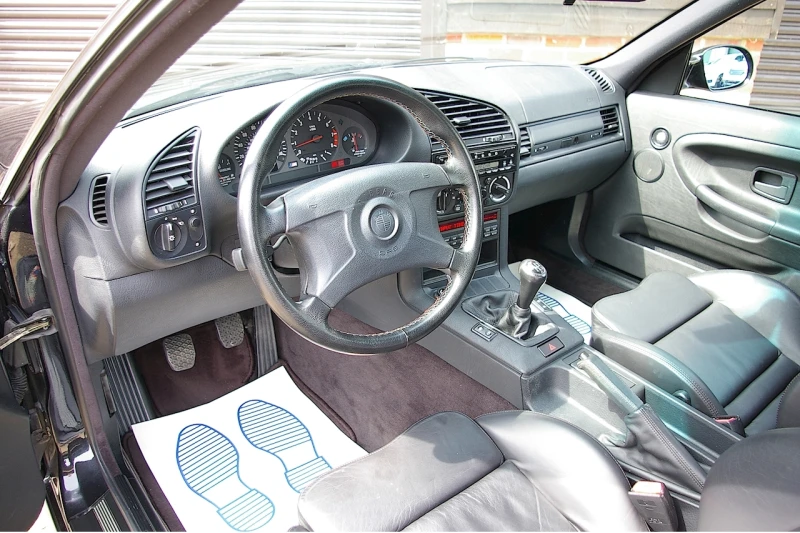
Even decades after production ended, the BMW 3 Series E36 cabin continues to impress with its clean, driver-centric layout and timeless design. In the United States this generation remains highly sought-after on the used market thanks to its relative affordability, huge aftermarket support, and engaging driving character. Below we break down the key interior features, available trim levels, updates through the years, common weak points, and practical advice for buyers in today’s market. The E36 interior represented a significant evolution from previous 3 Series generations, with even stronger focus on ergonomics and driver involvement.
Overall Cabin Overview
Materials & Design
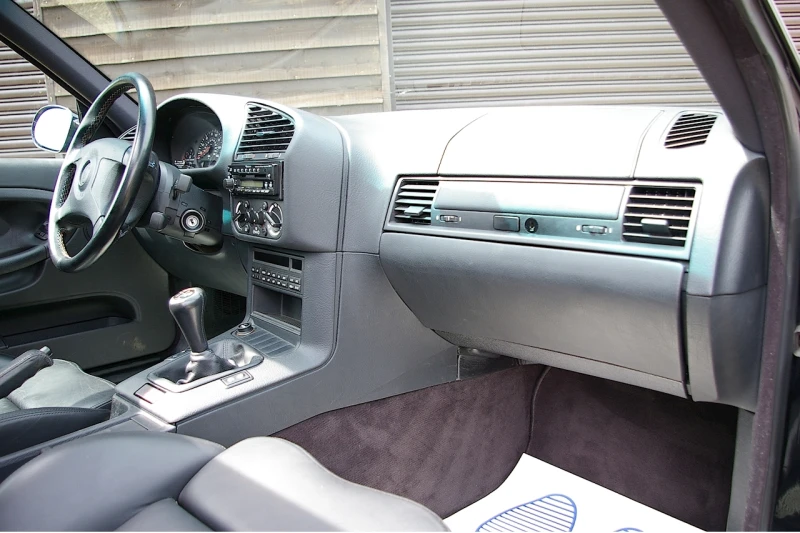
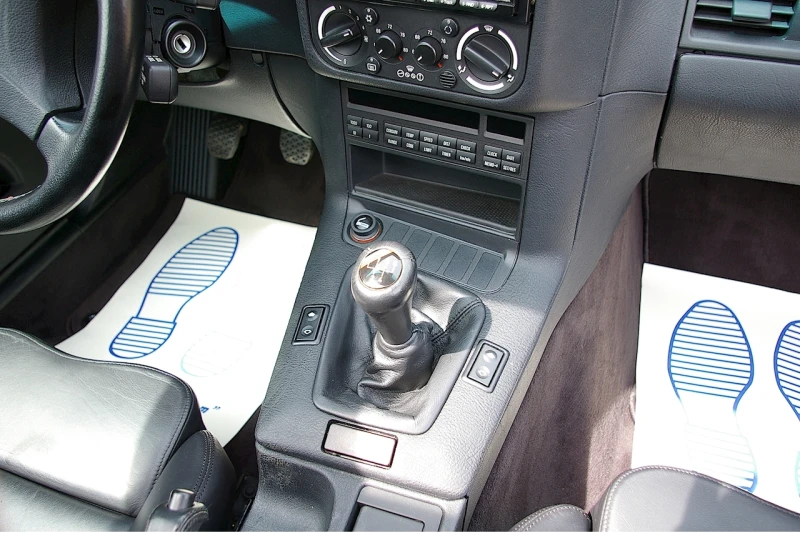
The E36 interior uses solid, period-appropriate materials: soft-touch plastic on the dashboard, cloth or optional leather (including Nappa in higher trims), and wood or aluminum trim pieces in upscale versions. The design is minimalist and driver-oriented — analog gauges with clear dials, a center console housing climate controls, radio and switches, all laid out for easy reach. Controls feel precise and tactile. Later models sometimes included the optional 'angel eyes' look in the instrument cluster lighting.
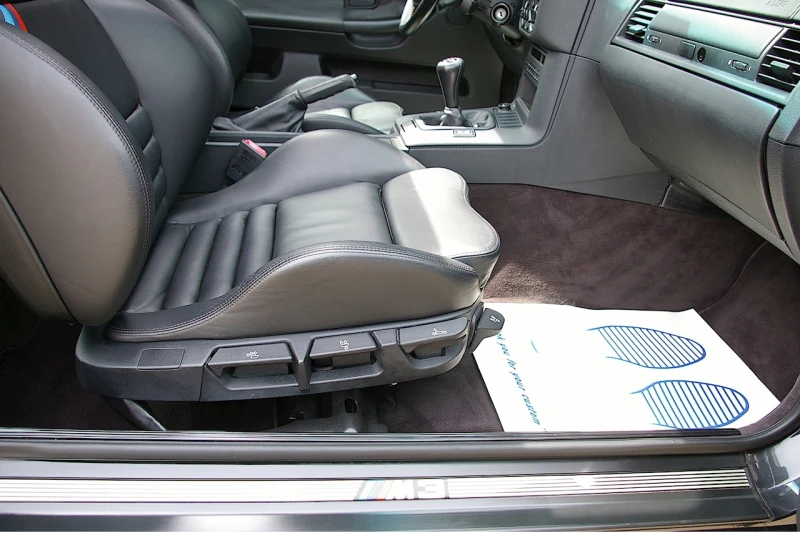
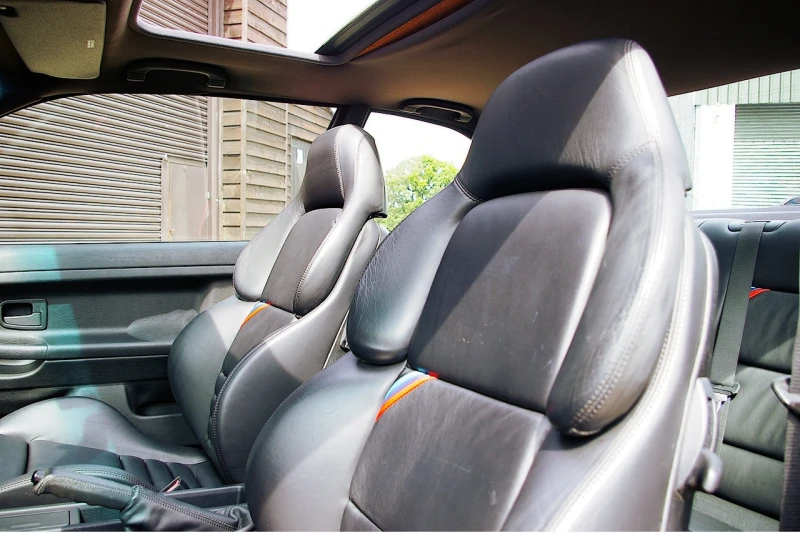
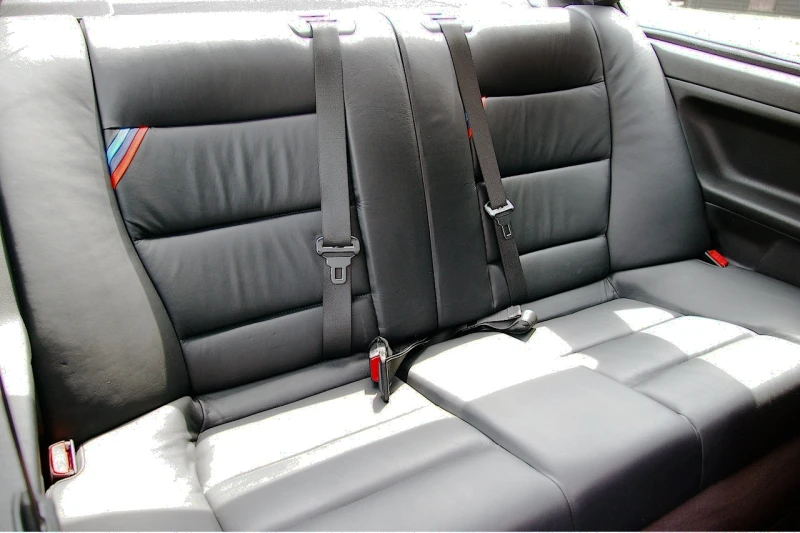
Driver comfort is excellent: supportive seats with generous adjustment range and good bolstering, plus a nicely weighted hydraulic power steering feel. Rear seating is comfortable for two adults, but tight for three due to the prominent center tunnel. Headroom and legroom are adequate for average-height passengers. Storage is practical — numerous cubbies, optional cupholders, and a folding rear armrest.
Trunk space measures 15.4 cu ft (sedan) or 13.1–48.9 cu ft (Touring with seats folded), featuring a flat floor, tie-down points, and spare tire below the floor. Rear seatbacks fold in a 60/40 split (optional on many cars), making it easy to carry longer items. Everyday usability is strong, though it lacks modern conveniences like power-folding seats or hands-free trunk operation.
Trim Levels & Equipment Packages
Typical Configurations on the US Market
In the United States, the E36 was sold in several trim lines — base, SE/Comfort, Sport, and the halo M3. On today’s used market the most common are base models, well-equipped SE/Comfort versions, Sport packages, and M3s. Many cars were ordered with options suited to American roads and preferences. Reliability and simplicity remain major draws, even without the latest tech.
Base: cloth upholstery, manual air conditioning, cassette player or basic radio, power windows. Many examples now have aftermarket upgrades.
SE/Comfort: leather-wrapped steering wheel, automatic climate control, cruise control, front airbags, optional CD changer.
Sport/Luxury: sport seats (often with leather), wood trim accents, traction control (ASC), larger 15–16-inch wheels.
M3/Top-tier: Recaro-style sport seats (heated in many cases), Alcantara or leather, M-specific steering wheel, optional glass sunroof, Harman Kardon premium audio.
The 318i and 320i/328i models with manual transmission are especially popular among enthusiasts, often featuring aftermarket audio or suspension upgrades. On the current used market, clean examples typically range from $6,000–$18,000 depending on condition, mileage, and equipment. SE and Sport-trim cars tend to command the strongest demand. See the table below for a quick comparison.
| Trim Level | Key Interior Features | Notable Options |
|---|---|---|
| Base | Cloth seats, manual A/C, basic radio | Power windows, aftermarket upgrades common |
| SE / Comfort | Leather steering wheel, auto climate, airbags | Cruise control, CD player |
| Sport / Luxury | Sport seats, wood trim, traction control | Leather upholstery, 16" wheels |
| M3 / Premium | Recaro-style seats, Alcantara, M steering wheel | Glass sunroof, premium audio system |
Year-by-Year Interior Changes
Key Updates Through the Model Run
The major facelift arrived for the 1995 model year (late 1994 production): improved interior plastics with better fit and reduced creaking, revised switchgear, standard dual front airbags, and updated climate control layout. New interior color options appeared (more gray and beige tones), along with slightly better sound insulation through additional padding. Post-1995 cars feel noticeably quieter and more refined — an important improvement on American highways with higher sustained cruising speeds. These later examples also tend to show less interior wear today.
Common Interior Issues & Weak Points
Frequent Problems to Watch For
High-mileage E36s often exhibit several well-known interior issues: delaminating door card panels, sagging headliners, warped glovebox doors, and scratched dashboard plastic. Door handles and window switches wear out over time. Road and tire noise become noticeable above 60–70 mph due to relatively light sound deadening. Rear seat is cramped for three adults, and thick pillars limit outward visibility. Electrical gremlins (window regulators, switches) are not uncommon. Leather can crack without proper care, and cloth seats may show heavy wear. In hot southern states, sun-faded trim and cracked dashes are frequent; in colder regions, headliners tend to sag sooner. Owners frequently report dashboard rattles over rough pavement and faded switch lettering from UV exposure.
Summary: How the E36 Cabin Holds Up in 2026 – Best Version to Buy
In 2026 the E36 interior feels classic rather than contemporary — analog gauges and analog controls stand in stark contrast to today’s large touchscreens. Yet that very simplicity is exactly why it remains so appealing to purists and collectors. The sweet spot for most buyers is a well-maintained 328i or 320i in SE or Sport trim — offering a nice balance of equipment (climate control, airbags, nicer wheels) and realistic running costs. Approximate market prices for good examples currently range from $8,000–$16,000 depending on mileage and condition. When shopping, carefully inspect upholstery for tears or wear, check for dashboard rattles or sagging headliner, test all electrical functions, and look for signs of water damage or strong odors. The E36 cabin remains one of its strongest assets — a rewarding, analog place to spend time for anyone who appreciates classic BMW design on the American used market.