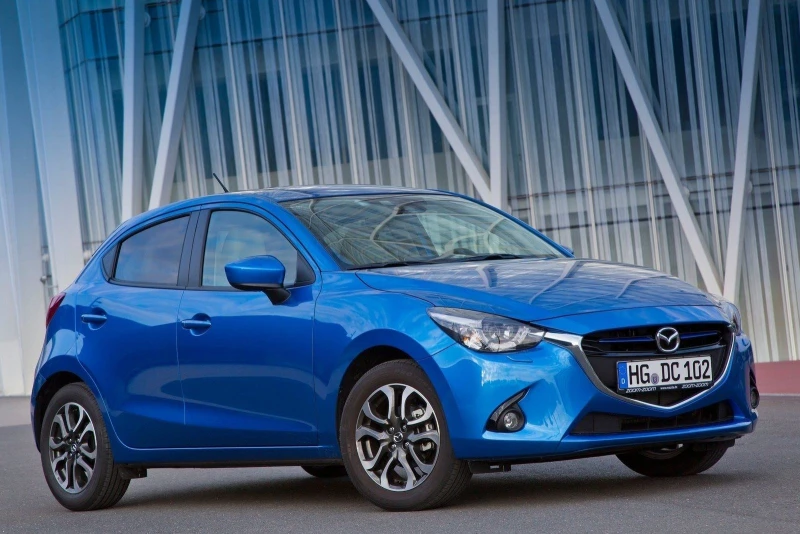
Vehicles from 2016–2018 with 50,000–87,000 miles are typically listed between $7,000 and $12,000 depending on trim and condition, and many buyers see them as a more engaging alternative to mainstream economy cars. For the full generational overview, technical specifications, and interior details, see our other articles in the series. That said, it’s important to understand how the model performs in real US conditions — from salted winter roads in northern and midwestern states to heavy stop-and-go traffic in major cities and long highway runs on the Interstate system.
Body and Paint Durability on US Roads and in Different Climates
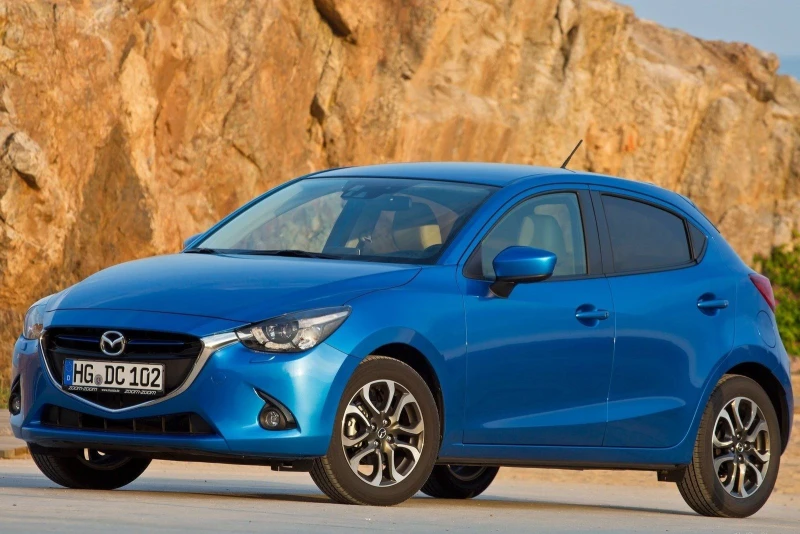
The factory paint finish on the Mazda 2 DJ is relatively thin, especially on the hood, front fenders, and lower sections of the doors. Stone chips from highway debris and city driving appear early, often within the first 12,000–25,000 miles. In the Rust Belt and northern states where road salt is used heavily each winter, these chips can develop into surface corrosion on rocker panels, wheel arches, and lower door edges. Rear wheel arches and the areas under the sills are the spots that deserve extra attention once mileage exceeds 43,000–62,000 miles. Many owners add professional rustproofing and paint protection film after purchase to preserve the body, though this adds to the initial cost of ownership.
Skyactiv Engines and Real-World Fuel Economy
The 1.5-liter Skyactiv-G gasoline engines are generally reliable, but real-world fuel economy in everyday American driving is often lower than official figures. Owners of the 90-hp version report 24–28 MPG in city traffic with frequent stops and cold starts, while highway cruising delivers 32–38 MPG. The 115-hp variant returns similar numbers but uses more fuel when driven hard. These direct-injection engines are sensitive to fuel quality; carbon deposits can form on the intake valves with mostly short trips or regular use of non-Top Tier gasoline, eventually affecting performance and efficiency. The Skyactiv-Drive automatic transmission shifts smoothly when new, but it requires fluid changes every 30,000–60,000 miles — otherwise rough or delayed shifts tend to appear over time.
Suspension and Chassis on Real US Roads
The firm yet compliant suspension handles most city bumps and broken pavement well, but wear items age faster on rough interstates and streets full of potholes. Front control arm bushings, stabilizer bar links, and sway bar bushings commonly need attention between 30,000 and 50,000 miles. On higher-mileage examples past 62,000 miles, shock absorbers and wheel bearings are frequently replaced. These repairs are not especially expensive on their own, but their frequency should be factored into long-term ownership budgeting.
Interior, Noise Insulation, and Infotainment in Daily Driving
Sound insulation is average for the class: above 65 mph, tire roar and road noise from the wheel arches become noticeable, especially with aggressive-tread tires. Cabin materials are practical and hold up for daily use, though after 50,000–62,000 miles the seat fabric can show wear and hard plastics may develop minor squeaks in extreme cold or heat. Early MZD Connect systems (2014–2016) sometimes felt sluggish, while post-2017 updates brought noticeably smoother performance. Rear visibility is limited by a relatively high beltline, so the backup camera in higher trims proves genuinely useful in tight parking situations.
What to Check When Buying and Which Issues Are Worth Fixing
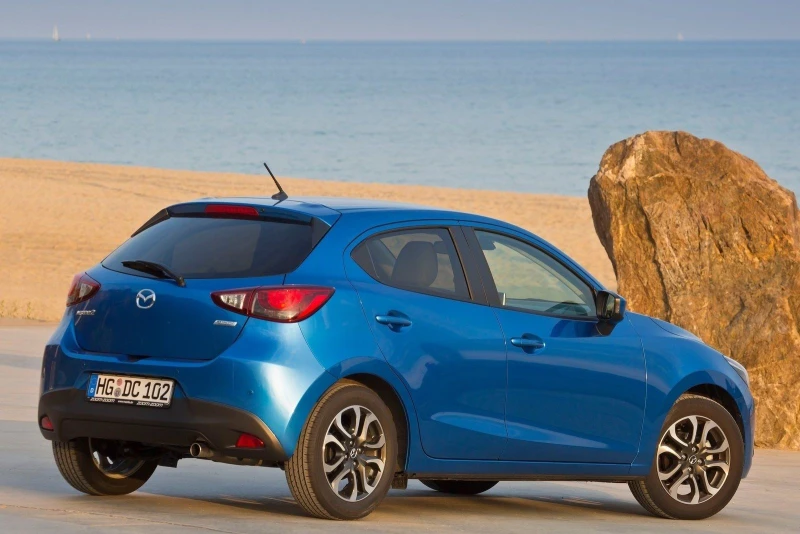
When shopping on the US used market, prioritize vehicles with a clean Carfax or AutoCheck report and complete service records from a Mazda dealer or trusted independent shop. A thorough pre-purchase inspection should cover the catalytic converter, suspension components, body and underbody for rust (especially critical in salt-belt states), and transmission shift quality. Examples with one or two previous owners and consistent maintenance history generally present better than those with multiple owners, unclear service records, or accident history.
Most of the issues mentioned are manageable and do not require major repairs. Adding undercoating, refreshing suspension bushings and links, and addressing carbon buildup fall within normal maintenance budgets for a car of this age. Minor oil consumption at higher mileage or occasional plastic creaks are normal for the model and rarely demand immediate action, but they help indicate how well previous owners cared for the vehicle.
In the end, the Mazda 2 IV (DJ) remains a smart used buy on the American market when approached with realistic expectations. Post-facelift 2017–2019 models are the ones to target — they resolved many early quirks and feel better suited to US driving demands. The single most important step is investing in a quality pre-purchase inspection and staying on top of routine maintenance afterward. Do that, and the car will deliver sharp handling, decent efficiency, and reliable service for many miles without unpleasant surprises.