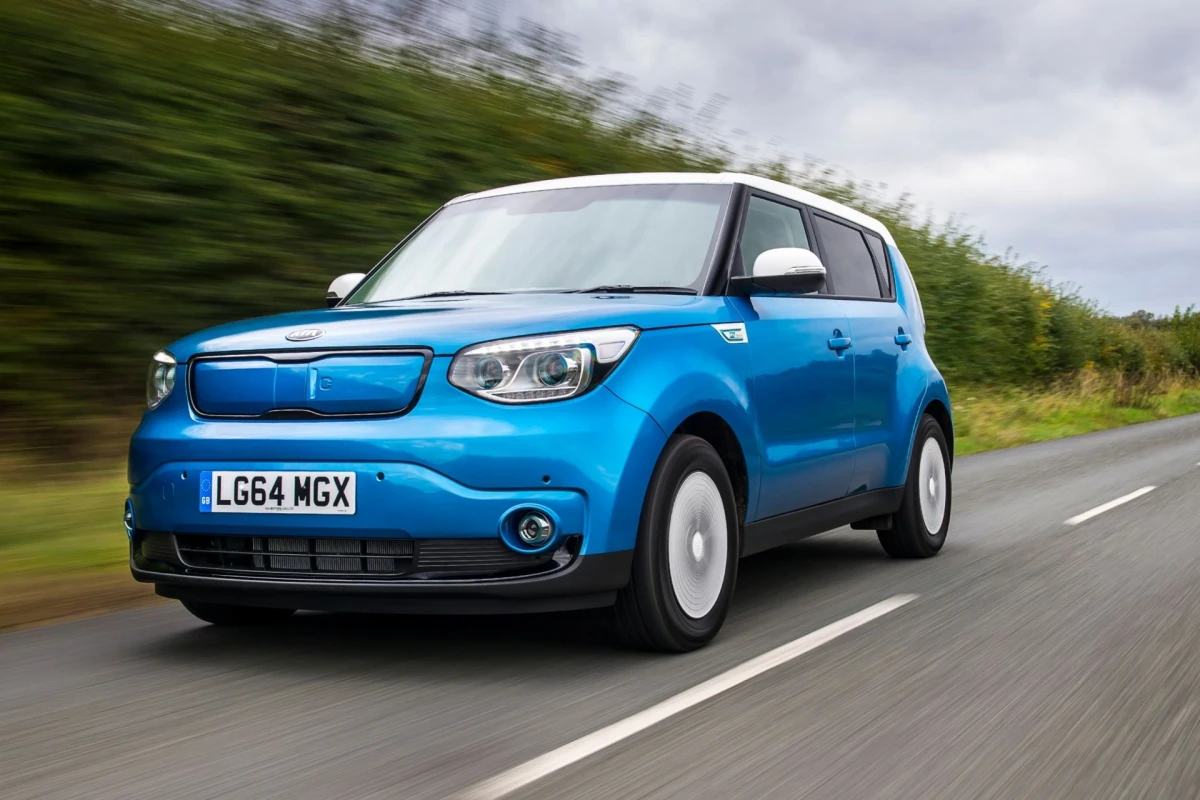



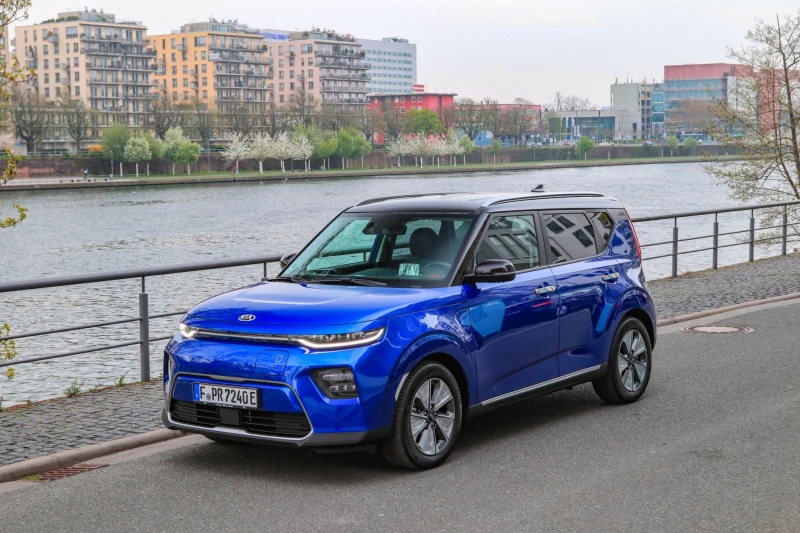
Used examples from the 2021–2023 model years with 20,000–60,000 miles are typically offered in the $15,000–$24,000 range on the US market today, and many buyers see them as a modern urban crossover with unconventional styling. For a complete overview of the generation, technical specifications, and interior design, check out the other articles in our series. At the same time, it's important to understand how the model behaves in real American driving conditions — with road salt used in many northern states during winter, varying fuel quality across regions, and a combination of intense city commuting and highway miles.
Body and Paint Durability in US Climates and Road Conditions
The paint on the Soul III is relatively thin, particularly on the hood, front fenders, and lower door sections. On interstate highways and city streets, stone chips from road debris can start appearing after just the first 15,000–25,000 miles. In northern and midwestern states where road salt is applied aggressively in winter, this frequently progresses to surface corrosion on the rocker panels, wheel arches, and lower door edges. The rear wheel wells and areas under the sills are spots that often warrant closer inspection by 40,000–60,000 miles. Many owners address this proactively with additional undercoating or rustproofing treatments and paint protection film (PPF), which helps preserve the body longer — though it does add to the overall cost of preparing the vehicle.
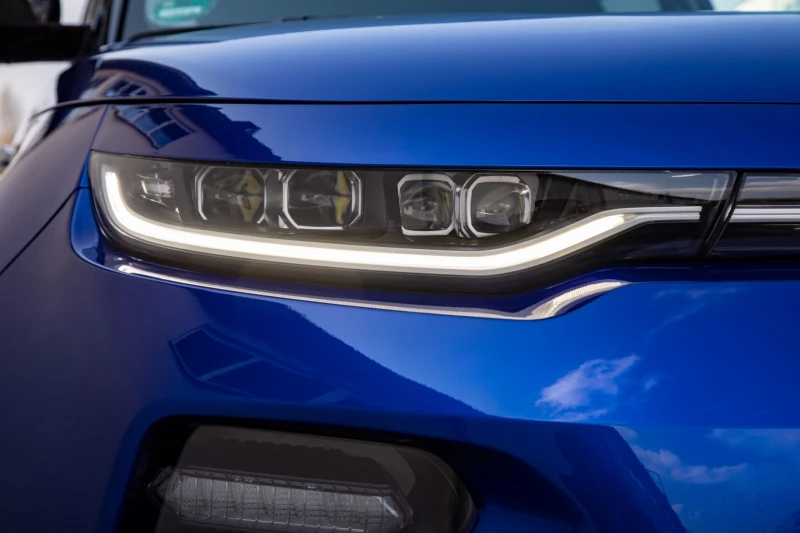
GDI Engines and Real-World Fuel Economy
The 1.6 GDI and 2.0 MPI gasoline engines generally prove reliable, but real-world fuel economy in US conditions often falls short of EPA estimates, especially with frequent short trips and cold starts. For the 1.6-liter version in city driving with traffic and warm-up cycles, owners commonly report 24–29 MPG; on the highway, 30–35 MPG is achievable. The 2.0-liter variant typically returns 22–26 MPG in mixed driving. Direct-injection engines are sensitive to fuel quality — carbon deposits can accumulate on the intake valves over time if lower-quality gasoline is used regularly or if the car is mostly driven on short trips. The automatic transmission shifts smoothly when properly maintained, but it requires timely fluid changes; otherwise, hesitation or jerky shifts may develop.
Suspension and Chassis on US Roads
The energy-absorbing suspension does a good job soaking up potholes and uneven pavement, but on rough city streets and secondary roads common in many parts of the country, wear items degrade more quickly. Stabilizer links, front control arm bushings, and outer tie rod ends are the components most often replaced after 25,000–45,000 miles. On examples exceeding 60,000 miles, it’s common to need new shock absorbers and wheel bearings as well. While these repairs are not among the most expensive, their frequency should be budgeted for when calculating long-term ownership costs.
Interior, Noise Insulation, and Infotainment in Daily Driving
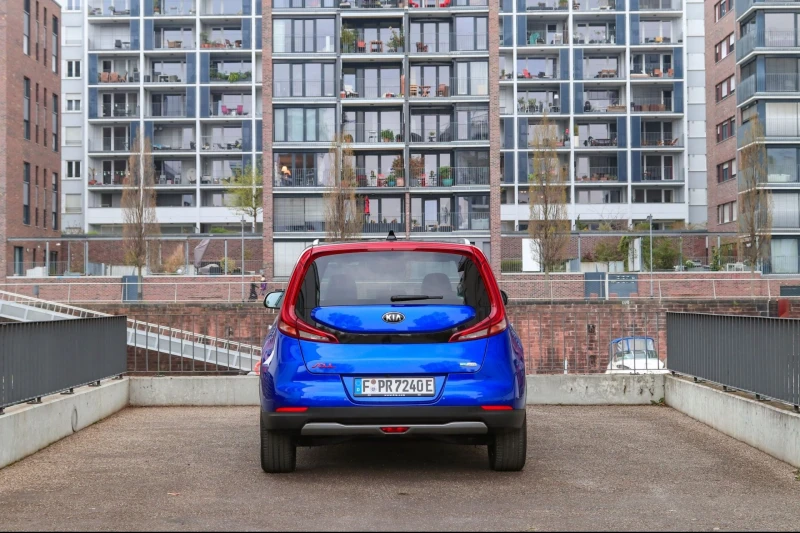
Sound insulation in the third generation is noticeably improved over earlier Souls, yet at highway speeds above 65 mph, tire and road noise from the wheel arches still becomes prominent in the cabin — particularly if the vehicle is fitted with tires that have aggressive tread patterns. The interior materials are practical and hard-wearing, but after 45,000–60,000 miles the seat fabric can begin to show wear, and the harder plastics may develop minor creaks in extreme heat or cold. The infotainment system in early 2019–2021 builds occasionally suffered from lag or slow response; the 2022 facelift brought significant improvements in stability and speed. Rear visibility is somewhat limited by the high beltline, which is why the backup camera and parking sensors fitted to most trims are genuinely appreciated by owners.
What to Consider When Buying and Which Issues Can Be Addressed
When shopping for a used Soul III on the US market, prioritize examples with a clean vehicle history report (Carfax or AutoCheck) and detailed service records. A pre-purchase inspection by an independent shop should cover the catalytic converter, suspension components, body rust (especially important if the car has lived in a salt-belt state), and transmission behavior. US-registered vehicles with one or two previous owners generally have better-documented histories than those with unclear import records or rebuilt titles. The electric Soul EV variant requires additional diagnostics focused on high-voltage battery condition and overall EV system health.
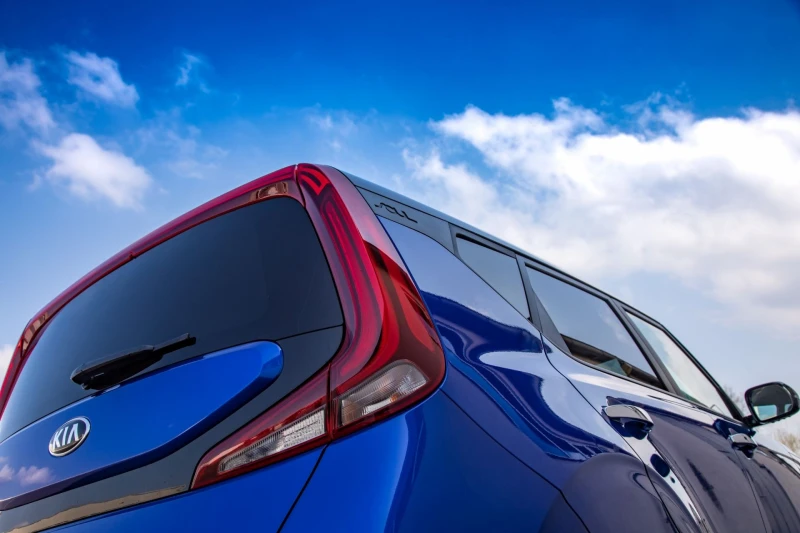
Most of the issues discussed here are not deal-breakers and can be resolved without excessive expense. Professional rustproofing, suspension refreshes, and routine GDI maintenance typically fall within reasonable budgets and vary depending on the individual vehicle’s condition and history. Normal age-related items for this generation — such as minor oil consumption at higher mileages or occasional plastic squeaks — don’t demand immediate fixes but do provide insight into how well the car was cared for previously.
In summary, the Kia Soul III (SK3) remains a practical and characterful choice on the US used market when buyers approach the purchase with realistic expectations and thorough due diligence. Post-facelift 2022 and newer examples have resolved many of the early-model quirks and are generally better suited to American driving patterns. The most important step is never to skip a quality pre-purchase inspection and to stay consistent with recommended maintenance afterward. Handled properly, the Soul III can deliver dependable service without major ownership surprises.