Even manufacturers of premium models are forced to adapt their powertrain lineups to new market requirements. However, buyer interest in large gasoline engines remains strong, particularly in the executive car category.
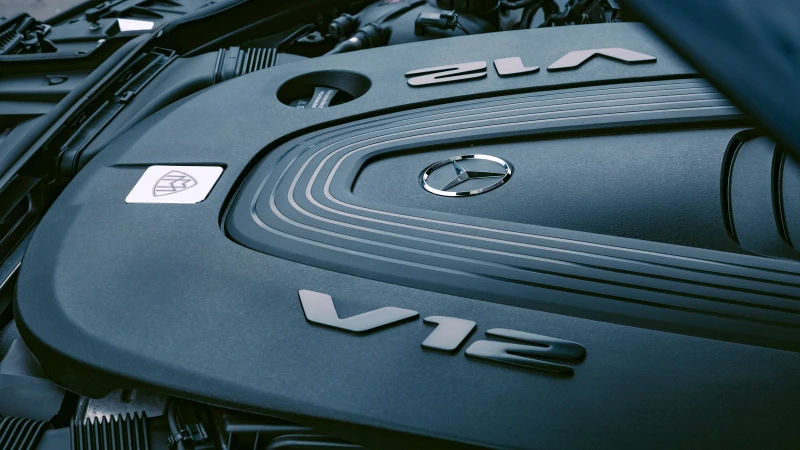
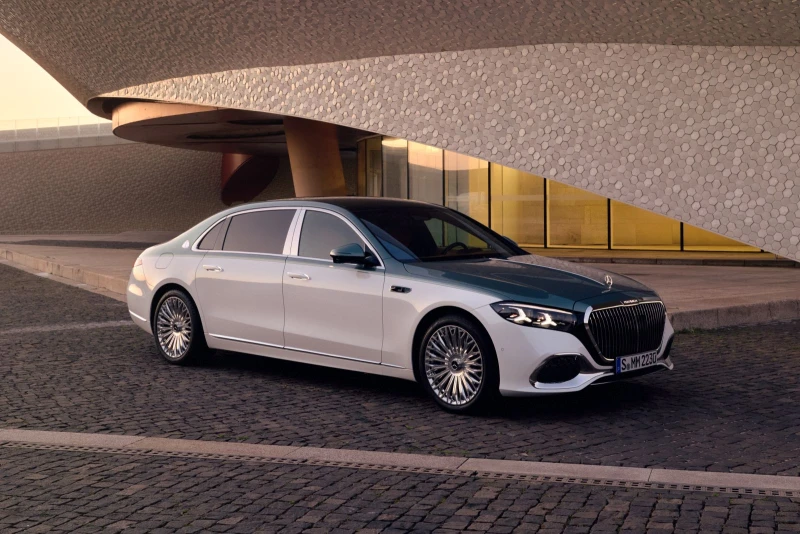
Maybach management has recently confirmed that the company does not plan to completely abandon V12 engines. The statement came shortly after such engines disappeared from the European version of the brand’s flagship sedan.
Why the V12 Disappeared from Europe
Following the update of the Mercedes-Benz S-Class, the European version of the Maybach S680 lost its six-liter V12 engine. In its place, the manufacturer offered a hybrid powertrain based on a four-liter V8. Power output remained virtually the same at around 612 horsepower.
The primary reason for the changes was environmental requirements and the tightening of European emissions standards. It is becoming increasingly difficult for manufacturers to adapt large multi-liter engines to modern regulations without a significant increase in development costs.
At the same time, the situation differs in other regions. In the United States, the Middle East, and certain Asian markets, Maybach continues to offer vehicles with twelve-cylinder engines. These are the markets where demand for such versions remains high.
Characteristics of the Maybach Audience
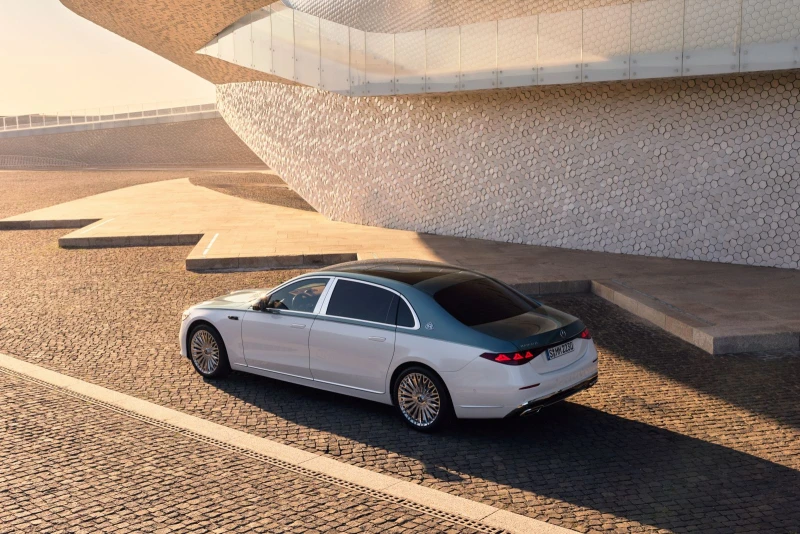
Brand representatives note that buyers of V12-powered cars form a distinct customer category. For many of them, the engine is not merely a technical specification but an important element of the vehicle’s status.
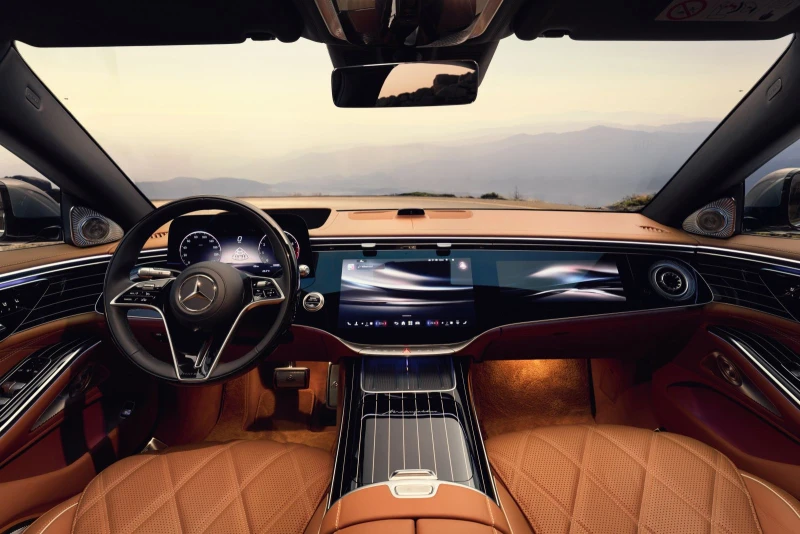
In the premium segment, the V12 has traditionally been associated with maximum comfort, exceptional smoothness, and a high level of prestige. Such engines have been used for decades in the most exclusive sedans and limousines.
According to Maybach management, owners of these vehicles are difficult to attract even with modern V8 engines, despite their high power and hybrid technology. For part of this audience, the number of cylinders remains one of the key factors when choosing a car.
The Role of the V12 in Luxury Automotive History
V12 engines have long been regarded as the pinnacle of engineering in the automotive industry. They have powered executive models from Mercedes-Benz, BMW, Rolls-Royce, Ferrari, and other manufacturers.
The main advantages of such power units are:
- minimal vibration levels;
- exceptionally smooth operation at any engine speed;
- substantial torque reserves;
- prestigious status in the premium segment.
However, modern environmental requirements are gradually reducing the presence of these engines on the market. Many manufacturers have already fully discontinued V12s or significantly limited their production.
How the Luxury Car Market is Evolving
Even in the luxury segment, manufacturers are increasingly opting for hybrid technologies and electrification. This is driven not only by regulatory requirements but also by the need to lower average emissions across their model ranges.
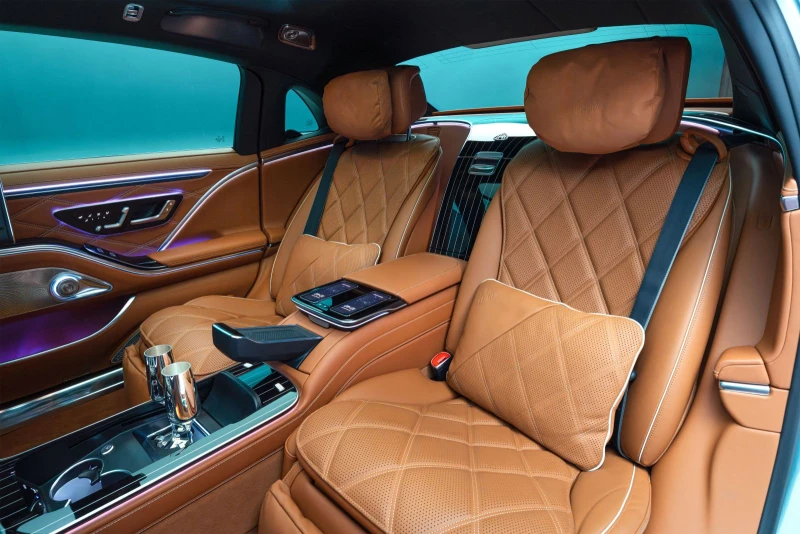
At the same time, demand for traditional large-displacement gasoline engines has not completely disappeared. In certain markets, buyers continue to prefer conventional powertrains, especially in high-end executive vehicles.
This is precisely why Maybach is retaining the V12 in select countries, despite the reduced availability of such versions in Europe.
Conclusion
The situation surrounding V12 engines illustrates how the modern automotive market is transforming under the influence of environmental regulations and new technologies. Manufacturers are gradually reducing the use of large gasoline engines, yet interest in them persists in the luxury segment.
Maybach continues to regard the V12 as an important part of the brand’s image, although the availability of such vehicles now depends on the specific market and local emissions requirements.