One of the key issues remains charging time, which differs significantly from the familiar process of refueling with fuel. A recent study has shown that prolonged stops during charging can influence driver behavior and even create additional risks to health and safety.
Limitations of Current Technology
Modern electric vehicle batteries have significant mass and volume, yet their energy density still lags behind traditional fuels. As a result, even with powerful charging stations, the energy replenishment process takes considerably longer than filling up with gasoline or diesel.
Theoretical claims of ultra-fast charging often do not reflect real-world practice. Limitations are imposed by both the infrastructure and the batteries themselves, which cannot sustain maximum power levels for extended periods. Consequently, drivers must account for regular and lengthy stops during trips.
Assessment of Infrastructure and Driver Expectations
A study conducted among drivers in Germany showed that attitudes toward charging infrastructure remain mixed. Most owners of internal combustion engine vehicles rate it as insufficient, while satisfaction levels among electric vehicle users are also not particularly high.
Expectations regarding service time also differ. Drivers of traditional cars are rarely willing to spend more than 10 minutes refueling, while EV owners consider up to 20 minutes acceptable, although in practice it is often significantly longer.
How Drivers Spend Charging Time
Long stops during charging create specific behavioral habits. According to the study, most drivers try to occupy themselves with various activities, which are not always related to rest or recovery.
- About 51% of drivers eat more frequently while waiting
- Roughly 31% use the time for shopping
- About 26% prefer to rest or sleep in the car
- Only 6% engage in physical activity
Such habits can have consequences. Frequent consumption of calorie-dense food is linked to health risks, while sleeping in the car or fatigue after waiting can affect concentration during subsequent driving.
Additional Challenges
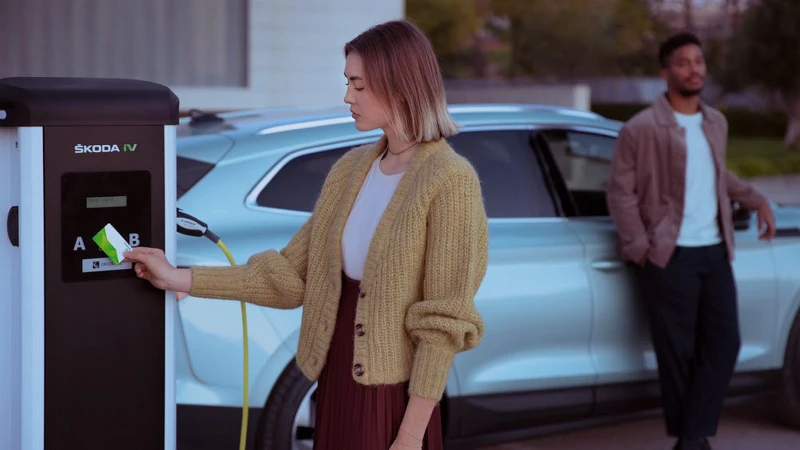
In addition to waiting time, drivers face other difficulties. Among them are opaque pricing and complicated payment methods. In some cases, using a charging station requires app registration or a subscription, which complicates the process.
Limited availability of simple payment options, such as bank cards, remains one of the factors affecting overall perception of the infrastructure.
Conclusions
Extended charging times for electric vehicles affect not only travel convenience but also driver behavior. The study shows that the need to wait creates new habits that may impact health and safety. As technology and infrastructure develop, these aspects remain important in evaluating the effectiveness of the transition to electric transportation.