Manufacturers are focusing on environmental benefits, low maintenance costs, and advanced technology. However, operating these vehicles in cold weather continues to raise questions, especially in countries with severe winters and long distances between cities.
Recent research by the American Automobile Association (AAA) has shown that low temperatures significantly reduce the efficiency of electric vehicles and increase costs for owners. Practical tests confirmed that in winter the stated range often falls far short of real-world figures.
The Winter Range Challenge
One of the main difficulties for electric vehicle owners is battery performance in cold weather. Lithium-ion batteries are sensitive to ambient temperature, and efficiency drops in freezing conditions. As a result, the vehicle consumes more energy not only for propulsion but also for cabin heating and battery temperature maintenance.
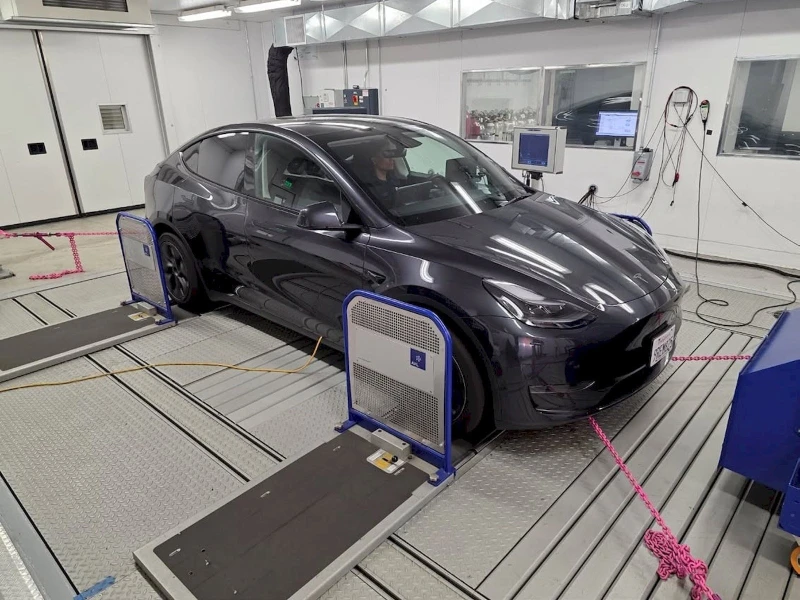
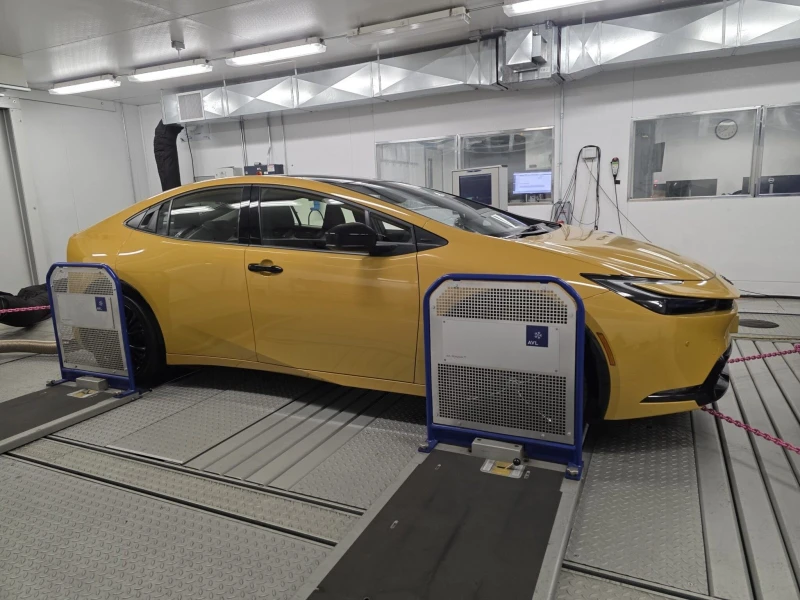
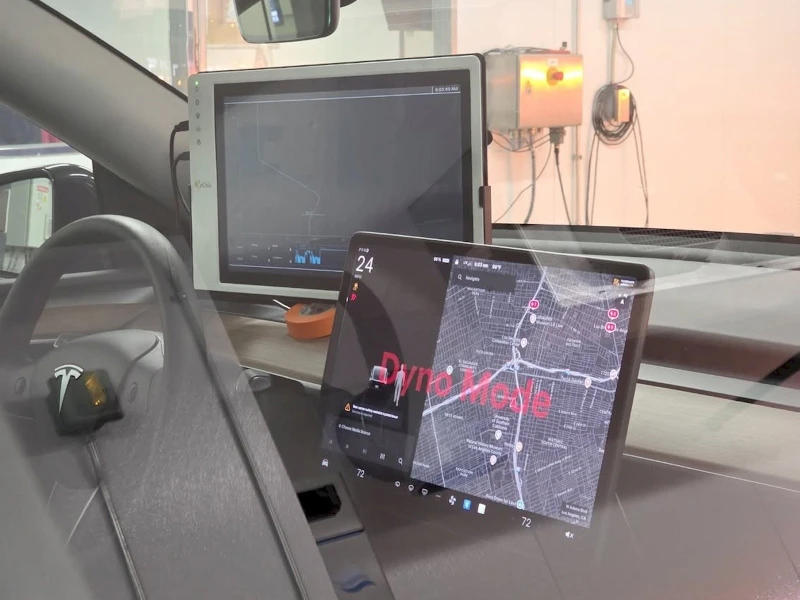
In the AAA study, several hybrid and fully electric vehicles were tested. The cars were evaluated at moderate temperatures around 24 degrees and in cold conditions of approximately minus 7 degrees.
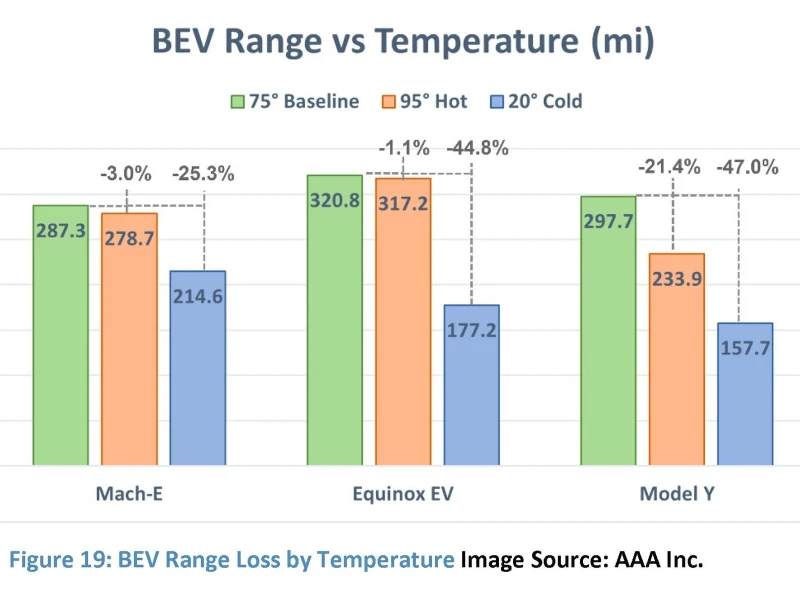
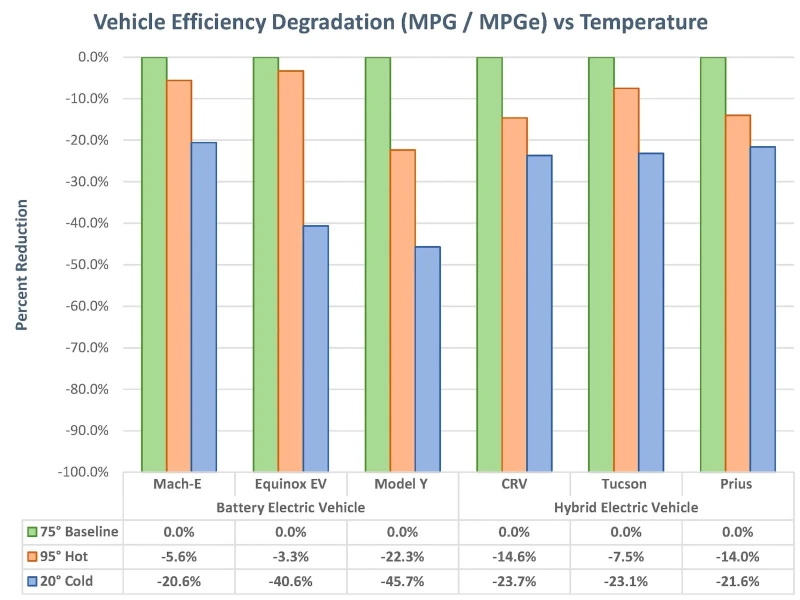
The results showed that energy consumption for electric vehicles in winter increases by more than a third. Range is reduced by approximately 39 percent. For owners, this means more frequent charging is required, especially on long trips.
Why Official Figures Differ from Reality
Manufacturers often provide figures obtained in laboratory test cycles. These tests are conducted under nearly ideal conditions: stable temperature, moderate speeds, and no additional loads. Real-world operation is different.
The difference is particularly noticeable in winter. For example, an electric vehicle promised around 480 kilometers of range on a single charge may only achieve about 220 kilometers in freezing conditions. In severe cold, this figure can drop even further.
An additional challenge is charging time. Even modern fast-charging stations require significant stops, and in winter the charging speed may decrease due to battery temperature.
Increased Operating Costs
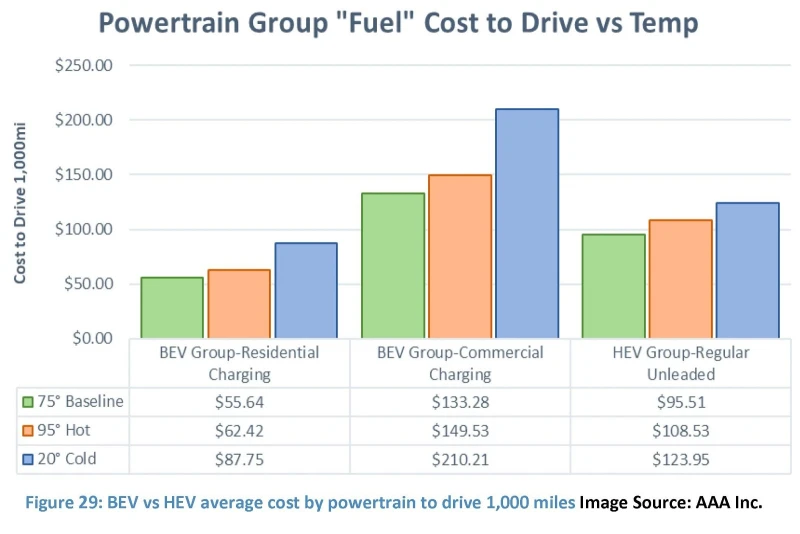
Electric vehicle owners' costs rise in winter not only due to more frequent charging. With home chargers, the increase is moderate, but regular use of fast-charging stations makes expenses noticeably higher.
According to AAA data, driving approximately 1,600 kilometers in winter can cost owners dozens of dollars more in electricity compared to comfortable temperatures. This is especially evident in areas where fast-charging rates are already high.
Hybrid vehicles also consume more energy under similar conditions, but their efficiency loss is noticeably smaller. The presence of a gasoline engine makes them more versatile for long trips and low temperatures.
Are Electric Vehicles Suitable for Long Trips?
In urban environments, electric vehicles remain a convenient option, particularly with access to home or workplace charging. However, winter long-distance travel requires careful planning.
During trips, drivers need to account for:
- real range at low temperatures;
- location of charging stations;
- time required for charging;
- the effect of cabin heating on energy consumption.
The situation is particularly challenging in mountainous regions, where colder temperatures and elevation changes place additional demands on the battery.
Conclusions
Modern electric vehicles continue to evolve, yet winter operation remains a significant challenge. Cold weather substantially reduces range, increases energy consumption, and raises the cost of travel.
For city driving they can be a practical choice, but for regular long-distance journeys in winter, owners must consider limitations that even the latest models have not yet fully overcome.