


New CO₂ emission norms and other pollution standards are making traditional powertrains increasingly unviable, while hydrogen fuel cell projects are gradually fading away. As a result, battery electric vehicles are becoming the primary direction for segment development.
Regulatory Pressure and Its Consequences
For new passenger cars in Switzerland, the emission limit is set at 93.6 grams of CO₂ per kilometer, and for light commercial models starting from 2025, the limit is 153.9 grams per kilometer. Exceeding these values threatens importers with significant fines. An additional factor will be the introduction of the Euro 7 standard, which for the first time regulates not only exhaust but also tire and brake wear.
Under such conditions, electrification becomes not an alternative but a necessity. This is why manufacturers are increasingly introducing battery-powered vans to the market, abandoning less promising technologies.
New Platforms Instead of Conversions
Previously, most electric vans were adaptations of internal combustion engine models. However, dedicated electric platforms offer significant advantages: more usable space, better energy efficiency, and optimized weight distribution. In 2025–2026, such vehicles are beginning to enter the market.
Korea Sets the Pace
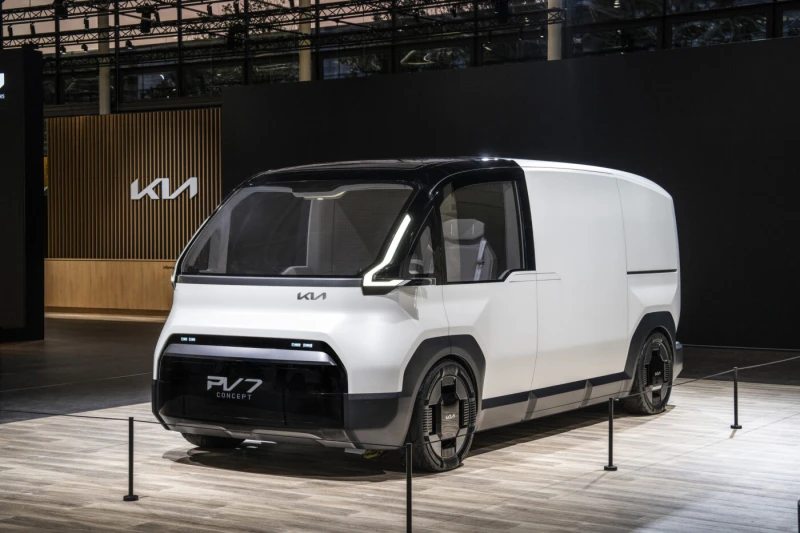
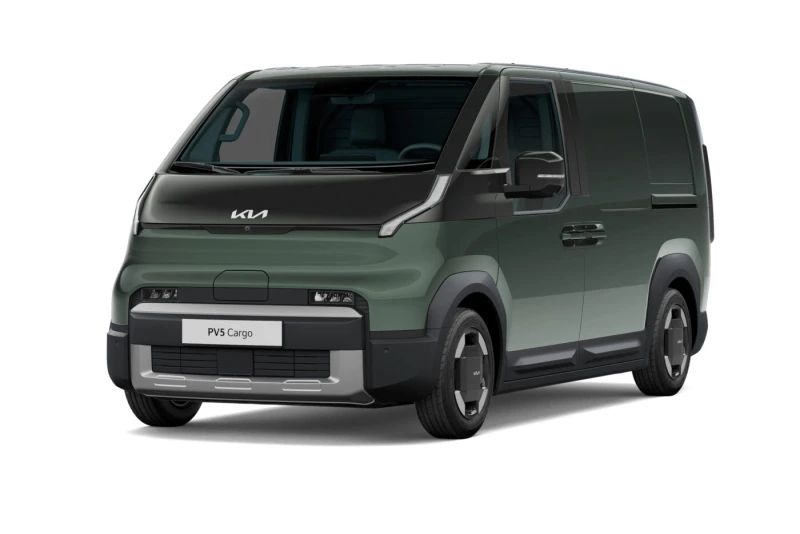
Kia was one of the first to launch a lineup of commercial electric vehicles on its own scalable platform. The PV5 model, measuring 4.7 meters in length, is offered in cargo and passenger versions. The cargo variant accommodates up to 4,400 liters of usable volume and is rated for a payload of up to 690 kilograms.
The PV5 offers batteries with capacities of 51.5 and 71.2 kilowatt-hours, providing a range of up to 291 and 416 kilometers, respectively. DC fast charging reaches 160 kilowatts. The starting price of the model is approximately 32,000 euros, with versions featuring the larger battery approaching 47,000 euros.
European and Chinese Competitors
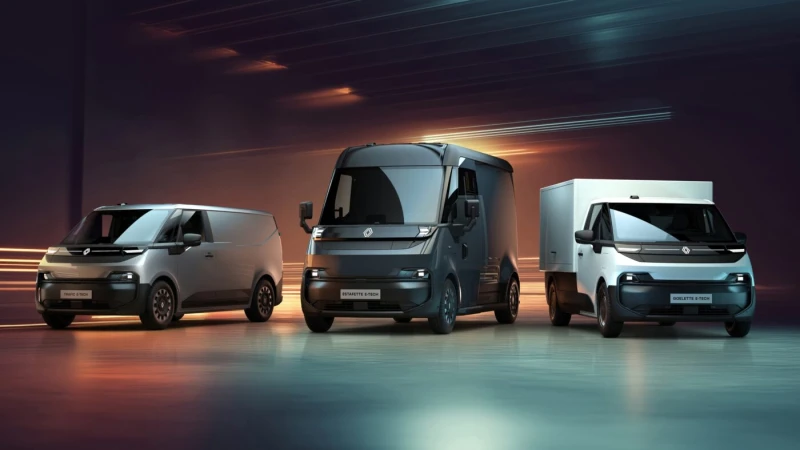
Renault is preparing a new generation of electric vans—Trafic, Estafette, and Goelette—on the software-oriented Ampere architecture. Meanwhile, pressure from Chinese manufacturers is intensifying. BYD is preparing the E-Vali model for Europe, designed to carry up to 18,000 liters of cargo and offering a range of up to 250 kilometers.
The Maxus brand already offers several electric vans, including the e-Deliver 5, which measures 4.8 meters in length. It accommodates up to 6,600 liters of cargo and can travel up to 335 kilometers in mixed cycle, or up to 489 kilometers in urban conditions.
The Fate of Hydrogen
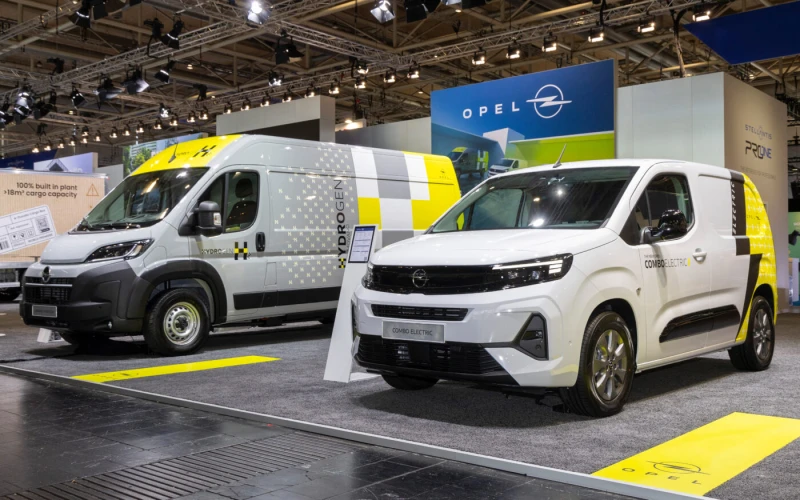
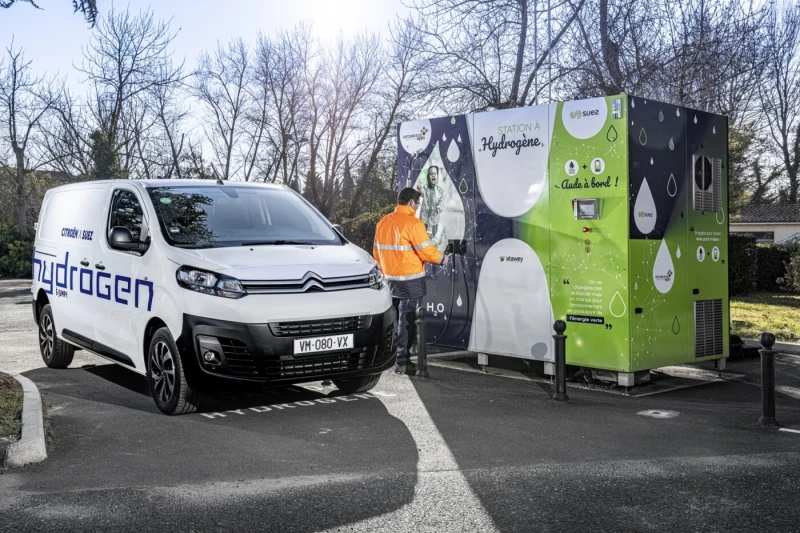
Despite interest in hydrogen technologies, major projects in the light commercial vehicle segment have been discontinued. The Stellantis group has ceased production of series fuel cell vans, focusing on battery solutions. This confirms the overall trend: hydrogen remains a niche option, primarily for heavy-duty transport.
Conclusion
The light commercial vehicle market has entered a phase of rapid electrification. New platforms, increasing competition, and advancements in battery technologies are forming a solid foundation for further segment expansion. In the coming years, battery vans will become the standard for urban and regional deliveries.