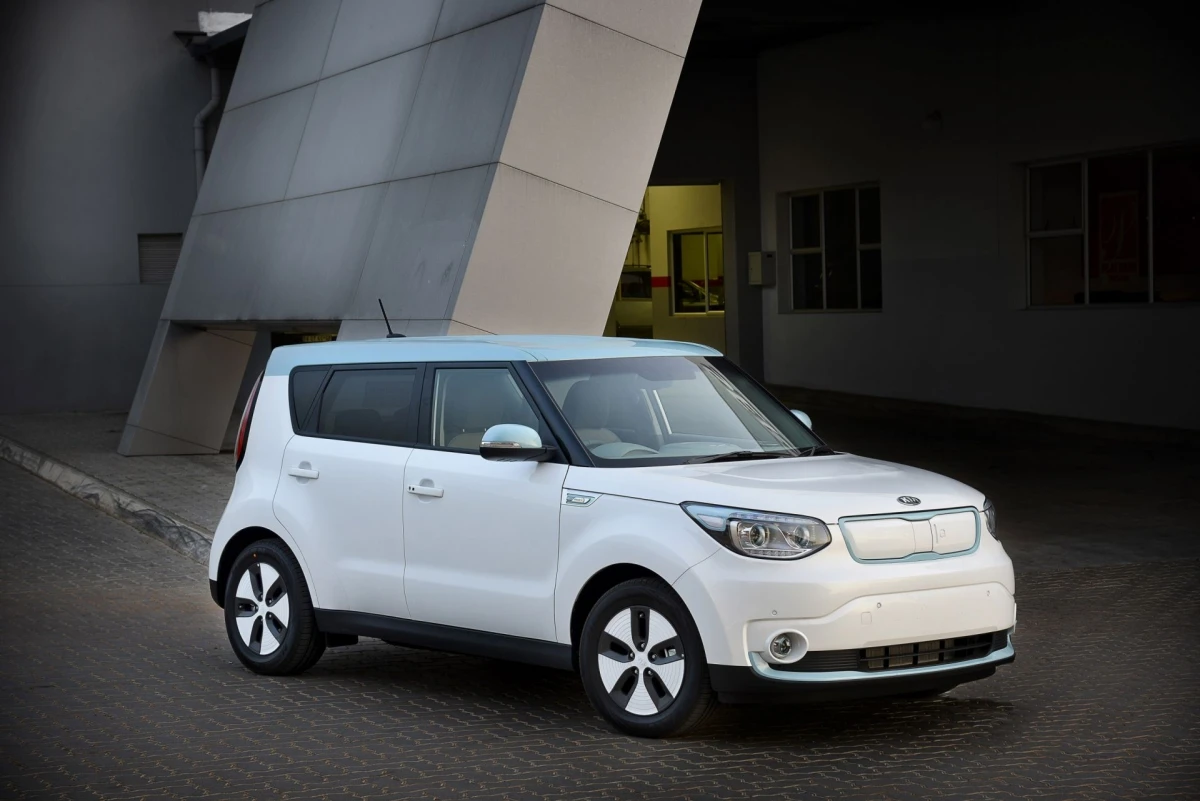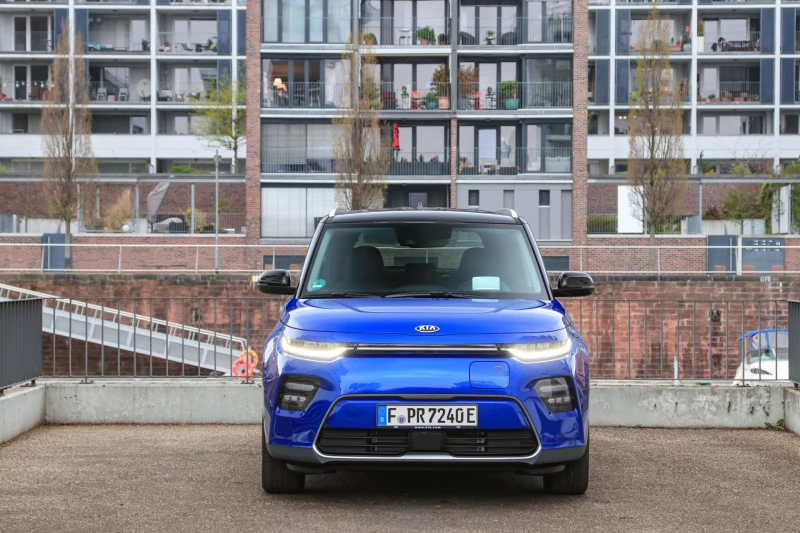
After its debut in 2019 and the meaningful 2022 facelift, the Soul III continues to be offered in multiple versions focused on real-world usability and reasonable ownership costs. Design, interior, and trim details are covered in other articles in this series. Here we concentrate on the engines, transmissions, dimensions, and the characteristics that actually influence daily driving and long-term ownership on US roads.
Powertrains: Lineup Built for American Driving
The engine range centers on efficient naturally aspirated gasoline units with direct injection, plus an electric version that continues to attract urban buyers. All-wheel drive was never offered — every variant is front-wheel drive, which suits the commuting and suburban patterns of most US owners. Gasoline models dominate: the 1.6 GDI remains the volume choice thanks to its responsive nature and solid efficiency. The 2.0-liter engine appears less often and is usually paired with higher trims. Diesel versions are not offered in the US market.
| Engine Type | Displacement, L | Power, hp | Transmission | Drivetrain |
| Gasoline Gamma 1.6 GDI | 1.6 | 130–132 | 6-speed Manual / 6-speed Automatic | Front-wheel drive |
| Gasoline Nu 2.0 MPI / GDI | 2.0 | 147–164 | 6-speed Automatic | Front-wheel drive |
| Electric Motor (EV Version) | — | 201 (combined) | Single-speed reduction gear | Front-wheel drive |
Direct-injection gasoline engines deliver strong low-end response and competitive efficiency. The 1.6 GDI is the most popular choice across the US: it runs happily on regular 87-octane unleaded and, with proper maintenance, routinely exceeds 150,000 miles. The electric version has been gaining steady traction in major metropolitan areas thanks to dramatically lower operating costs, convenient home charging, and eligibility for federal and state EV incentives.
Transmissions and Driving Experience
The six-speed manual offers crisp, confidence-inspiring shifts and excellent durability. The torque-converter automatic paired with the gasoline engines shifts smoothly and has proven reliable in real-world use. The EV’s single-speed reducer is simple and requires virtually no maintenance. For typical American driving — heavy city traffic mixed with highway miles — the automatic with the 1.6 GDI delivers the best combination of refinement and low ownership hassle.
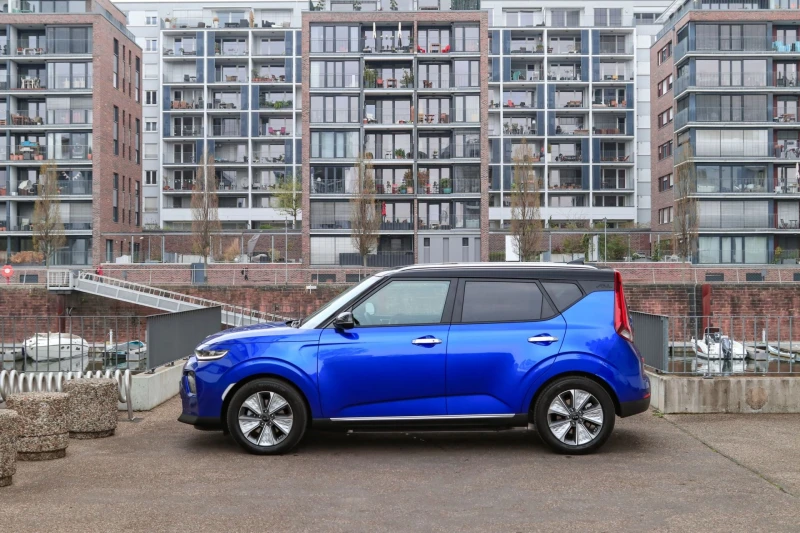
Dimensions and Weight: Practicality in Numbers
Built on an all-new platform, the Soul III grew in almost every dimension compared with its predecessor. The longer wheelbase translates into noticeably more rear legroom and cargo flexibility. Ground clearance of 5.9–6.3 inches (depending on wheels and tires) gives it a real advantage over lower hatchbacks when dealing with potholes, speed bumps, and occasional unpaved roads. The 2022 refresh left overall dimensions essentially unchanged.
| Parameter | Value | Notes |
| Length, in | 165.2 | Hatchback crossover |
| Width, in | 70.9 | Without mirrors |
| Height, in | 63.0–63.7 | Varies by trim and options |
| Wheelbase, in | 102.4 | Increased vs. previous generation |
| Curb Weight, lbs | 2,734–3,329 | Depends on powertrain and equipment (EV is heaviest) |
| Gross Vehicle Weight Rating, lbs | 3,748–4,233 | Maximum permissible |
| Ground Clearance, in | 5.9–6.3 | Useful for US roads and light trails |
The longer wheelbase and well-managed mass let the Soul III feel stable on the interstate while staying nimble in city traffic. The GVWR also supports light towing, a handy feature for owners who occasionally need to haul a small trailer for weekend trips or moving gear.
Mid-Cycle Updates and Current Configurations
Since its 2019 launch, the Soul SK3 received a 2022 facelift that freshened styling, added equipment, and refined engine calibrations to meet stricter emissions standards. The core powertrain lineup stayed the same — no major changes to engines or transmissions. All key configurations, including the electric model, remain available in the US, with the EV benefiting from an expanding charging network and continued federal and state purchase incentives.
For most US buyers the 1.6 GDI with automatic remains the sweet spot for daily driving, while the 2.0-liter appeals to those who log more highway miles. The electric version continues to grow in popularity in metro areas where charging access and total cost of ownership matter most.
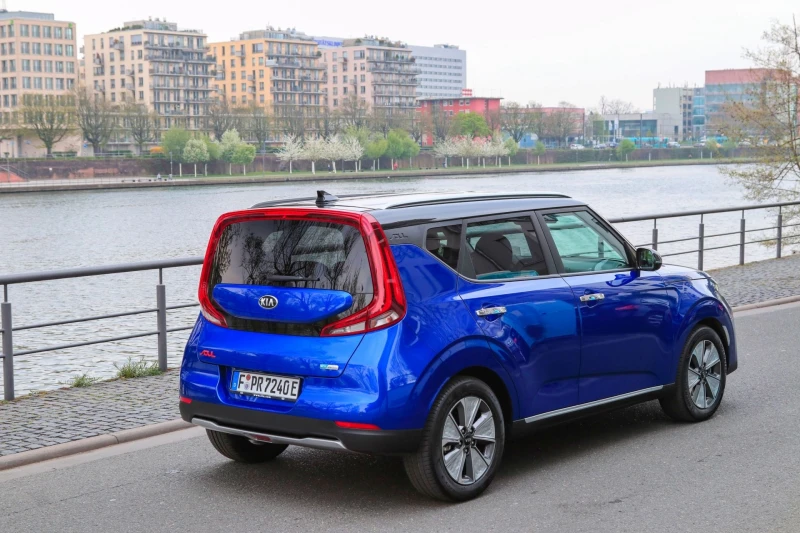
Real-World Operation and Owner Insights
Owner forums, long-term tests from US automotive publications, and aggregated data show the Soul III powertrains holding up well past 150,000 miles when basic maintenance is followed. The key is regular oil changes — typically every 6,000 to 8,000 miles with quality full-synthetic oil — and using reputable fuel. Real-world combined fuel economy for the 1.6 GDI generally falls in the 26–34 MPG range; the 2.0 MPI returns approximately 24–30 MPG depending on driving style, load, and conditions.
Both transmissions prove durable with timely fluid services. Parts — both OEM and high-quality aftermarket — are widely available through dealerships, RockAuto, and national retailers. The model’s mechanical simplicity contributes to strong repairability; these are not disposable powertrains, which helps maintain solid resale value in the used market.
Overall, the Kia Soul III (SK3) offers an excellent balance of efficiency, manageable running costs, straightforward maintenance, and everyday versatility tailored to American driving realities. As of 2026 the model remains relevant thanks to proven engineering that delivers sensible performance and low ownership drama for the majority of buyers.