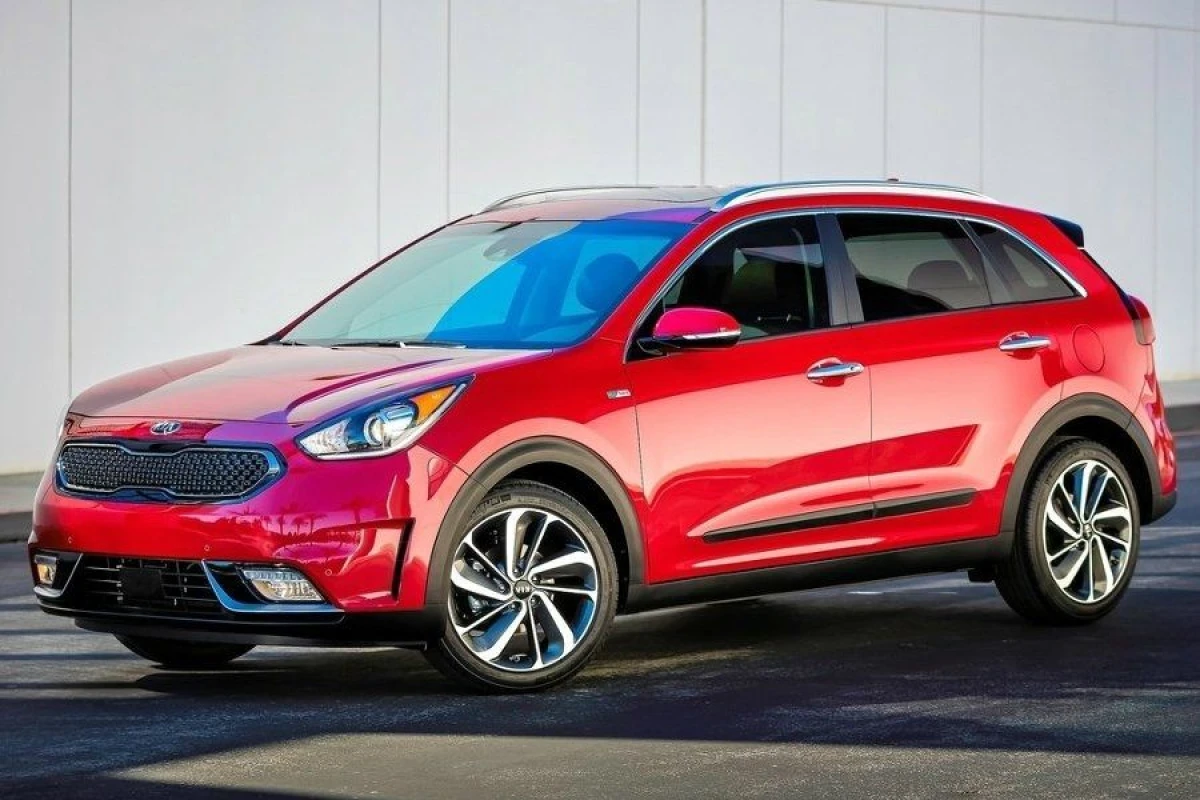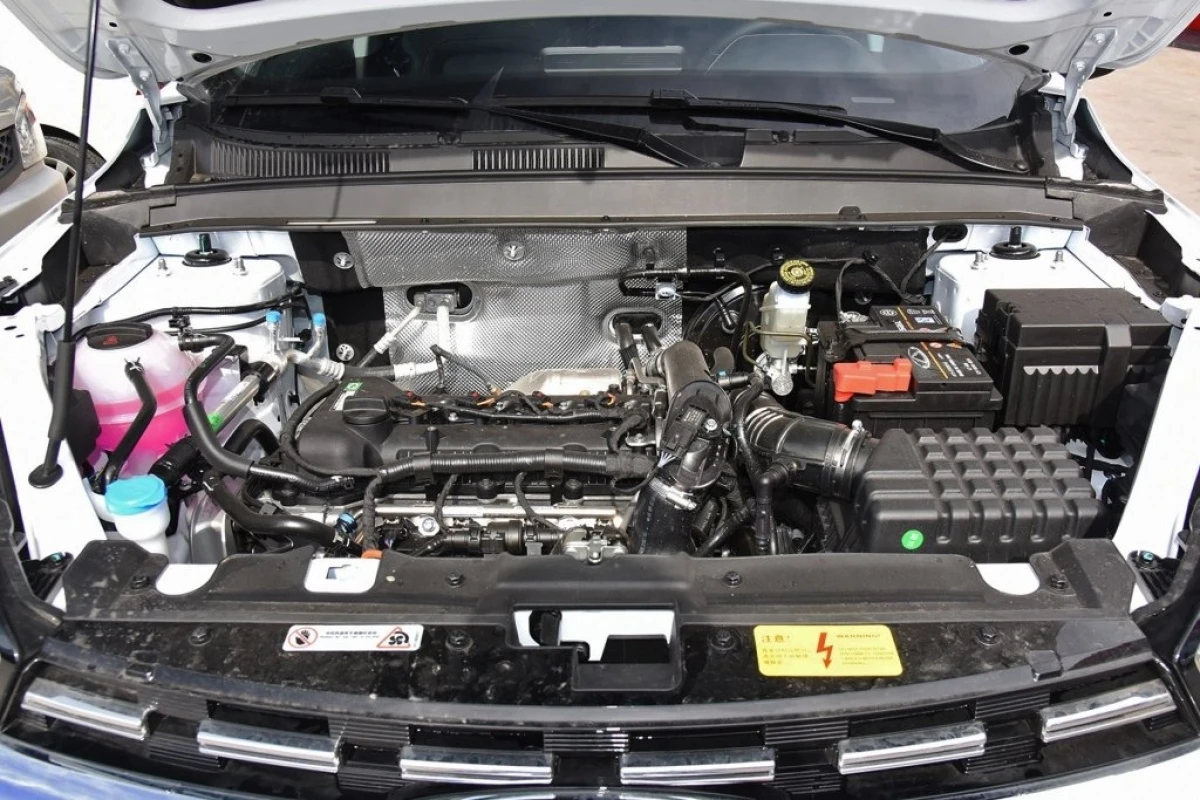



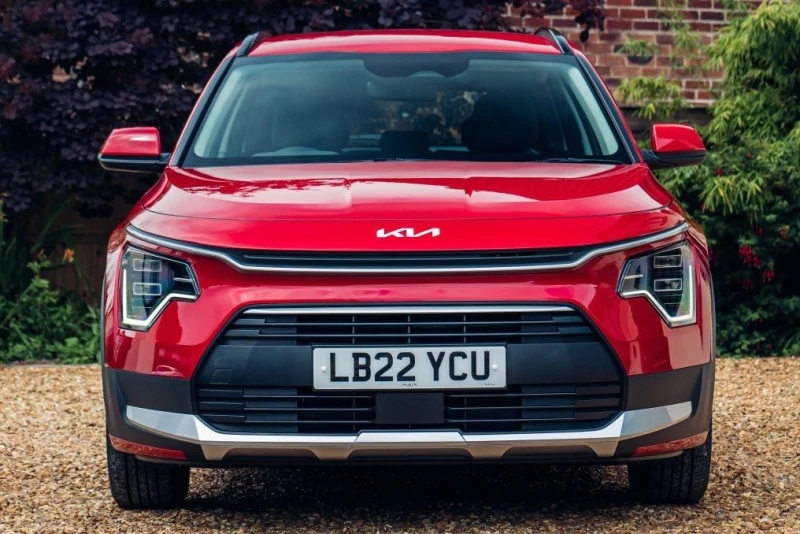
Diesel versions were never offered in the United States. The second-generation Niro arrived for the 2023 model year with hybrid (HEV), plug-in hybrid (PHEV), and battery-electric powertrains. The HEV and PHEV use a 1.6-liter GDI four-cylinder engine and a 6-speed dual-clutch automatic transmission, while the Niro EV uses a single-speed reduction gear. Every U.S.-market version is front-wheel drive; all-wheel drive has not been offered on the SG2 generation.
| Powertrain | Type / engine | Combined output | Combined torque | Transmission | Drive | U.S. model years | Notes |
|---|---|---|---|---|---|---|---|
| 1.6 GDI HEV | Hybrid / 1.6-liter four-cylinder | 139 hp | 195 lb-ft | 6-speed DCT | FWD | 2023–2026; refreshed 2027 model announced | The core U.S. Niro powertrain; EPA combined economy reaches 53 mpg on selected trims |
| 1.6 GDI PHEV | Plug-in hybrid / 1.6-liter four-cylinder | 180 hp | 195 lb-ft | 6-speed DCT | FWD | 2023–2025 | EPA-estimated 33 miles of electric range; no 2026 U.S. model was listed by Kia |
| Niro EV 64.8 kWh | Battery electric | 201 hp | 188 lb-ft | Single-speed reduction gear | FWD | 2023–2026 | EPA-estimated 253-mile range; not included in the announced 2027 U.S. lineup |
The 2026 Niro EV uses a 64.8-kWh battery and a J1772/CCS charging port. Kia lists an approximate 10–80% DC fast-charge time of 43 minutes when connected to an 85-kW-capable charger. The PHEV supports Level 1 and Level 2 AC charging but does not accept DC fast charging.
Dimensions and Weight
The SG2 Niro's basic footprint is shared across the powertrain range, although height, ground clearance, curb weight, and cargo capacity vary. The figures below use U.S. SAE measurements and representative specifications for the most recent applicable model years.
| Measurement | Specification | Notes |
|---|---|---|
| Overall length | 174.0 in. | Common to HEV, PHEV, and EV |
| Width, excluding mirrors | 71.9 in. | Published figures may be rounded to 71.8 in. |
| Height | 60.8–61.8 in. | HEV/PHEV: 60.8 in.; EV: 61.8 in. |
| Wheelbase | 107.1 in. | Common to all versions |
| Ground clearance | 5.9–6.3 in. | EV: 5.9 in.; HEV/PHEV: 6.3 in. |
| Curb weight | Approximately 3,071–3,803 lb. | HEV: 3,071–3,247 lb.; PHEV: roughly 3,336–3,497 lb.; EV: 3,721–3,803 lb. |
| Gross vehicle weight rating | 4,211–4,784 lb. | HEV: 4,211 lb.; PHEV: about 4,497 lb.; EV: 4,784 lb. |
| Cargo volume, rear seats up/down | 22.8/63.7 cu. ft. (HEV and EV); 19.4/54.6 cu. ft. (PHEV) | The PHEV battery packaging reduces cargo space |
Powertrain choice has a substantial effect on weight. Depending on trim, the Niro EV weighs roughly 475–730 lb. more than the HEV, while the PHEV sits between them.
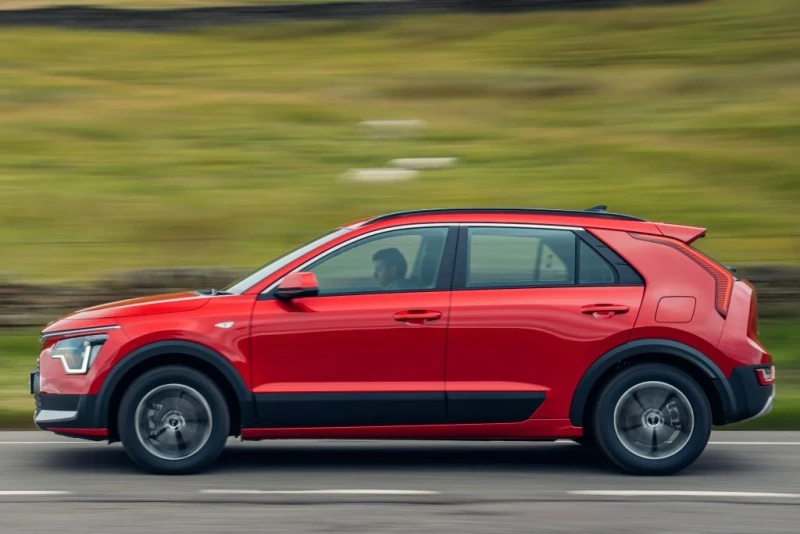
Model-Year Updates and Current Status
The second-generation Niro remains part of Kia's U.S. lineup, but the available powertrains have changed since its launch:
- 2023: The redesigned Niro launched in the United States as an HEV, PHEV, and EV. U.S. trim names included LX, EX, SX, and Touring variants for the hybrid, EX and SX Touring for the PHEV, and Wind and Wave for the EV.
- 2024–2025: The three-powertrain structure continued, with equipment, package, and color changes rather than major mechanical revisions. The 2025 model year was the last U.S. listing for the PHEV.
- 2026–2027: The 2026 lineup includes the HEV and Niro EV, while Kia did not list a 2026 PHEV. A refreshed 2027 U.S.-spec Niro has been announced with the 139-hp hybrid powertrain only.
That timing matters when shopping: the PHEV is now primarily a used or remaining-prior-model-year proposition, and the 2026 Niro EV is the final pre-refresh electric version. Buyers comparing new vehicles should confirm model-year inventory rather than assuming all three powertrains are still offered side by side.
Efficiency, Charging, and Ownership Considerations
U.S. examples have been on the road since the 2023 model year. The generation is still relatively young, so broad claims about long-term reliability should be treated cautiously. Service history, recall completion, warning lights, charging performance, and the condition of the hybrid or high-voltage system matter more than generalized reputation.
EPA ratings, rather than owner-reported figures from Autotrader, CarGurus, or Cars.com listings, provide the consistent basis for comparison:
- HEV — up to 53 mpg combined with 16-inch wheels; the SX Touring with 18-inch wheels is rated at 49 mpg combined
- PHEV — 33 miles of EPA-estimated electric range, 108 MPGe combined, and 48 mpg combined after the usable charge is depleted
- Niro EV — 253 miles of EPA-estimated range, 113 MPGe combined, and approximately 30 kWh/100 miles
Actual efficiency varies with speed, temperature, wheel size, HVAC use, traffic, and driving style. Maintenance for the 6-speed DCT, hybrid system, battery cooling system, and EV reduction gear should follow the applicable U.S. owner's manual rather than a generic mileage interval. Before buying a used PHEV or EV, obtain a high-voltage battery health assessment, verify that AC and DC charging work correctly where applicable, and review the vehicle's service and collision history. Battery replacement, power electronics, and charging-system repairs can be expensive outside warranty coverage.
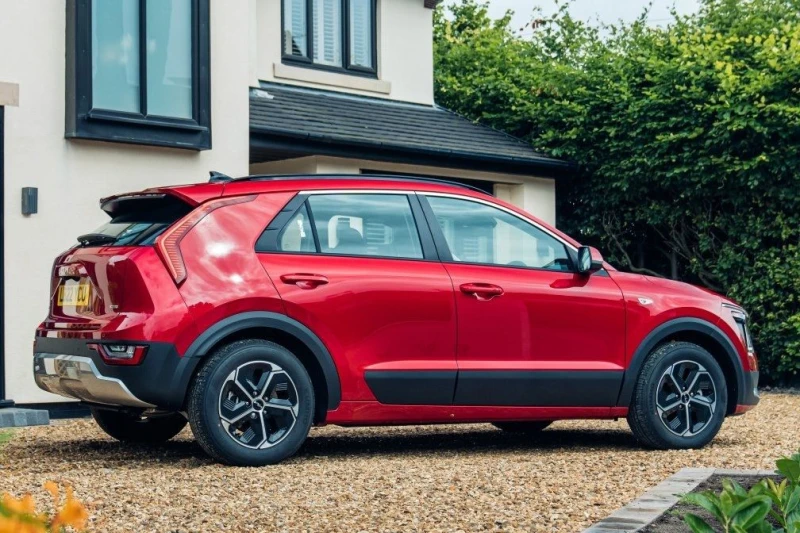
Bottom Line for U.S. Buyers
For most U.S. buyers, the 1.6 GDI HEV with the 6-speed DCT is the simplest all-around choice: it offers the widest model-year availability, strong EPA fuel economy, and no dependence on charging access. The Niro EV delivers the quickest response and 253 miles of EPA-rated range, but its relatively modest DC fast-charging speed makes home charging especially important. The PHEV can cover many short commutes on electricity, although it was last listed for the 2025 model year and is now more relevant to used-car shoppers.
On a used Niro, check the high-voltage battery state of health, verify charging operation, scan all control modules for stored faults, and inspect for collision repairs. The best version depends less on headline output than on daily mileage, access to reliable charging, and the availability of qualified service in the buyer's area.