


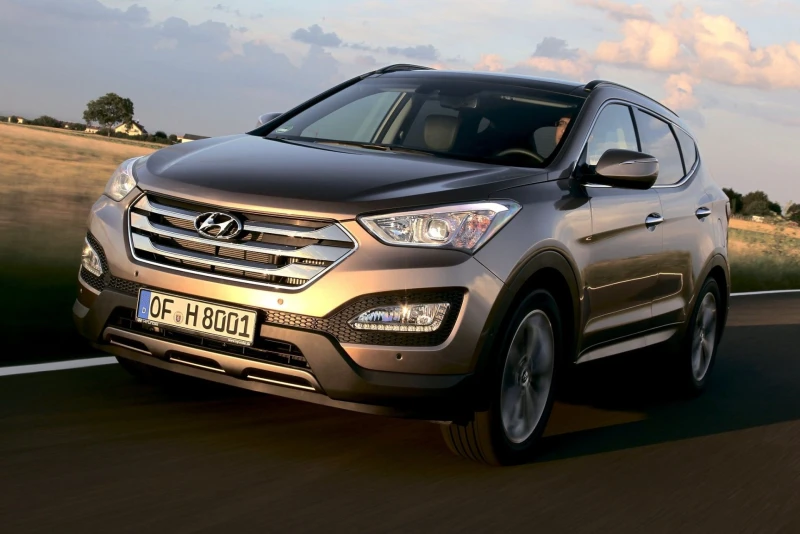
Like any used vehicle, though, the Hyundai Santa Fe III has its share of weak points that show up over time and miles. This guide covers the most common 2012–2018 Hyundai Santa Fe problems, technical quirks, and the critical areas to inspect when shopping for a used example. Insights are drawn from owner forums, mechanic reports, and US market data.
For a full overview of the generation, specs, and interior, check out our other articles in the series.
Main Drawbacks & Generation Highlights
Owners of the Santa Fe DM frequently mention several recurring characteristics that can affect daily driving. Fuel economy on the 2.4L gasoline engines (G4KE/G4KJ) typically runs 18–21 MPG city, which is on the higher side compared with some rivals — especially when the AWD system is engaged often. The 2.2L CRDi diesel (less common in the US but sometimes imported) achieves better efficiency, around 25–28 MPG combined, but demands high-quality fuel to avoid DPF clogging and EGR issues.
Pre-facelift infotainment (2012–2015) features smaller 5–7 inch screens with dated navigation that often needs updates. Owners report occasional Bluetooth glitches and nav freezes, though not widespread. Post-2015 facelift models added Apple CarPlay and Android Auto on higher trims, but compatibility with the newest phones can still be hit-or-miss.
Interior noise levels are average for the class: highway tire and wind noise become noticeable above 75 mph. Many owners improve this with aftermarket sound-deadening kits. Dashboard plastics are decently soft but scratch-prone, and leather seats in loaded models may show cracking over time, especially in hot/cold climate extremes.
Repairs can require dealer-level scan tools for the electronics and HTRAC AWD diagnostics. Parts pricing is reasonable — OEM components are readily available, while aftermarket options help keep costs down. Bigger-ticket items like a diesel turbo (~$1,200–$2,000) or transmission valve body can add up quickly if they fail.
Model Years & Versions — Red Flags to Watch
Early builds (2012–2014) tend to have more reports of issues. The 2.4L gasoline engine occasionally suffered cylinder scoring or bearing spin (not epidemic but documented), while the 2.2 CRDi diesel could develop turbo and EGR troubles if maintenance was neglected. AWD coupling failures sometimes caused rear-wheel drive to drop out.
Facelifted models (2015–2018) received meaningful updates: revised oil pump on the 2.4L, diesel bumped to 200 hp with better durability, retuned suspension for quieter ride, and more stable electronics (fewer crankshaft position sensor complaints). Post-facelift examples generally earn higher marks for long-term dependability in owner reviews.
US-market 3.3L V6 versions (Lambda II) — often ex-fleet or private imports — show higher fuel consumption and carbon buildup requiring intake/valve cleaning every 30,000–50,000 miles. For buyers prioritizing efficiency, the 2.4L gasoline is the most common choice, though diesels hold appeal if found in good condition.
Used Market in the United States
On the US used market, most 2012–2018 Santa Fe examples have 90,000–180,000 miles, with many originating from private owners, leases, or light imports. Rust tends to appear on wheel arches, rockers, and underbody in salt-belt states (Northeast, Midwest) due to road chemicals — always check hidden areas and prior undercoating.
A clean Carfax/service history is essential; odometer rollbacks still occur. Verify parts originality via VIN — non-OEM electronics can cause gremlins. Real mileage and condition are best confirmed with a pre-purchase inspection focusing on brakes, suspension, engine compression, and transmission behavior.
Many vehicles come from California or southern states in drier condition, while Midwest/Northeast examples may need extra rust scrutiny. Approximate market prices for decent 2015–2018 examples typically range $9,000–$18,000 depending on mileage, trim, and condition (as of 2026 data). Higher-mileage but well-maintained 4WD Premium or Limited trims remain popular.
Fixable Issues & Budget to Reach Solid Condition
Most Santa Fe DM shortcomings can be addressed. Adding aftermarket sound deadening to doors and floor significantly cuts road noise. Upgrading the head unit to a modern unit with full smartphone integration is straightforward and popular.
Worn interior pieces (steering wheel, seats) can be reupholstered affordably. Suspension items like wheel bearings (common by 50,000–80,000 miles) or shocks are routine repairs. Rust prevention via underbody coating is recommended, especially for northern-climate vehicles. Routine maintenance covers transmission fluid changes every 40,000 miles and EGR cleaning on diesels.
When buying, budget an extra 10–20% of the purchase price for immediate needs. Expect $500–$1,200 for inspection + minor fixes, while major components (turbo, transmission rebuild) can run $1,500–$3,000 in worst cases. Later facelift models usually require less upfront investment.
Final Thoughts & Buying Advice
In 2026 the 2012–2018 Hyundai Santa Fe DM remains a sensible used-family crossover pick — provided you select a well-documented example and perform thorough checks. It offers generous space, available AWD, and decent features for commuting, road trips, and light off-road use on American highways.
Early 2012–2014 models warrant extra scrutiny of the engine and drivetrain, while 2015–2018 versions strike a better reliability balance. The 2.4L gasoline with AWD and automatic is the go-to configuration for most US buyers due to parts availability and fuel infrastructure. During inspection, test the AWD coupling engagement, transmission shifts (smoothness), underbody corrosion, engine sensors, and electronics. A thorough test drive on highway and city roads plus a professional scan/tool inspection will reveal any hidden concerns.