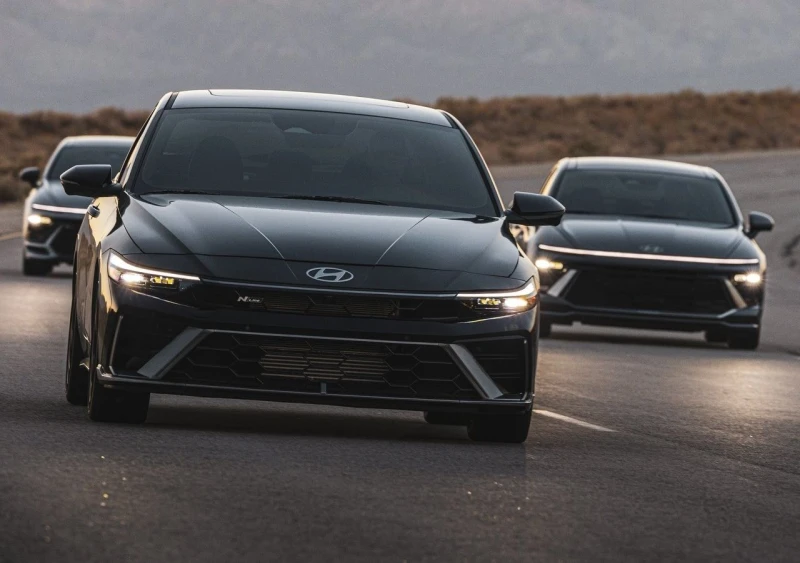
The seventh-generation Hyundai Elantra (CN7), in production since 2020, comes with several characteristics frequently mentioned in owner reviews. Issues with the 2020–present Elantra include everything from sound insulation to interior trim pieces. When shopping for a used Elantra on the American market, condition is critical due to varying road quality and climate across states. This article covers the main pain points based on real owner feedback and service data. For full specs, driving impressions, and interior walkthroughs, see our other articles in the series.
Key drawbacks and generation highlights
Elantra CN7 owners commonly report several traits that impact daily comfort and long-term ownership. Real-world fuel economy for the widely available 2.0L naturally aspirated engine with IVT (intelligent variable transmission) typically lands in the 25–30 mpg combined range according to EPA and owner reports — respectable for the class, though aggressive driving, heavy traffic in cities like Los Angeles, or cold starts can push consumption noticeably higher. Hybrid variants (1.6L GDi HEV), more commonly found as imports or in certain regions, regularly achieve 48–52 mpg combined, but require confirmation of software compatibility and fuel quality.
Base trims feature an 8-inch touchscreen with wired Apple CarPlay and Android Auto; owners occasionally report intermittent wireless connection drops, especially in early 2020–2021 builds. Higher trims with the 10.25-inch display perform better, but the factory navigation often lags behind real-time traffic apps — most drivers prefer Google Maps or Waze anyway.
Sound insulation is average for a compact sedan: road and tire noise become noticeable above 65–70 mph, and rear wheel wells transmit more hum than expected due to minimal factory damping in the trunk area. This is especially apparent on concrete highway sections common across many US states.
Interior material quality varies by trim. Lower trims use more hard plastics prone to scratches, while upper trims add soft-touch surfaces and better seat materials. Common complaints after 30,000–45,000 miles include creaks from the center console divider handle, glovebox latch, and occasional interior trim rattles.
Parts availability depends on the origin of the vehicle. US-market cars generally enjoy good dealer network support and reasonable wait times for genuine parts. Brake pads, rotors, and suspension components (frequently replaced due to potholes in many regions) cost slightly above segment average but remain accessible through Hyundai dealers and aftermarket channels.
Model years & versions — red flags to watch for
Early builds (2020–2022) have a few more reported quirks. Owners mention occasional electronic gremlins — intermittent loss of infotainment signal, key fob issues, or finicky door locks. The brakes can feel overly sensitive to some, and the suspension is tuned on the firm side, transmitting more harshness over expansion joints and rough pavement.
Other noted items include premature wear of the trunk torsion bar (often left side), creaking center console parts, and relatively low ground clearance that can lead to scraping on steep driveways or parking blocks. These are not widespread failures, but they appear regularly in US owner forums and complaint databases.
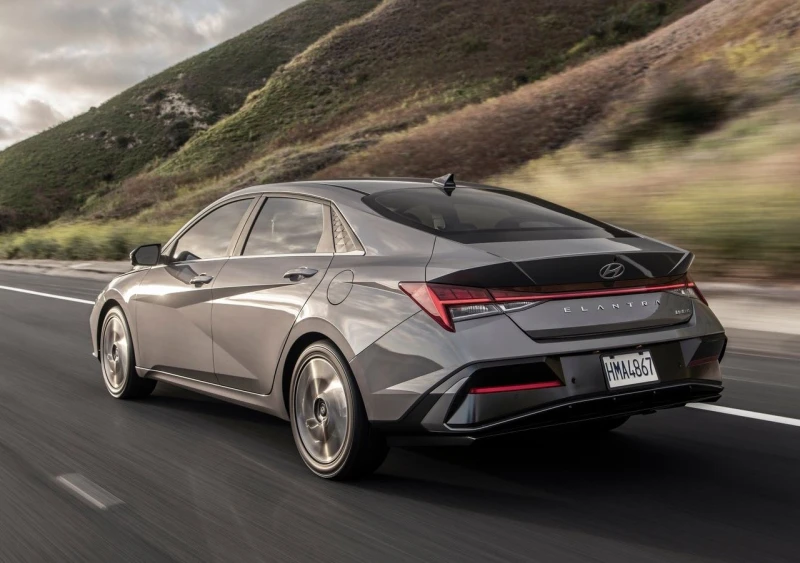
Post-2023 facelift models brought meaningful improvements: better interior soft-touch coverage, noticeably upgraded wheel-arch insulation, and more stable infotainment software. The 2.0L + IVT remains the most common powertrain in the US; some imported units may carry the 1.5L CVT (less frequent), which needs strict adherence to fluid change intervals (typically every 30,000–40,000 miles). Hybrids and N Line variants with the 1.6L turbo tend to have fewer complaints after the update.
Used market in the United States
On the US used market, seventh-generation Elantras are mostly domestic units with mileage between 30,000–100,000 miles. Body condition varies significantly depending on geographic region — vehicles from northern states with heavy road salt use may show underbody and wheel-arch rust if undercoating was neglected. Southern and western cars often fare better but can suffer from sun damage to interior plastics and paint fade.
Service history is critical. Cars with documented maintenance at Hyundai dealerships tend to have fewer surprises compared to those with spotty records. Check the VIN carefully — some features (safety assists, lighting, infotainment language) differ between US-spec and gray-market imports. Rebuilt-title cars from minor accidents are not uncommon, so a professional pre-purchase inspection is strongly recommended.
Mileage tampering still occurs, so always verify odometer readings against service records and Carfax/AutoCheck reports. Typical asking prices for clean 2020–2022 examples with the 2.0L IVT in mid-to-high trims currently range from $14,500–$19,000 depending on mileage, condition, and location (higher in coastal markets like California and New York).
What can be fixed and realistic budget
Many of the Elantra CN7’s annoyances can be addressed without breaking the bank. Adding aftermarket sound-deadening material to wheel wells and trunk significantly reduces road noise. Infotainment glitches are often improved with a software update or by adding a wireless CarPlay/Android Auto adapter.
Creaky interior trim pieces can usually be fixed with felt tape, lubrication, or low-cost replacement parts from salvage yards or online. Suspension wear (shocks, bushings) becomes noticeable after 50,000–65,000 miles on average American roads — budget $600–$1,200 for a full refresh if needed.
Underbody rust prevention is wise in salt-belt states: professional undercoating runs $150–$400 and can extend structural life considerably. Follow the severe-service schedule for the IVT fluid change (every 30,000–40,000 miles) to avoid potential transmission concerns down the road.
When buying used, plan to set aside roughly 10–20% of the purchase price for inspection, preventive maintenance, rust protection, and addressing any immediate small issues to bring the car to solid condition.
Final thoughts & buying advice
As of 2026, the Hyundai Elantra VII (CN7) remains a strong contender in the compact sedan segment, especially for urban commuting and highway trips. It delivers sharp looks, generous standard equipment, and solid value — but careful inspection is key on the used market.
Post-facelift 2023–2024 models with the 2.0L + IVT are generally the safest and most trouble-free choice for most American buyers. Hybrids offer excellent fuel savings for high-mileage drivers, while N Line versions appeal to those wanting sportier dynamics (with corresponding maintenance trade-offs).
For new-car shoppers, prioritize trims with the upgraded sound package. For used buyers, always insist on a thorough pre-purchase inspection: check for rust (especially underneath), verify true mileage, test suspension and brakes on the road, and review full vehicle history reports.