


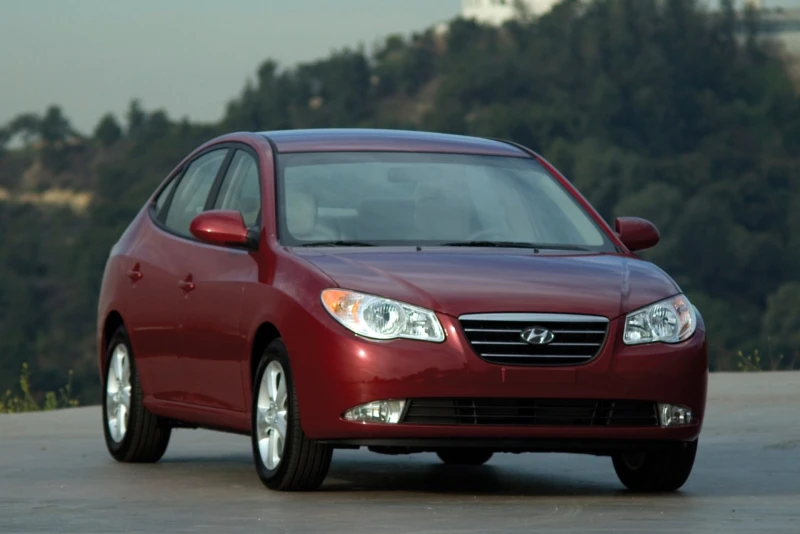
Owners of the Hyundai Elantra IV frequently mention drawbacks in reviews that affect daily driving. For the 1.6L gasoline engines (G4FC, MPI), real-world city fuel economy typically ranges from 21–26 mpg, depending on driving style and any aftermarket modifications. On the highway, it improves to about 30–35 mpg, though it lags behind many newer compacts. The 2.0L engine (G4GC) is thirstier — expect around 20–24 mpg in city driving.
Infotainment and navigation features in this generation are basic: entry-level audio systems with CD/MP3 playback lack standard Bluetooth or USB connectivity, and factory navigation was either absent or outdated. Higher trims offered slightly better systems, but they often feel dated today and may have compatibility issues. Cabin noise insulation is average: above 60–65 mph, road and wind noise become noticeable, a common complaint that impacts long-distance comfort.
Interior materials match the budget compact class: dashboard and door plastics are durable but can develop rattles or show wear over time. Cloth seats typically start showing significant wear after 90,000–125,000 miles, especially in high-use vehicles. Maintenance is generally straightforward — engines and suspension are relatively simple to work on — but the automatic transmission (A4CF1/2) needs fluid changes every 35,000–40,000 miles to avoid harsh shifts. Parts prices are reasonable for aftermarket options, though rare variants like the diesel (D4FB, CRDi, mostly European imports) can carry higher costs due to limited availability. Overall, these traits reflect the model's age and should be factored in when considering long-term ownership of a 2006–2010 Hyundai Elantra.
Model Years & Versions — What to Pay Extra Attention To
Since production has long ended, differences across years are noticeable. Early 2006–2007 models more often show issues like steering wheel vibration at idle, rough engine running from fuel injectors or spark plugs, and window regulator noise from failed rivets in the guides. These years usually have basic sound deadening and fewer refinements.
Later 2008–2010 models, particularly after the 2009 facelift, benefited from updates: the 1.6L engine gained power (up to around 122 hp), suspension tuning was refined, and the instrument cluster got better lighting. Electronics and transmission reliability improved, with fewer reports of shift issues. In the US market, 1.6L gasoline versions with manual transmission (5-speed) are considered the most common and trouble-free choice, while automatics from earlier years need careful inspection for shift quality. Post-facelift models generally have fewer complaints. When shopping, always verify full service records to confirm typical year-specific issues have been addressed.
Used Market in the United States
On the US used market, fourth-generation Hyundai Elantra (HD) models typically show odometer readings of 90,000–190,000 miles. Body condition varies with regional road quality and winter conditions: rough pavement accelerates suspension wear, and road salt in many states promotes rust on rocker panels, wheel arches, and underbody — especially on pre-facelift examples without extra protection. A thorough undercarriage inspection is essential in salt-belt regions.
Service history is critical: cars without documented maintenance may hide engine or transmission problems. Part originality and trim levels vary — many have aftermarket or replaced components like shocks or control arm bushings. Actual mileage should be verified via VIN checks, odometer consistency, and wear indicators (pedals, seats, etc.), as rollbacks do occur. Most common listings are sedans with the 2.0L gasoline engine and automatic, or 1.6L with manual. Approximate market prices in 2026 range from $2,500 to $6,000, depending on condition, mileage, and location (higher for cleaner, lower-mileage, or facelifted 2009–2010 examples).
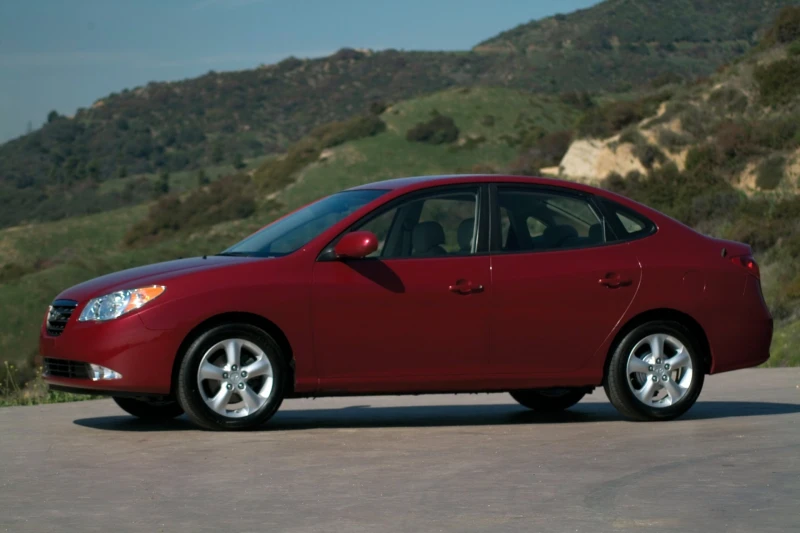
What Can Be Fixed & Budget for Solid Condition
Many Elantra IV shortcomings can be addressed through repairs or upgrades. Better sound deadening comes from adding materials to doors, floor, and wheel wells, noticeably cutting road noise. Modernizing the audio system involves swapping the head unit for one with Bluetooth and USB, usually compatible with existing wiring. Replacing worn interior pieces like seat upholstery or trim panels is straightforward with aftermarket or OEM parts.
Suspension refreshes often focus on shocks and bushings, replaced as a set to restore ride quality. Rust prevention includes underbody coating, especially on the floorpan and arches, to halt progression. Routine maintenance — transmission fluid, spark plugs, filters — extends component life significantly.
When budgeting after purchase, plan for 10–20% of the vehicle's price for initial catch-up maintenance and minor fixes. Sound deadening or infotainment upgrades might run $500–$1,000 depending on scope. Suspension or rust-related work varies more widely, but preventive steps are far cheaper than fixing advanced damage. These investments can bring the car to a reliable, comfortable daily-driver standard without major expense.
Final Thoughts & Buying Advice
In 2026, the Hyundai Elantra IV remains a sensible used compact sedan option — provided you inspect thoroughly and accept its age. It suits buyers seeking an affordable, low-running-cost vehicle who are willing to handle routine upkeep. Early 2006–2007 examples demand extra scrutiny for engine and window issues, while 2009–2010 facelifted cars are generally more dependable. The sweet spot for many is the gasoline 2.0L or 1.6L with manual transmission, balancing performance and efficiency; automatics work well in traffic but require shift-quality checks.
During inspection and test drive, focus on: body rust, transmission behavior (no slipping or jerks), highway noise levels, suspension knocks, and electrical functions (sensors, infotainment). Verifying mileage and maintenance records greatly reduces risk. With proper care, the typical 2006–2010 Elantra issues are manageable, keeping this model relevant on the used market.
For full specs, technical details, and interior photos of the generation, check our other series coverage.