On the US used market in 2026, this model continues to attract buyers seeking roomy three-row seating and solid feature content at accessible prices. Below is a detailed breakdown of the Sorento III cabin highlights, common trim levels, design evolution, and real-world owner insights drawn from forums and period reviews.
Overall Cabin Overview
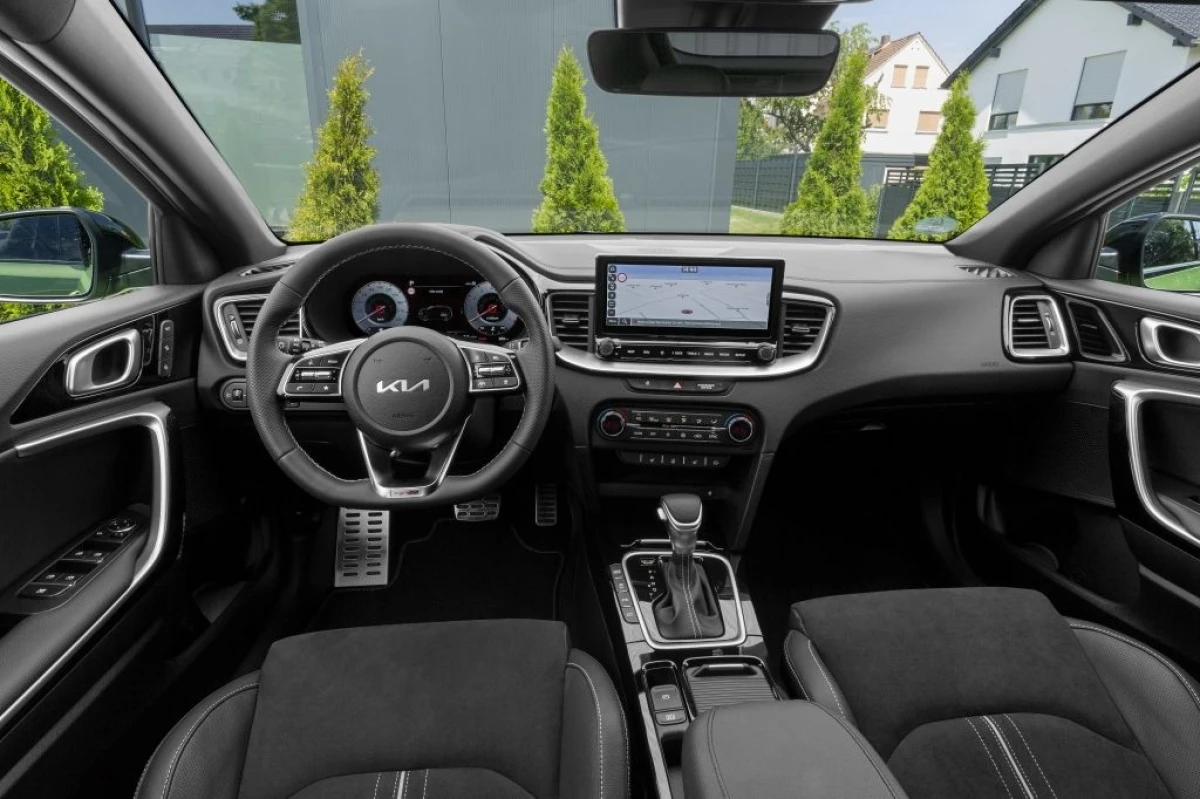
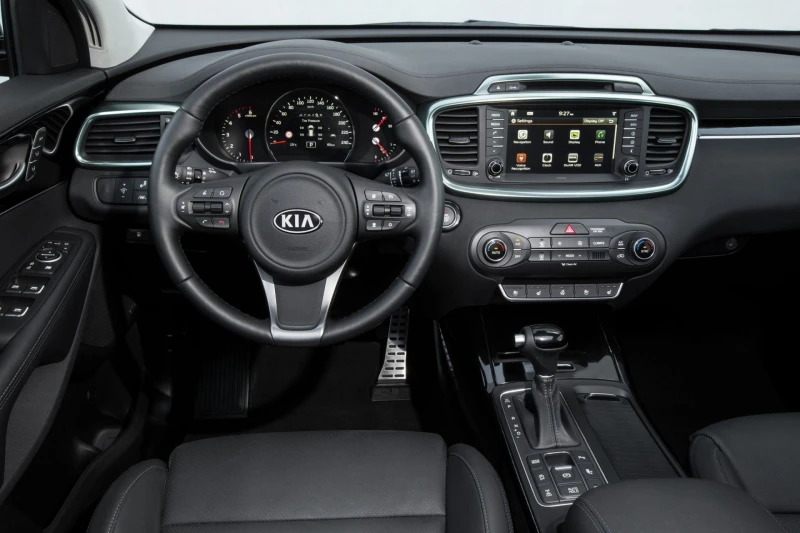
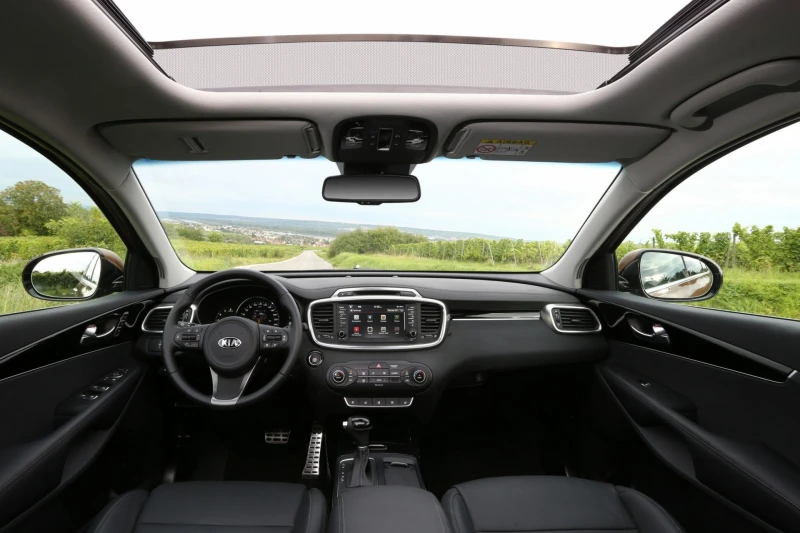
The interior of the Kia Sorento III features a horizontal dashboard layout with clear layering: the upper section houses decorative accents and vents, while the lower area contains the infotainment screen and climate controls. The center stack is angled slightly toward the driver for easier reach. Base models use hard plastics paired with cloth upholstery, while mid- and higher trims upgrade to leatherette or genuine leather with soft-touch surfaces and woodgrain or aluminum-style accents. Build quality feels upscale for the class—tight panel gaps, durable leather that holds up well over time—though some owners note minor creaks from lower hard-plastic areas after high mileage.
The instrument cluster is analog with an optical speedometer and a small monochrome trip computer display (upgraded to a 4.2-inch color screen in higher trims post-facelift). The central infotainment touchscreen ranges from 7–8 inches, with navigation available on premium versions. Driver ergonomics are strong: tilt-and-telescoping steering column, ample seat travel (power adjustments in top trims), and well-placed pedals that reduce fatigue on long highway drives.
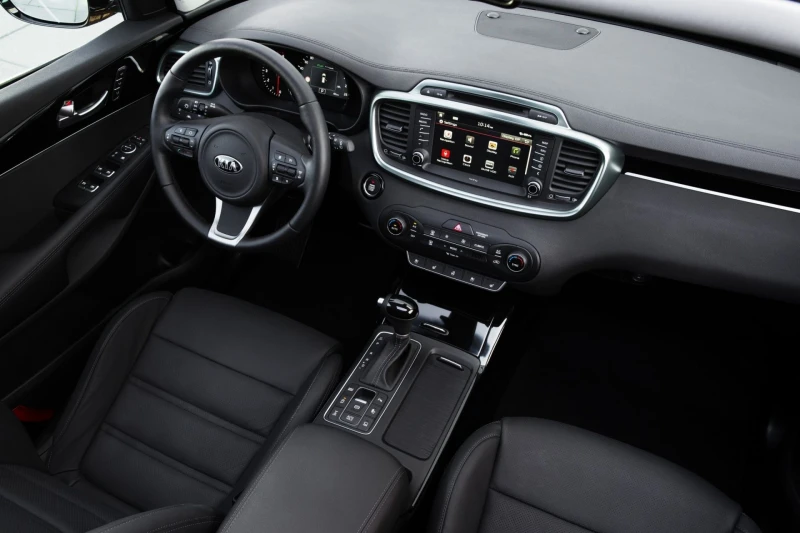
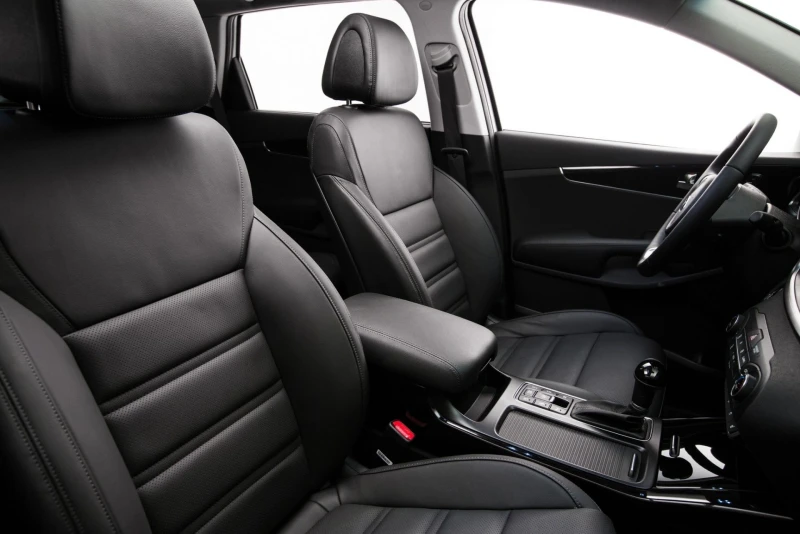
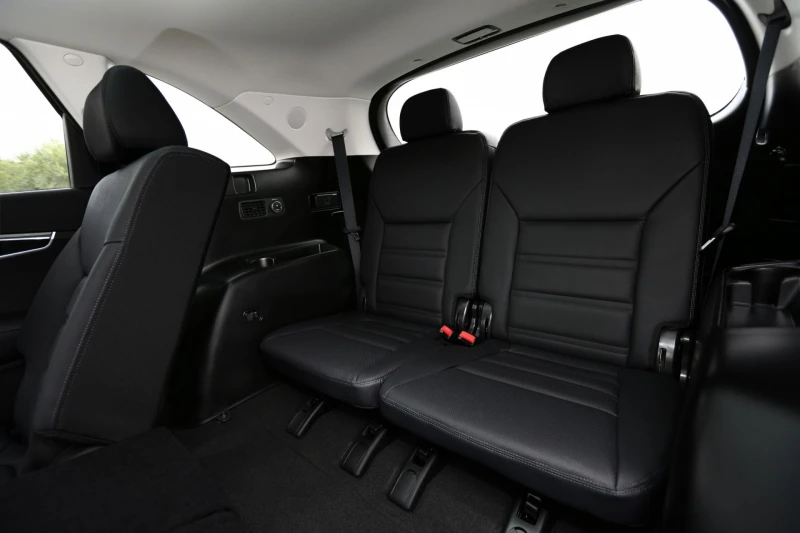
Front-seat occupants enjoy good bolstering and generous legroom (about 41 inches) and shoulder space (around 59 inches). The second row comfortably seats three adults with roughly 38 inches of legroom and 39 inches of headroom, though the high center tunnel can make the middle seat less inviting for longer trips. The optional third row works best for children or short drives, offering limited space (knee room around 28 inches). Forward visibility is solid, but thick pillars reduce side views—mitigated by a standard rearview camera in most trims.
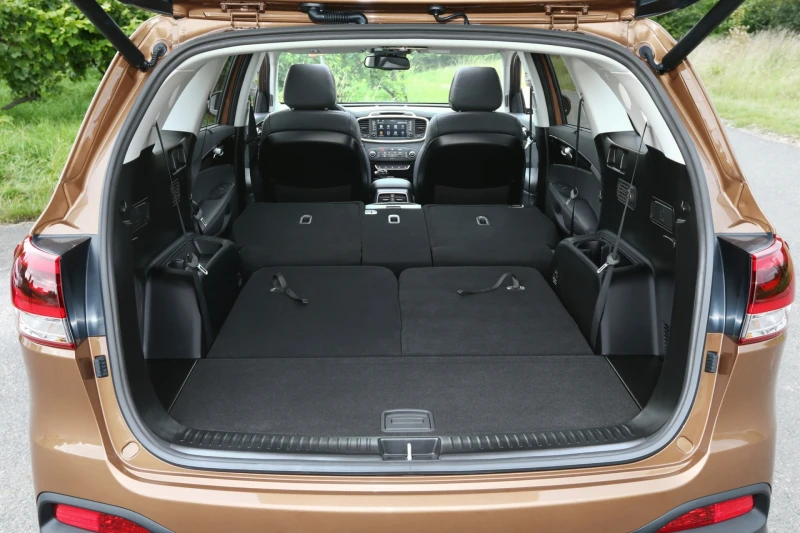
Cargo space measures about 73 cubic feet behind the second row (to the roof) in five-seat mode, expanding to roughly 11 cubic feet with all seats up in seven-seat versions and up to 73 cubic feet with both rear rows folded (40:20:40 split for the second row). The load floor stays flat when folded, the liftover height is low, and a full-size spare sits underneath. Everyday usability is excellent with plentiful small-item storage in doors and console, though it lacks wireless charging common in newer vehicles.
Trim Levels & Features on the US Market
On the American used market, the most commonly encountered trim levels for the Kia Sorento III (UM) include:
| Trim Level | Typical Years | Interior Materials | Infotainment | Climate Control | Key Features |
| L / LX | 2014–2017 | Cloth, hard plastics | 7" audio system | Single-zone | Cruise control, heated front seats, 17" wheels |
| EX / SX | 2015–2020 | Cloth + leatherette, soft-touch inserts | 8" with navigation (post-2017) | Dual-zone | Rearview camera, parking sensors, heated steering wheel, 18" wheels |
| SXL / Limited | 2017–2020 | Leather, woodgrain accents | 8" with Apple CarPlay | Tri-zone | Panoramic sunroof (optional), ESC, blind-spot monitoring, 19" wheels |
EX and higher trims dominate the used inventory in the US, with many examples imported or sold new between 2016–2018. Panoramic roofs were mostly limited to top trims and remain relatively uncommon. Advanced driver aids like ESC and adaptive cruise became more widespread after the 2017 facelift in premium versions, with all-wheel drive popular for varied weather conditions.
Yearly Changes & 2017 Facelift Updates
The Sorento III interior evolved gradually, with the most significant refresh arriving in 2017. Early 2014–2016 models launched with a 7-inch screen, leather in EX trims, and decent baseline sound insulation. By 2016, options expanded to include rear seat heating in higher trims and improved ventilation.
The 2017 facelift introduced a redesigned center console with a larger 8-inch touchscreen, softer-touch plastics and additional trim accents, plus expanded color choices (black, beige, gray). Cabin noise dropped noticeably thanks to added insulation in the engine bay and wheel wells. Infotainment gained Apple CarPlay and Android Auto compatibility, while higher trims offered an optional 4.2-inch driver display. These updates gave the cabin a noticeably more contemporary feel.
Later 2018–2020 models added minor conveniences like extra USB ports in top trims. Post-facelift examples (2017–2020) command higher resale values on the used market—typically 15–20% more—thanks to better material durability, fewer rattles, and quieter cabins.
Common Owner Questions & Cabin Drawbacks
Frequently mentioned pros and cons of the Kia Sorento III interior on the US used market:
- Material wear: Leather in EX/SXL holds up well but can fade after 4–6 years of sun exposure; base cloth shows dirt easily;
- Weak points: Console trim pieces scratch over time, door handles wear from frequent use;
- Noise issues: Pre-facelift models have more door panel creaks on rough roads; post-2017 versions improved, though tire roar remains noticeable on highways;
- Rear-seat comfort: Ample space for most adults in the second row, but third row remains tight for grown-ups; heating is essential in colder climates;
- Visibility: Thick pillars create blind spots, though the rear camera helps—lens can get dirty in wet weather;
- Maintenance: Light-colored interiors show dust and road salt easily; regular detailing helps preserve appearance.
These issues tend to appear more prominently in vehicles from regions with harsh winters or poorly maintained roads without consistent interior care.
Final Thoughts & Relevance Today
In 2026, the 2014–2020 Kia Sorento III interior (especially post-2017 facelift versions) feels dated next to current models with larger screens and full touchscreen interfaces, yet it remains impressively solid for its era: high-quality materials and thoughtful ergonomics still compare favorably to many midsize crossovers from the 2010s.
The best value sweet spot on the US used market tends to be well-equipped EX trims from 2017–2019: leather seating, dual-zone climate, 8-inch infotainment, and heated features often fall in the **$12,000–$18,000** range (approximate market prices for the United States). These deliver strong practicality without the premium cost of top SXL models, where panoramic roofs and extra aids add appeal but don’t always justify the markup.
When shopping for a used example, prioritize:
- Condition of leather and plastics (no cracks or heavy fading);
- Full functionality of infotainment (navigation, Apple CarPlay);
- No persistent rattles or signs of amateur repairs;
- Preserved light trim pieces and clean carpets;
- Proper operation of heating/ventilation elements (especially important for climate extremes).
Overall, the cabin remains one of the strongest assets of the 2014–2020 Kia Sorento on the American used market in the sub-$20,000 budget segment.