



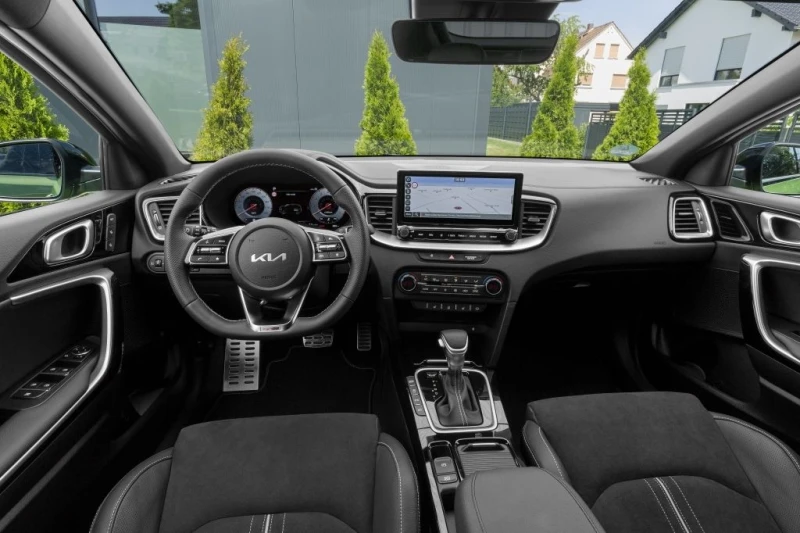
The Kia Ceed III cabin combines strong everyday usability with current technology, keeping it very competitive in the compact segment. The 2018–present model is available as a hatchback, Sportswagon estate, ProCeed shooting brake and XCeed crossover. Below is a detailed breakdown of the interior adapted to the United States market as of 2026.
General Cabin Overview
The interior architecture uses a wide horizontal dashboard theme that visually enlarges the cabin. The center stack is angled slightly toward the driver, placing climate and infotainment controls within easy reach. Entry-level versions come with analog gauges plus a 3.5-inch multi-information display, while upper trims upgrade to a sharp 12.3-inch fully digital instrument panel offering multiple view layouts.
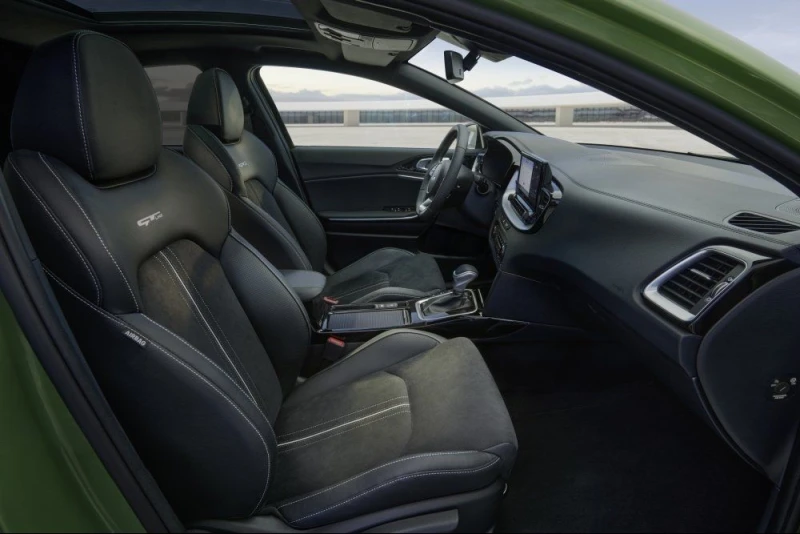
Trim materials feel right for the class: soft-touch surfaces across the top of the dash, fabric or leatherette inserts on doors and console. Higher specifications add Alcantara-like suede and metallic trim pieces. Build quality is solid with tight panel gaps and scratch-resistant plastics in frequently touched areas. Lower sections in base models use harder plastics — standard practice in this price range.
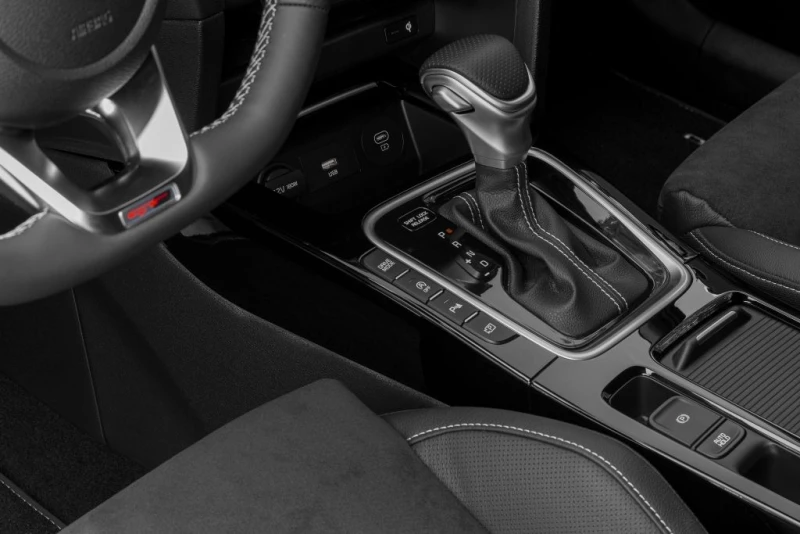
Driver ergonomics are excellent: tilt-and-telescopic steering wheel, well-placed pedals, intuitive shifter location. Steering-wheel controls are clearly grouped for audio, cruise control and driver assists. Front seats offer good bolstering; top trims include power adjustments, heating and ventilation.
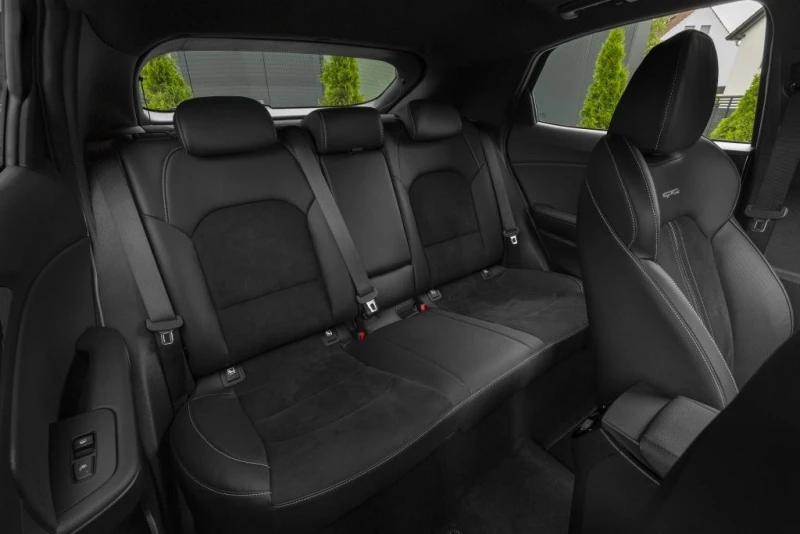
Front-seat passengers enjoy generous headroom and legroom — comfortable even for taller adults up to about 6'3". The rear bench is officially rated for three, but works best for two: the 104.3-inch wheelbase provides reasonable knee clearance, though the high center tunnel compromises the middle position. The Sportswagon and ProCeed feature a reclining rear seatback.
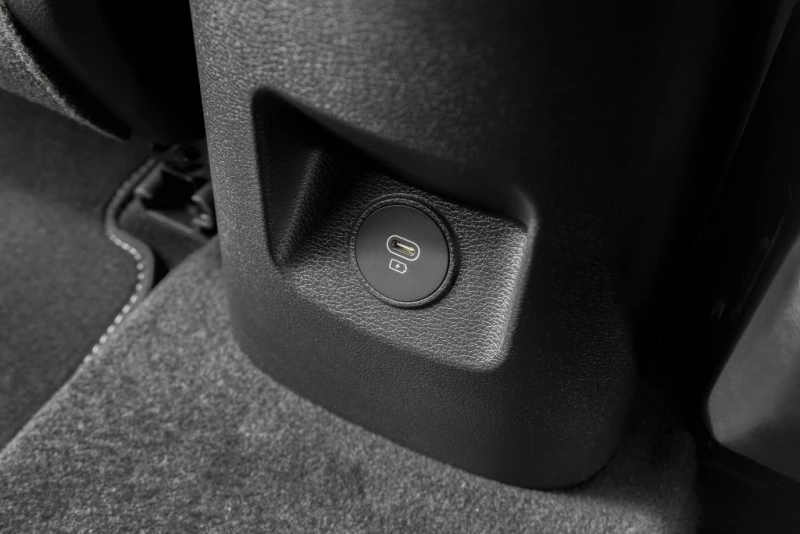
Trunk volume varies by body style: 395 liters (13.9 cu ft) in the hatch (expands to 1,291 liters / 45.6 cu ft with seats folded), 625 liters (22.1 cu ft) in the Sportswagon (up to 1,694 liters / 59.8 cu ft). Practical touches include a flat load floor, cargo tie-down hooks, under-floor storage and 40:20:40 split-folding rear seats on most versions. Rear USB ports, a fold-down armrest and easy-to-clean surfaces make it family-friendly.
Trim Levels Available in the United States
In the US market the Kia Ceed III is offered in trim tiers roughly equivalent to Comfort (LX / base), Business (EX / mid), Prestige (SX / premium) and GT-Line / GT-Line S (sport-oriented top trims). Equipment reflects American preferences — larger infotainment screens, advanced safety suites and fewer diesel options.
Base / LX-equivalent: cloth upholstery, 8-inch touchscreen with wired Android Auto & Apple CarPlay, single-zone climate control, standard safety suite (forward collision warning, automatic emergency braking, lane departure warning, 6 airbags), heated mirrors. Heated washer nozzles and mirrors are commonly included even on entry models.
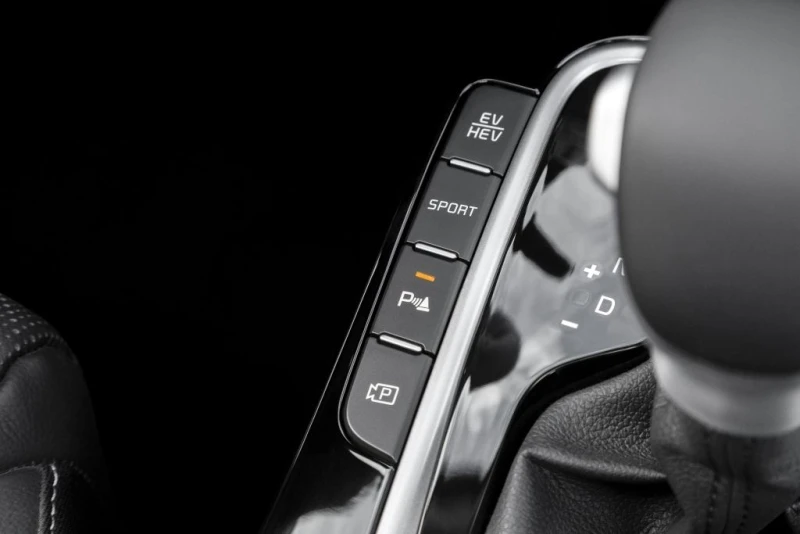
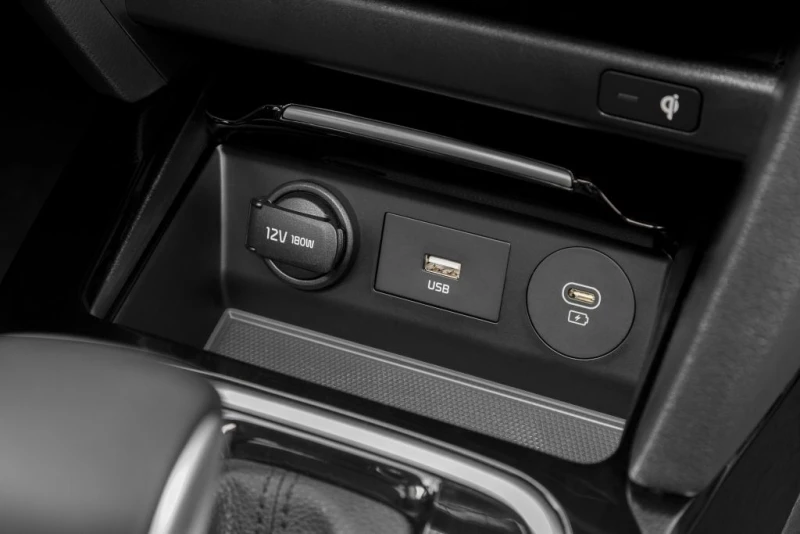
Mid-level / EX-equivalent: cloth + leatherette seating, dual-zone automatic climate control, heated front seats and steering wheel, 10.25-inch touchscreen, rearview camera, rear parking sensors, blind-spot monitoring, driver attention warning. Wireless charging and ambient interior lighting often appear here.
Upper / SX-equivalent: leather upholstery, softer dashboard and door materials, built-in navigation, adaptive cruise control with stop & go, lane keeping assist, forward collision avoidance with pedestrian/cyclist detection, available panoramic sunroof. Winter packages with additional heating elements are less common than in colder climates.
GT-Line & GT-Line S: sport-styled cabin with suede-like inserts and red stitching, Bose premium audio (8 speakers), ventilated front seats, full suite of Drive Wise assists (including road-sign recognition), standard panoramic sunroof on S models. In the US gasoline engines dominate; 1.6 CRDi diesel variants are virtually absent.
Interior Evolution & 2021 Facelift Changes
Early 2018–2020 models featured smaller 7–8-inch screens, analog-heavy gauges and comparatively basic sound insulation. Lower dash areas used more hard plastics.
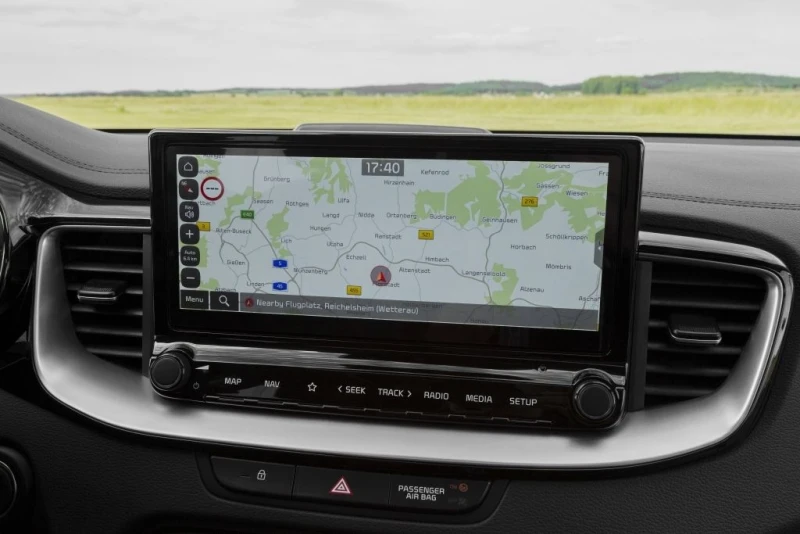
The 2021 facelift brought substantial upgrades: 12.3-inch digital instrument cluster, revised infotainment with wireless Android Auto & Apple CarPlay compatibility, softer-touch materials throughout, additional color choices (black, gray, beige with contrasting accents) and noticeably improved NVH levels thanks to extra insulation in wheel arches and doors — cabin noise dropped roughly 1–2 dB. Later 2024–2025 updates added enhanced ambient lighting and deeper smartphone integration.
As of 2026 the most desirable interiors feature the full digital cluster, large central touchscreen and ventilated seats. Earlier cars with wired-only phone mirroring and lighter sound deadening can feel dated next to newer compact-class rivals.
Common Owner Feedback & Known Interior Issues
Owners frequently mention that steering wheel and shifter trim show wear (shiny spots, light scratches) after 60,000–70,000 miles, especially on fabric interiors. Leather holds up better but benefits from regular conditioning to prevent cracking.
Pre-facelift cars sometimes develop creaks from the center console or door cards on rough pavement. Rear-seat comfort for three adults remains limited due to the prominent driveline tunnel. Thick rear pillars and a modestly sized back window reduce visibility — most drivers rely on the rear camera and parking sensors.
Light-colored interiors pick up dirt quickly, especially in regions with road salt in winter or heavy dust in summer. Overall cabin durability is good up to about 80,000 miles with normal care; higher-mileage examples may show more obvious wear from heavy family use.
Final Thoughts – Is the Interior Still Competitive in 2026?
Even in 2026 the Kia Ceed III cabin remains relevant in the compact class, delivering modern displays, good materials and strong ergonomics that hold their own against the Honda Civic, Toyota Corolla and Volkswagen Golf in day-to-day livability.
Post-2021 facelift versions with the digital gauge cluster, wireless smartphone integration and quieter cabin are the smartest choice — especially in mid-to-upper trims (EX / SX equivalents). The range-topping GT-Line S variants justify their price only if you want the premium audio, ventilation and panoramic roof; otherwise mid-level trims offer the best value.
When shopping new, verify the latest infotainment software is installed. For used examples, inspect:
- Upholstery and plastic surfaces for excessive wear or cracking
- Absence of rattles or squeaks during a test drive over uneven roads
- Correct operation of all screens and phone connectivity
- Evidence of thorough cleaning and no lingering odors
- Condition of trim pieces, armrests and switchgear
The Kia Ceed interior continues to be one of the model's strongest features for American compact-car shoppers.