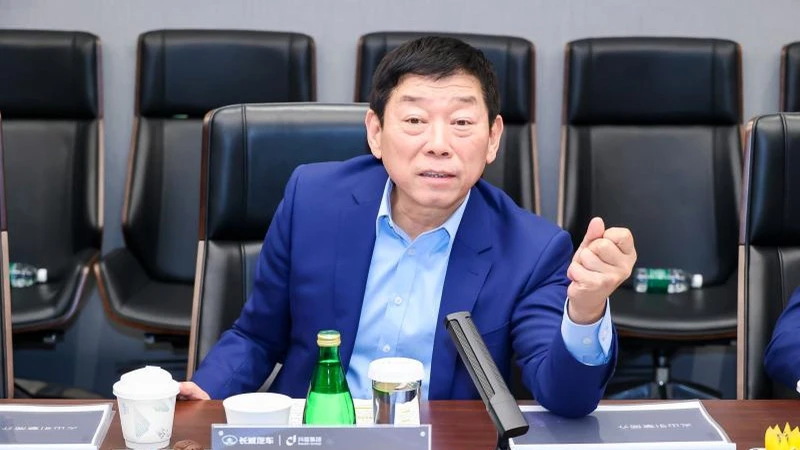
Their vehicles have become more technologically advanced, designs more modern, and equipment levels competitive. However, within the industry itself, more restrained assessments can be heard. Great Wall Motor Chairman and founder Wei Jianjun has publicly acknowledged that Chinese brands still lag behind leading global manufacturers in a number of key parameters. These comments provide a grounded view of the situation without excessive expectations or bold slogans.
Rapid Development and Its Limits
Over the past two decades, Chinese companies have substantially reduced the technological gap with European and Japanese brands. They have actively invested in electric vehicles, digital systems, and production automation. Many plants are equipped with modern robotic assembly lines, and new models reach the market in shortened timeframes.
Nevertheless, an automobile remains an extremely complex product that must operate reliably under diverse conditions over many years. Technology is important, but so is accumulated experience. European, Japanese, and Korean manufacturers have spent decades refining quality control processes, perfecting components and assemblies, and analyzing customer feedback.
The Gap in Experience and Production Culture
According to the Great Wall Motor chairman, the difference between Chinese companies and global leaders remains significant. It concerns not only technical specifications but also the depth of engineering expertise, quality management, and the resilience of business processes.
For a long time, the Chinese market developed in relative isolation, without comprehensive feedback from global consumers. This limited the accumulation of experience, particularly in areas of long-term durability and overall reliability. While the situation is evolving, generational differences in development cannot be closed in just a few years.
An Example of a Systematic Approach
As a reference point, Wei Jianjun pointed to the Japanese automaker Toyota. The company is renowned for its philosophy of continuous process improvement and an open approach to identifying issues. Regular service campaigns and public accountability for detected problems are seen as part of corporate culture rather than exceptions.
This approach requires a mature organizational structure and a willingness for self-criticism. According to the GWM executive, the ability to acknowledge mistakes and systematically address them is what allows manufacturers to progress.
Prospects and Challenges
Chinese brands now offer a broad range of models, including electric vehicles and hybrids. However, even in the fast-growing electric mobility segment, competition from more experienced players continues. Within the industry, cautious views are also expressed regarding the pace of the global shift to electric powertrains.
The comments from the head of one of China's largest automakers reflect a realistic understanding of the current situation: rapid progress does not eliminate the need for sustained experience building and ongoing process refinement.
Conclusion
The statements by the Great Wall Motor chairman demonstrate that the Chinese auto industry is in a stage of active development but does not view itself as having reached the pinnacle. Despite notable successes, a clear gap persists in engineering depth and quality culture. Further narrowing of this gap will depend on systematic work, openness to critique, and long-term investments in technology and processes.