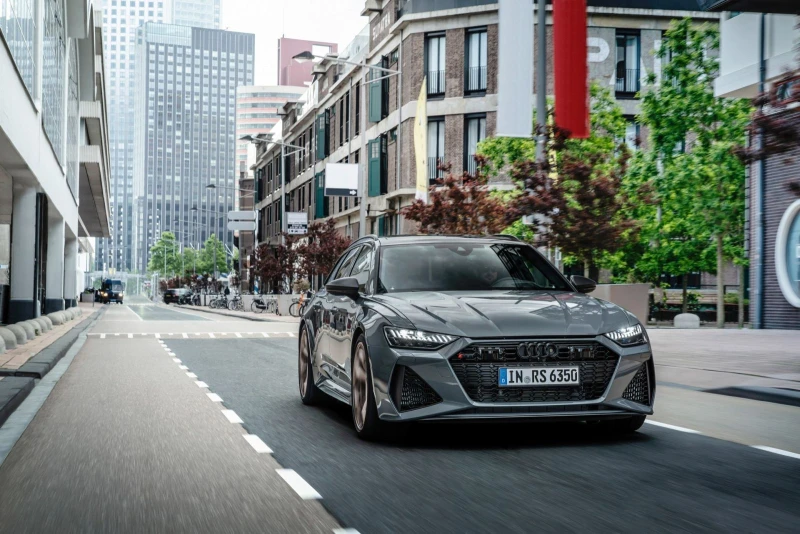
The powerful V8 engine, all-wheel drive, and practical body have made this model popular among those who value the combination of dynamic performance and everyday usability. However, spy shots of next-generation prototypes indicate significant design changes. The key question is how electrification will affect the vehicle's character and weight.
Electrification Comes to the RS Segment
Judging by photographs of the test vehicle, the new RS6 will receive a plug-in hybrid system. This is suggested by the charging port and specific markings on the prototype. This step fits into Audi's overall strategy of reducing emissions and moving toward more environmentally friendly powertrains.
Most likely, an eight-cylinder V8 engine will remain under the hood, but it will be paired with an electric motor and battery pack. A similar configuration is already used in other models from the group and allows for increased total power output while reducing average emissions.
The Weight Question
The primary consequence of the hybrid architecture is an increase in curb weight. Even the standard Audi A6 Avant plug-in hybrid with a four-cylinder engine weighs around 2,240 kilograms. The RS6 model traditionally features a larger engine and reinforced chassis components, which add further weight.
For comparison, the new-generation hybrid BMW M5 Touring reaches 2,555 kilograms. Given the dimensions and technical specifications of the future RS6, its mass could approach 2,600 kilograms. For a vehicle positioned as a performance wagon, this is a substantial amount.
Balancing Dynamics and Market Requirements
Electrification enables a significant boost in total powertrain output and better acceleration performance. However, the additional weight impacts handling, braking, and the vehicle's overall character. Engineers will need to compensate for the mass using new materials, revised suspension, and optimized all-wheel drive settings.
In terms of emissions regulations, the plug-in hybrid helps the manufacturer keep average CO2 figures within required limits. Even though RS models have relatively low sales volumes, each variant contributes to the brand's overall statistics.
Prospects for the Model
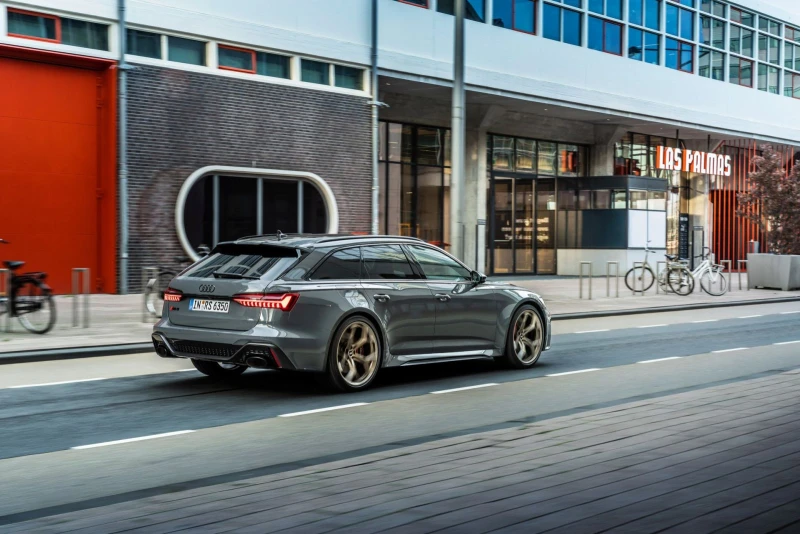
The RS6 remains a key part of Audi's image. The roughly 5-meter-long wagon with a V8 engine has traditionally appealed to customers seeking:
- high power and all-wheel drive;
- a spacious cargo area and practicality;
- everyday usability.
The transition to a hybrid system does not eliminate these attributes but alters the model's technical philosophy. The manufacturer aims to retain the dynamic character expected of an RS model while adapting it to new industry standards.
Conclusion
The new generation of the Audi RS6 is expected to be hybrid and noticeably heavier than its predecessors. This mirrors the broader trend in premium performance models. Engineers face the task of combining the traditional RS6 character with contemporary demands for efficiency and environmental compliance. How well they achieve this balance will be revealed at the official unveiling.