


The vehicle officially debuted in March 2024, with initial sales in Europe kicking off in summer 2024. In the US market, the model is primarily available via gray-market imports or enthusiast channels from EU countries.
The Duster rides on the CMF-B platform — shared with various Renault and Nissan models — engineered for compact vehicles with transverse engines and front- or all-wheel drive.
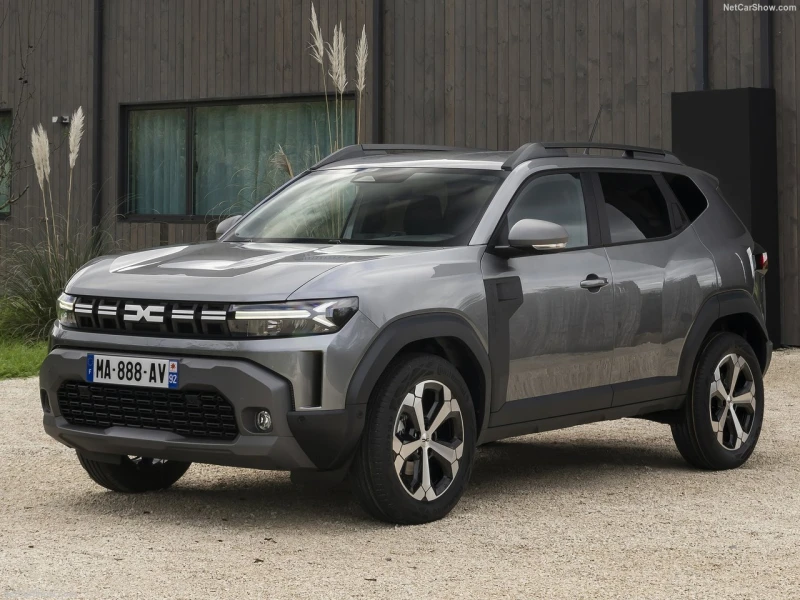
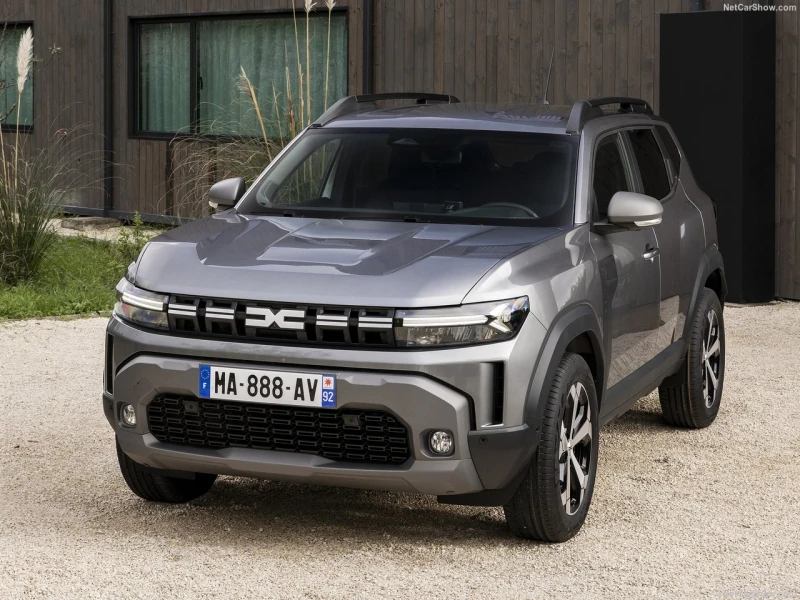
Within the Dacia lineup, the Duster III serves as a compact crossover, slotting between urban models like the Sandero and the larger Bigster. It targets buyers looking for an affordable, practical vehicle suited to city driving and light off-road use. Standout features of this generation include sharp, angular styling with Y-shaped lighting, a modular platform supporting hybrid systems, turbocharged engines, and a solid base safety package with optional comfort upgrades.
What’s New Compared to the Previous Generation
The prior Dacia Duster II (2017–2024) earned strong popularity thanks to its low cost and capable off-road performance. The third generation brings substantial evolution. Exterior styling feels more contemporary — moving from boxy lines to a refined yet rugged look with Y-shaped headlights, a larger grille, and plastic cladding made from recycled materials. Overall length grew slightly to 4343 mm (from 4341 mm), boosting interior room.
The platform remains CMF-B but has been refined for greater body rigidity and better hybrid integration. Powertrain options have advanced: new engines include a 1.2 TCe Mild-Hybrid (130 hp), 1.6 Hybrid (140 hp), and diesel 1.5 dCi (115 hp equivalent), paired with 6-speed manual or Hybrid Multi-Mode transmissions, plus all-wheel drive modes. The suspension (MacPherson struts front, torsion beam rear) has been tuned for improved ride comfort.
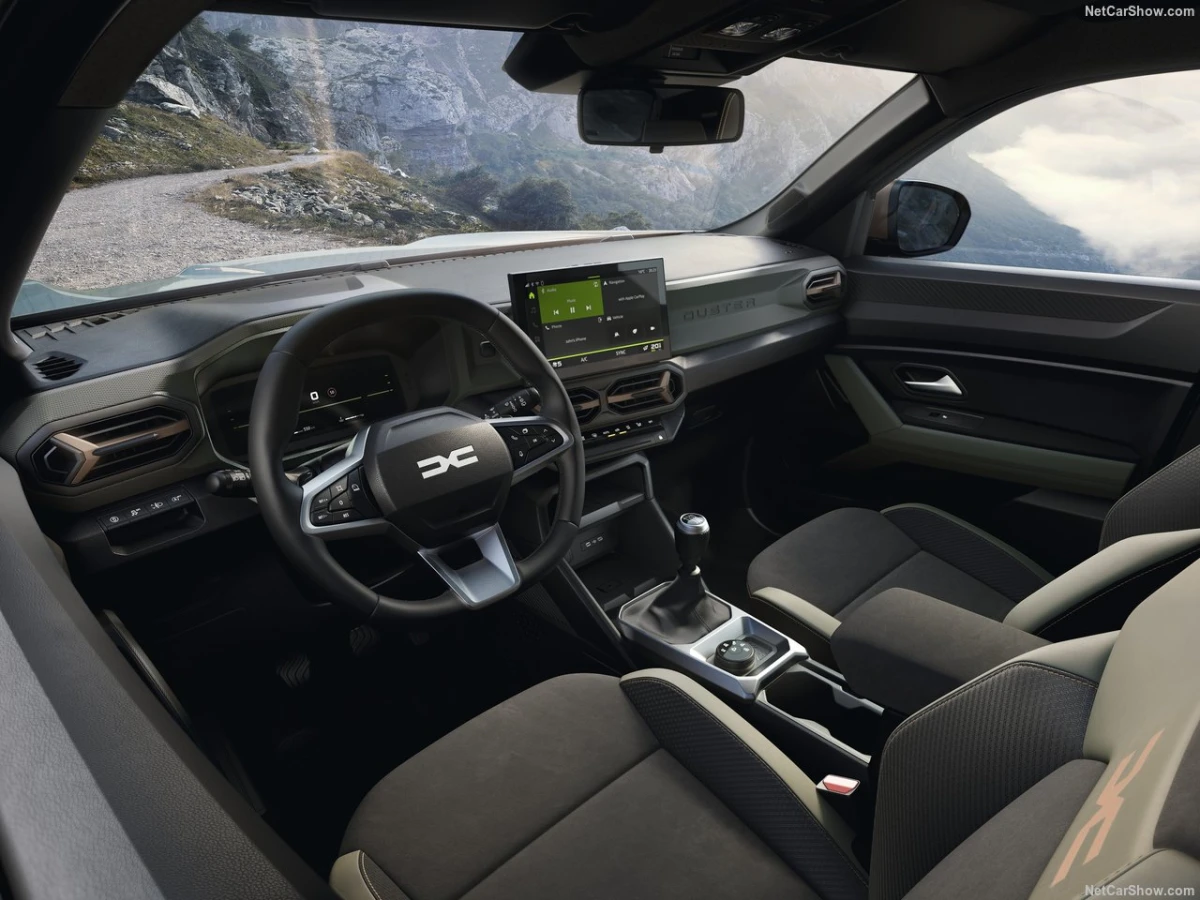
Interior quality has stepped up noticeably — softer materials, better noise insulation. Safety has advanced significantly: ADAS features (adaptive cruise, auto emergency braking), six airbags, and a Euro NCAP 3-star rating (same as before but under stricter protocols). Overall, the Dacia Duster III is more efficient and tech-forward — especially Mild-Hybrid variants for efficiency-focused buyers — while preserving strong value.
Current Generation Status
As of early 2026, the Dacia Duster III remains current with minor 2025 updates. No full facelift yet, but refreshed color options and multimedia enhancements (wireless connectivity) were added.
Available powertrains: gasoline 1.0 TCe (90 hp), 1.2 TCe Mild-Hybrid (130 hp), diesel 1.5 dCi (115 hp), and 1.6 Hybrid (140 hp). Transmissions include 6-speed manual or Multi-Mode, with front- or all-wheel drive (4x4 on dCi and Hybrid models).
Early non-hybrid 1.0 TCe variants phased out in key markets. Current mainstream configurations: 1.2 TCe Mild-Hybrid with 6-speed manual in 2WD/4WD, Essential and Journey trims, plus hybrid in higher specs.
U.S. Market
In the US market, the Dacia Duster III attracts interest among value-focused buyers and off-road enthusiasts via imports. As of early 2026, listings for recent imports (mostly 2024–2025 models) appear in smaller numbers on enthusiast sites and classifieds. Newer vehicles come through specialty importers, often from Poland or Romania.
The used market is emerging: most examples are 2024–2025 builds with 12,000–30,000 miles, generally in good condition. Approximate price ranges (depending on condition, year, mileage, and trim — based on comparable compact crossovers):
| Year | Trim / Engine | Estimated Price in USD |
| 2024 | 1.0 TCe / Essential | $22,000 – $27,000 |
| 2024–2025 | 1.5 dCi / Journey | $25,000 – $31,000 |
| 2025 | 1.2 TCe Mild-Hybrid 4x4 / Extreme | $28,000 – $34,000 |
| 2025–2026 (newer imports) | 1.6 Hybrid / Journey | $30,000 – $38,000+ |
Most sought-after versions include diesel-equivalent or Mild-Hybrid 4x4 models in Journey trim, plus newer 2025 hybrids.
Main Versions and Trims in the US Market
Typical Dacia Duster III configurations available via import: Essential (base), Journey (mid), Extreme (top).
Base Essential: cloth upholstery, durable plastics, 8-inch multimedia screen, air conditioning, core safety suite (ABS, ESP, 6 airbags), standard suspension, 16-inch wheels.
Journey: mixed upholstery, upgraded materials, built-in navigation, climate control, cruise control, parking sensors, optional packages (360° camera).
Extreme: eco-leather seats, premium audio, heated seats, full ADAS suite, optional panoramic roof, 18-inch wheels. Imported examples often include underbody protection for light off-road use and cold-weather packages (heated elements).
Conclusions and Generation Relevance
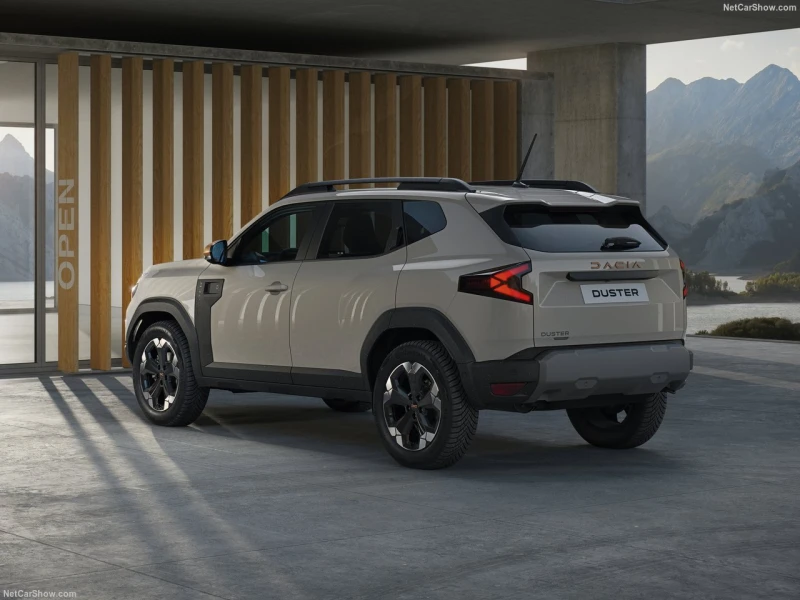
Today’s Dacia Duster III suits budget-conscious buyers seeking a practical crossover with capable handling on and off pavement. It delivers strong value for those prioritizing affordability and simplicity.
A newer imported vehicle offers peace of mind with warranty potential and latest features, while a recent used example can save 20–30% — especially appealing for low-mileage 2024–2025 models.
The generation stays relevant thanks to the CMF-B architecture and Mild-Hybrid efficiency. When considering one in the US market, focus on:
- service records (official maintenance);
- suspension and AWD condition (wear items);
- mileage and accident-free history (database checks);
- origin (EU-spec for best adaptation).
The Dacia Duster review highlights that the model continues to compete effectively in 2026.