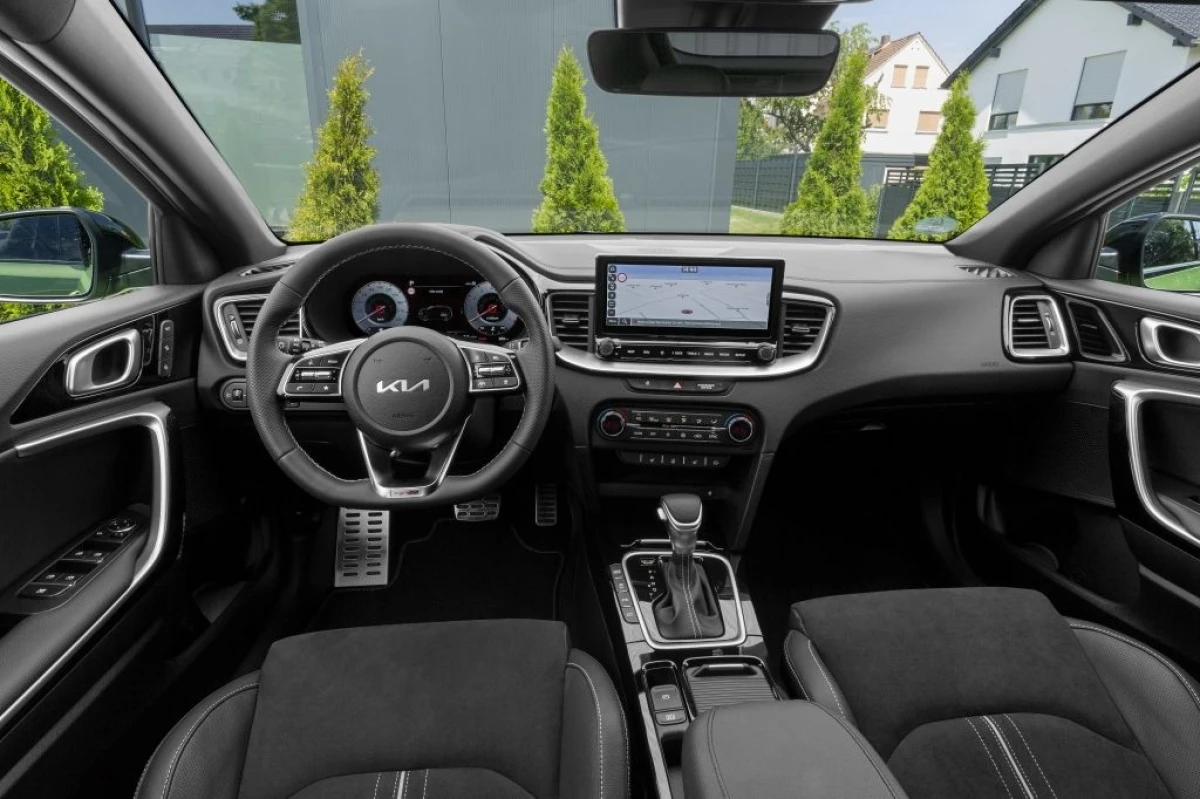



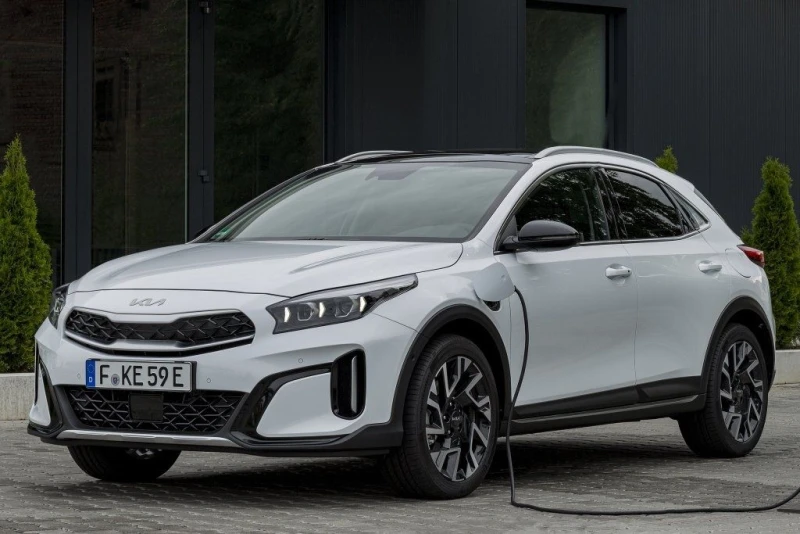
The car officially debuted in March 2018 at the Geneva Motor Show, with initial sales in Europe starting that summer. In the US market, the closely related Forte lineup arrived around the same time through Kia dealers, with some parallel imports and model overlaps earlier. Built on the modern K2 platform—developed jointly with Hyundai for C-segment compacts—the Forte delivers sharp handling and strong value.
In the Kia lineup, the 3rd-gen Forte serves as a compact hatchback or sedan aimed at practical buyers, slotting between the smaller Rio and larger K5 or Sportage. The family includes sportier variants and crossover-inspired options sharing the same foundation. Standout features of this generation include aggressive styling influenced by the Stinger flagship, a shift to turbocharged engines, better sound insulation, and the Drive Wise suite of driver aids. Reviews frequently praise its excellent price-to-equipment ratio, positioning it as a solid rival to the Honda Civic, Toyota Corolla, or Volkswagen Golf equivalents.
What’s New Compared to the Previous Generation
The prior 2nd-gen Forte (2012–2018) earned praise for reliability and simplicity, but the 3rd generation brought major upgrades. The exterior became more athletic: wider by about 0.8 inches, lower by nearly an inch, with sharper lines replacing softer curves. The signature tiger-nose grille grew bolder, headlights incorporated LED accents, and the overall stance feels more dynamic thanks to a longer rear overhang.
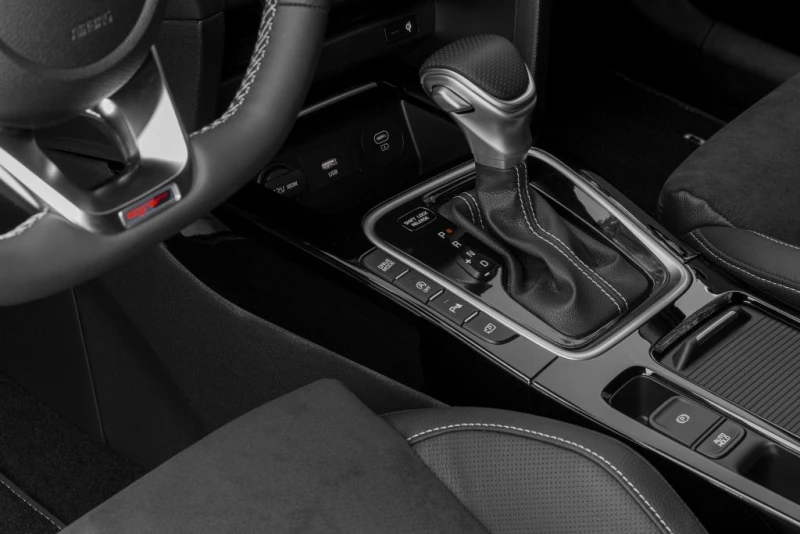
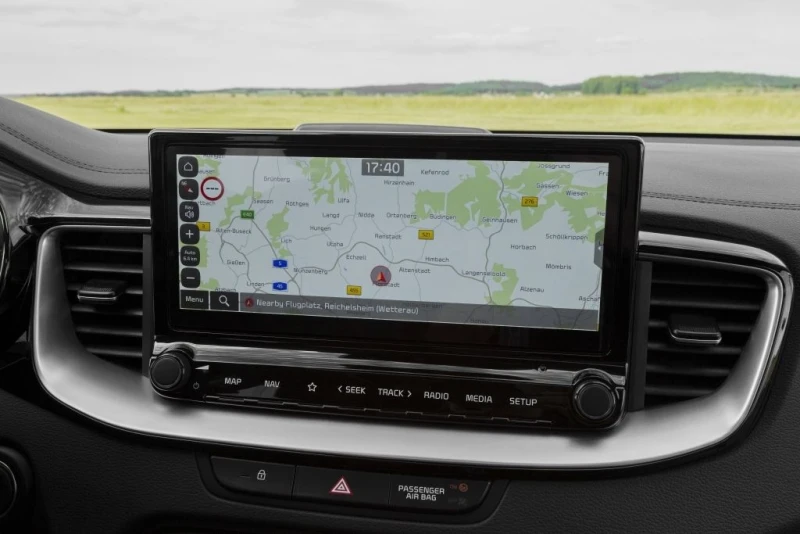
The chassis switched to the stiffer, lighter K2 platform—boosting body rigidity by around 30% and improving handling precision. Suspension (MacPherson struts front, multi-link rear) balances comfort and stability better than before. Tech leaped forward with new turbo engines (1.0L and 1.6L T-GDi replacing older naturally aspirated units in many markets), a smooth 7-speed dual-clutch transmission, available digital gauge cluster, and larger 10.25-inch infotainment touchscreen. Interior space grew too: hatchback cargo increased to roughly 15.6 cu ft (from previous levels), rear legroom improved, and cabin quietness enhanced significantly.
Safety jumped ahead: strong crash-test ratings (5-star equivalent in relevant programs), plus standard automatic emergency braking, blind-spot monitoring, lane-keep assist, and traffic-sign recognition in higher trims. Overall, this generation feels more refined and tech-forward, appealing strongly to American compact-car shoppers.
Current Generation Status
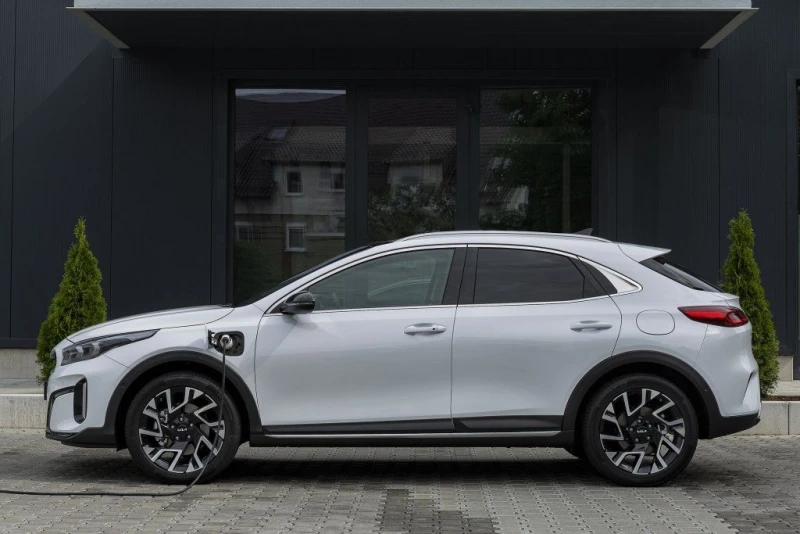
As of early 2026, the 3rd-gen Forte remains current following its 2021 facelift. That update introduced a fresh Kia logo, revised front fascia (new grille, headlights, bumper), updated taillights with dynamic signals, and fresh wheel designs (16–18 inches). The cabin gained higher-quality materials, updated infotainment software with wireless Apple CarPlay/Android Auto, and an expanded suite of driver assists. Mild-hybrid options appeared in select markets around 2024–2025 for better fuel efficiency.
Current body styles include sedan and hatchback variants. Key powertrains available in the US and similar markets:
- Gasoline 1.6L naturally aspirated or turbo variants (around 147–201 hp, torque 132–195 lb-ft, 6-speed manual or CVT/7-speed DCT, front-wheel drive);
- Turbo 1.6L T-GDi (around 201 hp in GT trims, 195 lb-ft, 7-speed DCT, front-wheel drive);
- Mild-hybrid versions in select regions for improved efficiency (not widespread in US but available in some compact offerings).
Older naturally aspirated 2.0L units phased out in many places, but still common on the used market. Popular current setups: turbo models with DCT in GT-Line and higher trims.
US Market Overview
In the United States, the Kia Forte remains a popular compact choice. As of early 2026, thousands of listings appear on major sites like Cars.com, Autotrader, and CarGurus, covering sedans, hatchbacks, and sportier variants. New models are readily available at Kia dealerships nationwide, with strong inventory from recent production.
The used market is very active: most vehicles are 2019–2024 models with 30,000–100,000 miles, often in excellent condition thanks to reliable engineering and good maintenance. Approximate price ranges (depending on year, mileage, condition, and trim):
| Model Year | Trim / Engine | Approximate Market Price (USD) |
| 2019–2020 | Base / 2.0L naturally aspirated | $10,000 – $14,000 |
| 2021–2022 | GT-Line / 1.6L Turbo | $15,000 – $20,000 |
| 2023–2024 | Higher trims / Turbo or Mild-Hybrid | $18,000 – $24,000 |
| 2025–2026 (new or low-mileage) | GT-Line or top trims | $22,000 – $28,000+ |
Approximate market price for the United States. Most sought-after versions include turbo engines with automatic transmission in mid-to-high trims, offering the best mix of performance and features.
Main Trims and Features in the US Market
Typical US-market trims for this generation include FE (base), LXS (value), GT-Line (sporty), and GT (performance-focused).
Base FE: cloth upholstery, air conditioning, 8-inch touchscreen, cruise control, basic safety suite (ABS, stability control, multiple airbags), 15–16-inch wheels.
LXS/GT-Line: dual-zone climate, heated seats/steering wheel (in many packages), rearview camera, parking sensors, 17-inch alloys, wireless smartphone integration.
Higher trims: available leather/synthetic combos, 10.25-inch touchscreen with navigation, wireless charging, full Drive Wise package (blind-spot collision avoidance, adaptive cruise, lane centering), optional sunroof and LED headlights.
GT-Line / GT: sport-tuned suspension, body kit, premium audio, 18-inch wheels, bolstered seats, full suite of assists. US buyers often prefer turbo models for stronger acceleration on highways like I-5 or I-95, plus cold-weather packages in northern states.
Conclusions and Generation Relevance
Today’s 3rd-gen Forte suits families and commuters seeking a compact car for city driving, highway trips, and everyday reliability with strong value and equipment levels. It appeals to buyers who want sharp looks and proven Korean dependability.
A new vehicle offers the full factory warranty (10-year/100,000-mile powertrain in the US) and the latest updates like mild-hybrid efficiency. Used examples can save 20–40%, especially 2021–2023 models with clean history.
The generation stays relevant in 2026 thanks to the 2021 refresh, modern tech, and competitive positioning in the compact segment. When shopping in the US, focus on:
- Service records (dealer maintenance);
- Transmission and suspension condition (DCT needs proper care);
- Mileage and accident-free history (check CARFAX or similar);
- Regional preferences (premium fuel for turbos, highway-tuned setups).
Reviews highlight that the model remains a smart, competitive choice in the American market in 2026.