For shoppers considering a used Tucson or a new model, it is important to look beyond the crossover’s strong points and understand how it performs under everyday American conditions. Potholes, winter road salt in the Northeast and Midwest, hot summers in the Southwest, variable fuel quality, and intensive family use can all expose issues that may not appear during a short test drive. Separate articles in this series cover the generation overview, specifications, and interior in greater detail.
Early Production Models and the Impact of the 2025 Refresh
Some early 2022 and 2023 vehicles experienced the type of minor issues often associated with the launch of a new platform. On U.S.-market models, complaints were more commonly related to software behavior, sensors, infotainment performance, and occasional powertrain calibration irregularities than to major mechanical failures. Many affected components or software versions were addressed under warranty, through dealer updates, or during routine service visits.
The 2025 refresh brought meaningful improvements to the dashboard layout, multimedia system, climate controls, and electronic calibration. Updated models generally feel more polished, with fewer minor interface glitches and more intuitive physical controls for frequently used functions.
The used market is currently dominated by 2022–2024 vehicles with approximately 20,000–50,000 miles. Condition depends heavily on maintenance history and operating region. Vehicles from the Snow Belt may require closer inspection for corrosion, underbody damage, and suspension wear caused by road salt, freeze-thaw cycles, and rough pavement.
Real-World Fuel Economy and Powertrain Performance
EPA ratings can be difficult to match in heavy traffic, during short winter trips, or at sustained interstate speeds. The naturally aspirated 2.5-liter gasoline engine commonly returns roughly 23–27 mpg in urban driving and about 29–34 mpg on the highway, depending on drivetrain, wheel size, traffic, and driving style. Owners of hybrid versions often report approximately 33–39 mpg in mixed use, although fuel economy can decline during cold starts, short commutes, and high-speed highway driving.
The diesel and smaller naturally aspirated engines offered in some overseas markets were not mainstream U.S. configurations. American buyers will primarily encounter the 2.5-liter gasoline engine, the turbocharged hybrid, and the plug-in hybrid. These powertrains are generally reliable when serviced correctly, but they remain sensitive to neglected oil changes, poor-quality replacement fluids, and skipped maintenance.
Turbocharged 1.6-liter hybrid models may occasionally show light oil seepage around upper engine seals or covers. This is usually a manageable service issue rather than a sign of immediate engine failure. Using the manufacturer-recommended oil specification and replacing it at sensible intervals is particularly important for vehicles driven mainly on short trips.
Suspension and Ride Quality on American Roads
The suspension absorbs most potholes and broken pavement well, but vehicles equipped with 18- or 19-inch wheels can feel firm over expansion joints, patched asphalt, speed bumps, and washboard surfaces. Stabilizer links, bushings, and tie-rod ends are typical wear items, with service life varying considerably according to road quality and driving habits.
Rear suspension bushings may require attention after roughly 35,000–50,000 miles on vehicles regularly driven over poor roads. The available HTRAC all-wheel-drive system is generally dependable, but owners in areas with heavy winter salt should inspect the coupling, seals, differential housings, and underbody components for leaks or corrosion. Differential and transfer-case fluids should not be ignored simply because they are not replaced during every basic oil service.
Bodywork, Paint Quality, and Exterior Protection
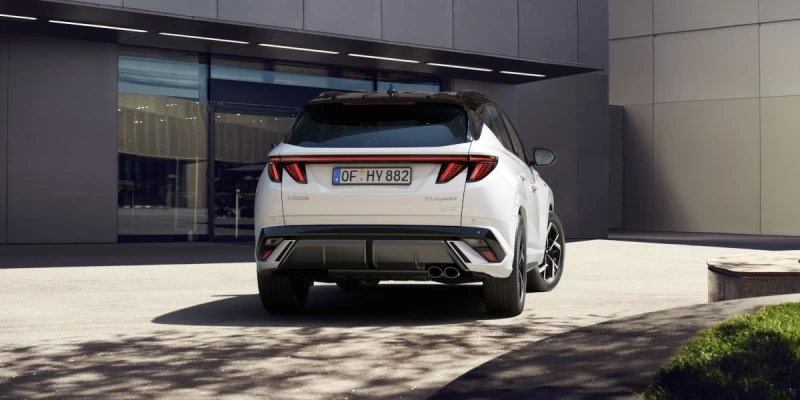
The Tucson NX4 has relatively thin paint, and the leading edge of the hood, the roofline above the windshield, rocker panels, and lower door sections are especially vulnerable to chips. Gravel, highway debris, and winter sanding materials can quickly leave visible marks.
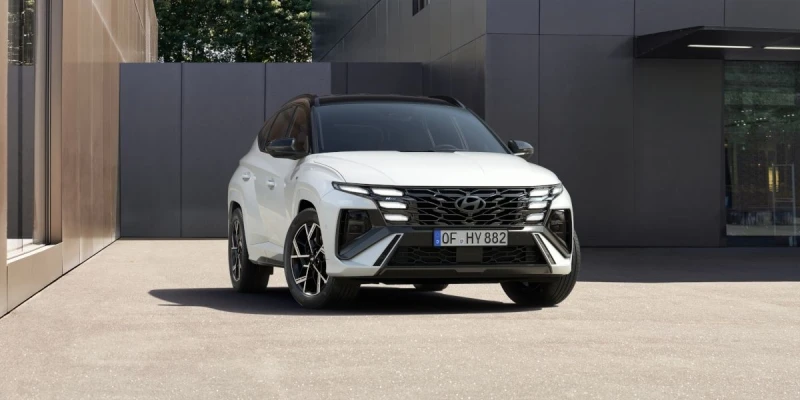
The parametric-style grille and dark or bright exterior trim may also show damage from small impacts. Many owners add paint-protection film to the hood, headlights, daytime running lights, and mirror caps. A professionally installed protective mesh behind the grille can reduce damage to the radiator and air-conditioning condenser, although it must not restrict airflow or interfere with active safety sensors.
Dirt, moisture, and road salt can collect around the wheel arches, door seams, and lower body cavities. Regular washing of the underbody and wheel wells is worthwhile in states that use aggressive deicing chemicals. Long-term corrosion resistance is generally acceptable, but neglected vehicles from northern regions deserve a thorough inspection on a lift.
Visibility, Interior Quality, and Daily Use
One commonly mentioned drawback is limited forward-side visibility caused by the wide front pillars and relatively narrow side glass. Drivers pulling out of angled intersections or crowded parking lots may need to move their heads to check blind areas carefully. The rearview camera is useful, but its exposed lens becomes dirty quickly in rain, snow, and slushy conditions.
Interior materials are practical and generally wear well, although light plastic creaks may appear after approximately 30,000 miles, particularly in cold weather. Road and tire noise insulation is average for the compact crossover segment. Coarse pavement, aggressive all-season tires, and larger wheels can produce noticeable cabin noise at interstate speeds.
Infotainment systems in early vehicles occasionally responded slowly or experienced connection glitches. Software updates improved stability, while the redesigned 2025 dashboard added more convenient physical controls. Pre-refresh models rely more heavily on touch-sensitive panels, which some drivers find distracting while the vehicle is moving.
What to Check Before Buying and What Can Be Improved
When shopping for a Tucson in the United States, prioritize a documented maintenance history and confirm that all applicable recalls, service campaigns, and software updates have been completed. A pre-purchase inspection should include the engine and cooling system, catalytic converter, hybrid components where applicable, intercooler and turbocharger plumbing, suspension, brakes, all-wheel-drive hardware, and underbody corrosion.
Vehicles originally sold in Canada or imported from other markets may have different powertrains, equipment packages, warranty coverage, lighting, software, and emissions hardware. The VIN should be checked carefully to confirm the original market, specification, accident history, and current recall status.
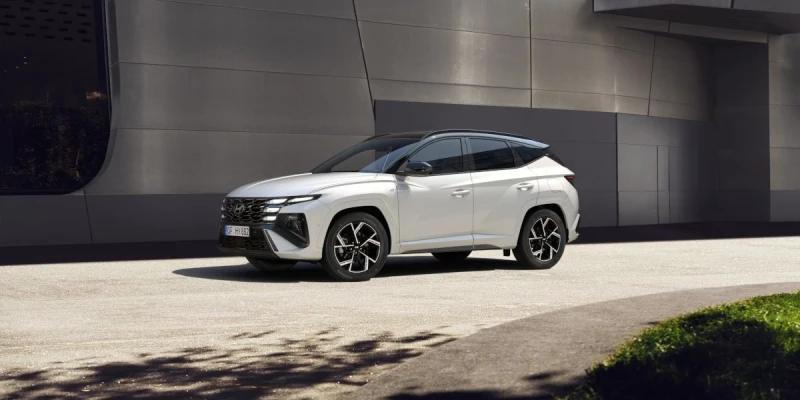
Most of the reported weaknesses are not universal and can be managed through preventive maintenance, protective film, regular underbody cleaning, timely replacement of worn suspension parts, and high-quality servicing. Repair and maintenance costs are generally comparable with other mainstream compact crossovers, while parts availability and Hyundai’s extensive U.S. dealer network remain important advantages.
Approximate market price for the United States: used 2022–2024 Hyundai Tucson models commonly fall in the $19,000–$31,000 range, while low-mileage 2025–2026 vehicles, hybrids, plug-in hybrids, and higher trims may cost approximately $28,000–$43,000. Actual pricing depends on mileage, drivetrain, trim level, condition, location, and vehicle history.
Overall, the Tucson IV remains a well-rounded choice for buyers who approach the purchase carefully. Later 2024 models and refreshed 2025–2026 versions are generally preferable because they benefit from software updates, control-layout improvements, and corrections introduced after the first production years. A thorough inspection and consistent maintenance are still essential for avoiding unexpected expenses.