


The cabin of the 2017–present Hyundai i30 combines solid European-style ergonomics with good-quality materials and up-to-date technology. The i30 offers interior choices across different body styles (hatchback, wagon, Fastback) with strong emphasis on everyday practicality. Below we take a detailed look at the most important aspects of the interior as it is appreciated on the American used-car market.
Overall Cabin Overview
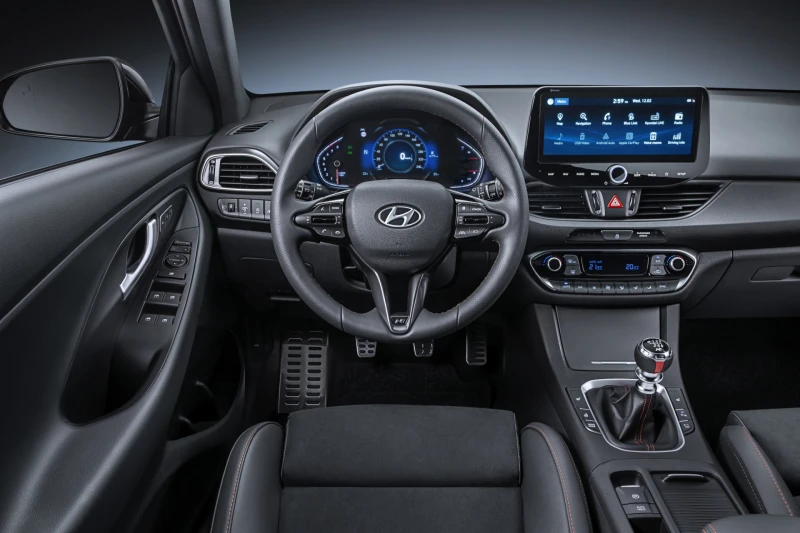
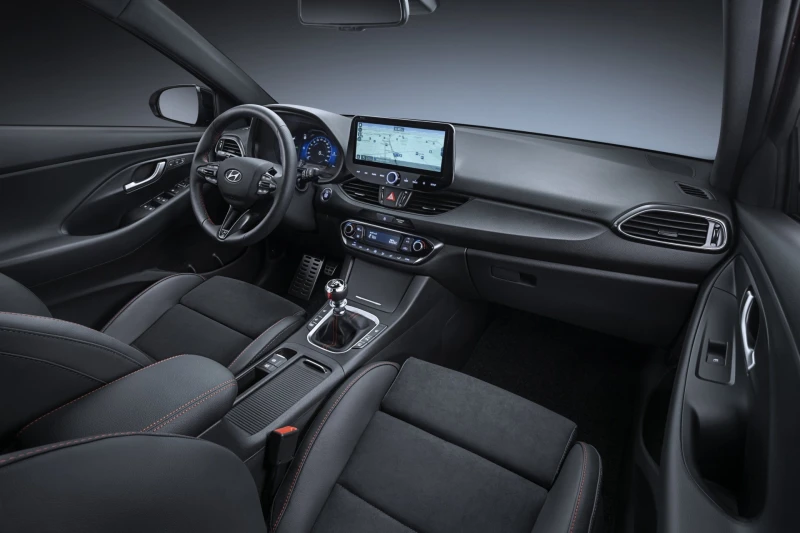
The Hyundai i30 PD interior follows clean, horizontal European design language with good driver focus. Upper parts of the dashboard and doors are covered in soft-touch plastic, while higher trims add aluminum-look or wood-grain accents. Entry-level versions use more hard plastics — durable and wear-resistant, although they can feel less upscale. Overall build quality is strong with tight panel gaps; some owners report minor creaks in lower dashboard areas after high mileage.
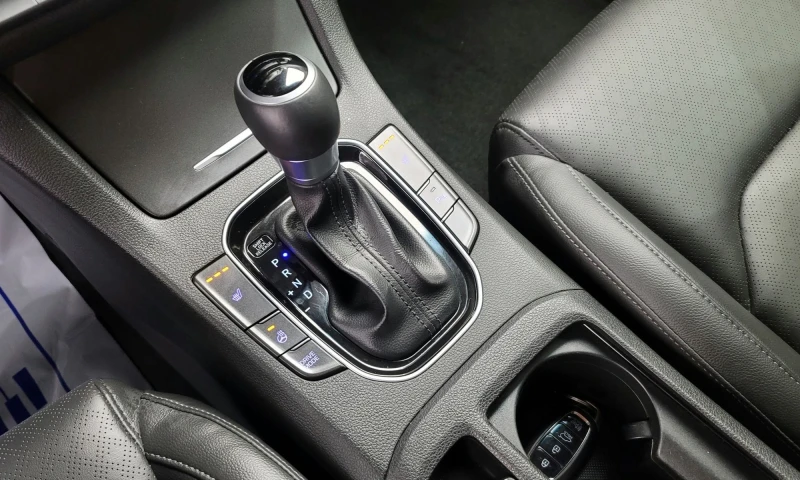
The instrument panel is clearly driver-oriented: either classic analog gauges or the very nice digital cluster (post-facelift), nicely integrated with the central 8–10.25-inch touchscreen. The center console keeps physical climate and audio buttons plus generous storage areas. Driver ergonomics are excellent — height & reach adjustable steering column, good side support seats and available power adjustment.
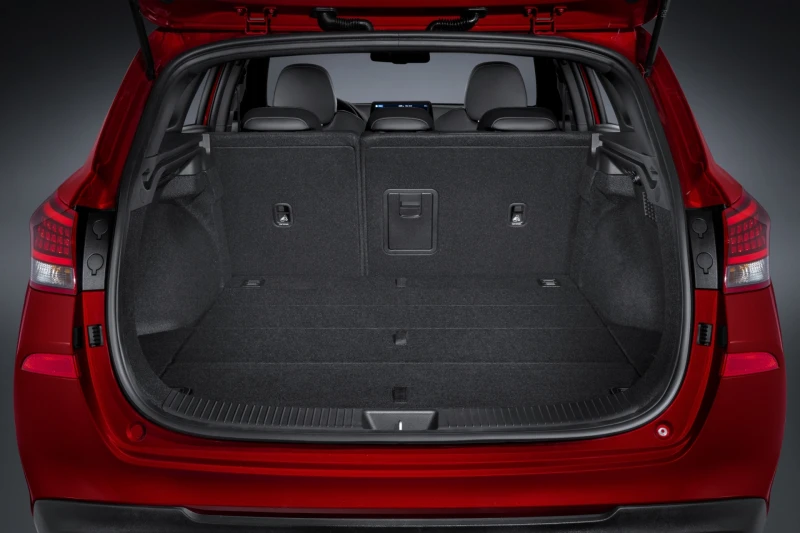
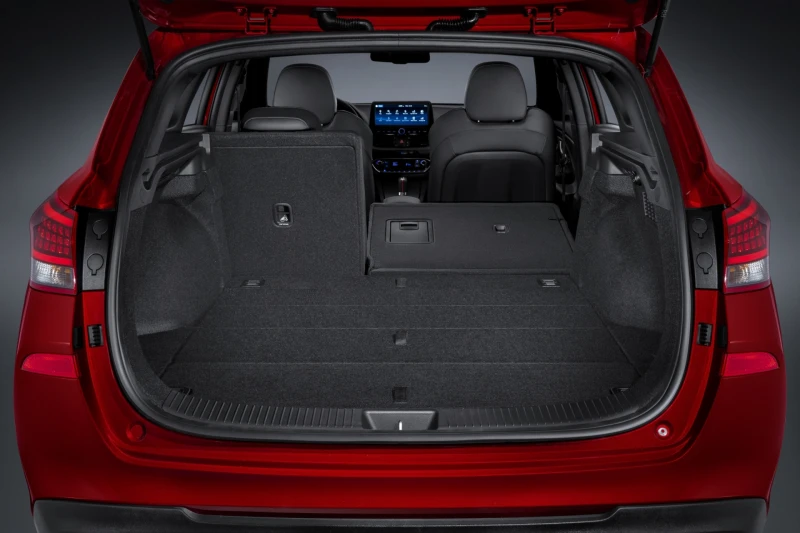
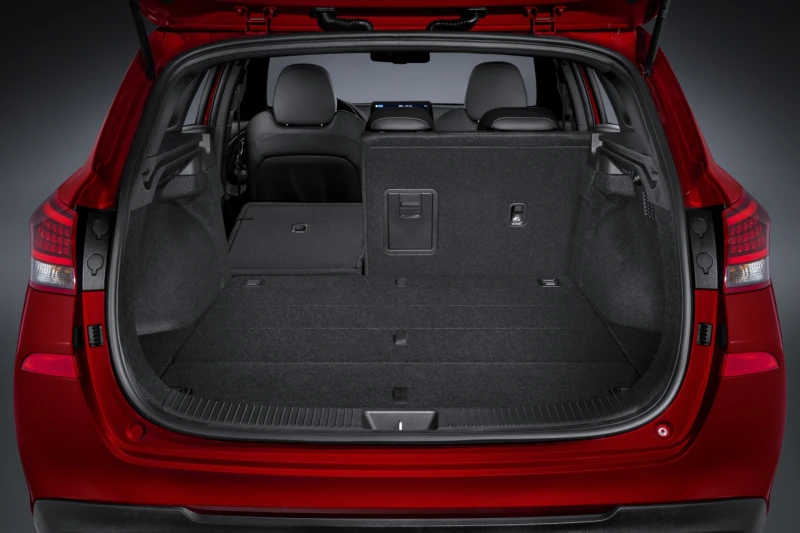
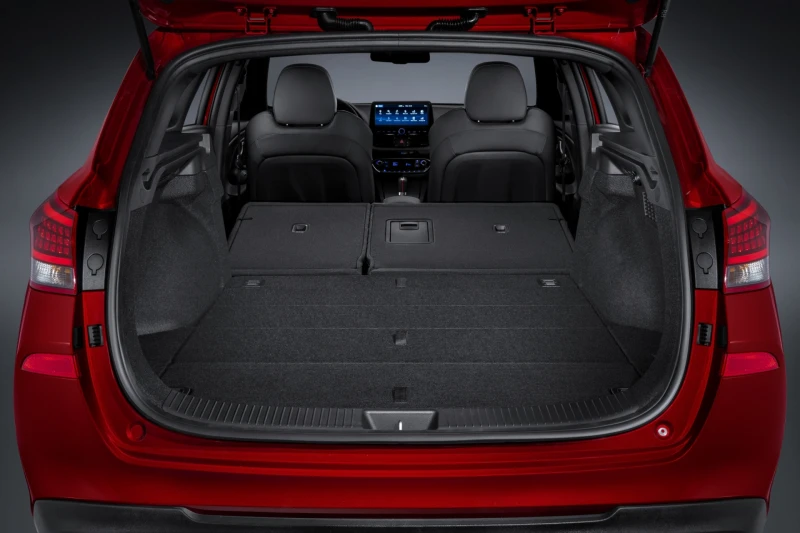
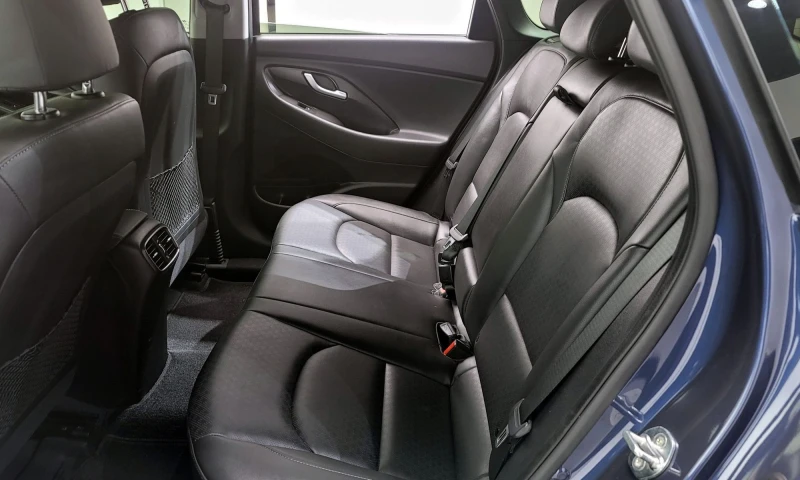
Front seats offer very good comfort and enough head- and legroom for drivers up to ≈6'1". Rear seat space is acceptable for three adults thanks to the 104.3-inch wheelbase, though the middle passenger will feel the floor tunnel. 60:40 split-folding rear seats significantly increase cargo flexibility. Hatchback trunk starts at 395 liters (≈13.9 cu ft) and grows to 1301 liters (≈46 cu ft) with seats folded; wagon versions start at 602 liters (≈21.2 cu ft) and reach 1650 liters (≈58.3 cu ft). Practical touches abound: multiple USB ports, plenty of cupholders, available wireless charging. Overall — very good daily driver and small family car for American conditions.
Trim Levels Available on the US Market
On the American used-car market the Hyundai i30 PD is mostly seen in European-spec versions. The most frequently encountered trim names are roughly equivalent to: Comfort/Base → Style/SEL → Premium/Limited → N Line/N Performance. The market strongly favors gasoline engines and automatic transmissions.
Base/Comfort level usually includes: cloth upholstery, manual or automatic climate control, 8-inch touchscreen with Apple CarPlay & Android Auto, solid safety package (ABS, ESC, 7 airbags). Single-zone climate + heated mirrors are very common.
Style/SEL specification normally adds: dual-zone automatic climate control, heated front seats + heated steering wheel, rearview camera, parking sensors, larger 10.25-inch multimedia display. Combination cloth + eco-leather seating surfaces are typical. Advanced driver aids usually include Blind-Spot Collision Warning and Lane Keeping Assist.
Premium/Limited specification normally brings: leather or high-quality eco-leather seating, full LED lighting, keyless entry & push-button start, power driver's seat, Adaptive Cruise Control. Panoramic sunroof and Bose premium audio are frequently seen options. N Line / N versions add sport seats (frequently with Alcantara), red accent stitching, sport-tuned suspension and 18-inch wheels.
Approximate **used market price range** in the United States (2025–2026, depending on year/mileage/condition):
Base/Comfort models ≈ **$13,500 – $17,500**
Mid trims (Style/SEL) ≈ **$16,000 – $21,000**
Well-equipped Premium/Limited ≈ **$19,000 – $24,500**
N Line / N Performance versions ≈ **$24,000 – $32,000+**
| Trim Level | Key Interior Features | Approx. Used Market Price Range (USD) |
| Base/Comfort | Cloth seats, A/C, 8" screen, basic safety suite | $13,500 – $17,500 |
| Style/SEL | Cloth+eco-leather, dual-zone climate, heated seats/wheel, 10.25" screen | $16,000 – $21,000 |
| Premium/Limited | Leather/eco-leather, keyless entry, adaptive cruise, full LED lights | $19,000 – $24,500 |
| N Line / N | Alcantara/sport seats, red accents, sport suspension, premium audio | $24,000 – $32,000+ |
Interior Changes over the Years & Facelift Updates
During the PD generation (since 2017) the cabin received several meaningful updates. Early cars (2017–2019) came with analog instruments, 8-inch multimedia screen and good — but not outstanding — sound insulation.
After the 2020 facelift the interior took a significant step forward: 10.25-inch digital instrument cluster became available, multimedia system received updated software + Bluelink connectivity, USB-C ports appeared, and overall noise insulation (especially wheel arches and doors) was noticeably improved. New interior color schemes and better materials were introduced. N Line versions received more pronounced sporty touches.
Current strong points: large screen with wireless smartphone integration, very good suite of modern driver assists. The oldest pre-facelift cars with small screens and analog gauges are starting to feel dated.
Most Common Owner Complaints & Interior Weak Points
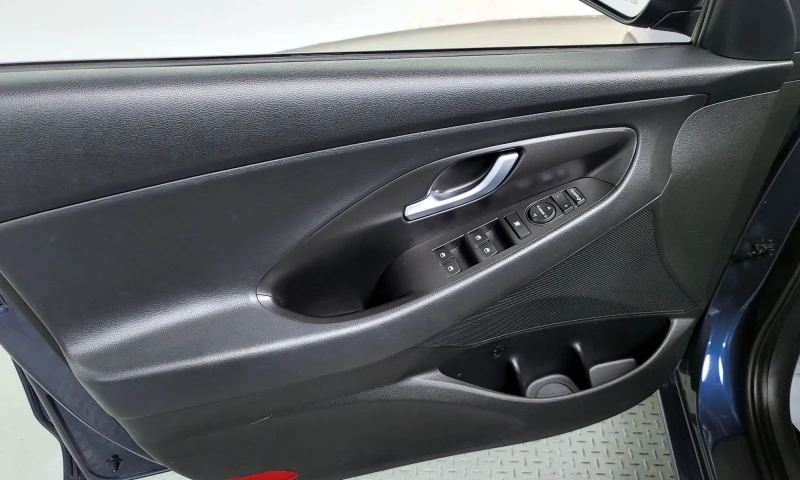
Typical high-mileage wear items reported by owners: scratches on the center console plastic, steering wheel rim wear after 60–90k miles. Some cars develop creaks/rattles in door cards and rear shelf area — especially noticeable on cars that have seen a lot of rough roads.
Rear seat is okay for three people but feels a bit narrow. Thick rear pillars limit outward visibility — can be noticeable in heavy city traffic. Light-colored upholstery requires more frequent cleaning, especially in areas that use road salt in winter. Overall interior is quite durable, but neglected examples with poor service history will show accelerated wear.
Conclusions — Is the i30 PD Interior Still Worth Considering in 2026?
Even in 2026 the Hyundai i30 PD interior (especially post-2020 facelift versions) remains very competitive in the compact class — good balance of comfort, technology and practicality.
Today the sweet spot for most buyers is Style/SEL or Premium specification — excellent feature-to-price ratio. N Line is nice if you really want the sporty feeling and looks. For used examples the most attractive price/condition balance is usually found in clean 2020–2022 cars.
When buying used — pay special attention to: condition of plastics, absence of annoying rattles, quality of previous service records and overall noise insulation condition.