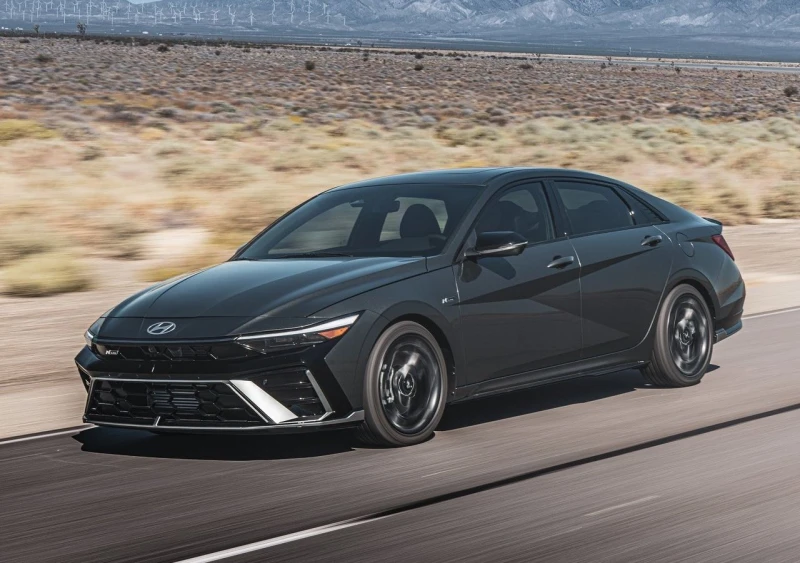
Technical specifications for the Hyundai Elantra VII vary by region. In the United States, the lineup emphasizes efficient naturally aspirated and hybrid powertrains, with the turbocharged N Line available for performance enthusiasts. Exterior styling, interior, trim levels, and common issues are covered in other articles in this series.
Engines and Transmissions
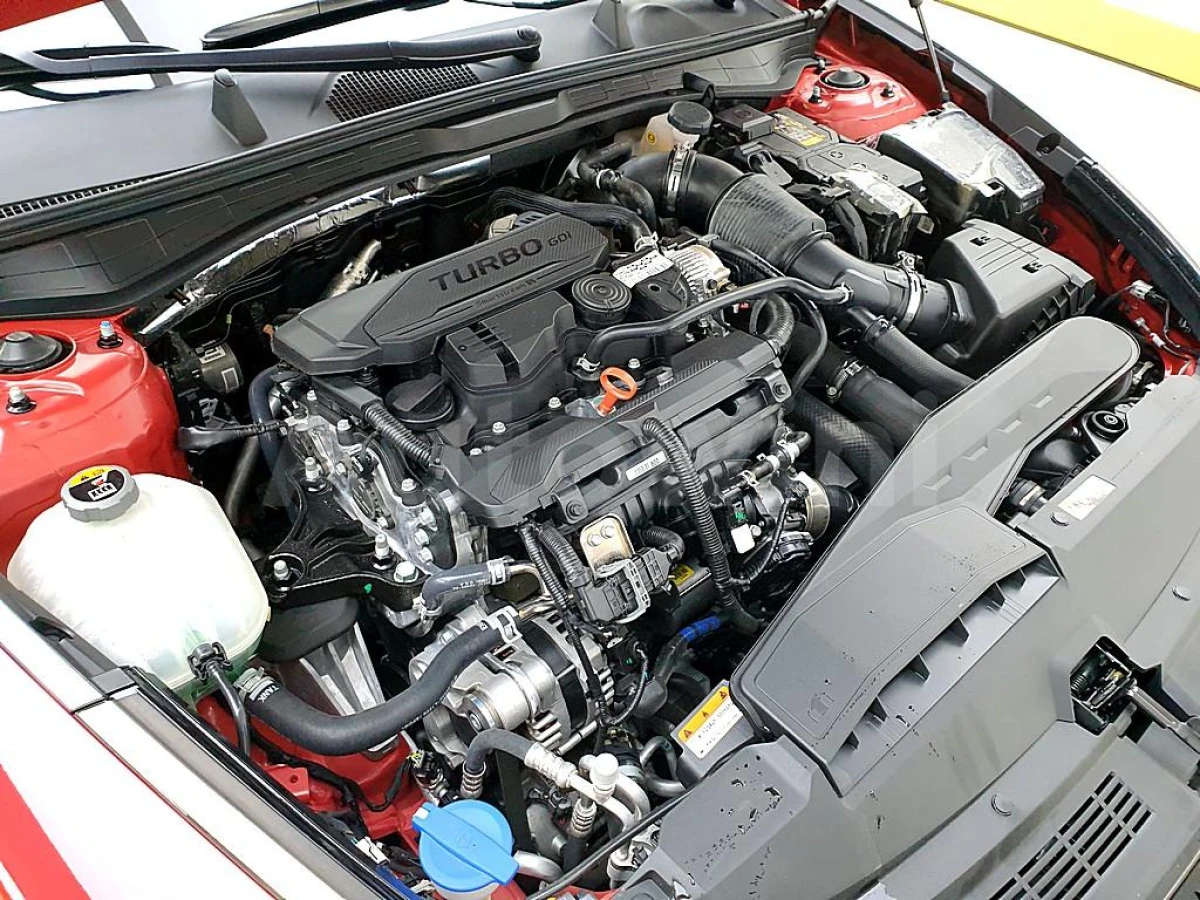
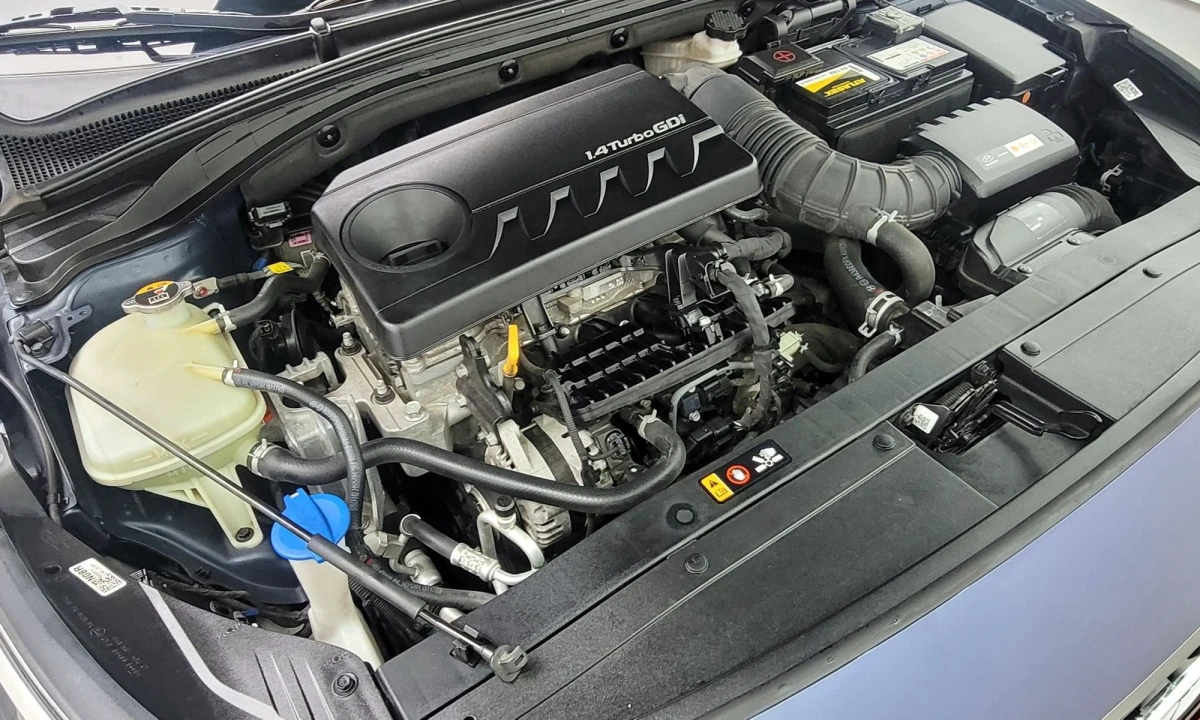
For the CN7 generation, Hyundai offers several powertrains, but the U.S. market focuses primarily on the 2.0L naturally aspirated engine, with hybrid and turbo options also available. Diesel variants are not offered in the U.S.
Below is a table of the main powertrains available in the 2020–2026 model years and commonly found in the American market.
| Engine Type | Displacement, L | Power, hp | Engine Code | Transmission Type | Drivetrain | Notes / Market Availability |
| Gasoline naturally aspirated | 2.0 | 147–150 | Smartstream G2.0 | IVT (CVT) | Front-wheel | Mainstream U.S. configuration across most trims |
| Gasoline turbocharged | 1.6 | 201 | 1.6 T-GDi | 7-speed DCT | Front-wheel | N Line performance variant; widely available |
| Hybrid | 1.6 | 139–141 (system) | 1.6 GDi HEV | 6-speed DCT (hybrid) | Front-wheel | Popular hybrid trim; excellent efficiency |
The most common setup in the U.S. is the 2.0L with IVT continuously variable transmission. The hybrid is a strong choice for fuel-conscious buyers, while the N Line appeals to driving enthusiasts. The 1.6L naturally aspirated engine is less common in recent U.S. models.
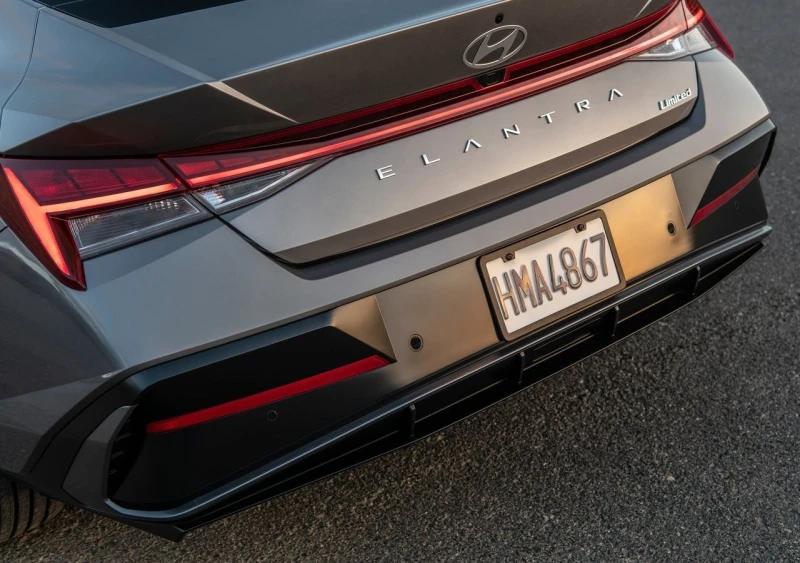
Dimensions and Weight
The Hyundai Elantra CN7 dimensions saw minor updates after the 2023–2024 facelift but remain consistent overall. Slight variations occur depending on trim, wheels, and options (e.g., sunroof or larger wheels add minor weight).
| Parameter | Value | Notes |
| Length, in | 184.1–185.4 | Post-facelift up to ~185.4 in |
| Width, in | 71.9 | Excluding mirrors |
| Height, in | 55.7–55.9 | Depends on wheels and suspension |
| Wheelbase, in | 107.1 | Consistent across versions |
| Curb Weight, lbs | 2,800–3,100 | Base 2.0L IVT ≈ 2,900–3,050 lbs |
| Gross Vehicle Weight, lbs | 3,800–4,000 | Varies by version |
| Trunk Volume, cu ft | 14.2 | Standard for the class |
| Fuel Tank Capacity, gal | 12.4 | Standard |
Average figures apply to most U.S. examples (primarily 2.0L IVT models).
Yearly Updates and Facelift
The CN7 generation remains current. A mid-cycle refresh in 2023–2024 brought styling tweaks without major mechanical changes. Post-facelift updates include:
- Revised bumpers, headlights, and taillight graphics;
- New wheel designs and interior trim options;
- Expanded suite of driver-assistance features;
- Hybrid trims gaining popularity across the lineup.
As of 2026, dominant U.S. configurations are the 2.0L IVT and hybrid models, with the 1.6T N Line reserved for sportier versions.
Driving and Ownership Notes
In the U.S., the 2.0L Smartstream engine is regarded as reliable and low-maintenance, with a lifespan often exceeding 150,000–200,000 miles with proper care. The hybrid variant excels in city driving with outstanding efficiency. The 1.6T N Line demands premium unleaded fuel and more frequent oil changes in aggressive driving conditions—typically every 5,000–7,500 miles in urban use.
According to EPA estimates and real-world data, average fuel economy (combined) includes:
- 2.0L IVT — 34–36 mpg;
- Hybrid — 50–54 mpg (even higher in city driving);
- N Line — 31–34 mpg in mixed driving.
The IVT transmission is generally durable with regular fluid changes. The 7-speed DCT in N Line and hybrid models requires attentive maintenance. Parts are widely available, with reasonable costs for routine items (filters, brakes, shocks) and higher for major components (transmission, turbo). Repairability is excellent, and most shops are familiar with the model.
Summary and Best Choice for the U.S. Market
The sweet spot for most American buyers is the 2.0L with IVT—offering solid performance, excellent fuel economy, low ownership costs, and strong resale value. It dominates both new and used listings from 2021–2025 models.
The hybrid is ideal for high-mileage commuters, delivering exceptional efficiency. The N Line suits enthusiasts who want sharper handling and more power, though it comes with higher fuel and maintenance demands.
When shopping, prioritize vehicles with documented service history—especially important for any imported or high-mileage examples—and favor those with clear accident-free records and verified mileage.