The seventh-generation Hyundai Elantra (CN7 body code) has been in production since 2020 and remains on sale today. It continues to be one of the most popular compact sedans (C-segment) across many markets, including the United States.
The global debut of the seventh-generation Elantra took place in March 2020 in South Korea under the name Avante. Deliveries to North America began in late 2020, with strong availability on the U.S. market starting in 2021. The model rides on Hyundai-Kia's modern third-generation K3 modular platform, designed for C- and D-segment vehicles.
Within the Hyundai lineup, the Elantra CN7 is positioned as a more expressive and tech-forward sedan than the i30 hatchback, while remaining more affordable and compact than the Sonata. Standout features of this generation include the signature "parametric" design language rooted in Sensuous Sportiness, dramatically improved noise and vibration insulation compared to the previous model, a comprehensive suite of active and passive safety systems, and a wide range of powertrains, including hybrid variants in many regions.
What's New Compared to the Previous Generation
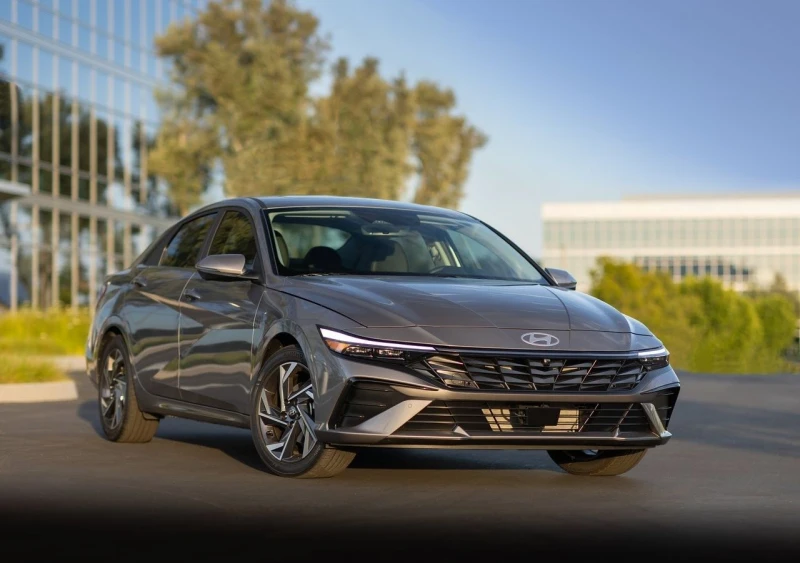
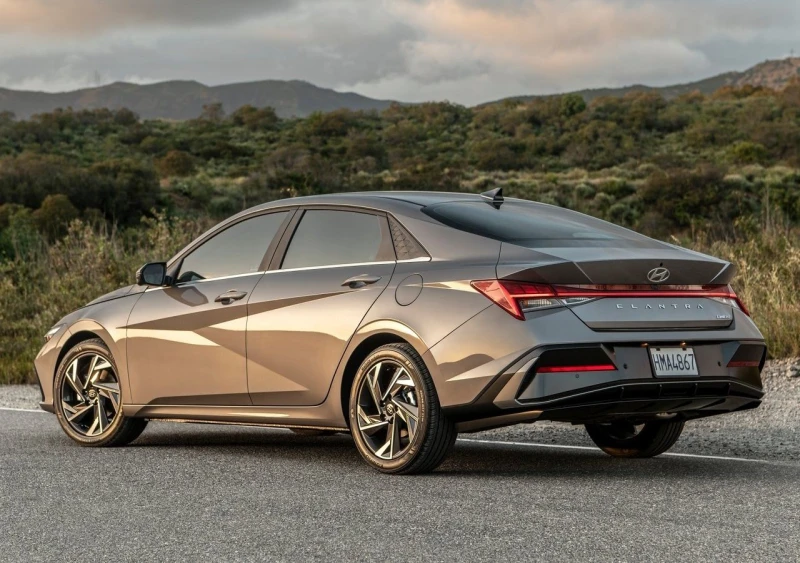
Compared to the prior AD generation (2015–2020), the Hyundai Elantra CN7 received a radically redesigned exterior: sharper lines, a massive parametric-pattern grille, slim LED headlights and daytime running lights connected in a single strip. The rear end is bolder thanks to horizontal taillights and intricate bumper sculpting.
The K3 platform delivers increased body rigidity (+10–15% depending on the zone), refined suspension geometry, and a lower center of gravity. Wheelbase grew by 20 mm (to 2720 mm), noticeably improving rear-seat space.
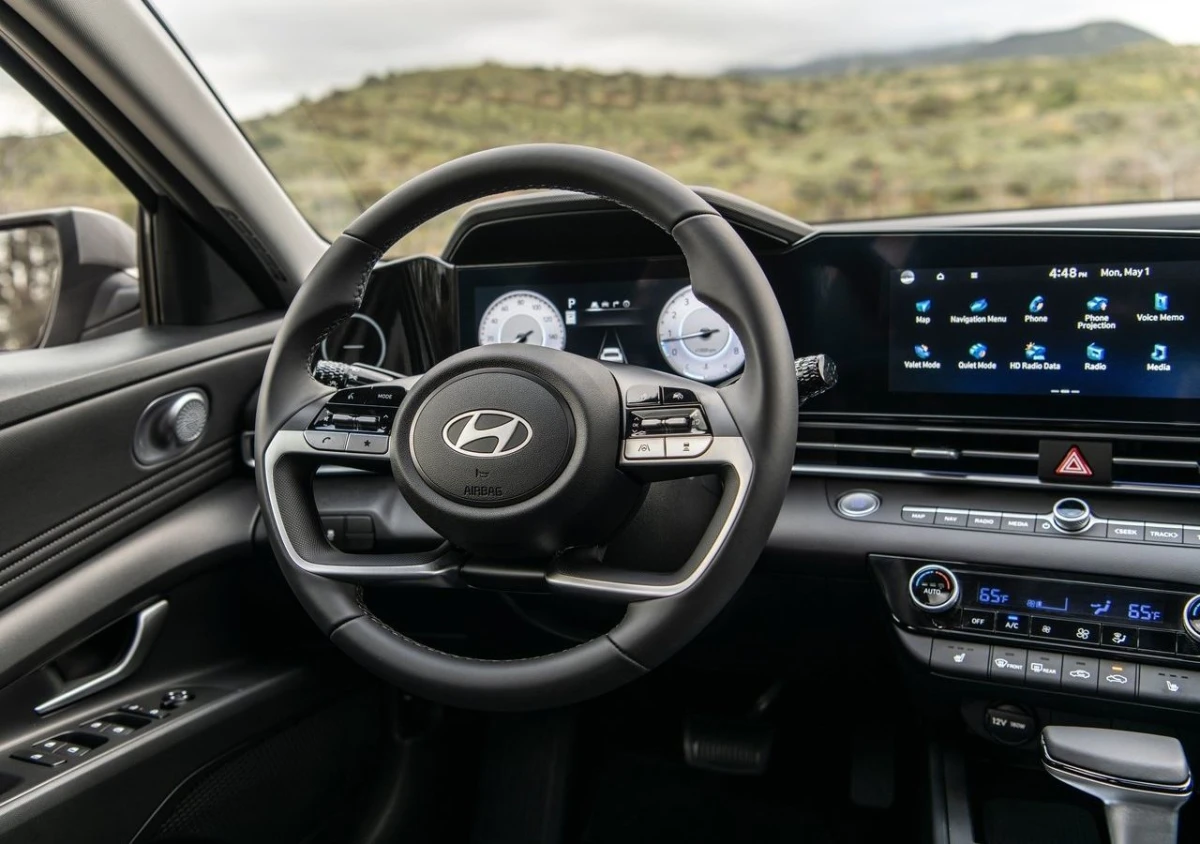
Comfort levels jumped significantly: extra sound-deadening materials, acoustic front glass (in higher trims), and upgraded interior finishes. The infotainment system upgraded to a 10.25-inch screen (from 8"), with wireless Apple CarPlay and Android Auto support in many configurations.
Safety reached a new level: six airbags became standard, along with automatic emergency braking, lane-keeping assist, blind-spot monitoring, adaptive cruise control, and more (depending on trim and market).
Current Generation Status
As of 2025–2026, the CN7 generation remains fully relevant and continues in production with no major structural changes. A planned facelift in 2023–2024 introduced:
- refreshed front-end styling (new grille and bumper shape);
- revised rear taillight graphics;
- expanded driver-assist features (including left-turn collision avoidance and enhanced blind-spot monitoring);
- new interior trim options and wheel designs.
On most markets, including the United States, the facelifted version has largely replaced pre-facelift models.
Some powertrains have been phased out or limited: in certain regions, the naturally aspirated 2.0 MPI disappeared, and diesel options were reduced. Current mainstream configurations in the U.S. include:
- 2.0L MPI (147 hp) with CVT (Intelligent Variable Transmission);
- 1.6L turbo in N Line variants (201 hp) with 7-speed DCT;
- Hybrid 1.6L GDi HEV (in various trims, widely available through dealers).
U.S. Market
The used market in the United States offers a good selection of Hyundai Elantra CN7 models. As of early 2026, thousands of listings are available across major platforms, depending on filters and location. New 2025–2026 models are readily available at official Hyundai dealers nationwide, with strong inventory in most regions. Gray-market imports from Korea or certified pre-owned units from earlier years are also common.
Approximate market price range (depending on year, mileage, condition, and trim; approximate retail values):
- 2020–2022 models — $14,000–$20,000;
- 2023–2024 facelift models — $18,000–$24,000;
- 2025–2026 new / near-new — $22,000–$30,000+ (MSRP starts around $22,000–$23,000 for base models, up to $29,000–$31,000 for higher trims and N Line).
Most popular versions feature the 2.0L engine with automatic transmission in mid- to upper-level trims like SEL, Limited, or SEL Sport. Hybrids and N Line models command a premium and remain desirable.
Main Trims and Equipment on the U.S. Market
Common trims available include:
| Trim | Key Features |
| SE / Base | Cloth interior, air conditioning, 15–16" wheels, 8" multimedia, 6 airbags, ABS, ESC, basic safety assists |
| SEL / SEL Sport | Dual-zone climate control, heated front seats, rearview camera, light/rain sensors, 8–10.25" touchscreen, wireless charging |
| Limited | Synthetic leather seating, full LED lighting, keyless entry & start, power driver's seat, adaptive cruise, blind-spot monitoring, 17–18" wheels |
| N Line | Sport body kit, sport-tuned suspension, 1.6L turbo 201 hp, 7-speed DCT, sport interior accents |
Conclusions and Generation Relevance
The Hyundai Elantra VII (CN7) remains a highly relevant choice in 2025–2026, whether you're shopping new or used. It appeals to buyers seeking a modern, reliable, well-equipped compact sedan with reasonable ownership costs.
A new vehicle offers full warranty coverage, the latest facelift updates, and the most advanced safety tech. A lightly used 2021–2023 model with under 50,000–60,000 miles often delivers the best price-to-features ratio.
The generation stays competitive thanks to its sharp design, solid driving dynamics, generous equipment, and proven reliability. When shopping used, pay special attention to:
- service history and verified mileage;
- suspension condition (especially on former rental or accident-repaired units);
- transmission performance (CVT or DCT over 75,000 miles);
- no signs of major body repairs.
Overall, the Elantra CN7 continues to rank among the top choices in its class on the U.S. market, balancing value, quality, and features.