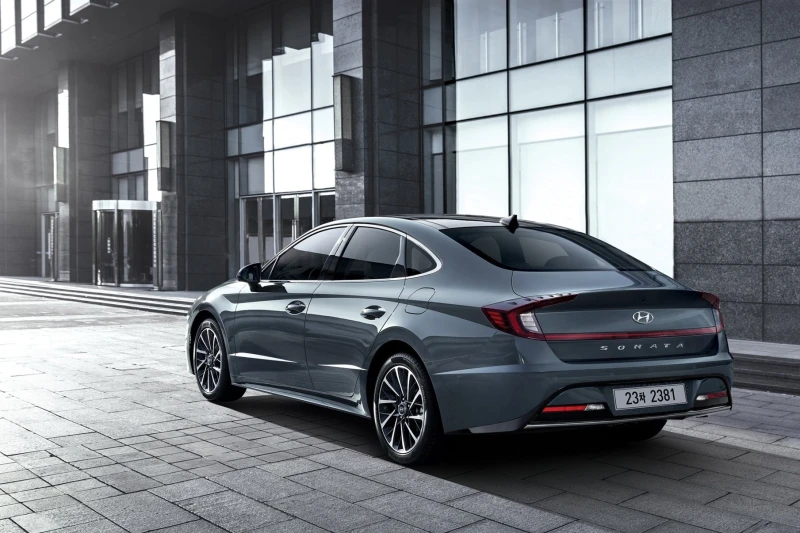
The eighth-generation Hyundai Sonata (2019–present) stands as a modern midsize sedan blending striking design, cutting-edge tech, and a solid engineering foundation. It debuted in March 2019 in South Korea, with U.S. sales beginning in late 2019 and continuing strong into 2026. Built on the third-generation Hyundai-Kia modular platform, it delivers improved body rigidity and sharper handling.
In the lineup, the Sonata DN8 positions itself as a more upscale and roomy alternative to the compact Elantra, while remaining competitive in the midsize segment against rivals like the Toyota Camry and Honda Accord. Hallmarks of this generation include the Sensuous Sportiness design language with four-door coupe-inspired cues, a robust suite of safety features including digital key access, and a range of efficient powertrains with hybrid options widely available.
What’s New Compared to the Previous Generation
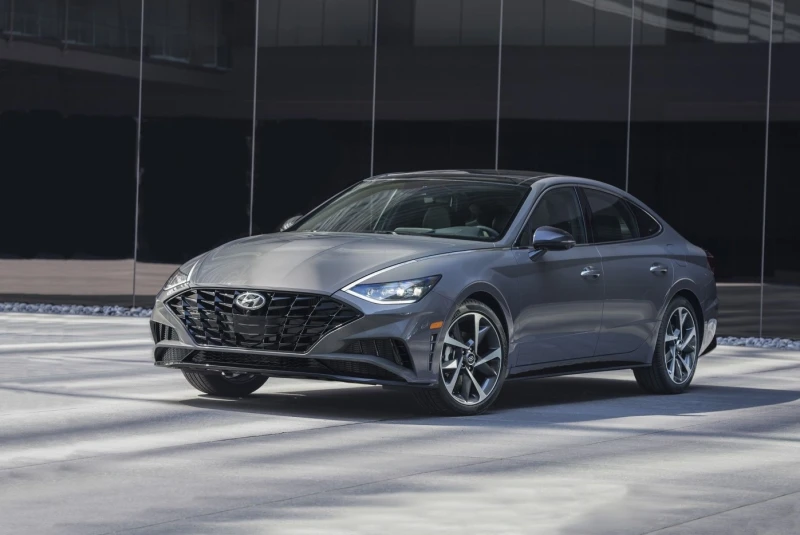
Compared to the previous LF generation (2014–2019), the Sonata DN8 received substantial updates. The exterior became far more expressive: length increased by 1.8 inches (to 192.9 in), width by 1.0 in (to 73.2 in), height decreased by 1.2 in (to 56.9 in), and wheelbase grew by 1.4 in (to 111.8 in). This created a sleeker, more dynamic profile with short overhangs and flowing lines reminiscent of a coupe. The front end features a bold cascading grille and slim headlights, a sharp departure from the conservative look of its predecessor.
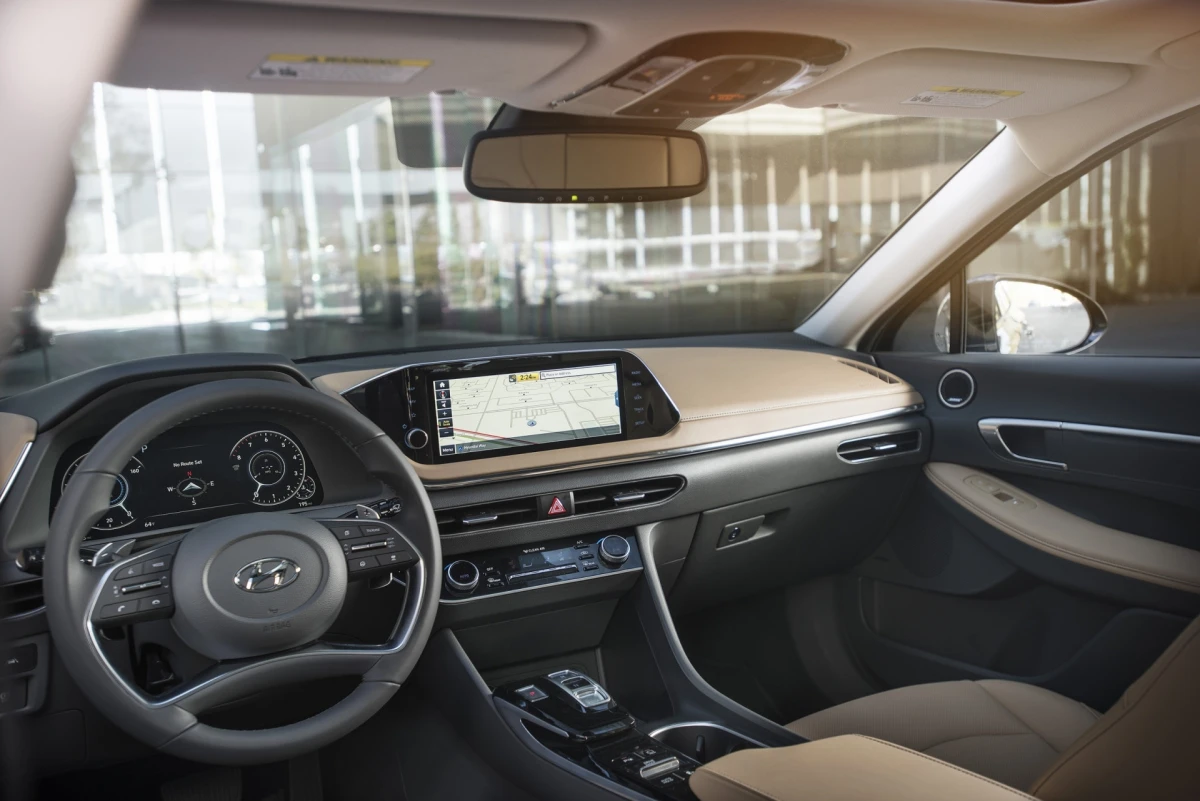
The new third-generation platform increased body rigidity by 10–15%, improved suspension geometry, and lowered the center of gravity. Tech highlights include smartphone-based digital key, an expanded Hyundai SmartSense suite (automatic emergency braking, lane keeping assist, blind-spot monitoring), and an infotainment system supporting over-the-air updates. Comfort improved with added sound-deadening materials, acoustic glass, and more rear-seat space. Safety is enhanced with 6–9 airbags standard and available adaptive cruise control plus forward collision avoidance.
Current Generation Status
As of 2026, the DN8 remains current and in production. A 2023–2024 facelift brought fresh styling: a new front fascia with a full-width horizontal LED light bar, revised bumpers and lighting, plus an updated interior featuring a 12.3-inch digital instrument cluster and 10.3-inch touchscreen. All-wheel drive (AWD) became available on select trims in some regions, though it’s not offered on every configuration in the U.S.
Some engines were discontinued or de-emphasized. The main powertrains currently offered in the United States include:
- 2.5L GDi (191 hp, Smartstream G2.5) + 8-speed automatic, front-wheel drive — the core version;
- Hybrid 2.0L GDi HEV (192 hp system output) + 6-speed automatic — widely available and very popular;
- N Line with 2.5L Turbo GDi (290 hp) + 8-speed wet dual-clutch transmission — sporty option, commonly imported or found in higher-volume dealerships.
Diesel engines are not offered in the U.S. market.
U.S. Market
On the U.S. used market, the Hyundai Sonata DN8 is widely available. As of 2026, thousands of listings appear across major platforms. New vehicles are sold through Hyundai dealerships nationwide, with strong inventory of refreshed 2023–2025 models. Fresh imports from South Korea are less common, but certified pre-owned programs and dealer stock keep supply healthy.
The used market is stable, with most vehicles from 2019–2022 model years having 50,000–100,000 miles. Approximate price range (depending on year, condition, mileage, and trim):
- 2019–2021 models — $15,000–$21,000;
- 2022–2024 models (facelift) — $21,000–$27,000;
- 2025–2026 new or near-new — $27,000–$35,000 (MSRP starting around $28,000–$36,000 depending on trim).
Most in-demand versions are the 2.5L GDi with SEL or Limited trims. Hybrids command a small premium and are highly sought after for fuel economy; N Line models are rarer and typically $3,000–$6,000 more.
Main Trims and Features in the U.S. Market
Common trims seen in the U.S.: SE (base), SEL, SEL Convenience, Limited, and N Line (sport). U.S.-spec models usually include heated seats and mirrors as standard or low-cost options due to varied climates, while panoramic sunroofs and premium audio are more common in mid-to-higher trims.
| Trim | Key Features |
| SE | Cloth upholstery, air conditioning, 16–17" wheels, 8" touchscreen, 6 airbags, ABS, ESC, rearview camera |
| SEL | Dual-zone climate control, heated front seats, 10.3" screen option, wireless charging, blind-spot monitoring, rain-sensing wipers |
| Limited | Leather seating, full LED headlights, keyless entry & start, adaptive cruise control, power-adjustable seats, 18" wheels |
| N Line | Sport body kit, sport seats with suede inserts, 2.5T engine, sport-tuned suspension, red interior accents, premium audio |
The suspension is a standard multi-link rear setup. Optional packages often include cold-weather features for northern states.
Conclusions and Generation Relevance
The Hyundai Sonata VIII (DN8) is an excellent choice for buyers seeking a spacious, tech-loaded midsize sedan for family use or daily commuting with reasonable ownership costs. New models offer full warranty and the latest styling/tech, while used examples with under 70,000 miles provide outstanding value.
The generation remains highly relevant thanks to the 2023–2024 updates, strong reliability reputation, and hybrid efficiency. When shopping in the U.S. market, check: clean CARFAX/vehicle history, actual mileage, suspension and transmission condition, no accident damage, and full service records.