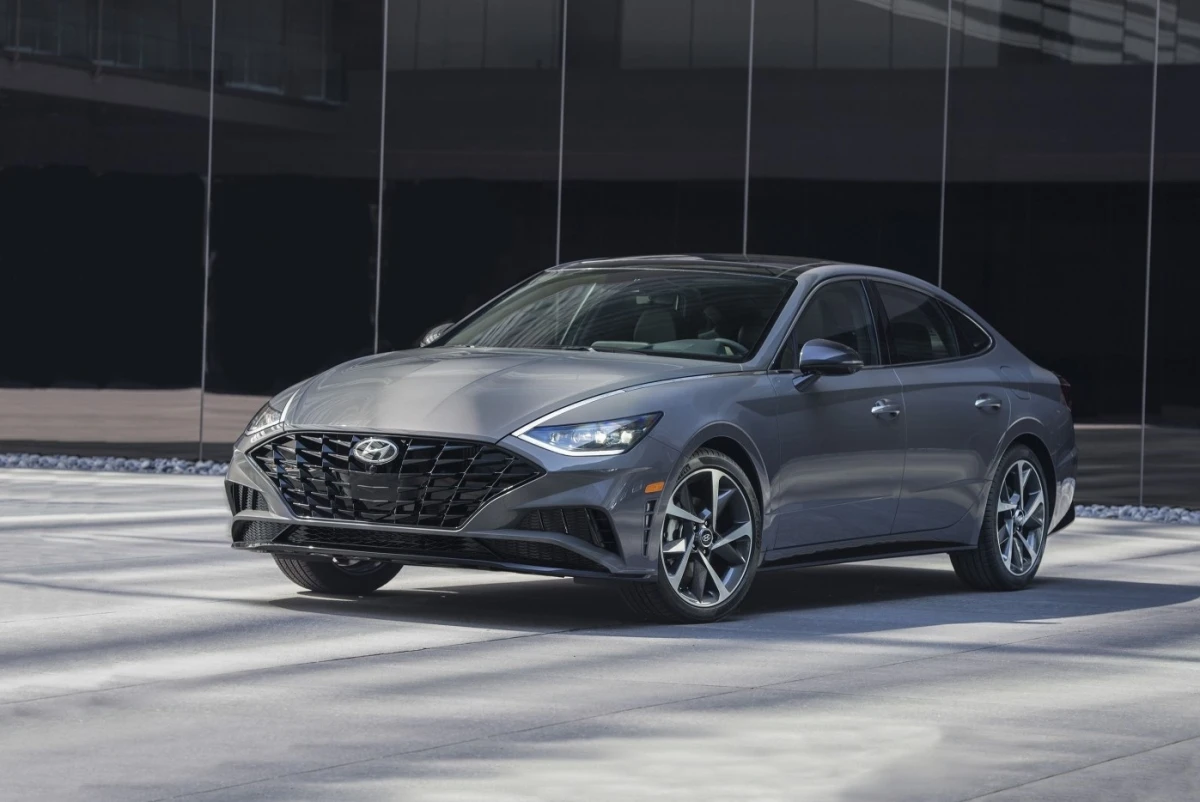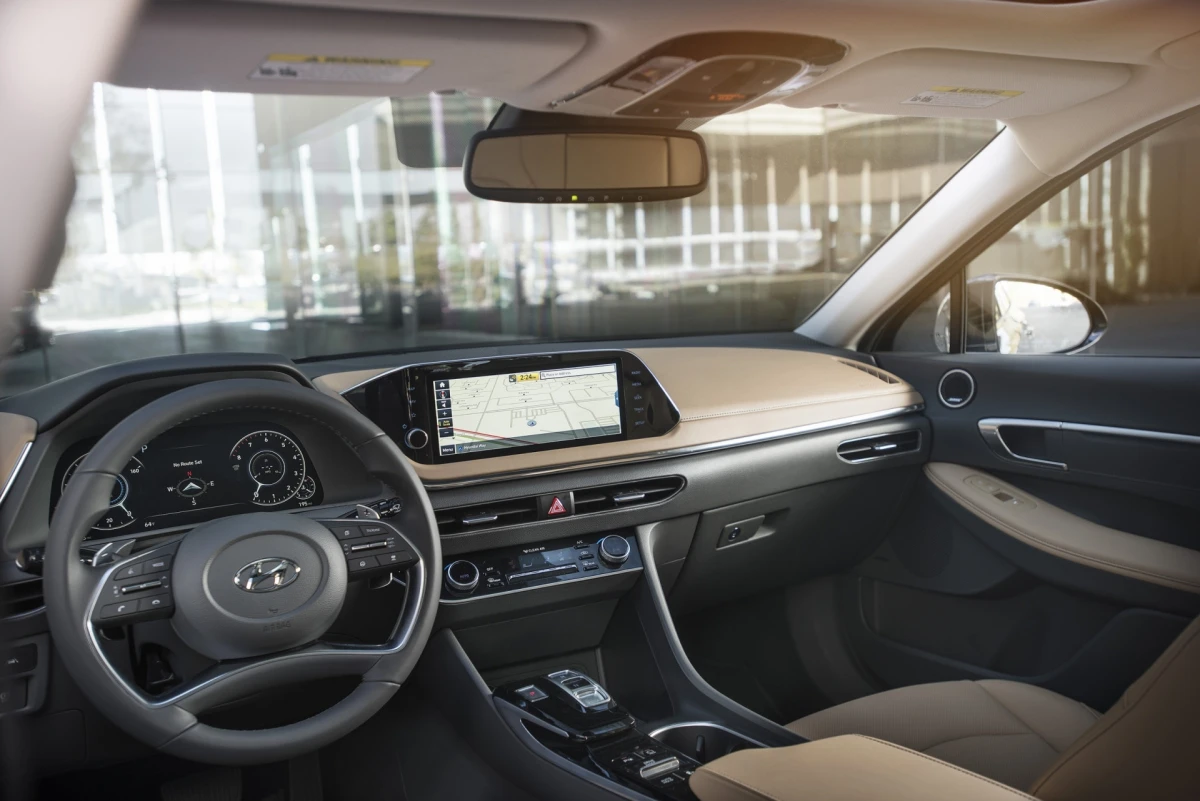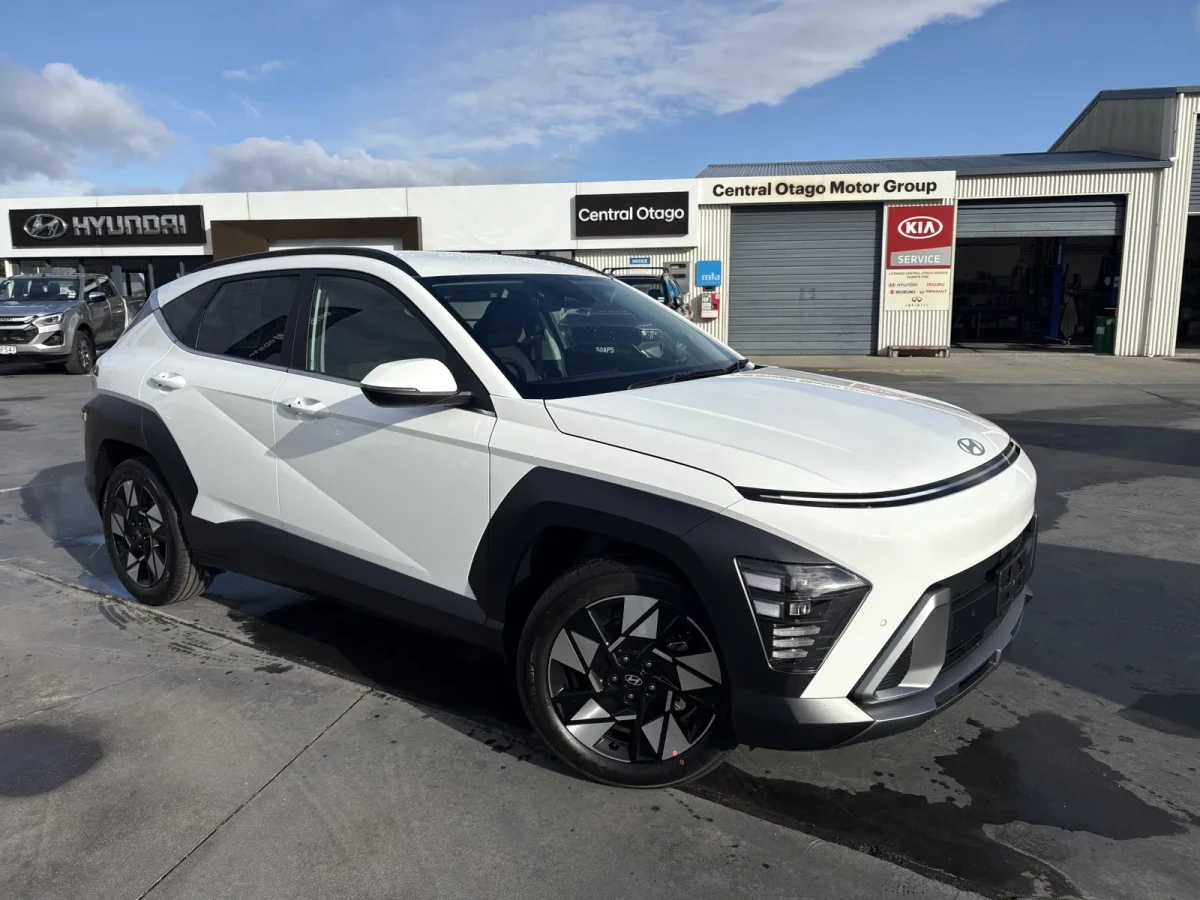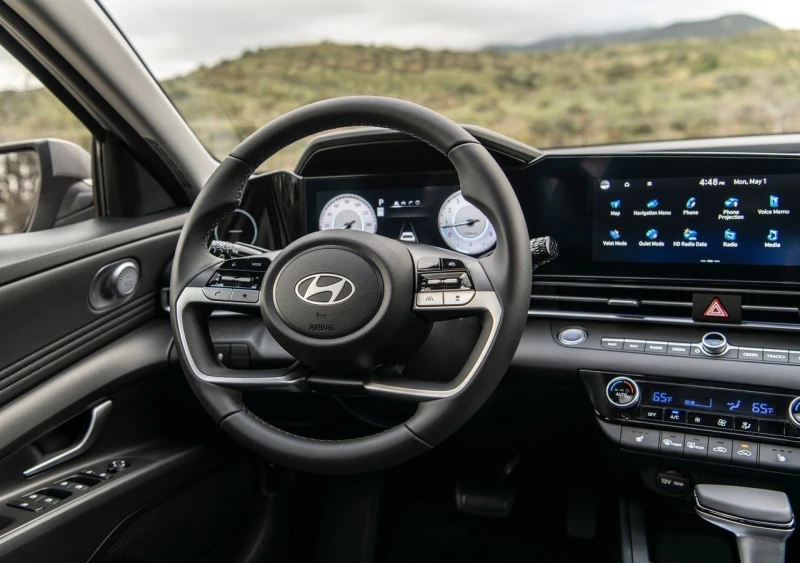
The interior of the 2020–present Hyundai Elantra is designed with comfort in mind for the compact sedan class, placing strong emphasis on driver ergonomics and modern technology. The cabin features crisp, angular shapes that match the car's exterior design language, with material choices and features scaled across various trim levels available in the United States.
Overall Cabin Overview
The Hyundai Elantra CN7 interior follows the brand’s Sensuous Sportiness design language, characterized by sharp lines and strong horizontal elements that convey movement even when stationary. Upper sections of the dashboard and door panels use soft-touch materials, while higher trims add aluminum-look or open-pore wood-style accents. Base models rely more heavily on hard plastics that feel durable and easy to clean but may generate minor creaks when pressed or during cold weather. Build quality is generally strong with consistent panel gaps, although some owners note occasional center-console or door-area squeaks after a few years of use.
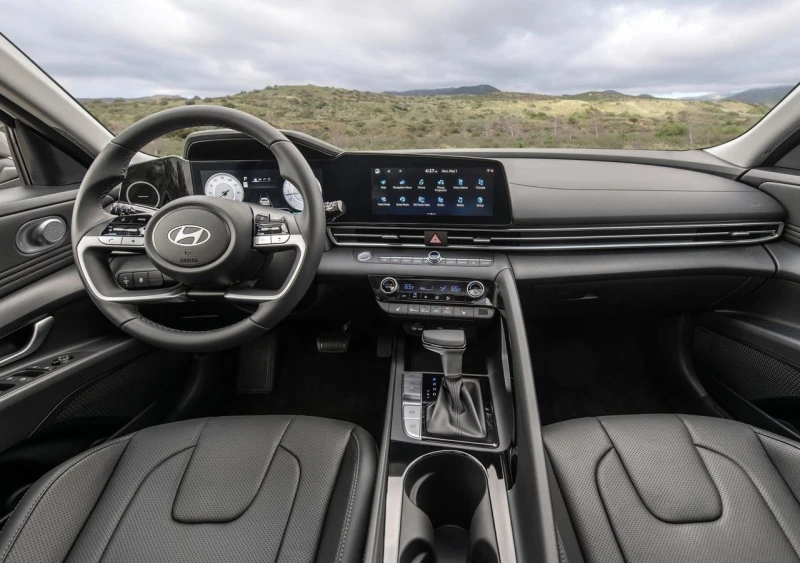
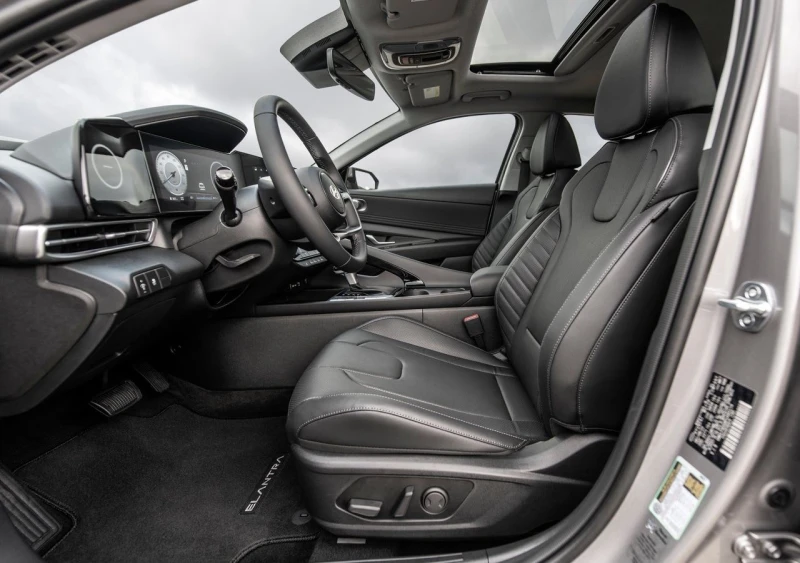
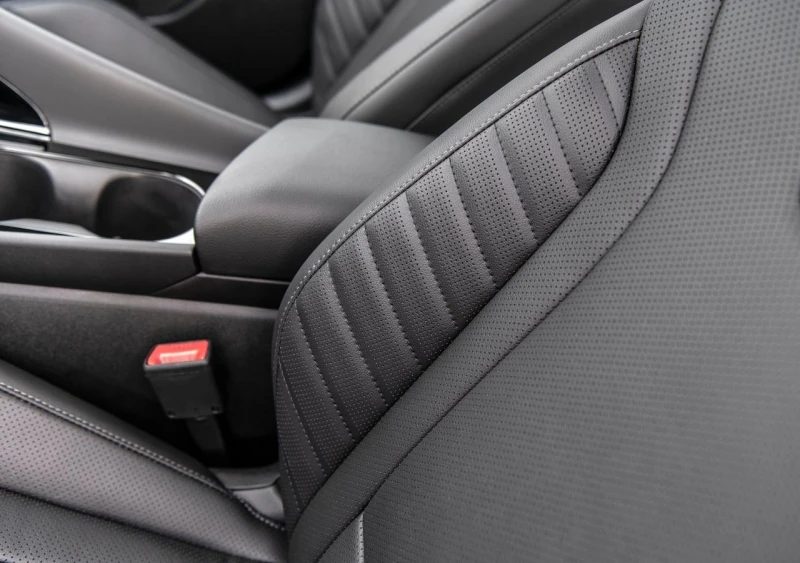
The instrument panel is driver-oriented: analog gauges in base models transition to a fully digital cluster in higher trims, seamlessly integrated with the central infotainment touchscreen. The center console is angled slightly toward the driver for easier access to controls. The driving position is well thought out, with a steering wheel adjustable for tilt and telescoping, supportive front seats offering multiple adjustments in upper trims, and generous head- and legroom for front occupants—even those up to about 6'1" (185 cm).
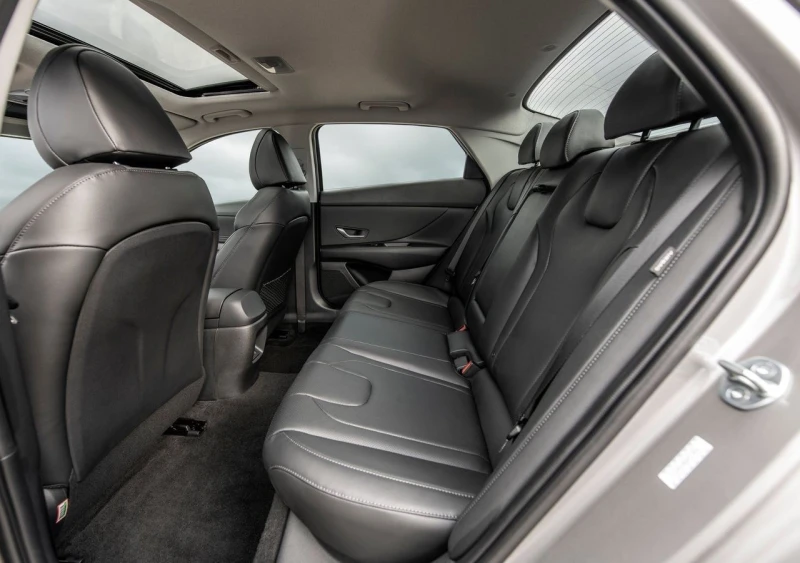
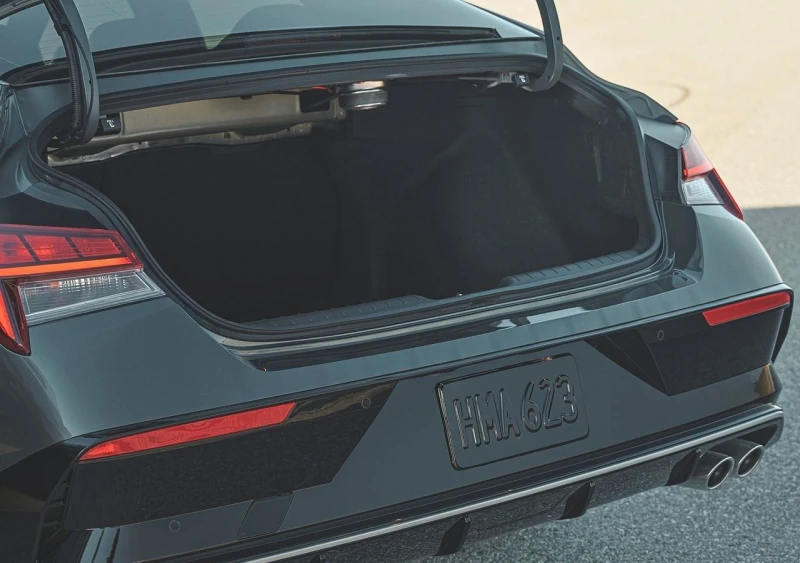
The rear seat provides reasonable comfort for two adults: the 107-inch (2720 mm) wheelbase delivers good knee room, though the high center tunnel and narrower cushion make three-across seating tight. The 60:40 split-folding rear seatbacks expand cargo flexibility. Trunk space measures 14.2 cubic feet (474 liters), with a flat load floor when seats are folded. Cabin storage is practical for daily driving—multiple cubbies, cupholders, and USB ports are well placed. Overall, the Elantra cabin suits daily commuting and highway trips on American roads very well.
Trim Levels & Features in the US Market
In the United States, the Hyundai Elantra CN7 is offered in several well-differentiated trim levels—from the value-oriented SE to the sporty N Line and top-tier Limited. Configurations reflect American preferences for automatic transmissions, advanced safety tech, and a balance of features and price. New vehicles come with Hyundai’s strong factory warranty, while the used market includes many clean one-owner examples and former fleet vehicles.
The base SE trim includes cloth upholstery, manual air conditioning, an 8-inch touchscreen with Apple CarPlay and Android Auto, and a standard suite of safety features (forward collision avoidance, lane keeping assist, blind-spot collision warning, 6 airbags). No heated seats or steering wheel are included in the entry model.
Mid-level SEL or SEL Convenience adds dual-zone automatic climate control, heated front seats, a heated steering wheel, rearview camera with dynamic guidelines, auto headlights and wipers, wireless device charging, and a larger 10.25-inch touchscreen. Upholstery upgrades to a combination of cloth and leatherette. Advanced driver aids such as blind-spot view monitor and lane following assist become available.
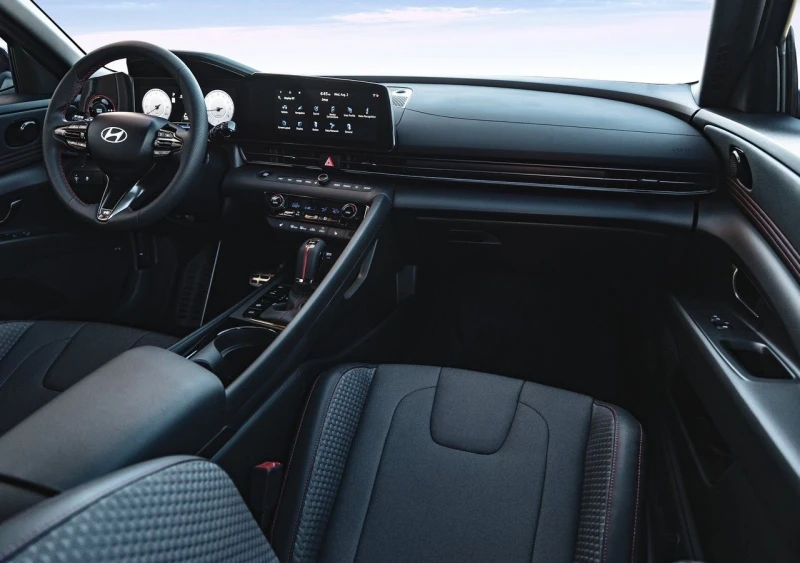
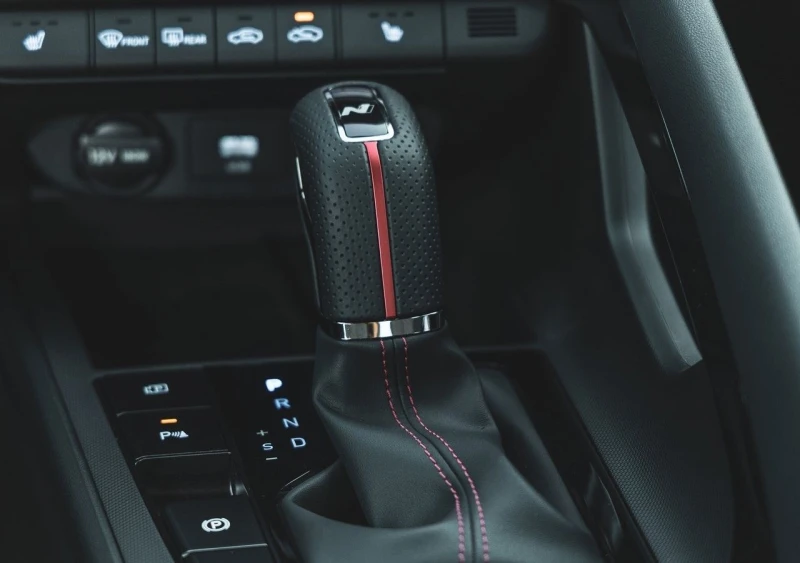
Higher Limited and N Line trims bring leather or leatherette seating, LED headlights, push-button start with proximity key, power driver’s seat, adaptive cruise control with stop & go, and available panoramic sunroof. The N Line adds sport-tuned suspension, unique sport seats with red stitching, larger 18-inch wheels, and a more aggressive interior appearance package.
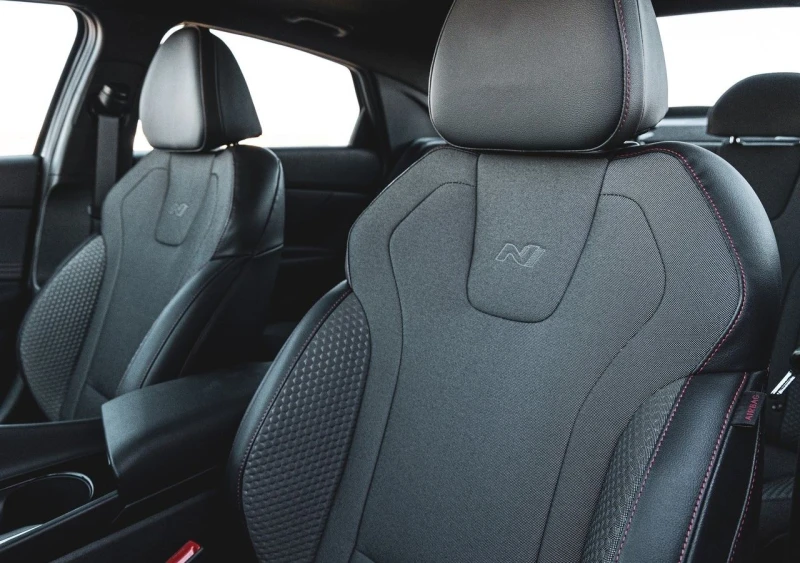
Notable for the US market: cold-weather packages (heated mirrors, heated windshield wiper de-icer) are frequently bundled in northern-state deliveries, while panoramic sunroofs and premium Bose audio appear mostly in higher trims. Approximate market pricing (MSRP, excluding destination & taxes): SE starts around $22,000–$23,000, Limited and N Line reach $28,000–$32,000 depending on options.
| Trim Level | Key Interior Features | Approx. Market Price (USD) |
| SE | Cloth seats, manual A/C, 8" touchscreen, standard safety suite | $22,000–$23,000 |
| SEL / SEL Convenience | Cloth + leatherette, dual-zone auto A/C, heated seats & wheel, 10.25" screen, wireless charging | $24,000–$26,000 |
| Limited | Leather, power driver seat, adaptive cruise, LED lights, available panoramic roof | $27,000–$29,000 |
| N Line | Sport seats with red accents, available panoramic roof, Bose audio, sport styling | $29,000–$32,000 |
Interior Evolution & Facelift Changes
Since its 2020 debut, the CN7 Elantra has seen meaningful interior updates. Early 2020–2022 models featured analog gauges in base trims and an 8-inch center screen, with average noise insulation focused on cost efficiency.
The 2023–2024 facelift brought noticeable refinements: softer door-panel inserts, additional USB-C ports front and rear, improved wireless charging pad, standard six-speaker audio (Bose available on top trims), and in some configurations a return to physical climate-control buttons instead of touch-only panels. The digital instrument cluster became available lower in the range. These updates modernized the cabin significantly while base models still use hard plastics in less visible areas.
Current standout features include the 10.25-inch touchscreen with wireless smartphone mirroring and an expanded suite of driver assists. Older pre-facelift models now feel dated mainly due to analog gauges and fewer USB-C ports.
Common Owner Feedback & Drawbacks
US owners frequently mention road and wind noise above 65 mph (105 km/h), especially in base and mid-level trims where sound insulation is modest. Hard plastics on the center console and door caps can show scratches, and the steering wheel may develop shine or wear after 30,000–45,000 miles. Creaks from the glovebox area or doors sometimes appear on rough roads.
The rear seat is often described as adequate for two but cramped for three, and base models lack rear-seat heating. Thick rear pillars and a low roofline can limit outward visibility in tight urban settings. Light-colored upholstery shows dirt quickly, especially in regions with harsh winters or dusty conditions. Used examples may show seat bolster wear or previous-owner marks; maintenance history is especially important.
Conclusions & Current Relevance
In 2026 the Hyundai Elantra CN7 interior remains very competitive in the compact class thanks to the facelift enhancements—USB-C ports, better audio, and more standard tech. It delivers a strong mix of comfort, features, and value that aligns well with American compact-sedan buyer expectations.
Today the SEL Convenience or Limited trims usually offer the best feature-to-price balance—avoiding the higher cost of the N Line unless sporty styling and handling are priorities. Newer post-facelift models justify a small premium for updated tech and warranty coverage; clean used 2021–2023 examples can be strong values under $18,000–$20,000.
When shopping new, prioritize trims with heated seats, advanced safety features, and good connectivity. For used vehicles, carefully inspect for road noise, plastic condition, creaks, and full service records.