The 2023–present Hyundai Accent cabin blends modern design cues with durable, cost-effective materials suited to everyday American driving. Compared to its predecessor, the Accent offers noticeably more interior room, with a strong focus on daily practicality and ease of use. Below, we break down the key interior aspects for the US market, where the model is sold through official Hyundai dealerships nationwide.
Overall Cabin Overview
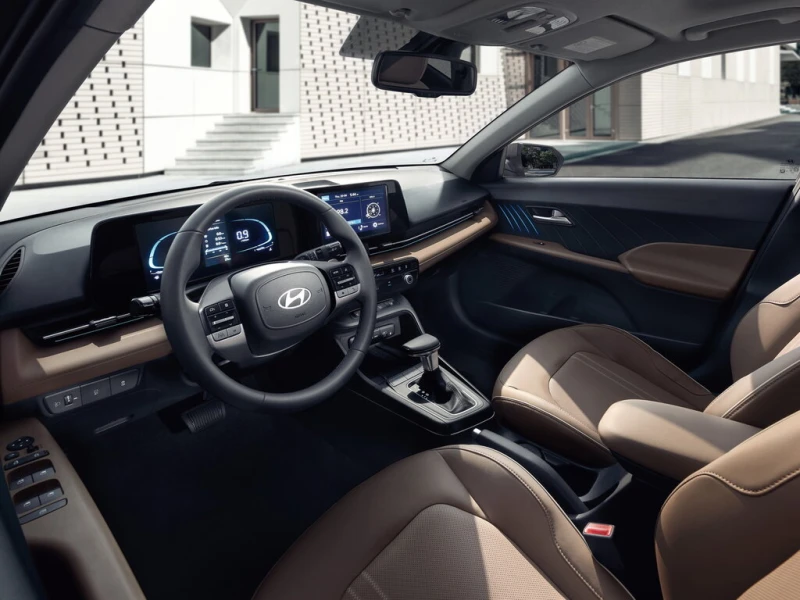
The BN7 Accent interior follows a clean, driver-oriented layout with strong horizontal lines and seamless screen integration. Upper dashboard and door areas feature soft-touch plastics, while higher trims add metallic or wood-look accents. Entry-level versions rely more on hard plastics that prioritize durability and resistance to wear — practical for family use and long commutes, though they feel less upscale. Build quality remains solid with tight panel gaps, though some owners report minor creaks in lower trim pieces over time on rough roads.
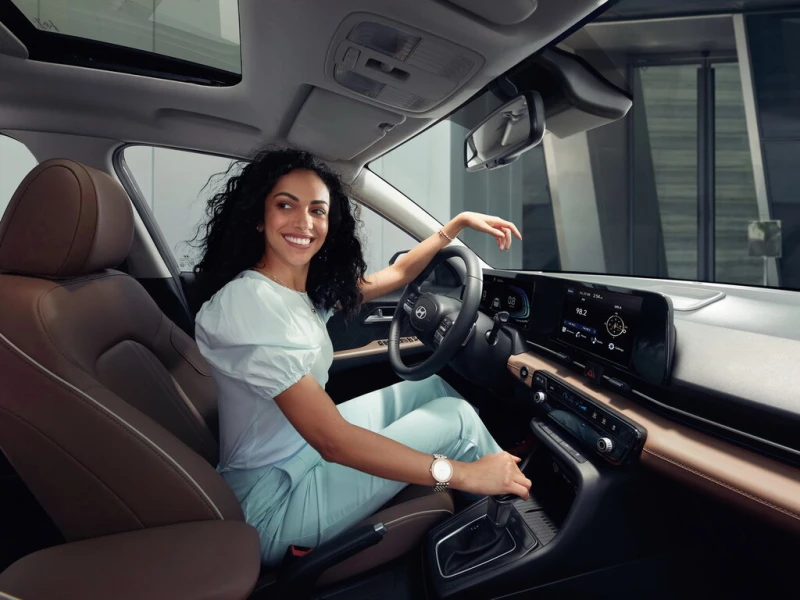
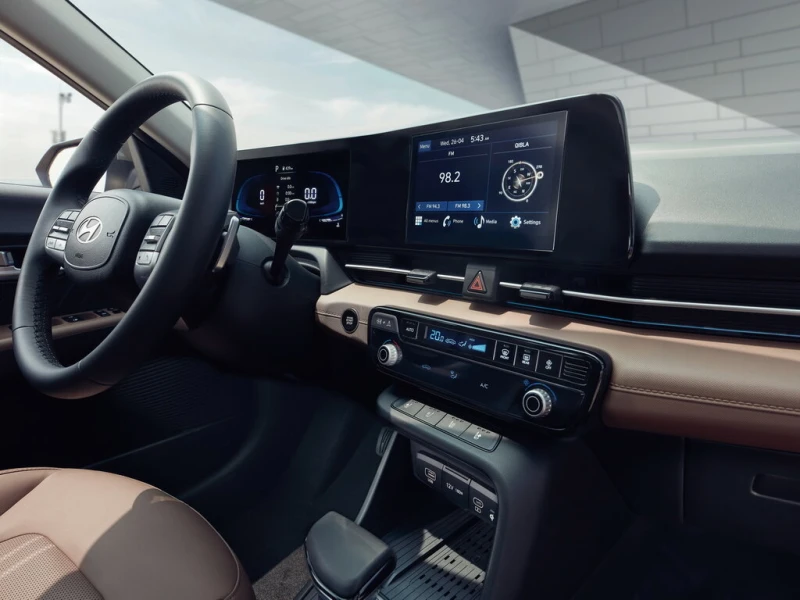
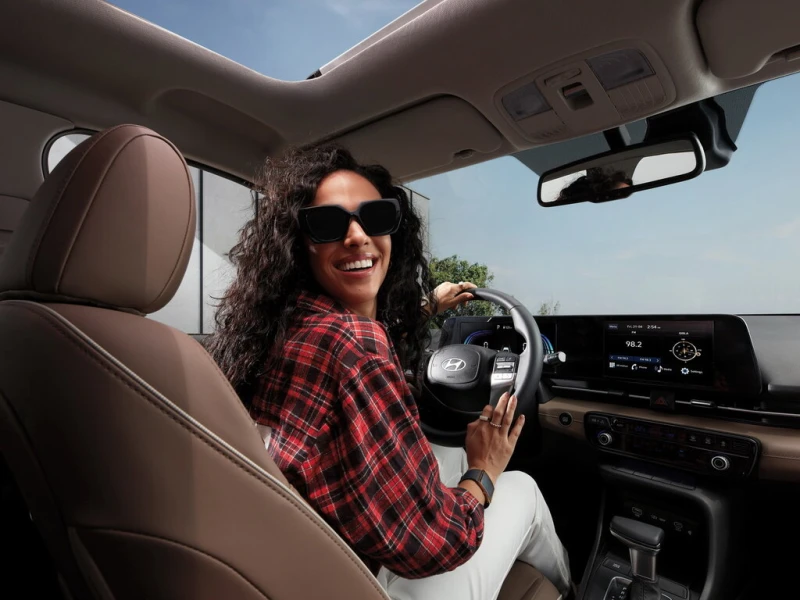
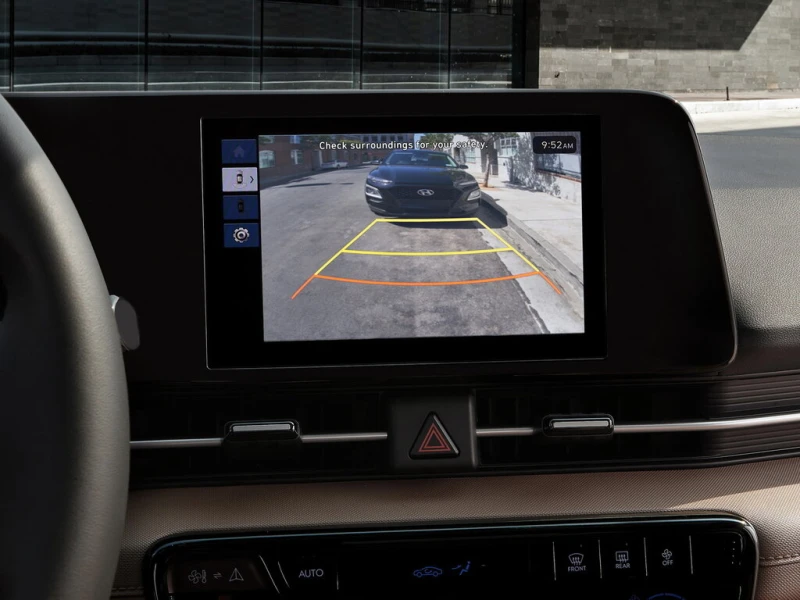
The instrument panel is clearly focused on the driver: analog gauges or a digital cluster (in higher trims) pair with a central touchscreen infotainment display ranging from 8 to 10.25 inches. The center console includes physical or touch controls for climate and audio, plus generous storage cubbies. Driver ergonomics are strong, with height-adjustable steering and supportive seats — power adjustment available on upper trims. Front-seat space is generous, comfortably accommodating drivers up to about 6 feet tall with good head- and legroom.
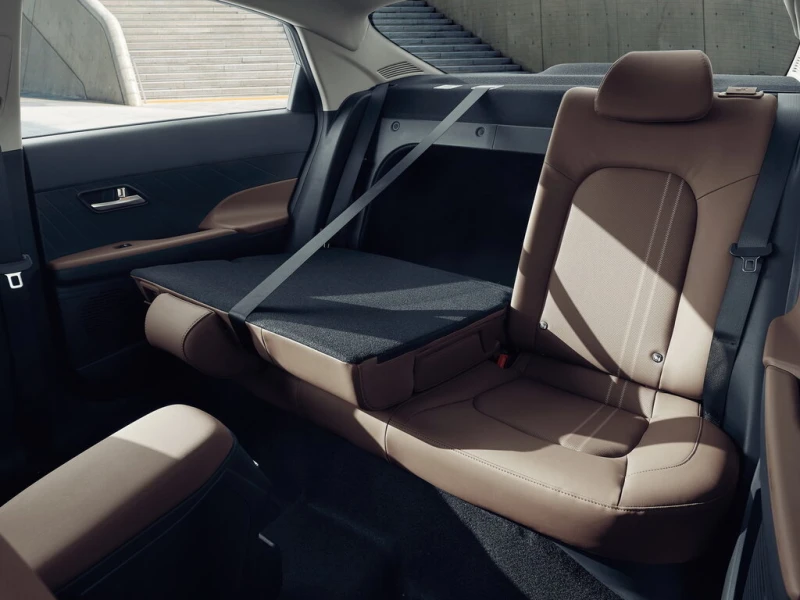
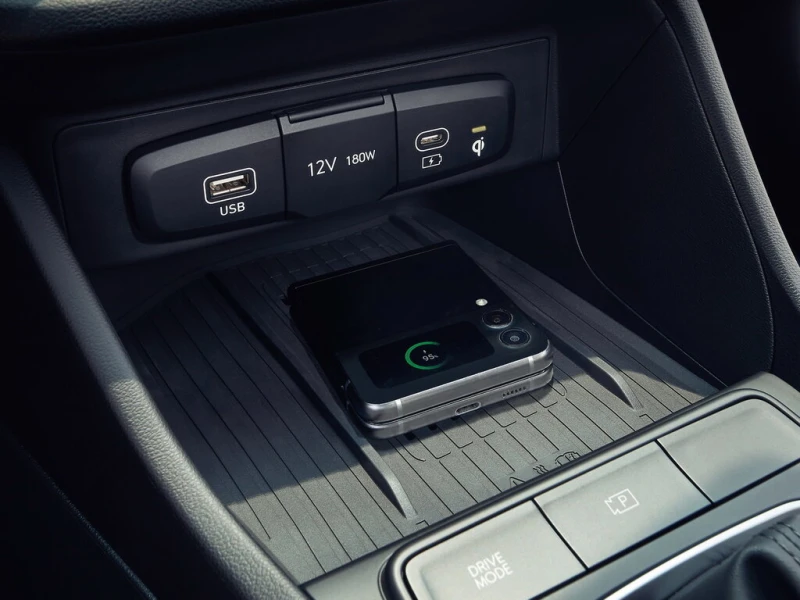
The rear bench seats three, aided by a 105.1-inch wheelbase that provides decent knee room, though the center passenger may feel the driveline tunnel intrusion. The 60:40 split-folding rear seatbacks expand cargo flexibility. Trunk volume stands at 13.7 cubic feet, offering a flat load floor when seats are folded and pass-through access from the cabin. Everyday practicality shines with USB ports, cupholders, and available wireless charging. The cabin works well for urban commuting and highway trips across the US, handling varied road conditions effectively.
Trims and Features on the US Market
In the United States, the Hyundai Accent BN7 is offered in SE (base), SEL (mid-level comfort), and Limited (premium) trims. These configurations balance value and equipment, with automatic transmissions and efficient gasoline engines dominating sales through Hyundai's nationwide dealer network.
The base SE trim includes cloth upholstery, air conditioning, an 8-inch touchscreen with Apple CarPlay and Android Auto, and a standard safety suite (ABS, ESC, 6 airbags). Single-zone climate control comes standard, with heated mirrors for colder regions.
The SEL trim steps up with dual-zone automatic climate control, heated front seats, a rearview camera, parking sensors, and a larger 10.25-inch infotainment display. Upholstery mixes cloth with eco-leather accents. Driver aids often include blind-spot monitoring and lane-keeping assist.
The top Limited trim features eco-leather or available leather seating, LED headlights, keyless entry and push-button start, power driver’s seat, adaptive cruise control, and more. Options may include a sunroof and ventilated front seats. Premium audio and ambient interior lighting round out the package.
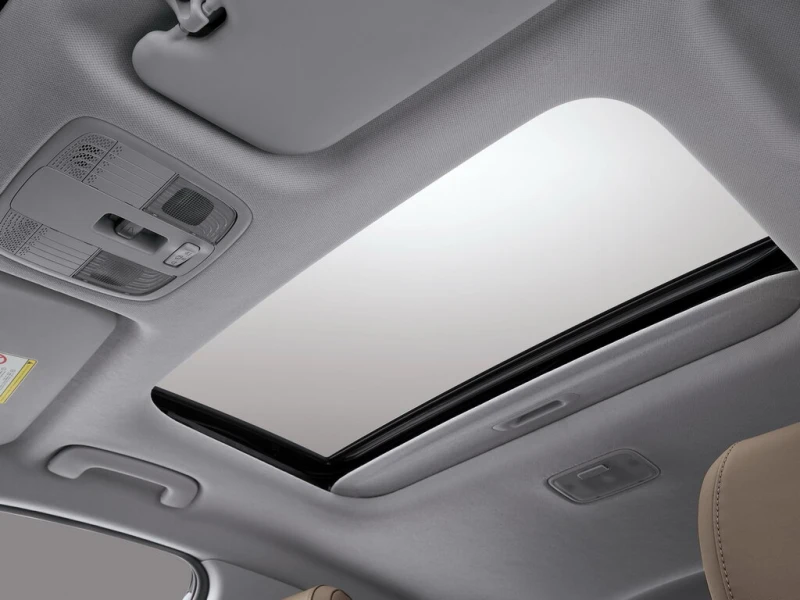
Typical for the US market: heated features are common in northern states, while sunroofs and premium sound systems appear more frequently in warmer regions. Approximate pricing (MSRP, excluding destination and taxes): SE from $16,000–$17,000, Limited up to $20,000–$21,000.
| Trim | Key Interior Features | Approx. MSRP Range (USD) |
| SE | Cloth seats, A/C, 8" touchscreen, basic safety suite | $16,000–$17,000 |
| SEL | Cloth + eco-leather, dual-zone climate, heated seats, 10.25" screen | $18,000–$19,000 |
| Limited | Eco-leather/leather, keyless access, adaptive cruise, LED lights | $20,000–$21,000 |
Interior Updates by Year
Since the BN7 generation launched in 2023, the interior has seen incremental improvements rather than a full redesign. Early 2023 models featured standard materials and an 8-inch base screen with basic sound insulation.
By 2024–2025, updates included USB-C ports, better wheel-arch insulation, new color and trim choices (gray, beige), and refined infotainment software for smoother operation. Higher trims gained additional driver-assist indicators, and some markets saw a return to physical climate buttons for user preference.
Current highlights include large touchscreens with wireless connectivity and ventilated seats in top versions. Older 2023 base models with smaller screens and fewer USB-C ports now appear dated.
Common Owner Feedback and Drawbacks
US owners frequently mention material wear: scratches on lower hard plastics and scuffs on door cards after 12,000–25,000 miles. Minor rattles in doors and console can develop on bumpy roads. Wind and road noise become noticeable at highway speeds due to average sound deadening.
Rear-seat comfort works well for two adults but feels tight for three because of overall width. Thick pillars limit visibility in tight urban traffic. Light-colored upholstery shows dirt from road salt in winter, while dark interiors heat up in summer sun. On the used market, well-maintained examples hold value, but neglected ones show accelerated interior wear.
Final Thoughts and Interior Relevance
In 2026, the BN7 Accent interior remains competitive in the budget compact class thanks to recent updates like USB-C charging and improved noise control. It delivers solid functionality and space for what buyers expect from an affordable sedan.
Today, SEL or Limited trims offer the best balance of features without excessive cost. The premium for newer models is worthwhile for warranty coverage and the latest tech; 2023–2024 used examples can be strong value under $17,000–$18,000.
When shopping new, prioritize trims with ventilated seats and advanced assists if budget allows. For used, inspect sound insulation, plastic condition, absence of rattles, and full service history.