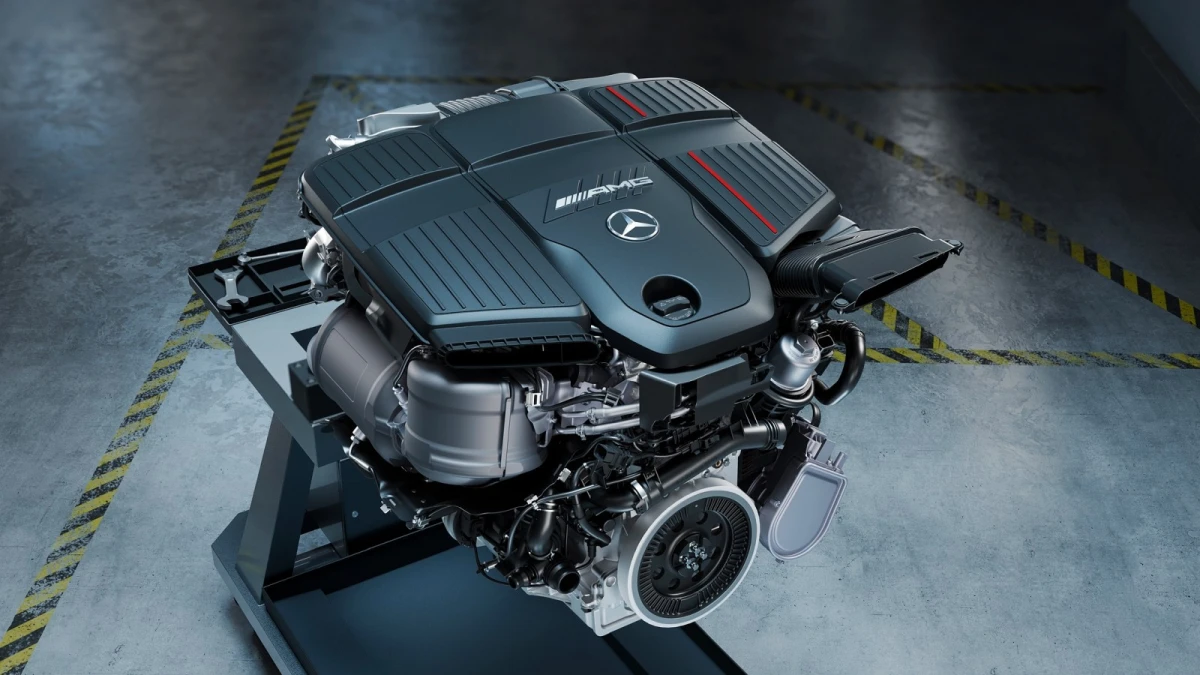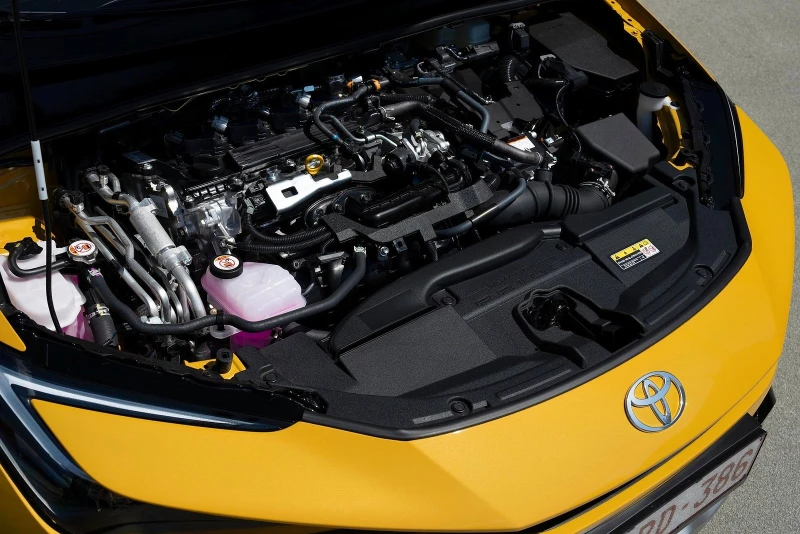
This approach enables the company to meet environmental requirements while maintaining the practicality and affordability of vehicles for the mass market. Sales results and investment plans indicate that hybrid technology remains a key element in the long-term development of the Japanese manufacturer.
Growth in Popularity of Hybrids in Toyota's Model Lineup
In the past year, Toyota, along with its subsidiaries Lexus, Daihatsu, and Hino, sold approximately 11.3 million vehicles worldwide. A significant portion of this volume consisted of models with hybrid powertrains—around 4.4 million units. Additionally, about 177,000 vehicles featured mild hybrid systems, and over 183,000 were equipped with plug-in hybrid drives.
The majority falls on conventional hybrids, which combine a gasoline engine and an electric motor without the need for external charging. This design reduces fuel consumption and emissions without altering the familiar vehicle operation. It makes hybrids suitable for everyday use and does not require a developed charging station infrastructure.
Plans to Increase Production by 2028
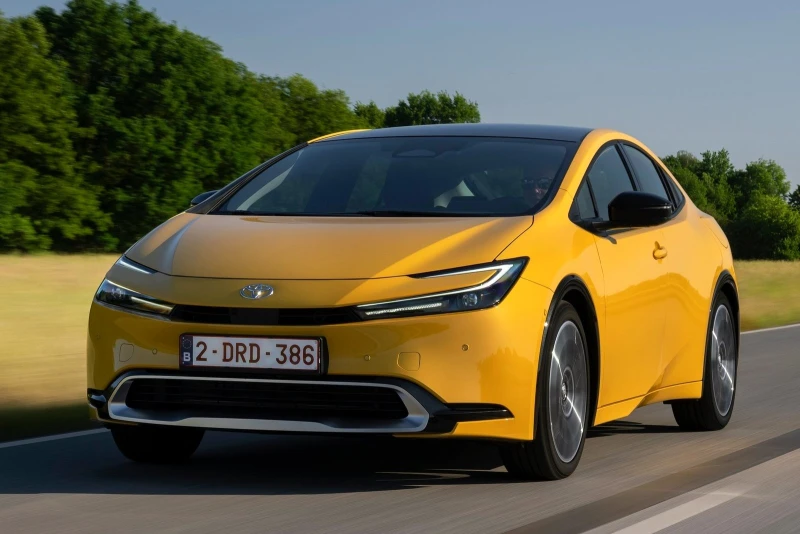
Toyota intends to continue expanding hybrid vehicle production. This year, the company expects to sell around 5 million vehicles with various forms of electrification, including hybrid versions. In the longer term, the target is to raise this figure to 6.7 million vehicles annually by 2028.
To achieve these goals, the company is investing substantial funds in expanding production capacities. In particular, about $10 billion will be allocated to modernizing and developing plants in the US over the next five years. Several facilities will focus on producing hybrid components and vehicles. For example, the plant in Mississippi will start manufacturing the hybrid version of the Toyota Corolla, complementing the existing hybrid versions of the RAV4, Camry, and Tacoma models.
Global Prospects for Hybrid Vehicles
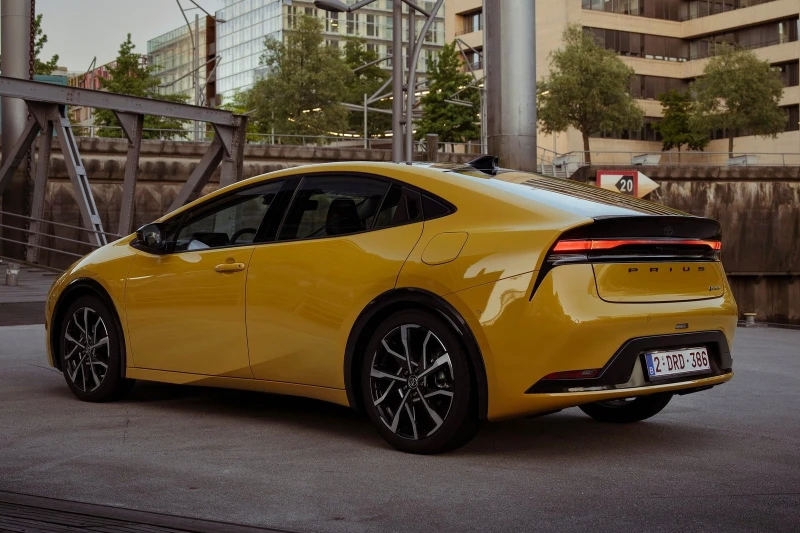
According to forecasts from the analytical firm GlobalData, global sales of hybrid vehicles could reach 29 million units by 2030. This exceeds previous expectations and reflects sustained buyer interest in vehicles with combined powertrains. Such vehicles are seen as a compromise between traditional internal combustion engines and fully electric models.
Toyota holds a leading position in this segment, controlling about 58% of the global hybrid market. Thanks to years of experience in developing and producing such powertrains, the company has created a wide range of models with high reliability and efficiency. This strengthens its position amid growing competition.
Investments in Technology and Production Infrastructure
Expanding hybrid production requires upgrading production lines and increasing output of key components, including batteries, electric motors, and electronic control systems. Investments in US plants will boost local production and reduce dependence on supplies from other regions.
- expansion of production capacities at existing plants;
- increase in hybrid component output;
- launch of new hybrid versions of popular models;
- strengthening positions in key markets, including the US.
Conclusion
Toyota continues to actively develop its hybrid direction and plans to significantly increase production of such vehicles in the coming years. Growing demand, substantial investments, and expansion of the model lineup confirm the long-term role of hybrid technologies in the automotive industry. The company maintains leadership in this segment and intends to reinforce its positions through further development of hybrid solutions and increasing their availability on the global market.