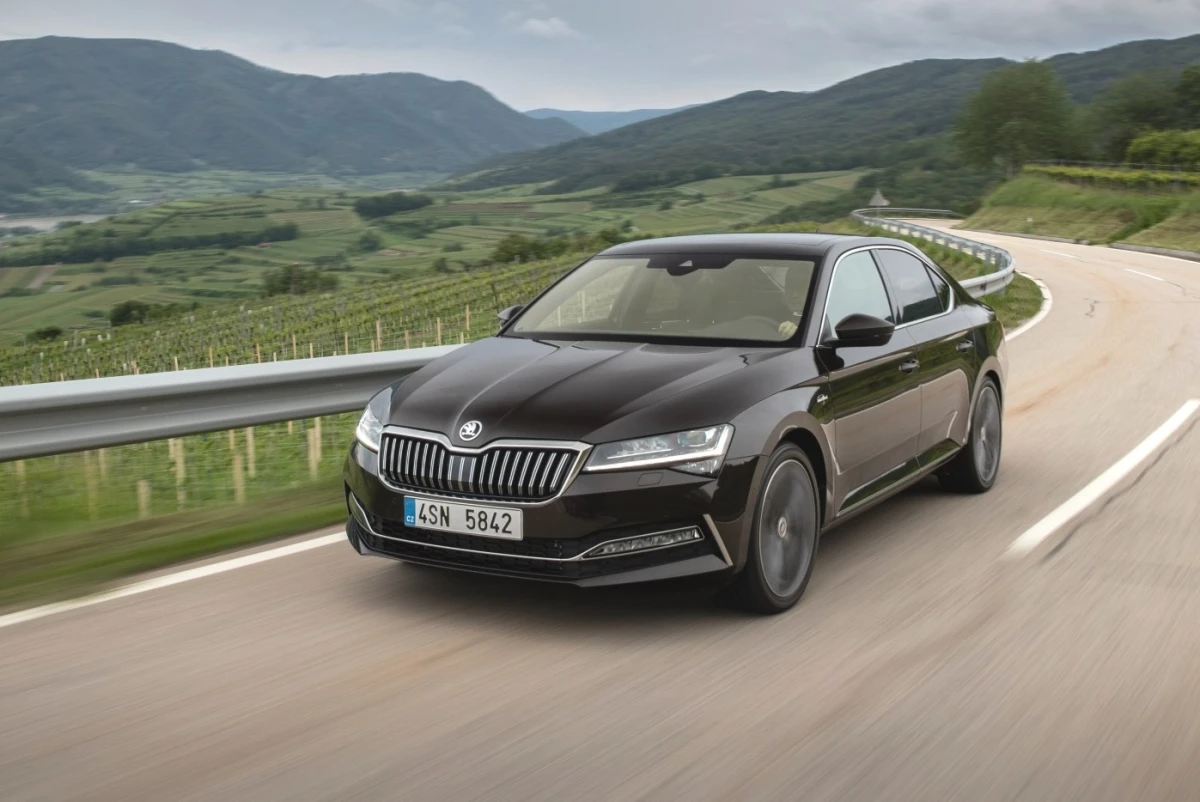



Instead of constructing new high-speed rail lines, authorities are considering the launch of buses capable of accelerating to 140 mph (225 km/h). It is anticipated that such transport could partially relieve congestion on overcrowded highways and compensate for the insufficient development of the rail network.
The concept appears unconventional even by contemporary standards. Most intercity buses today operate at significantly lower speeds, and in many countries they are subject to stricter speed limits than passenger cars. However, California officials believe that dedicated corridors and modern technologies could transform buses into a full-fledged alternative to high-speed trains.
Why the Idea Emerged
California has been attempting to develop a high-speed public transportation system for many years. The primary project involves constructing a rail network; however, implementation has proceeded slowly and at substantial cost. Creating new lines requires complex infrastructure, large-scale land works, and prolonged approval processes.
Against this background, transportation specialists have begun seeking more flexible solutions. One option involves next-generation buses that could operate on specially designated tracks at very high speeds.
According to the developers' vision, this form of transport is intended to combine the advantages of buses and trains. From buses it would gain lower deployment costs and route flexibility; from rail systems, high speed and the capacity to carry large numbers of passengers.
What the New Buses Could Be Like
Modern buses are not designed for sustained operation at speeds above 125 mph (200 km/h). Realizing this project would require the development of entirely new vehicles with different body structures, reinforced braking systems, and modernized chassis components.
Engineers would also need to address aerodynamics and safety. At these speeds, the vehicles would function according to principles similar to those of high-speed trains. Particular attention would be required for stability, passenger protection, and emergency braking systems.
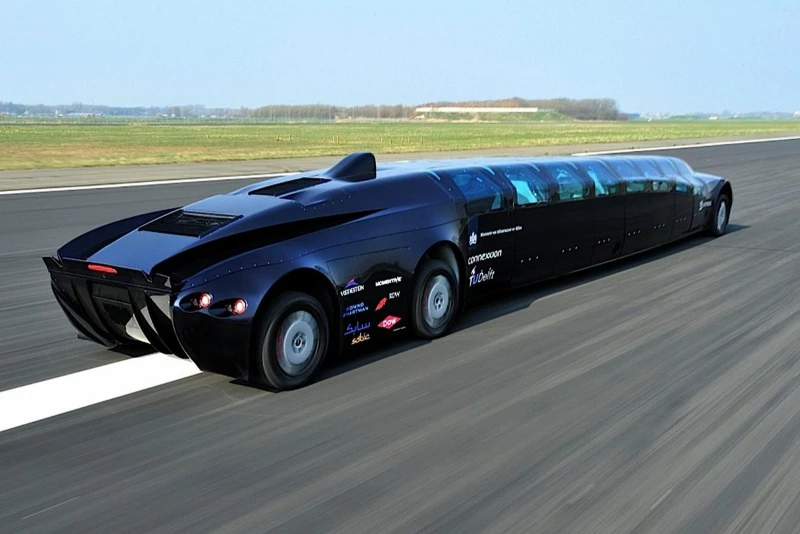
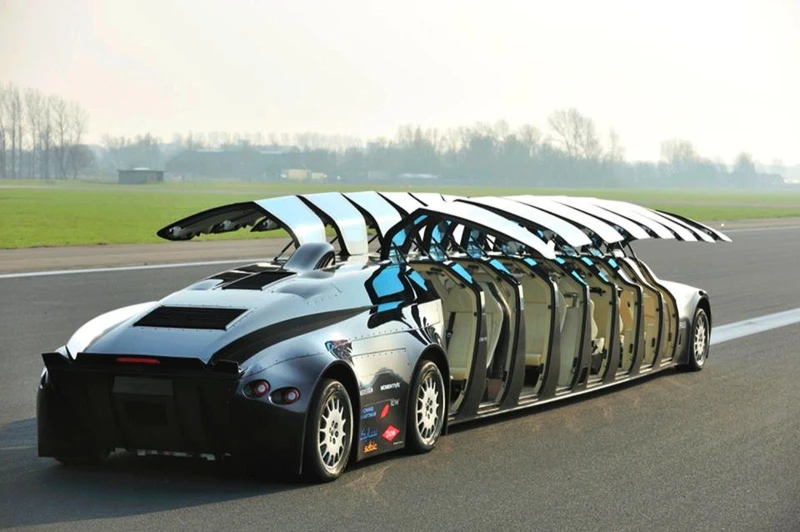
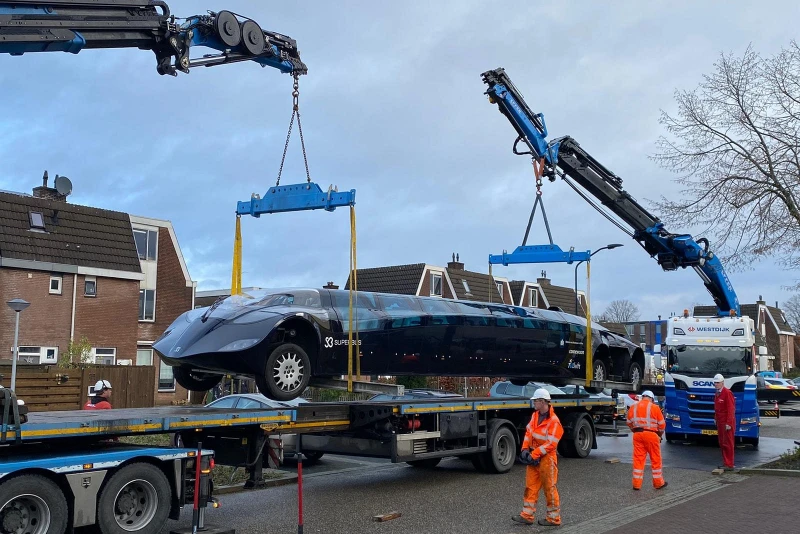
Similar experiments have been conducted previously. One notable example is the Superbus, developed by specialists at Delft University of Technology in the Netherlands. This distinctive vehicle resembled a long futuristic limousine and was capable of reaching speeds of up to 155 mph (250 km/h).

Infrastructure Challenges
The primary challenge lies not only in creating new buses but also in preparing the supporting infrastructure. Operating such transport on conventional roads would be virtually impossible. High speeds require fully separated lanes or purpose-built tracks without intersections with general traffic.
California authorities are considering the construction of separate road sections designated exclusively for high-speed public transport. This approach is regarded as less costly compared to a full rail network; however, the overall project costs would remain very high.
In addition, it would be necessary to establish specialized stations, traffic management systems, and service infrastructure for maintaining the new generation of equipment.
Project Prospects
The initiative is currently at the stage of discussion and conceptual development. Experts note that projects of this kind face numerous technical and organizational challenges. At the same time, the idea demonstrates an effort to explore new approaches to public transport development amid steadily increasing loads on road networks.
High-speed buses could serve as an intermediate option between traditional bus routes and costly rail systems. How realistic the concept proves to be will only become clear after initial technical solutions and detailed cost assessments emerge.