


This is especially true for premium brands, where not only technical characteristics but also a recognizable brand style play an important role. Against this backdrop, an independent project created by NIO designer Lukas Wohinger has attracted attention with its unconventional vision of a modern Mercedes-Benz.
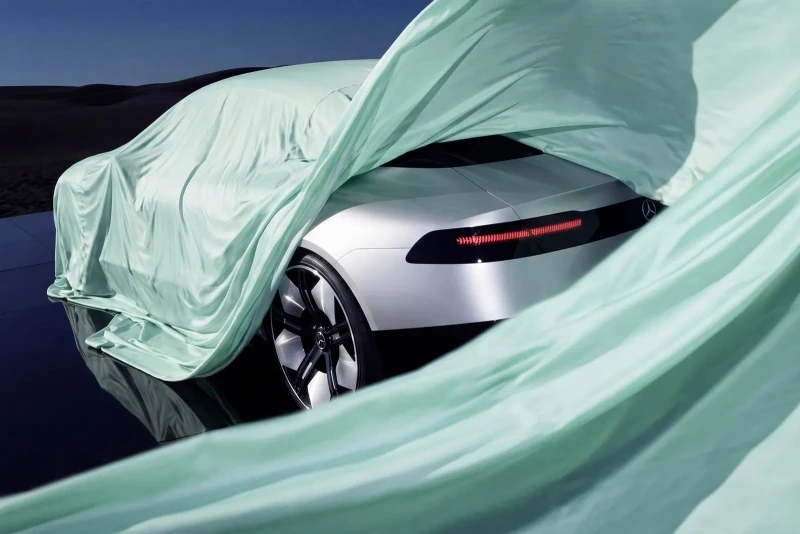
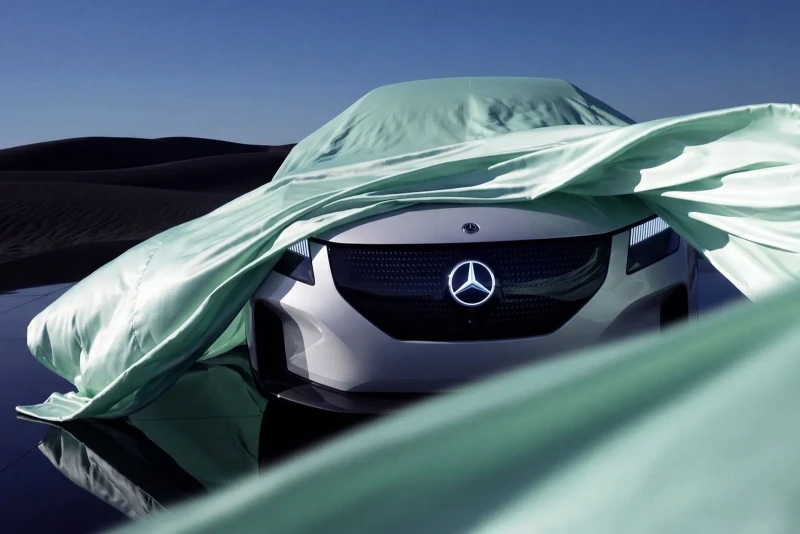
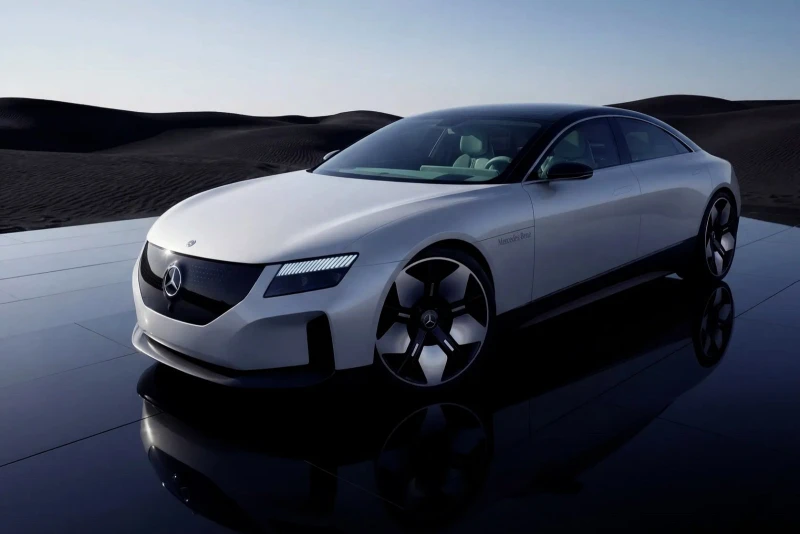
The author presented his own interpretation of the brand's electric sedan, in which he attempted to combine traditional Mercedes features with modern technologies. The concept primarily intrigued because it features elements of the brand's classic models that are gradually disappearing from the company's current lineup.
Why Mercedes Design Sparks Controversy
Over the past few years, Mercedes-Benz has significantly changed its approach to the design of its automobiles. This became particularly evident after the introduction of the EQ electric lineup and new generations of sedans and crossovers. The manufacturer focused on streamlined forms, complex lighting technology, and a large number of digital elements in the cabin.
However, some brand enthusiasts believe that modern models are gradually losing their visual connection to classic Mercedes from past decades. This concerns not only the exterior appearance but also characteristic interior details — a substantial dashboard, analog instruments, and physical buttons for controlling main functions.
In this context, independent design projects often become a reason for discussions about what the further development of the company's brand style might look like.
Classic Proportions and Minimalism
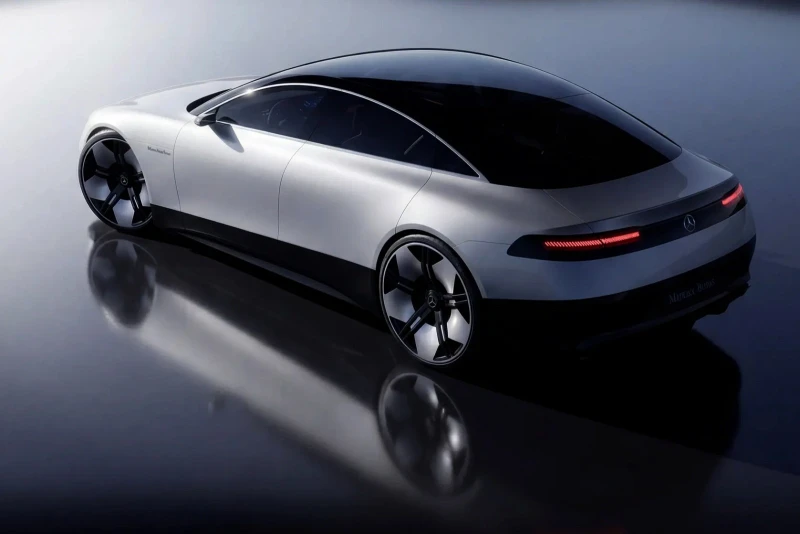
The presented concept is executed in the format of a large electric sedan with a long hood and a smooth roofline. This approach recalls the flagship Mercedes models of past years, in which special attention was paid to body proportions and the visual solidity of the vehicle.
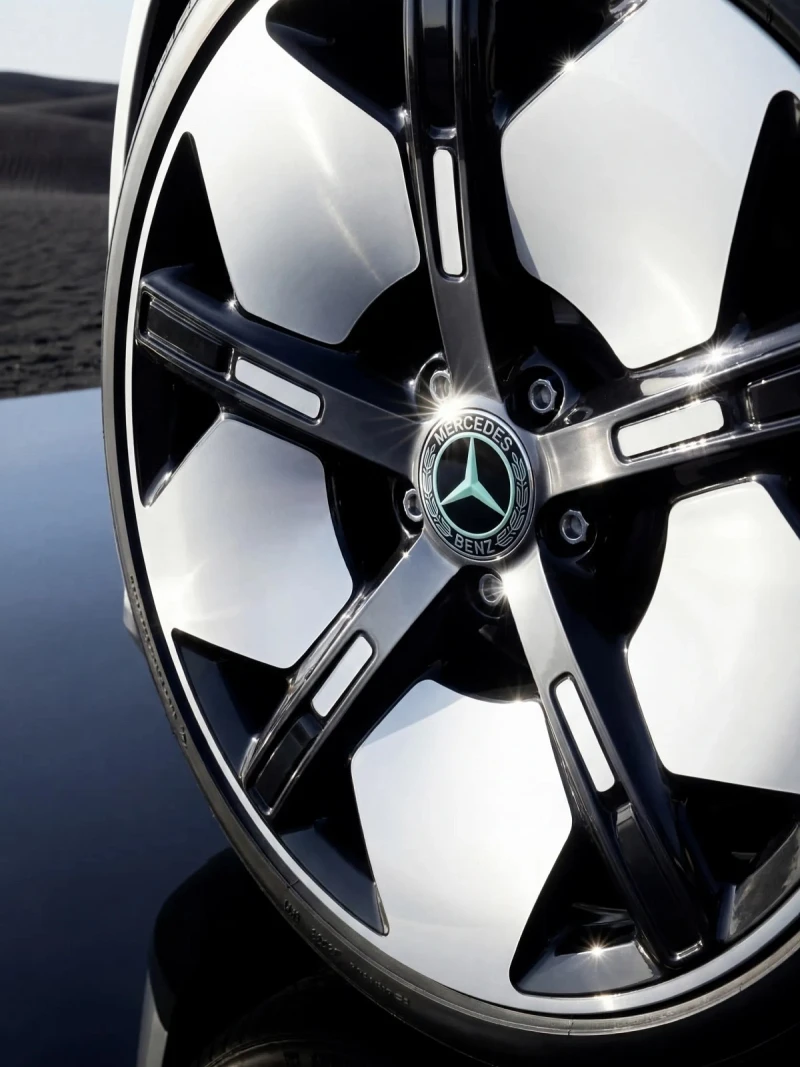
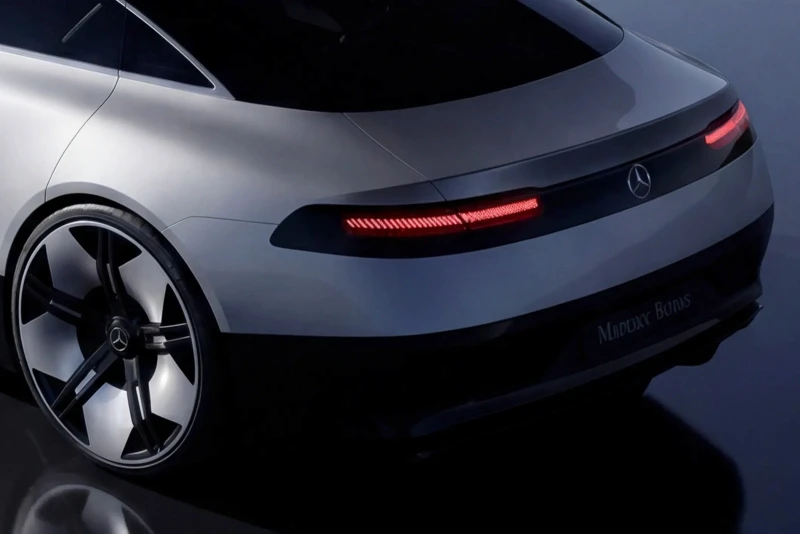
The design features almost no complex decorative elements or aggressive forms. Instead, the designer used restrained lines and a minimalist approach to details. Even the brand emblem is placed quite laconically — a large logo is installed at the front, and only one marque sign remains at the rear.
The two-tone body color deserves special attention. A similar solution was often used on representative Maybach models and some luxury cars of the past. Thanks to this, the concept looks closer to classic premium sedans than to modern sporty electric cars.
Interior Combining Classic and Technology
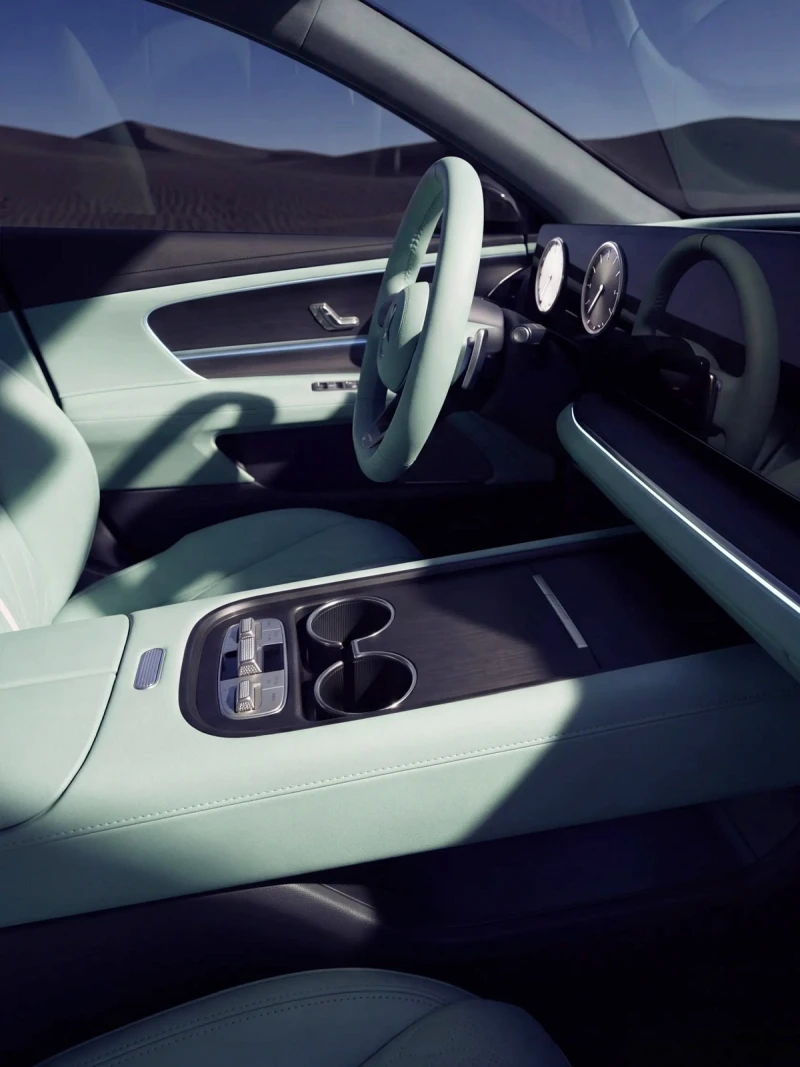
The project generates the most interest inside. In the cabin, the designer rejected the fully digital concept that is used today in many new Mercedes-Benz models. Instead of a large number of screens, traditional instruments and physical control buttons are used here.
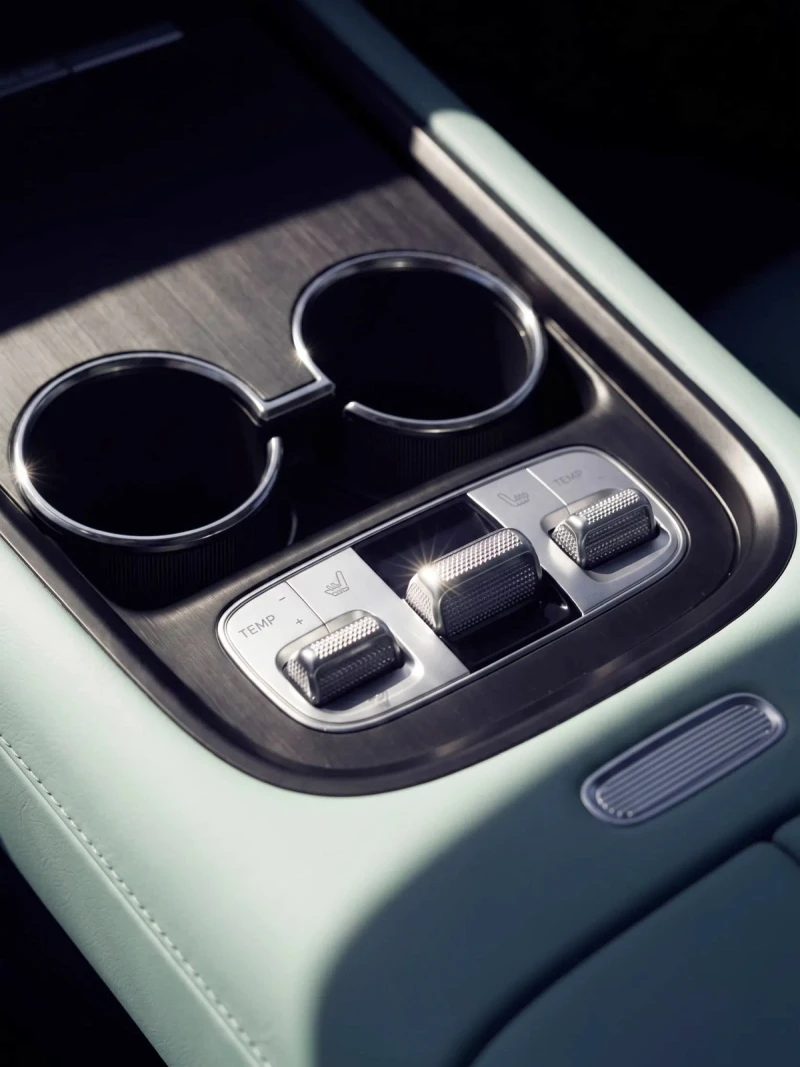
This approach makes the interior visually calmer and more familiar. At the same time, the car does not look outdated: modern displays and electronic systems are present in the project, but they do not dominate the other elements of the cabin.
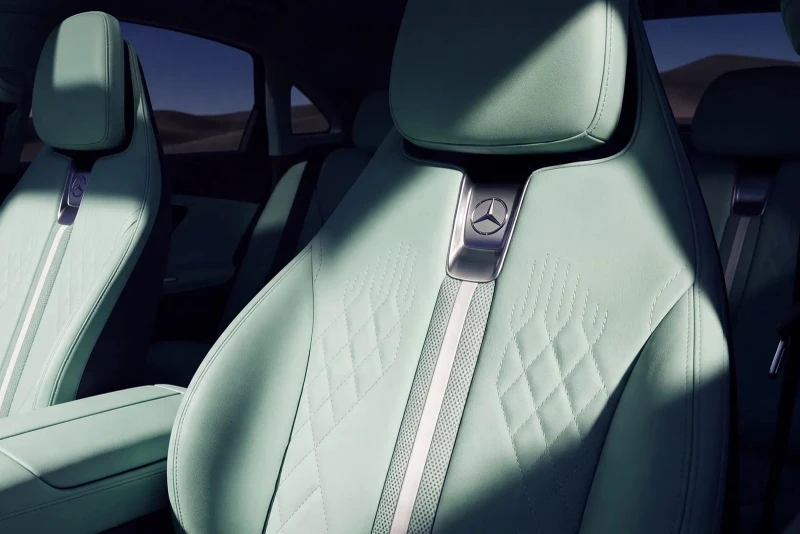
Attention has also been paid to the finishing materials. The concept uses combinations of wood, metal, and light leather, which are traditionally associated with representative models of the German brand.
A New Perspective on Brand Style
Conceptual projects by independent designers often become a kind of demonstration of an alternative view on the development of automotive brands. Lukas Wohinger's work shows that even in the era of electric vehicles and digital technologies, many design solutions from the past remain relevant.
The project is not connected with the official plans of Mercedes-Benz, however, it has again raised the topic of preserving the brand style and the balance between modern technologies and the traditional image of premium cars.