


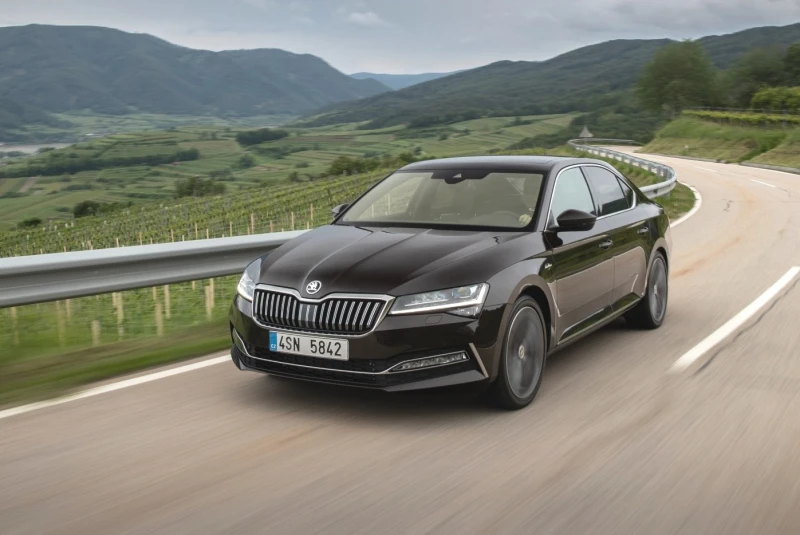
From 2015 to 2023, this model cemented its place as one of the most popular "big" liftbacks on the used market — and for good reason. It delivers the kind of interior space that used to be the exclusive territory of pricier premium sedans, while staying relatively affordable to own and run.
For the used-car shopper, the Superb III isn't just a "car with lots of room." It's a do-everything tool: for a family of five, for long highway hauls down Route 66, or for anyone who moves cargo regularly but doesn't want to step up into a crossover. Lined up against a Toyota Camry or Hyundai Sonata, the third-generation Superb wins first and foremost on the sheer versatility of its liftback body.
From the second generation to the third: what the MQB platform changed
The previous Superb (chassis code 3T) was a solid but fairly conservative car built on the PQ46 platform. The third-generation 3V switched entirely to the modular MQB platform in 2015 — the same architecture beneath the Volkswagen Passat B8, but with a stretched wheelbase. The result is a car roughly 150–175 pounds lighter, stiffer in the body, and far more modern in the way it drives.
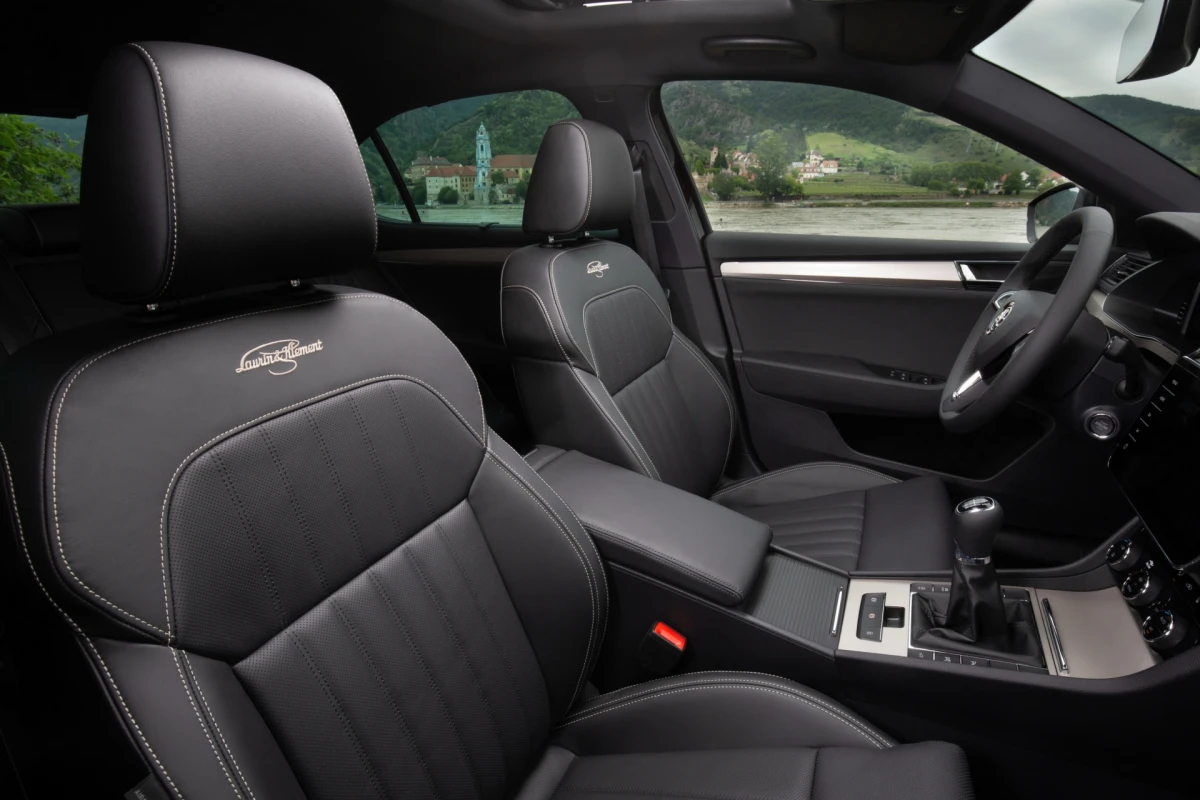
The wheelbase grew to 111.8 inches (2,841 mm), and you feel it immediately in the back seat: rear legroom here beats plenty of full-size cars a class above. The liftback's trunk holds about 22 cubic feet in standard form and up to 62 cubic feet with the seats folded. This isn't just a sedan with a big tail — it's effectively a wagon wearing a liftback body. A Combi wagon version was offered too, but the liftback is far more common, since most buyers preferred its easier loading.
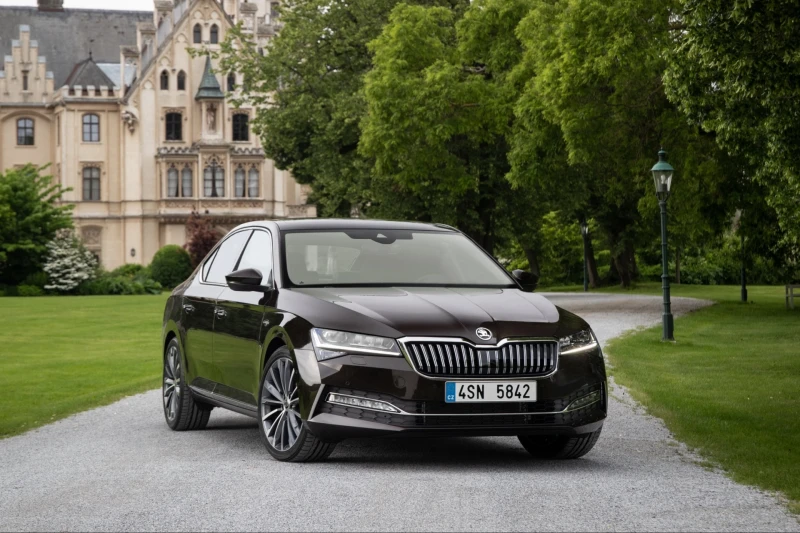
The 2019 facelift brought matrix LED lighting, a mildly revised front end, and an expanded list of electronic aids. But the core stayed the same — the Skoda philosophy: maximum space for sensible money.
What you'll actually find on the used market
As of 2026, most listings on sites like AutoTrader, Cars.com, and CarGurus are 2017–2022 model years. Ballpark pricing looks like this: clean 2015–2017 cars with 125,000–185,000 miles start around $11,000–$15,000 — an estimated market price for the United States. Fresh facelifted 2021–2023 examples with under 95,000 miles and a good trim run roughly $22,000–$28,000. Naturally, it all depends heavily on condition, engine, and equipment.
The most popular choices are the 2.0 TDI diesels with 150 or 190 horsepower paired with the DSG. The gasoline 1.4 TSI (150 hp) and 2.0 TSI (190–220 hp) show up too, though less often. Worth flagging for U.S. shoppers: TDI diesels are genuinely scarce here and were at the center of VW's emissions scandal, so the vast majority of cars on the ground run on regular or premium unleaded. All-wheel drive (4x4) is most often paired with the range-topping 280-hp 2.0 TSI or the 190-hp 2.0 TDI — versions especially prized by anyone who logs a lot of cold-weather highway miles.
Trim levels split into Active, Ambition, Style, and Laurin & Klement. Ambition and Style are the most common: tri-zone climate control, adaptive cruise, heated seats all around, a backup camera, and keyless entry. Laurin & Klement, with leather and chrome accents, is nearly premium-grade — and used prices reflect that.
Living with it: what to check before you buy
The Superb III's biggest strength is everyday use. The suspension soaks up rough pavement well, especially if you don't cheap out on quality dampers. The progressive-ratio steering rack (added after the facelift) makes the car genuinely pleasant to drive despite its size.
The engines are generally considered reliable. The 2.0 TDI diesels (EA288) will easily clear 185,000 miles with timely service. The key is using good fuel and changing the oil on schedule. The gasoline 1.4 and 2.0 TSI units (EA211 and EA888) are durable too, but the 2.0 TSI needs attention to its timing chain and turbo after about 125,000 miles.
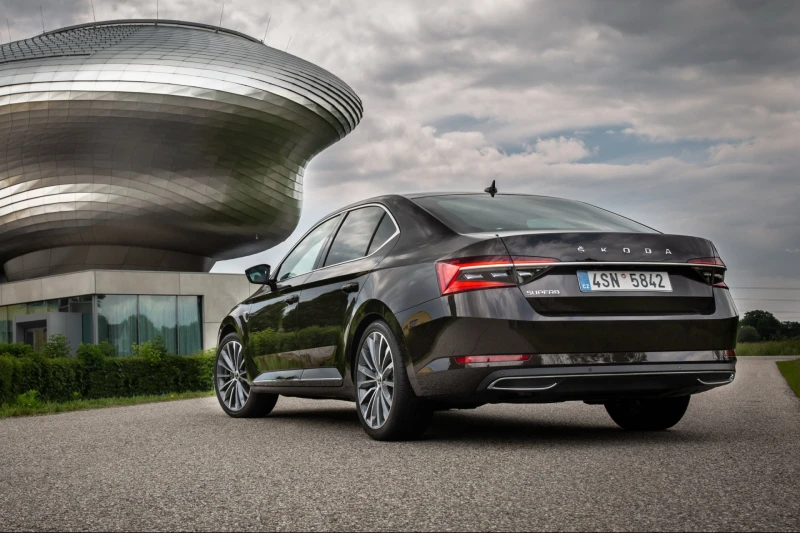
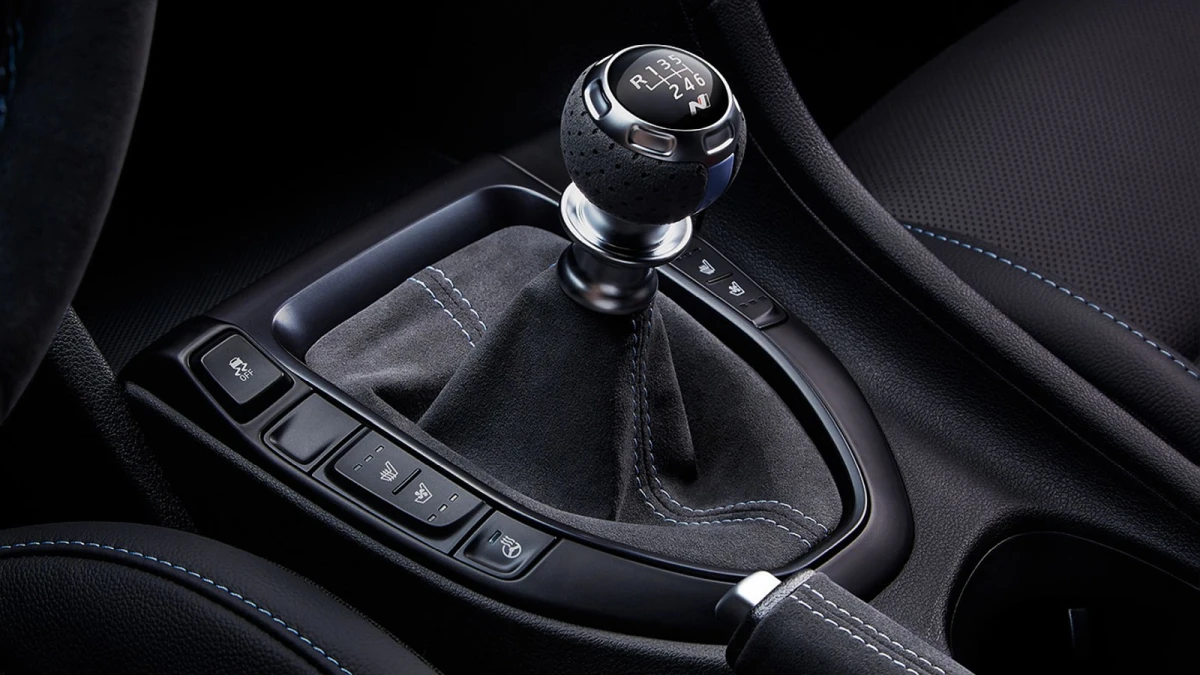
As always, the DSG transmission generates the most discussion. The "dry" DQ200 on the smaller engines needs a fluid change roughly every 37,000 miles, while the "wet" DQ500 on the 280-hp versions needs it even less often. When buying, always check the repair history of the mechatronics and clutch. Plenty of cars have already had this work done — and go on running without serious issues.
Among the typical Superb weak points are corrosion on the wheel arches and sills (especially on early cars), climate-control electronics gremlins, and the occasional sensor failure. But nothing critical compared to rivals. Parts are easy to find, many components interchange with the Passat B8, and Skoda's signature "Simply Clever" touches — like the umbrella in the door or the ice scraper tucked into the fuel-filler flap — add daily convenience for owners.
How it stacks up against rivals — and why it often wins
Park a Toyota Camry or Kia Optima/Hyundai Sonata of the same years next to it, and the Skoda offers more rear-seat and cargo room, better equipment for the same money, and more engaging handling. The Passat B8 is practically a technical twin, but the Superb is longer and roomier — and on the used market it's often cheaper, too.
For anyone cross-shopping a Mazda6, the Superb wins on practicality and residual value. Yes, the new fourth-generation Superb lists from around $40,000 where it's sold, but the third generation on the used market is still one of the most rational picks in the segment.
Real-world fuel economy in U.S. driving: the 2.0 TDI diesel returns about 36–43 mpg on the highway and 29–34 mpg around town. The 1.4 TSI gasoline averages roughly 29–34 mpg in mixed driving. That matters for anyone covering more than 12,000–15,000 miles a year.
The bottom line for buyers
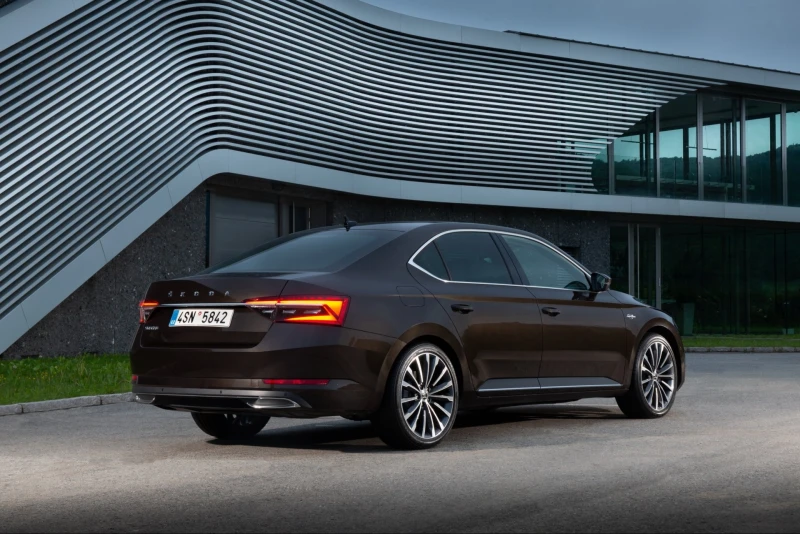
The Skoda Superb III (3V) is a car that doesn't try to look premium, yet effectively delivers very similar feelings for sensible money. It isn't the flashiest thing on the road, but in daily life it's genuinely convenient: slide behind the wheel and you immediately understand where the money went. A huge cabin, thoughtful details, and dependable hardware — provided it's been properly maintained.
If you need a car for family duty, long trips, and hauling gear without runaway service costs, the third-generation Superb is still one of the best used-market options out there. The main thing is to find a car with a clean history and not to ignore the quirks of the transmission and suspension. Do that, and the car will keep proving for years that Skoda really does know how to build smart machines.
In today's market in 2026, with new cars significantly more expensive than they used to be, the Superb III remains that same "gold standard" of a big, practical car. And that's probably the best thing you can say about any model.