This is especially true for climate control and heating systems, which often need to be adjusted while driving. Against this backdrop, the update of the Korean KGM Torres crossover has become a telling example of how a manufacturer chose to rethink its own approach to cabin layout.
After the facelift, the model brings back physical controls along with a series of technical refinements. The changes affected both interior ergonomics and the vehicle's technical components.
Why Touchscreen Controls Raise Questions
In recent years, many automakers have almost entirely abandoned classic buttons and switches. Most functions have been moved to the central infotainment display, including climate-control settings, seat heating and steering-wheel heating.
This approach makes the interior look more modern, but in everyday use it often proves less convenient. It is particularly noticeable in winter, when after starting the engine the driver has to wait for the infotainment system to load in order to turn on the heater or seat heating.
Small touch icons have become an additional issue, forcing the driver to take their attention off the road. Amid the spread of fatigue-detection and driver-attention monitoring systems, this creates a contradictory situation: the car simultaneously demands maximum focus on the road and requires the use of a complex touch menu even for simple actions.
What Changed After the Facelift
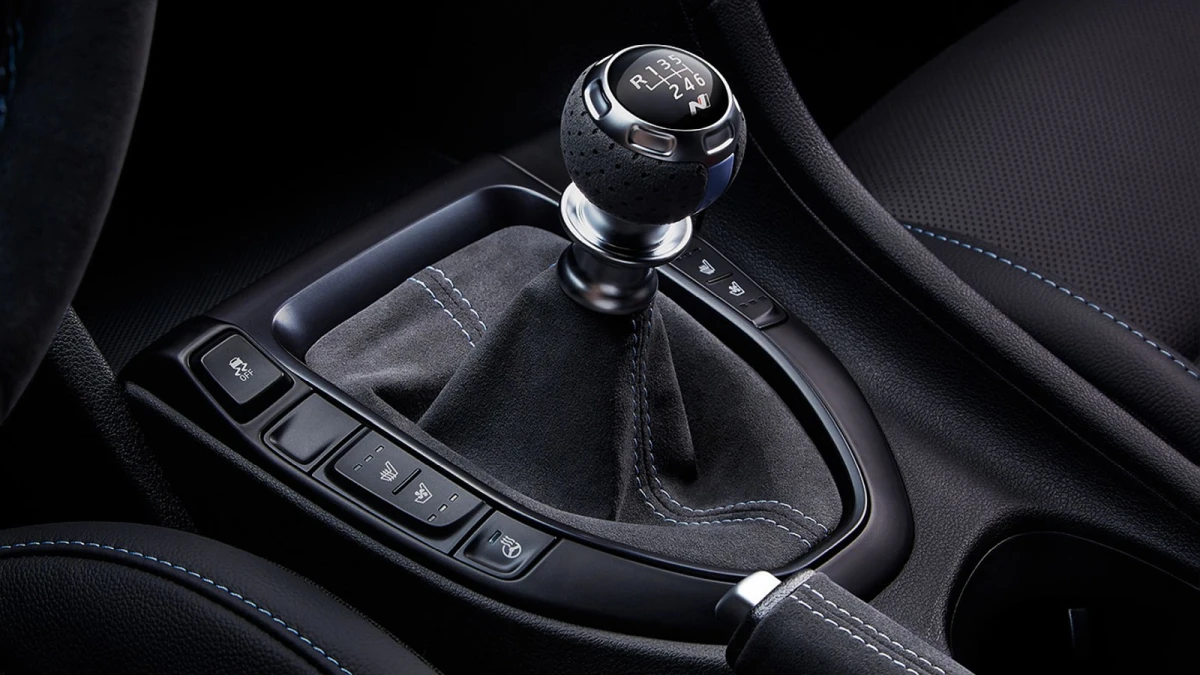
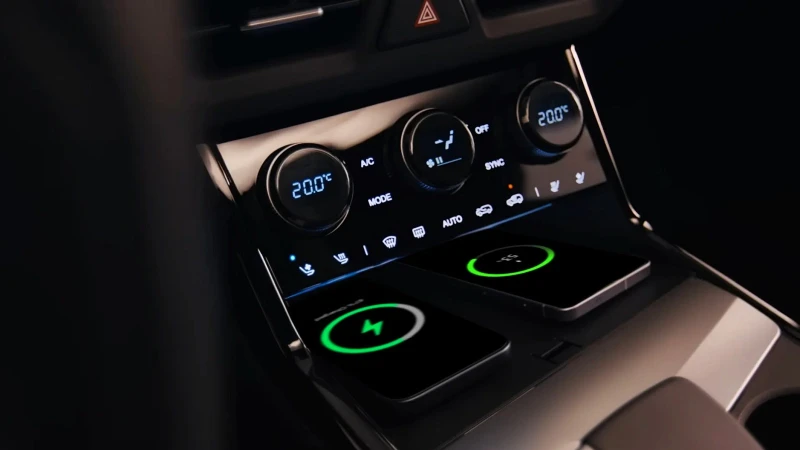
KGM, formerly known as SsangYong, decided to partially restore traditional controls in the Torres cabin. After the update, the center console received a redesigned climate-control unit with three physical dials.
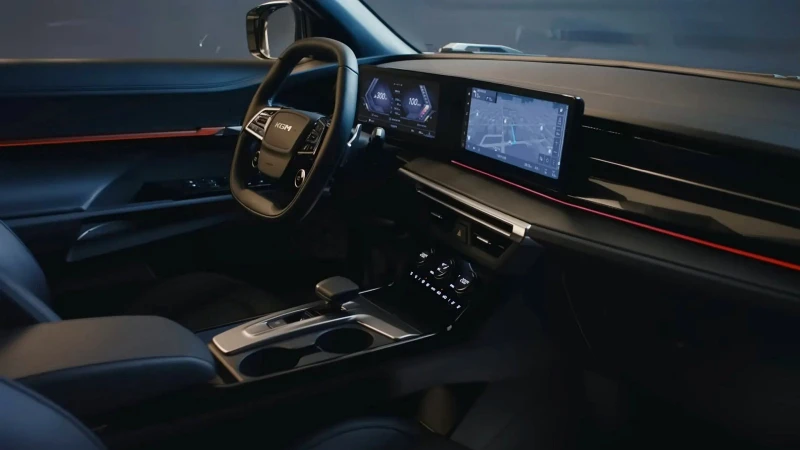
Now the main settings can once again be adjusted almost by feel, without being distracted by searching for the right item in the infotainment menu. At the same time, the manufacturer has not abandoned digital solutions entirely — some functions remain integrated into the touch interface.
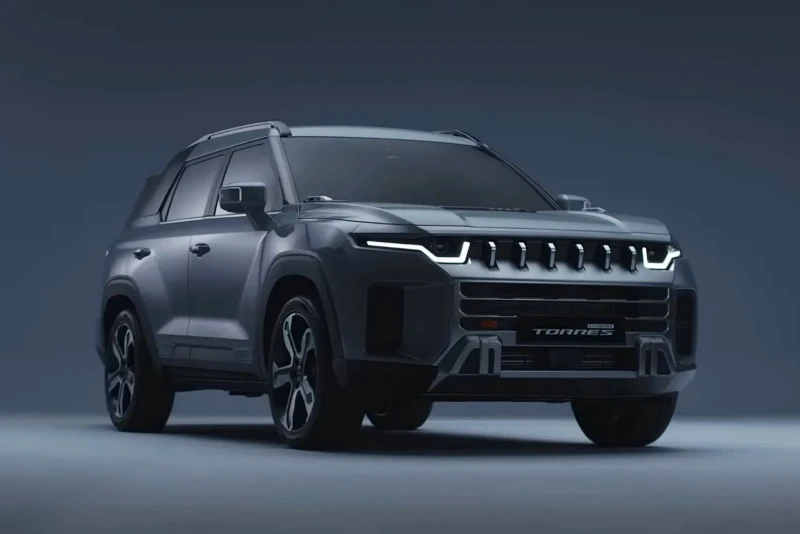
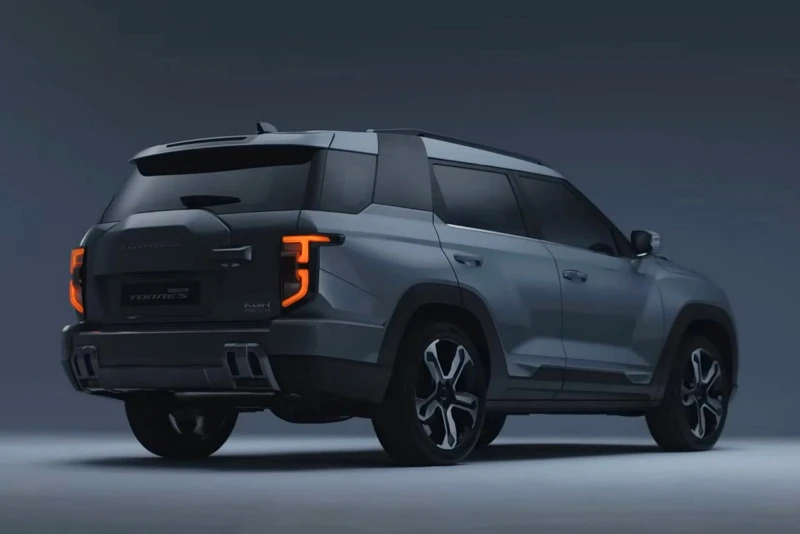
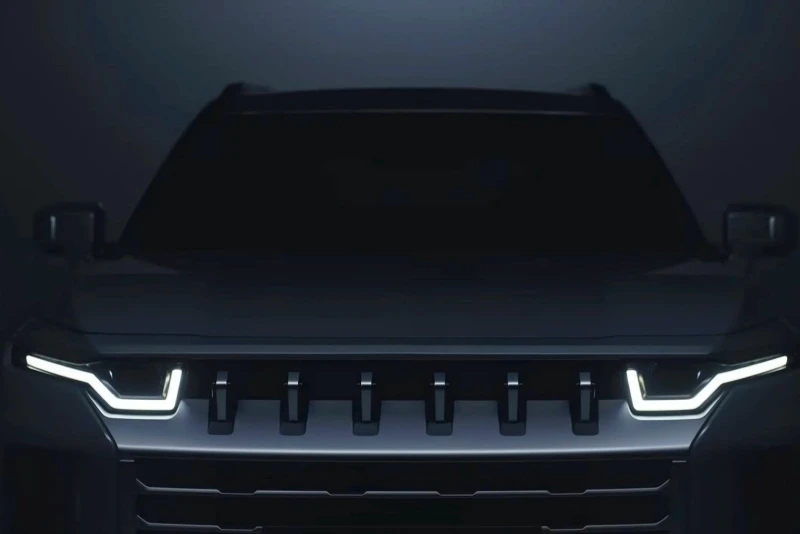
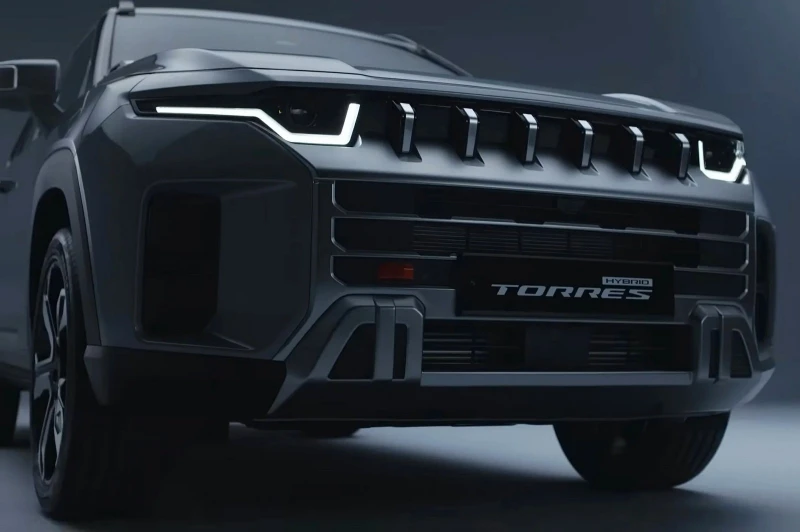
Externally, the facelift turned out to be fairly restrained. The vehicle retained its familiar body design, with changes affecting mostly the details:
- revised bumpers;
- new 20-inch wheels;
- an additional grey body color;
- a slightly increased body length — up to 4.7 meters.
A New Transmission and an Updated Cabin
Among the technical changes, one of the most significant is the introduction of a new eight-speed automatic transmission for the gasoline version of the model. Previously, the vehicle was equipped with a six-speed transmission, which did not always work efficiently with the 1.5-liter turbocharged engine producing 170 horsepower.
The new transmission is intended to improve smoothness and reduce fuel consumption under real-world driving conditions. The powertrains overall remained unchanged, including the hybrid variant.
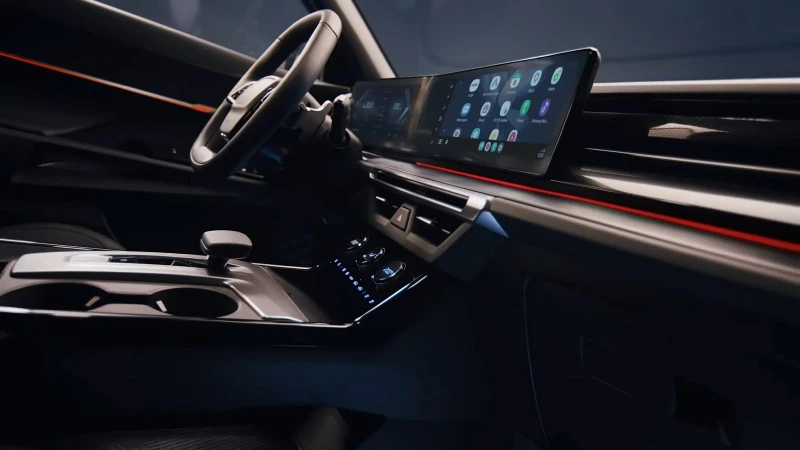
The interior also received a new steering wheel with more convenient controls, updated Athena 2.5 infotainment software, and two wireless smartphone charging pads.

A Practical Approach in the Large-SUV Segment
The KGM Torres remains one of the most affordable large crossovers in its class. At around 4.7 meters in length, the model offers a spacious cabin, modern equipment and a fairly unconventional design that sets the vehicle apart from its more conservative rivals.
The story of bringing back physical buttons shows that some manufacturers are starting to pay closer attention to everyday practicality. Despite the rapid development of digital technologies, traditional controls are still in demand, especially in vehicles intended for daily use.