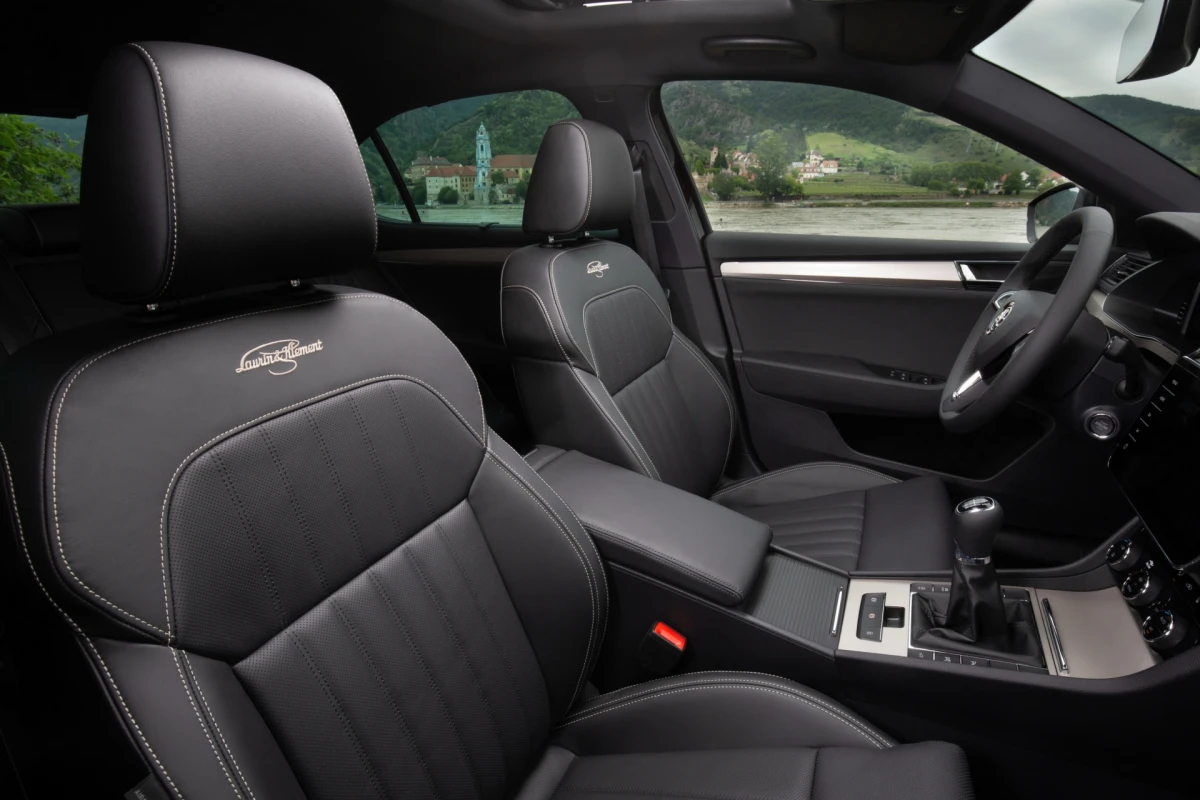



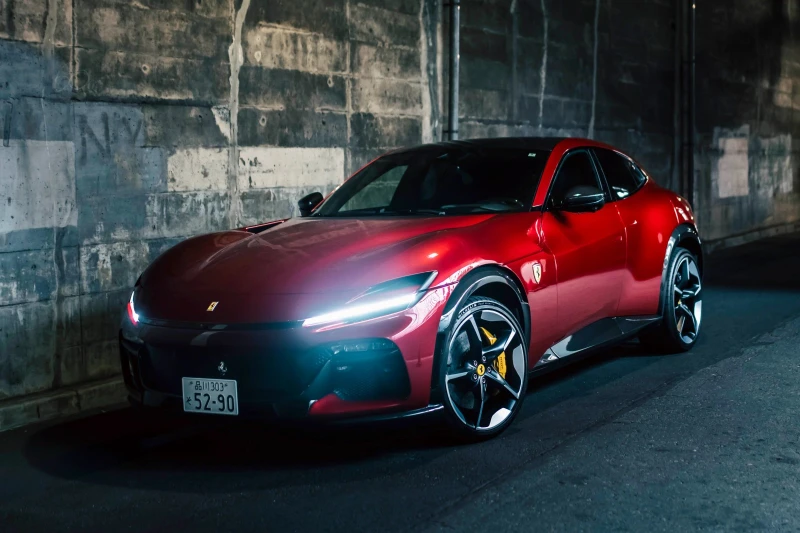
This is Ferrari's first production vehicle in an SUV body, designed for daily use and comfortable journeys for four people. Despite the mixed reactions of some brand enthusiasts toward this format, the model quickly became popular and still remains expensive even on the used market.
That said, the cost of the car itself is only part of the expenses owners of such vehicles face. The real costs begin to emerge during maintenance and repair, especially when complex technical assemblies are involved. One such example is the active dampers of the Ferrari Purosangue, the price of which surprised even specialists who repair exotic cars.
Why the Purosangue Remains Expensive Even With Mileage
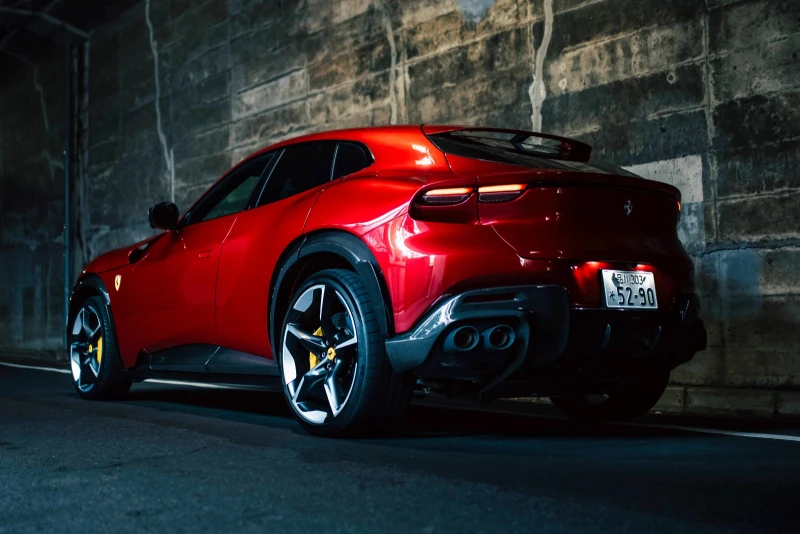
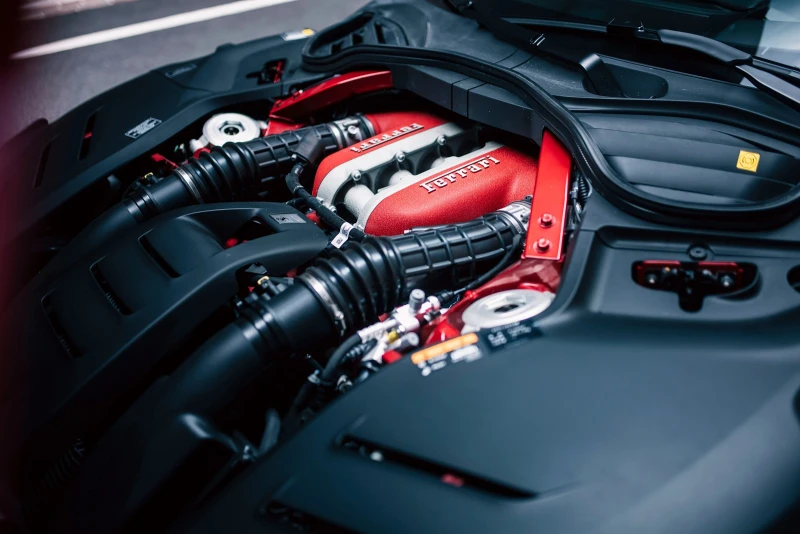
Ferrari brought the Purosangue to market as a premium crossover with the character of a sporting grand tourer. The car received a naturally aspirated 6.5-liter V12 engine, an all-wheel-drive system, and a distinctive body architecture that visually resembles a large hatchback more than a classic SUV.
Strong demand has led to a situation where even used examples sell noticeably above their original price. Prices for relatively new cars remain very high, while supply stays limited.
At the same time, experts note that the situation may change over time. As the number of cars on the market grows and older examples appear, the value of the Purosangue will gradually decline. However, a more accessible purchase price does not yet mean cheaper ownership.
How Much One Ferrari Damper Costs
One of the most discussed components has been the suspension elements. According to mechanics who work with expensive sports cars, the cost of a single front damper for the Ferrari Purosangue is around 21,400 dollars.
Translating that figure into a full set, replacing all four dampers can cost more than 85,000 dollars, excluding taxes, shipping, and labor. For comparison, that sum could buy a new mid-range sports car.
Such prices are explained not only by the brand's prestige. The suspension design uses the complex Ferrari Active Suspension Technology, an active system developed jointly with the Canadian company Multimatic.
How the Purosangue Suspension Works
The Ferrari Purosangue suspension differs noticeably from traditional adaptive systems. Each damper is equipped with its own electronic control system and additional cooling components.
The design uses:
- electric motors powered by a 48-volt system;
- oil cooling;
- body-position sensors;
- separate thermal-management elements;
- real-time electronic stiffness control.
The system continuously analyzes road conditions and adjusts the suspension settings almost instantly. This allowed engineers to combine the comfort of a large crossover with the handling of a sports car.
However, the high level of technology inevitably affects the cost of parts and repairs. Even relatively standard suspension elements here turn into complex engineering assemblies with a large number of electronic components.
The Realities of Owning Expensive Supercars
The story of the Purosangue's dampers once again illustrates the specifics of owning modern luxury-class cars. The main expenses are often tied not to buying the car, but to its subsequent maintenance after the warranty ends.
For Ferrari, this situation is not unique. High prices for braking systems, body elements, and suspension parts are characteristic of most limited and technologically complex models from the brand. However, in the case of the Purosangue, the cost of some components has proven especially high even by the standards of this segment.
As a result, operating such cars gradually becomes an increasingly complex and expensive task, particularly on the used market, where maintenance costs already fall on subsequent owners.