In the first half of 2026, the model not only increased its sales but also pulled well ahead of every direct competitor in the non-luxury segment.
Sales Rise 22%
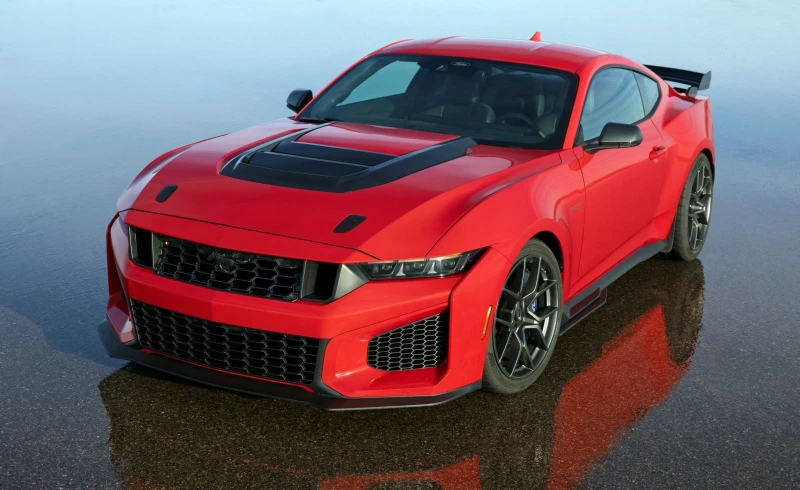
From January through June, Ford sold 28,725 Mustangs in the United States. That was more than 5,000 vehicles above the total recorded during the same period last year. Sales rose by about 22%, giving the model a 59% share of the non-luxury sports car segment.
Current results remain far below those of the 1960s, when annual Mustang sales reached hundreds of thousands of units. The record was set in 1966, when more than 607,000 vehicles found buyers. However, with the overall coupe and convertible market shrinking, the latest figures show that interest in the model remains strong.
Competitors Trail Far Behind
The Mustang's closest rivals sell in significantly smaller numbers. Toyota sold 4,007 GR86 models during the first half of the year. The gasoline-powered Dodge Charger reached 4,586 sales, an increase of 181% from the previous year. Meanwhile, the electric Charger found just 534 buyers.
The Chevrolet Corvette occupies a more expensive part of the market. A total of 13,417 units were sold over six months, up 6.5% from last year's result. Despite that increase, the Corvette still trailed the Mustang by a wide margin in sales volume.
Pricing Remains a Key Advantage
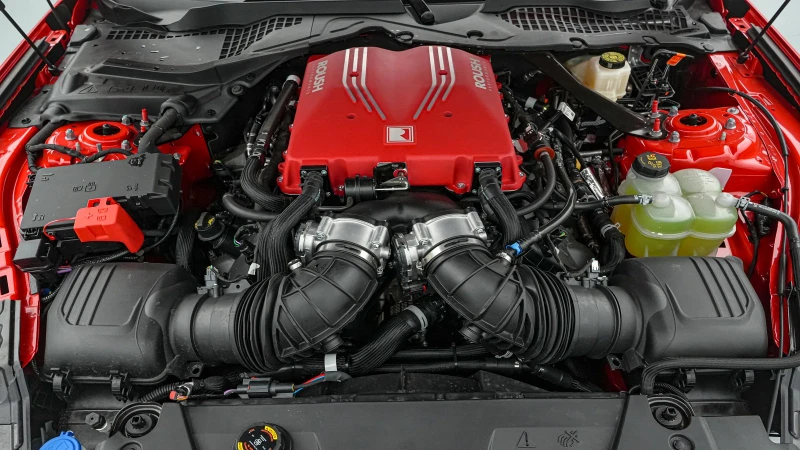
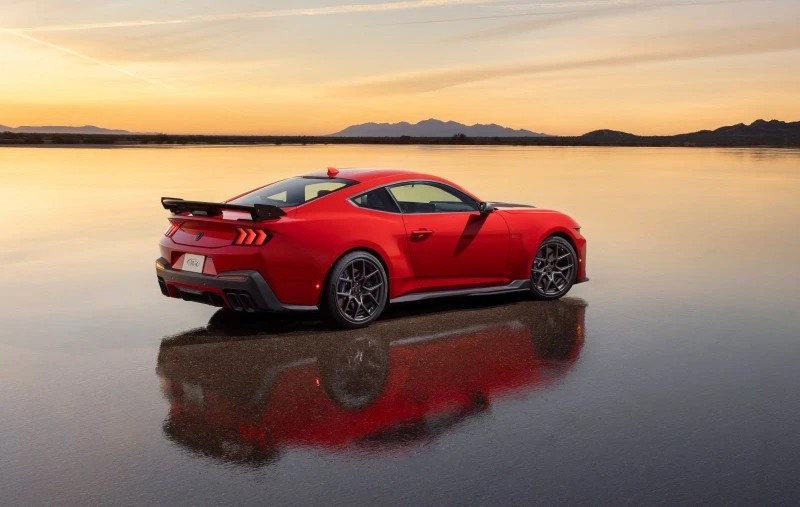
The base Ford Mustang with a 2.3-liter turbocharged EcoBoost engine starts at $32,995 in the United States. The GT version with a naturally aspirated V8 starts at approximately $46,800.
By comparison, the six-cylinder Dodge Charger starts at nearly $50,000, while the more powerful version exceeds $55,000. The Chevrolet Corvette costs about $70,000. The Mustang therefore retains a lower starting price while offering buyers a broad selection of versions.
Gasoline Mustang Outsells Electric Mach-E
While sales of the traditional sports car increased, sales of the electric Mustang Mach-E fell by 46.5%. The two models belong to different classes: the classic Mustang remains a two-door coupe or convertible, while the Mach-E is an electric crossover that uses the well-known name.
Conclusion
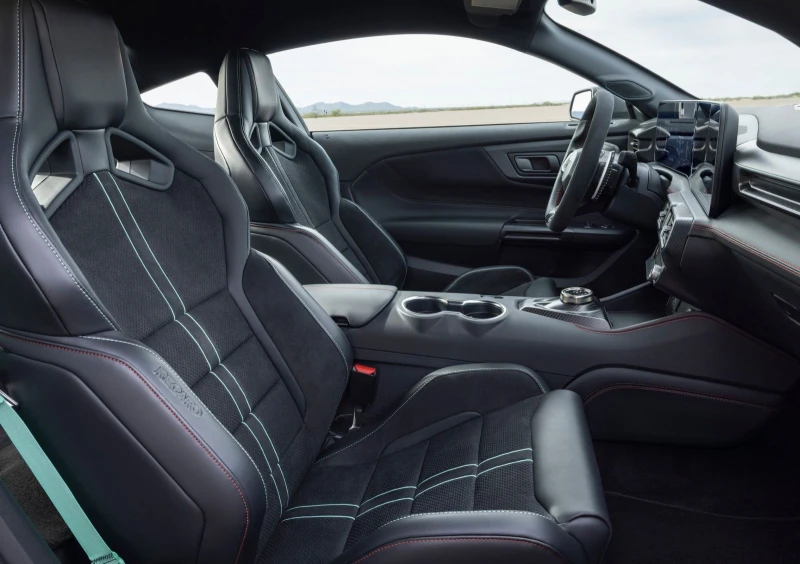
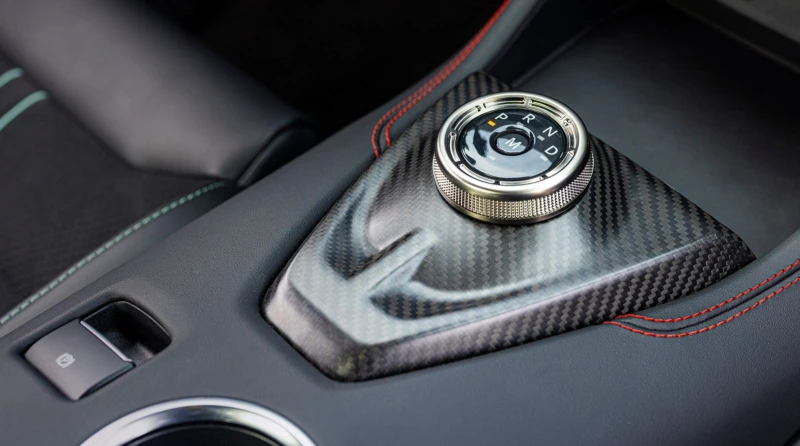
Results from the first half of 2026 confirm the Ford Mustang's strong position in the U.S. market. Its combination of recognizable styling, gasoline engines, a practical cabin, and a relatively affordable price helped it outperform its main rivals and capture more than half of the non-luxury sports car segment.