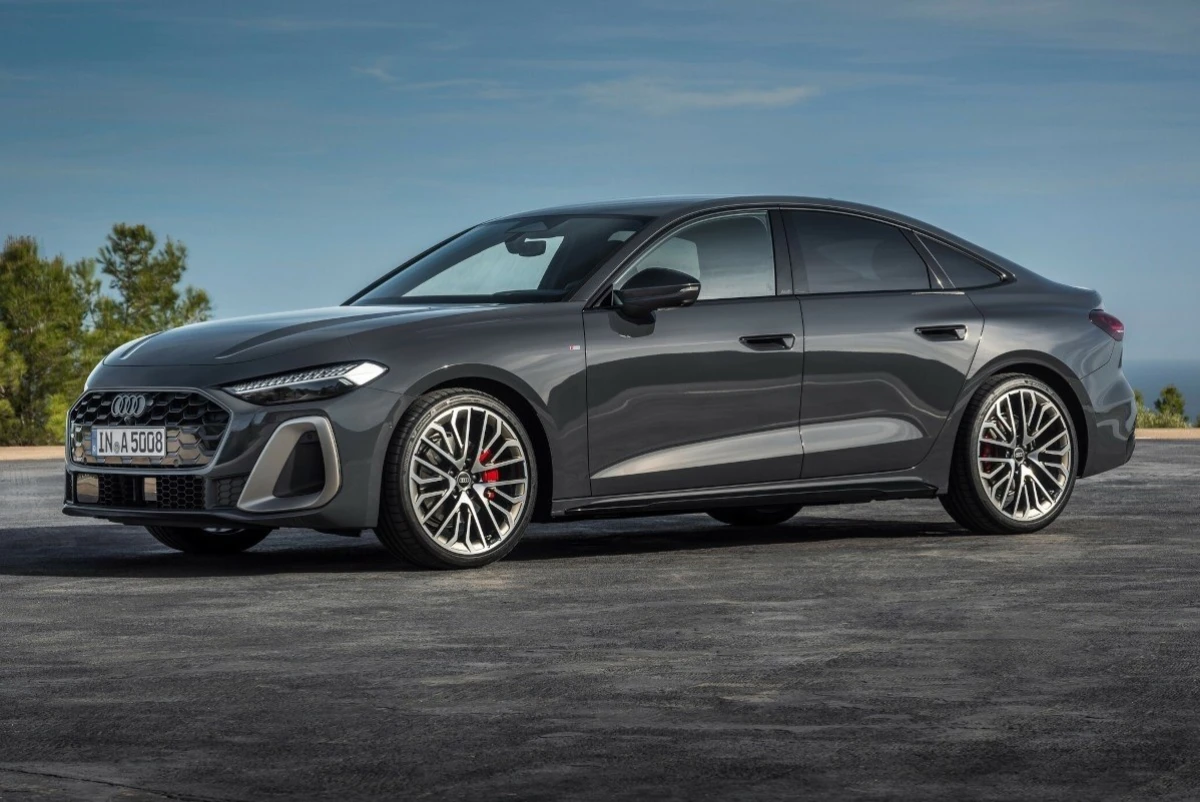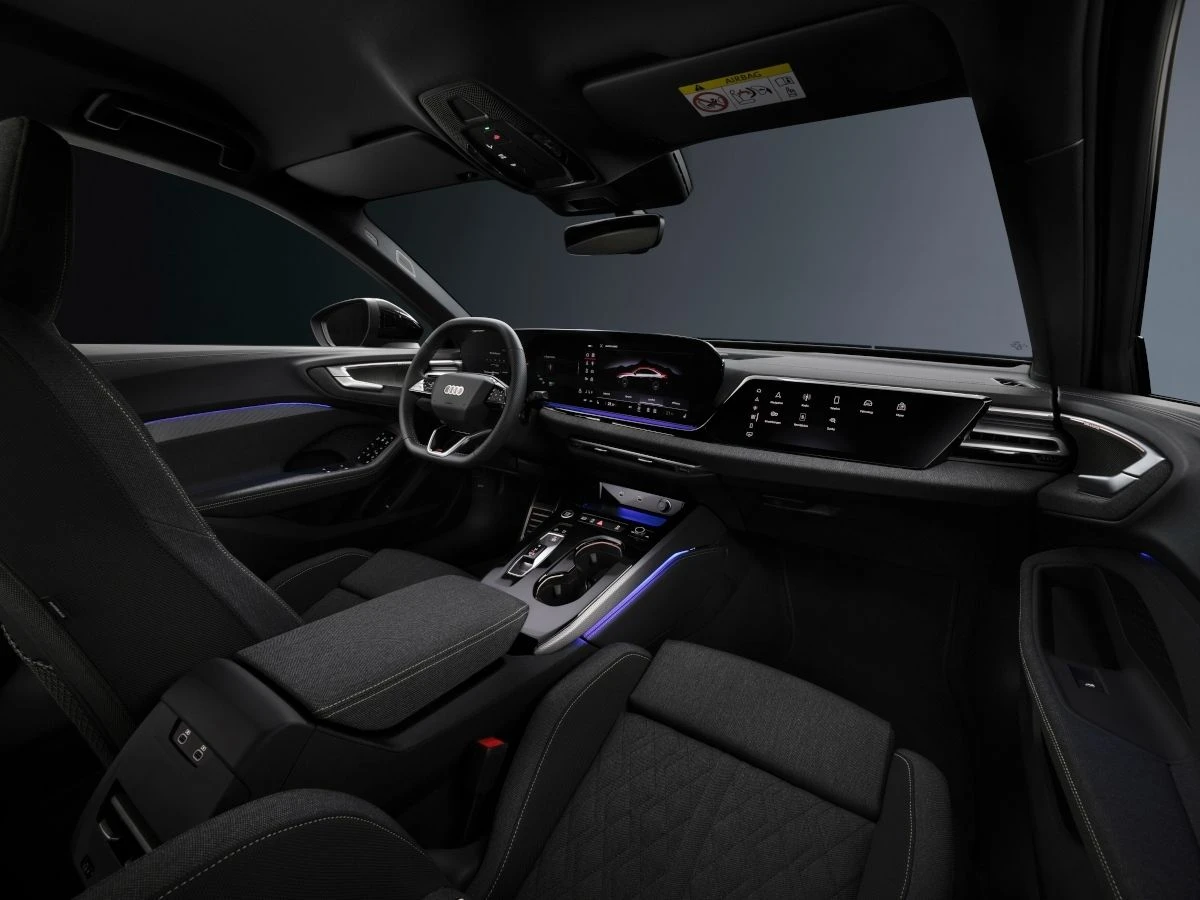
It is no longer the newest A5, but it does not feel outdated. The MLB Evo platform gave the F5 generation enough technological headroom that well-kept 2018 and 2019 examples can still feel more contemporary than many cars of the same age. Depreciation has also made them considerably more accessible than the redesigned A5 that replaced this generation in the United States.
What fundamentally changed from the first generation
The first-generation A5, known internally as the B8, established the model’s styling but used an older and generally heavier architecture. The F5 moved to the MLB Evo platform shared with the B9-generation A4 and other modern longitudinal-engine Audi models. Greater body rigidity and reduced weight helped sharpen steering response, limit body roll and give the car a more composed feel.
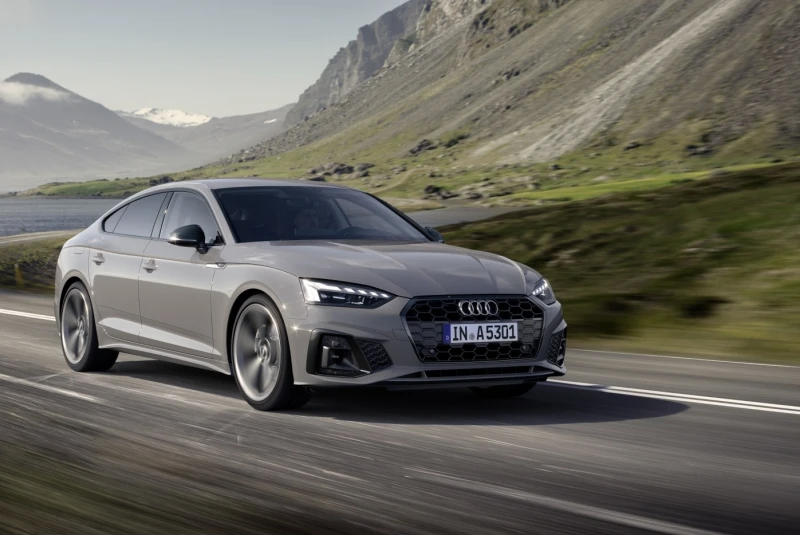
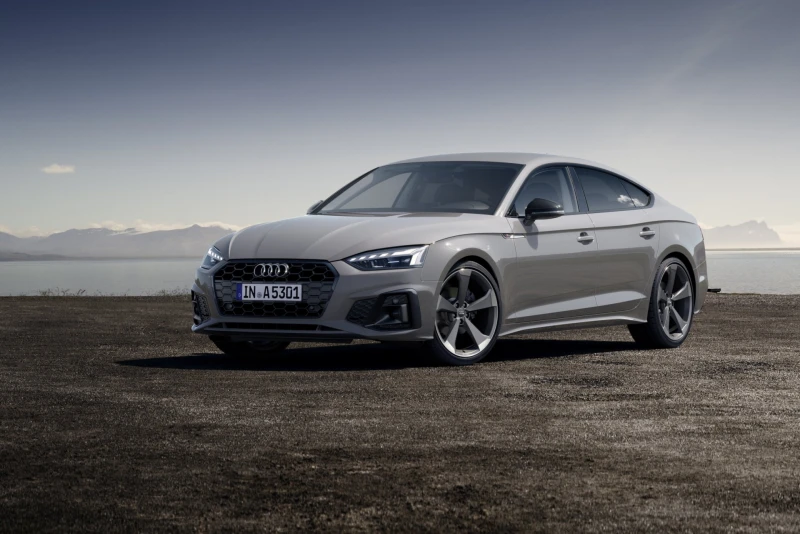
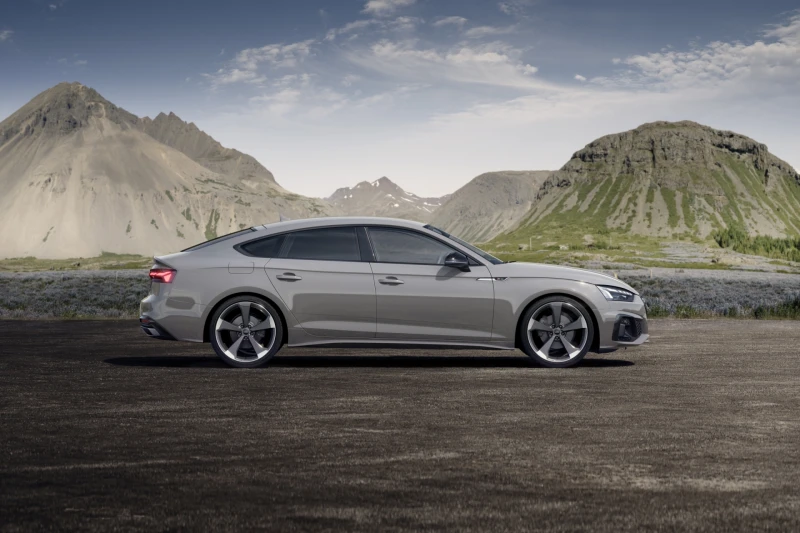
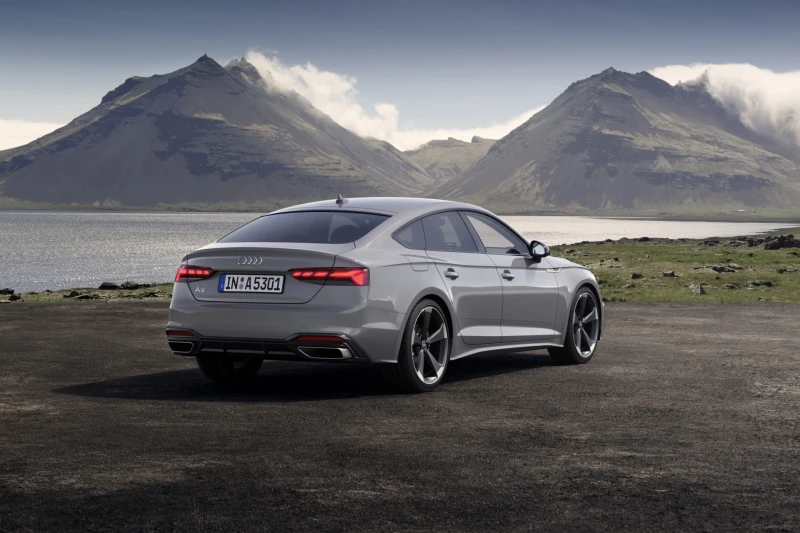
The F5 generation also brought the five-door Sportback to U.S. buyers. Its longer wheelbase and rear doors make the second row more usable than the Coupe’s, while the large liftgate and folding rear seats provide considerably greater cargo flexibility. It is the body style that best combines the A5’s low roofline with everyday practicality.
Three body styles: which one makes the most sense in the U.S.
The Coupe has the cleanest interpretation of the design, with two doors, a low roof and traditional grand-touring proportions. The tradeoffs are predictable: access to the rear seats is less convenient, rear headroom is limited and the conventional trunk is not as versatile as the Sportback’s cargo area.
For most buyers, the Sportback is the most practical option. It has four passenger doors, a usable rear seat and a wide-opening liftgate while retaining the profile of a fastback rather than a conventional sedan. It is also widely represented on Autotrader, CarGurus and Cars.com, which gives shoppers a broader choice of years, trims and equipment.
The Cabriolet is the niche choice. Its power-operated soft top adds open-air appeal, but buyers should carefully inspect the roof fabric, seals, drains and operating mechanism. Cars from rainy regions, very hot climates or coastal areas deserve particular attention for water intrusion, sun damage and corrosion.
Engines and transmissions: what U.S. buyers will actually find
Unlike the European market, the United States did not receive F5-generation A5 diesels. U.S.-specification cars use a turbocharged 2.0-liter TFSI four-cylinder gasoline engine with quattro all-wheel drive. Earlier 45 TFSI models were rated at approximately 248–252 hp depending on model year, while later versions produced 261 hp and 273 lb-ft. The 45 TFSI delivers strong passing power and is the engine found in the Coupe and Cabriolet as well as many Sportbacks.
Beginning with the 2021 model year, the Sportback was also offered as a 40 TFSI with 201 hp and 236 lb-ft. It prioritizes fuel economy and a lower purchase price, while the 45 TFSI provides noticeably stronger acceleration. Later powertrains incorporated a 12-volt mild-hybrid system. EPA fuel-economy ratings vary by model year, body style and engine output, so the exact rating for the vehicle under consideration should be checked rather than applying one figure to the entire generation.
U.S. A5 models pair the 2.0 TFSI with a seven-speed S tronic dual-clutch automatic transmission. During a test drive, shifts should be smooth once the drivetrain is warm, without excessive hesitation, slipping or warning messages. Maintenance requirements vary by model year, making documented completion of the transmission services specified by Audi more important than relying on a universal mileage interval.
Equipment commonly found on used examples
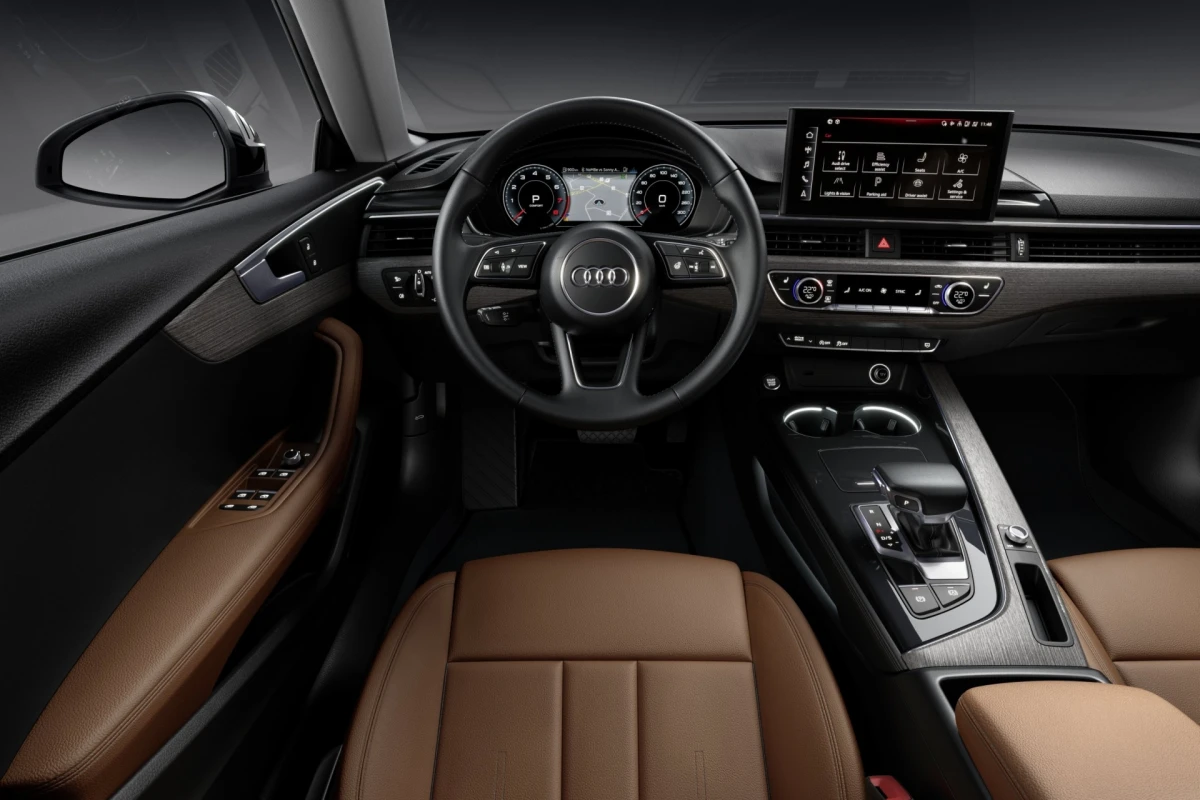
U.S. trim levels generally follow the Premium, Premium Plus and Prestige structure, although equipment and option packages changed over the model run. Audi virtual cockpit, navigation, upgraded LED headlights, a surround-view camera, premium audio and expanded driver-assistance features are common on better-equipped cars but should not be assumed from the trim name alone. The 2020 refresh introduced updated styling and a 10.1-inch MMI touchscreen, replacing the earlier rotary-controller interface.
S line appearance packages and later 45 TFSI configurations add more aggressive bumpers, exterior trim and available sport-oriented cabin details. Some versions also use a firmer sport suspension and larger wheels. These improve the stance and steering response but can reduce ride comfort and increase tire and wheel costs, especially in areas with rough pavement.
Used-market pricing in 2026
Asking prices vary substantially by body style, mileage, condition and accident history. In 2026, many 2018–2024 A5 Sportbacks fall broadly between about $18,000 and $35,000. Early, higher-mileage cars tend to sit near the lower end, while low-mileage 2022–2024 examples with desirable options can exceed the upper end. Coupes and Cabriolets have smaller inventories, so their prices can be less consistent.
Most cars advertised in the United States are U.S.-specification vehicles rather than private imports. A clean title, documented maintenance and a credible mileage history matter more than an unusually long equipment list. Buyers should inspect for prior collision repairs, flood exposure, damaged underbody panels and mismatched tires. A pre-purchase inspection is especially valuable when a low asking price cannot be explained by age or mileage alone.
What to inspect before buying
A complete inspection by a technician familiar with Audi’s MLB Evo cars is advisable. The evaluation should include a diagnostic scan, a cold start, the cooling system, oil and coolant leaks, transmission behavior, suspension bushings, wheel condition and operation of the quattro system. All four tires should be the correct size with closely matched tread depth. Cameras, infotainment functions, LED lighting and driver-assistance systems should also be tested because electronic or lighting repairs can be expensive.
For buyers prioritizing lower fuel consumption and value, the 40 TFSI Sportback is the logical starting point. The 45 TFSI is better suited to drivers who want stronger acceleration or prefer the Coupe or Cabriolet. In either case, service history, condition and specification should take priority over exterior appearance or the presence of an S line package.
How the second-generation A5 compares with its rivals today
At similar used-car prices, shoppers may also encounter the BMW 4 Series Coupe or Gran Coupe and the previous-generation Mercedes-Benz C-Class Coupe. The Audi distinguishes itself with a polished cabin, standard quattro all-wheel drive on U.S.-specification F5 models and the Sportback’s versatile liftgate. BMW generally places more emphasis on steering and rear-drive dynamics, while the Mercedes-Benz favors traditional coupe styling and a comfort-oriented character. Actual equipment varies widely, making individual condition and options more meaningful than broad brand comparisons.
Overall, the F5 generation successfully became more modern and practical without losing the design that defines the A5. In the 2026 U.S. used-car market, it offers a strong combination of styling, performance, technology and everyday usability—provided the buyer verifies the vehicle’s history and commissions a thorough inspection before purchase.