


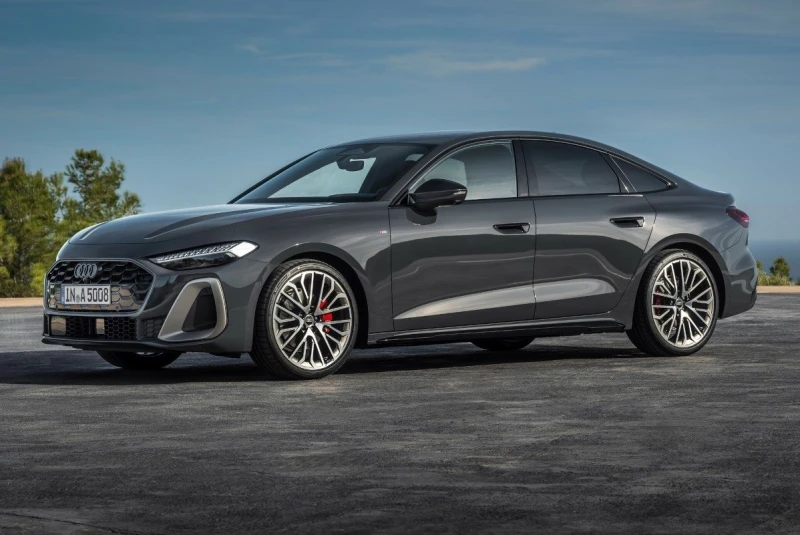
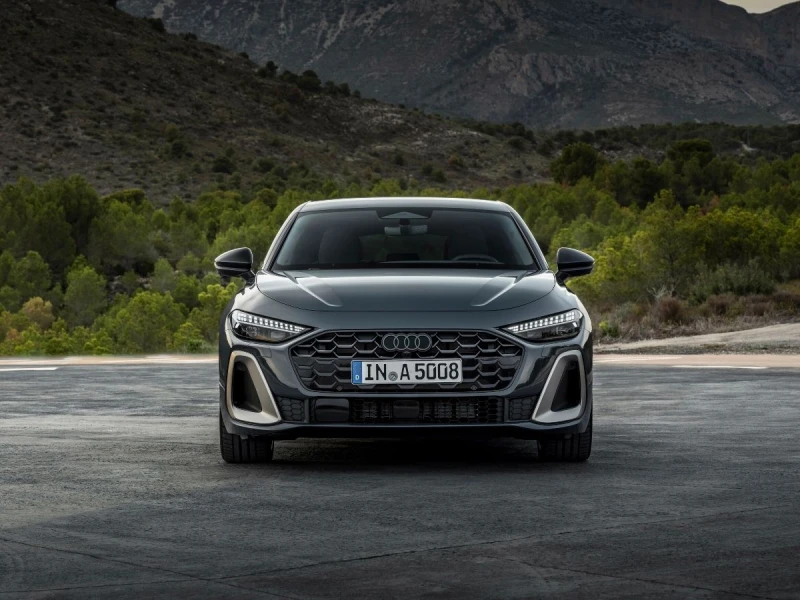
This is more than a routine update. The third-generation Audi A5 moves to the Premium Platform Combustion architecture and takes on a broader role in the brand's U.S. lineup. Where the previous B9 A5 was sold as a coupe, convertible and Sportback, the B10 effectively combines the mission of the former A4 sedan with the practicality and sloping profile of the A5 Sportback. For American buyers, the result is a five-door luxury sedan designed to handle commuting, interstate travel and year-round use without giving up the A5's distinctive shape.
What the new generation changes underneath
The main technical change is the PPC architecture, developed for Audi's latest vehicles with longitudinal combustion powertrains. It gives the A5 a redesigned chassis, a roomier cabin and a more integrated electronic architecture. On the road, the B10 is tuned to balance accurate steering with the quiet, settled ride expected of a compact luxury car. The available S sport suspension lowers the car by about 0.8 inch for a firmer, more responsive character, so wheel and suspension choices deserve as much attention as exterior styling.
Every U.S.-market A5 comes with quattro all-wheel drive. That simplifies the order sheet and adds useful traction in rain or snow, although all-season or winter tire quality still matters more than the drivetrain badge alone. Buyers who prioritize ride comfort should compare the standard 18-inch wheels with the optional 19-inch setups on broken pavement before choosing a package.
2026 U.S. pricing and real-world availability
For the 2026 model year, Audi lists the A5 Premium from $50,200, the Premium Plus from $52,700 and the Prestige from $56,700. These are manufacturer suggested retail prices before destination, taxes, registration, options and dealer charges. Appearance, technology and warm-weather packages can move the transaction price higher, so the useful comparison is the complete window sticker rather than the advertised base figure.
The redesigned A5 reached U.S. dealerships during 2025, which means pre-owned B10 inventory is still relatively young and limited compared with the outgoing B9 generation. Listings on Autotrader, CarGurus and Cars.com should be separated by generation and model year: an older A5 Sportback may look similar in search results but uses a different platform, powertrain calibration and interior system. A vehicle-history report, the original window sticker and an Audi dealer inspection help confirm specification, damage history and remaining warranty coverage.
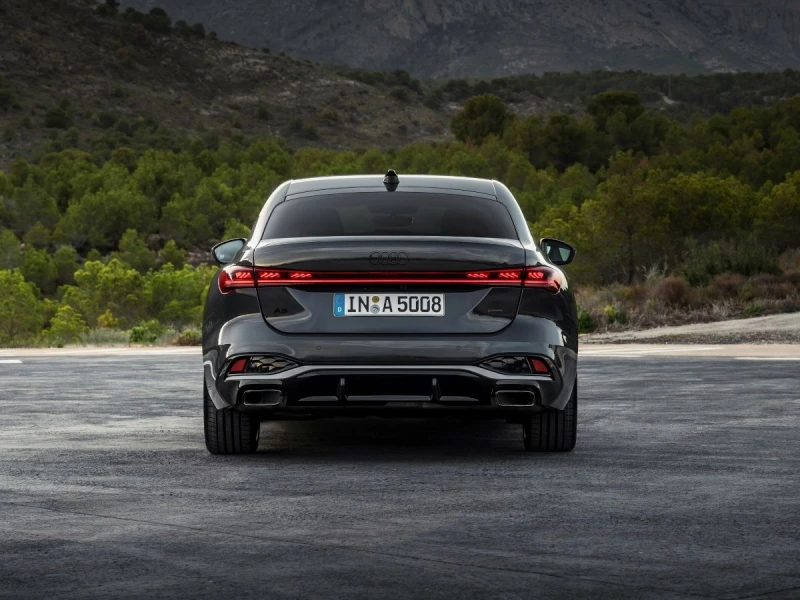
Which engine and trim make sense in the United States
Audi of America offers the standard A5 with one powertrain: a turbocharged 2.0-liter TFSI four-cylinder producing 268 hp and 295 lb-ft, paired with a 7-speed S tronic dual-clutch transmission and standard quattro all-wheel drive. Audi quotes 0–60 mph in 5.6 seconds. EPA estimates are 22 mpg city, 32 mpg highway and 26 mpg combined for the 2026 model, while actual consumption depends on traffic, speed, temperature and wheel choice. Those EPA figures should not be compared directly with European WLTP numbers.
The U.S. range does not include the 2.0 TDI diesel, lower-output gasoline engines or A5 Avant sold in Europe. American buyers therefore do not choose between diesel and gasoline, front- and all-wheel drive, or sedan and wagon within the regular A5 lineup. Anyone considering a privately imported European car should verify federalization, parts compatibility and warranty implications rather than assuming it matches a U.S.-spec model.
Premium, Premium Plus and Prestige are the relevant U.S. trim levels. The best value depends on the installed packages rather than the badge alone: available equipment includes a head-up display, a 10.9-inch passenger display, Matrix-design LED lighting, an S line black optic package and a Bang & Olufsen audio system. Because equipment can change by model year and package, the VIN-specific build sheet is the safest way to verify a particular car.
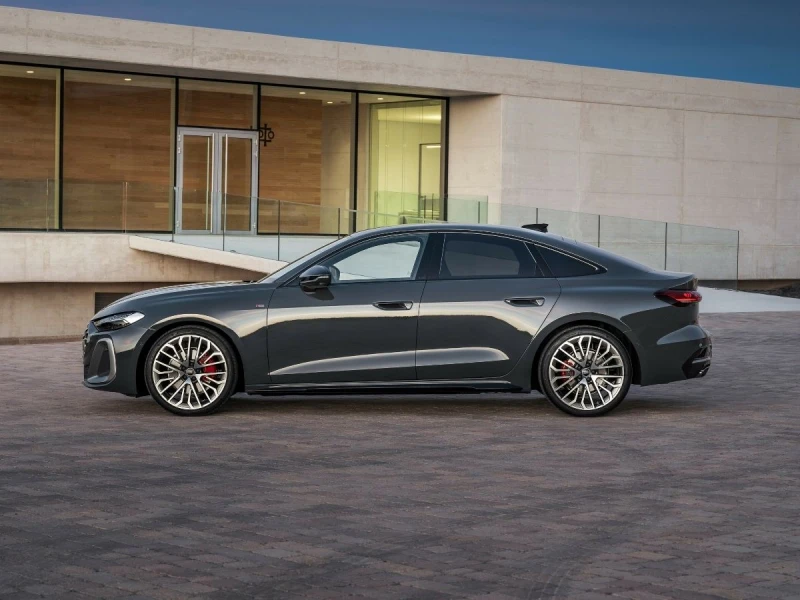
Body style: a sedan name with liftback practicality
The current U.S. A5 is marketed as a sedan, but its rear glass and deck lid open together like a Sportback. Audi no longer offers a new A5 coupe or convertible in this generation, and the A5 Avant wagon remains outside the regular U.S. lineup. The single-body strategy makes the car more practical than a conventional sedan while preserving a low, fastback-style roofline.
The wide liftgate makes it easier to load suitcases, sports equipment and bulky shopping, and the folding rear seatbacks expand the usable space. The tradeoff is familiar to this body style: the sloping roof can affect rear-seat headroom and rearward visibility. Buyers who regularly carry adults in back should check seating position and entry clearance during the test drive rather than judging space from specifications alone.
Interior, digital interface and daily use
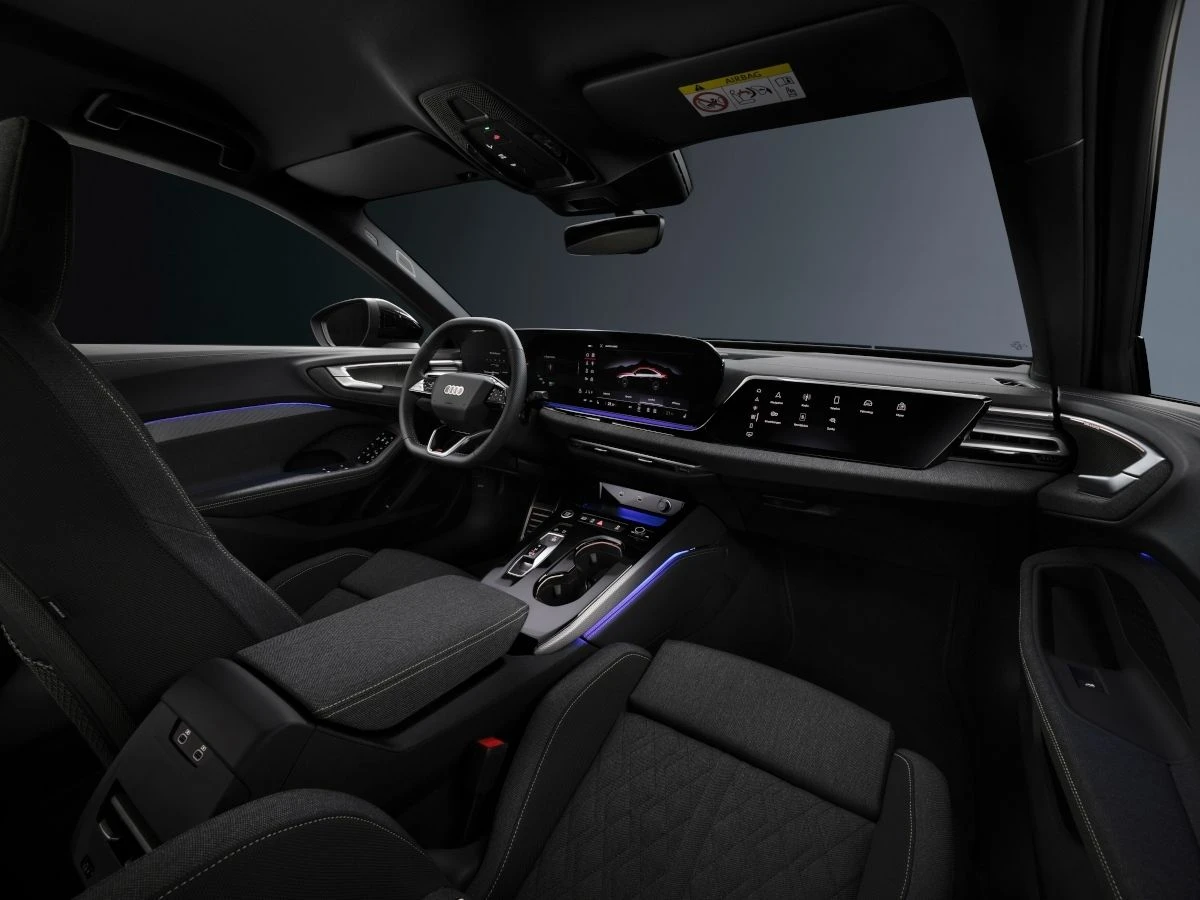
The B10 cabin is organized around Audi's curved Digital Stage, combining an 11.9-inch virtual cockpit with a 14.5-inch MMI touch display. A 10.9-inch front-passenger display is available, as are a head-up display and upgraded Bang & Olufsen audio. The presentation is modern and information-rich, but more functions now depend on menus and touch controls, making a stationary interface test worthwhile before purchase.
Wireless Apple CarPlay and Android Auto are available in the U.S. specification, while driver-assistance features vary by trim and package. Check phone pairing, voice control, navigation, camera views, parking sensors and adaptive cruise assist on the exact vehicle. Rear-seat room is improved over the old A5 Sportback, but the car remains a style-led alternative to a more upright crossover.
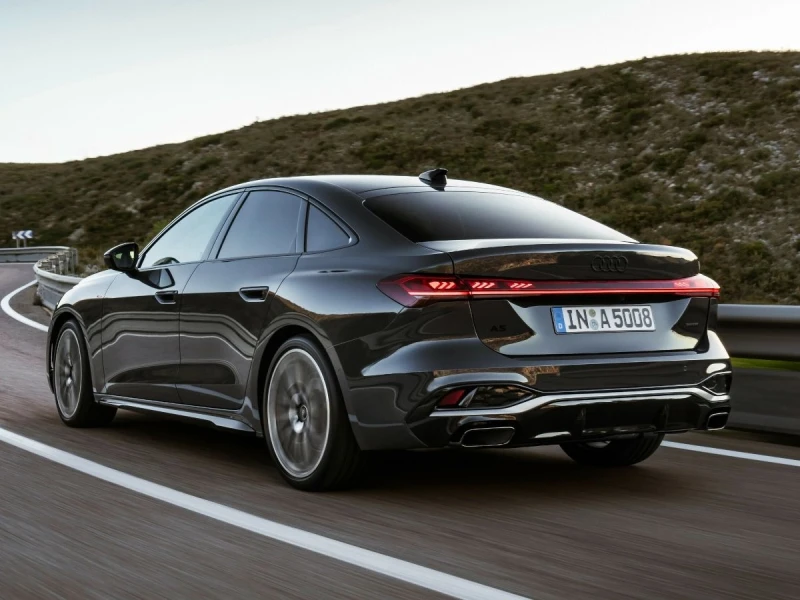
What to inspect before buying and what ownership involves
On a new or lightly used B10, confirm that the MMI system starts cleanly and that cameras, radar-based assistance, lighting signatures, remote functions and the panoramic roof operate without warnings. A test drive should include low-speed maneuvering, rough pavement and highway speeds to evaluate the S tronic transmission, tire noise, alignment and suspension behavior. Cars with 19-inch wheels warrant a careful check for wheel damage and uneven tire wear.
Audi's U.S. new-vehicle limited warranty covers four years or 50,000 miles, whichever comes first. Model-year 2026 vehicles also include Audi Signature Care scheduled maintenance for three years or 30,000 miles. Coverage exclusions and transfer terms should still be confirmed for the individual VIN, especially on a used vehicle. Service, tires, brakes, insurance and electronic repairs generally reflect the premium segment, so obtaining an insurance quote and reviewing local dealer labor rates before purchase provides a more realistic ownership budget.
It is too early to make a firm claim about long-term B10 resale values or reliability. The outgoing B9 has a much longer service history and usually costs substantially less, while the B10 offers the newer platform, stronger standard engine, revised cabin and current driver-assistance technology. A pre-purchase inspection remains worthwhile even for a low-mileage example, and software updates or open recalls should be checked through an Audi dealer or the NHTSA VIN lookup.
In the United States, the Audi A5 B10 is best understood as one versatile replacement for two familiar ideas: the A4 sedan and the A5 Sportback. Its 268-hp powertrain, standard quattro and liftback cargo access make it a practical daily luxury car, while the screen-heavy interior and tightly packaged trim structure demand a careful equipment check. Buyers who need a wagon, diesel or multiple engine choices will not find them in the U.S. A5 range; those who want understated styling, all-weather traction and flexible cargo space may find the new format well matched to everyday use.