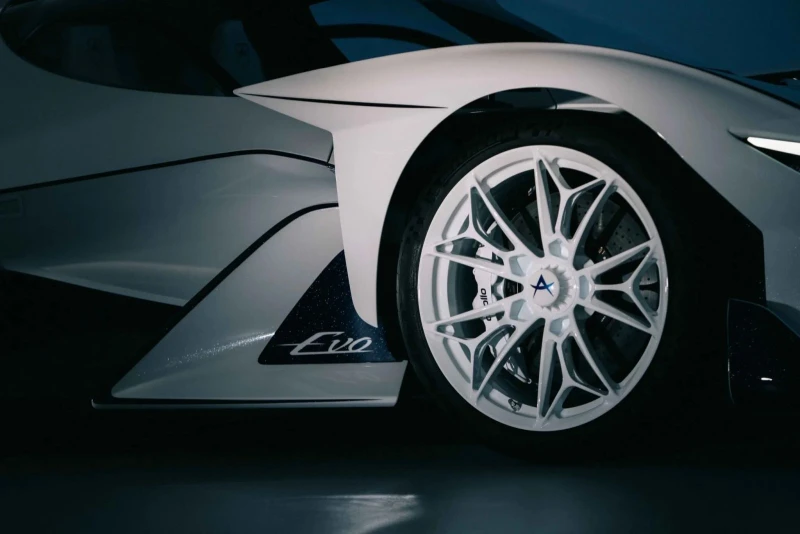
The car features a naturally aspirated V12 engine, a carbon-fiber body, advanced aerodynamics, and a bespoke Caribbean Dragon finish. Only ten examples are planned for production.
Continuing the Apollo Story
The brand's origins are linked to engineer Roland Gumpert, who previously headed Audi's motorsport division. His company produced the mid-engine Gumpert Apollo supercar, designed primarily for high performance on the racetrack. A total of 44 cars were built before the company ceased operations.

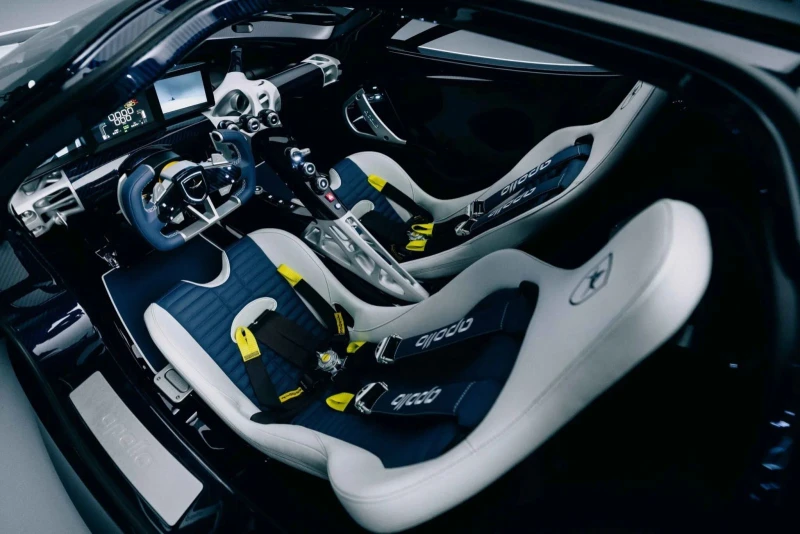
Following a change in ownership, the brand was renamed Apollo Automobil. Its next development was the track-focused Intensa Emozione hypercar, limited to ten cars. Production was entrusted to German company HWA, founded by AMG co-founder Hans Werner Aufrecht. The same firm is also involved in building the new Apollo Evo.
Naturally Aspirated V12 With 800 PS
The powertrain is based around a 6.3-liter naturally aspirated V12 related to Ferrari engines. After being tuned by HWA specialists, it produces 800 PS (789 hp). The engine is paired with a racing sequential transmission.
The Apollo Evo has a dry weight of approximately 2,866 pounds (1,300 kg). It accelerates from zero to 62 mph (100 km/h) in 2.7 seconds and reaches a top speed of 207 mph (333 km/h). The body consists of 75 carbon-fiber components and can generate up to 2,976 pounds (1,350 kg) of downforce at high speed.
A 3D-Printed Exhaust System
One of the Evo's notable technical features is its exhaust system, with components manufactured using 3D printing. Production takes approximately 123 hours. The special Dragon Skin coating can withstand temperatures of up to 1,832 degrees Fahrenheit (1,000 degrees Celsius) and can be finished in different colors to match each individual car.
Caribbean Dragon Specification
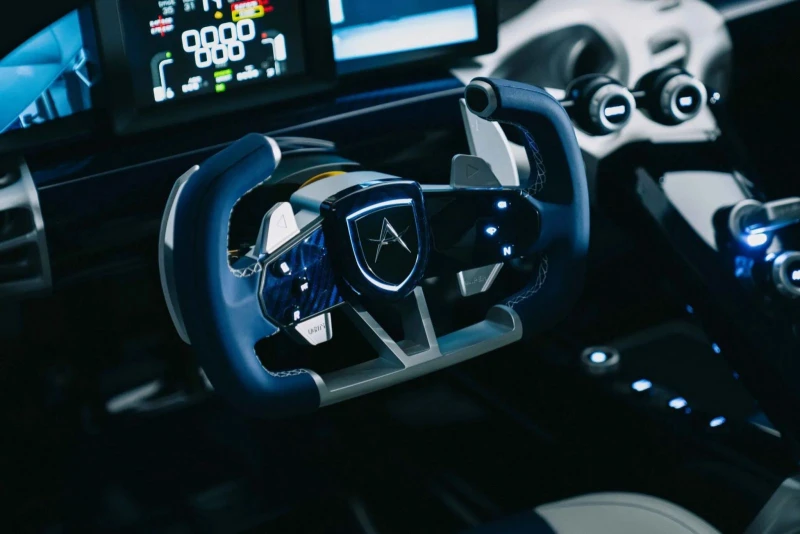
The first production example combines a Pearl white finish with particles that create a diamond-dust effect and a rich Ocean Blue color. According to the manufacturer, the design evokes the pale sand and blue waters of the Caribbean. Preparing and applying the finish by hand required more than 1,000 labor hours.
Apollo has not officially disclosed the Evo's price. Given the bespoke finish and limited production run, preliminary estimates suggest the final cost could exceed €3 million.

Conclusion
The delivery of the first Apollo Evo concludes a lengthy development process that began after the model debuted in 2021. The hypercar combines a naturally aspirated V12, low weight, extreme aerodynamics, and small-series hand production. The remaining examples will also be built to each customer's individual specifications.