


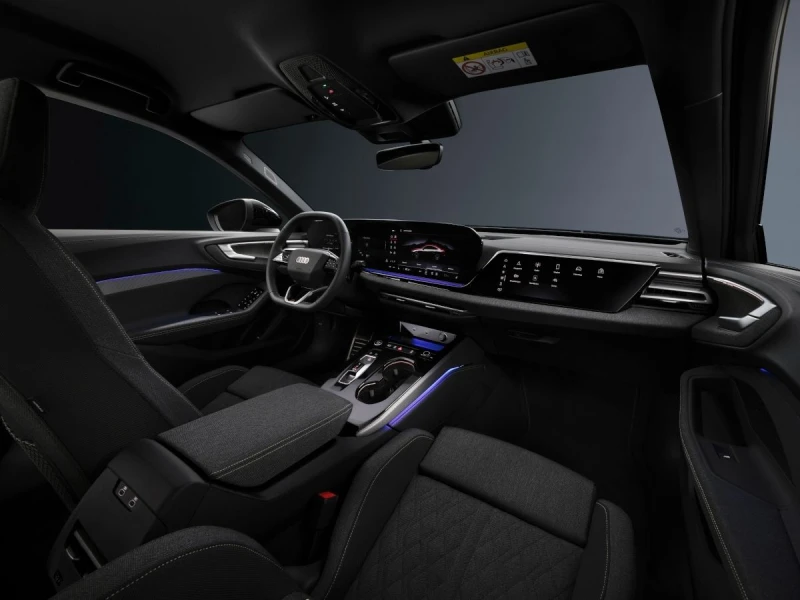
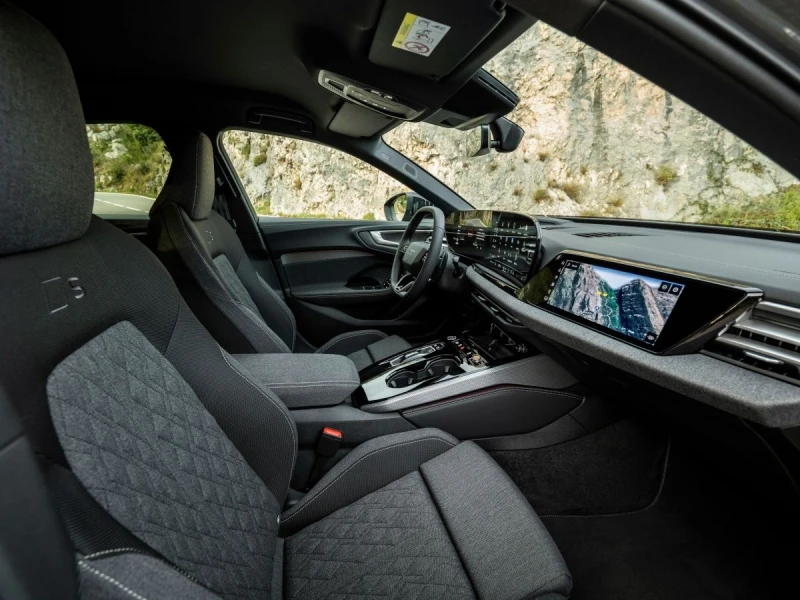
The biggest departure from the previous A5 is the curved digital stage that combines an 11.9-inch Audi virtual cockpit with a 14.5-inch MMI touch display. It changes more than the dashboard's appearance: navigation, media, vehicle settings, and many climate functions are now concentrated in a software-driven interface. On the U.S.-market 2026 A5, that layout comes standard, while a 10.9-inch front-passenger display is available through higher trims or equipment packages. The result feels contemporary, but buyers should consider how much they value screen integration over traditional controls.
Materials and Tactile Quality
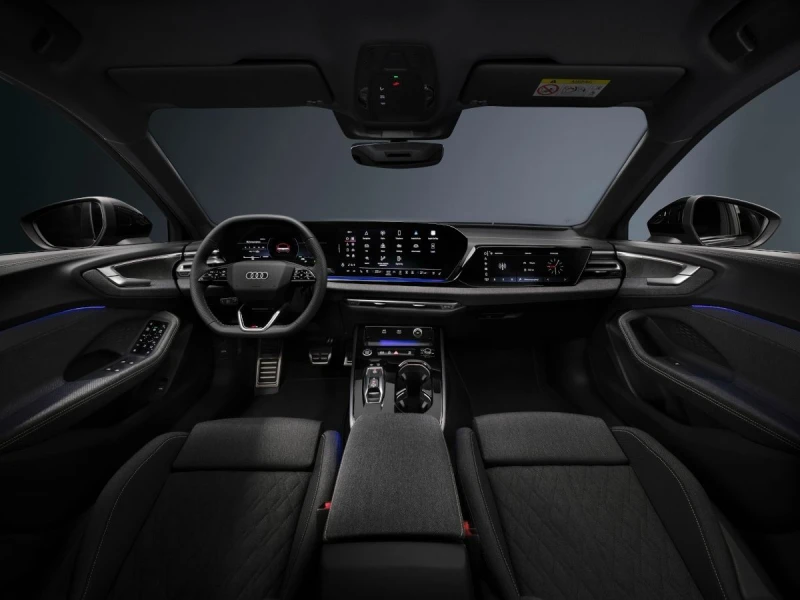
The dashboard uses a layered, horizontal design that visually widens the cabin. Softer surfaces cover the upper dash, armrests, and primary touch points, while harder plastics remain in lower areas that are less visible. The mix is appropriate for a compact luxury car, although the cabin's strongest impression comes from its displays, lighting, and overall architecture rather than from unusually lavish trim. Fit, color, and inlay choices vary by trim and package, so the exact ambience can differ considerably between vehicles.
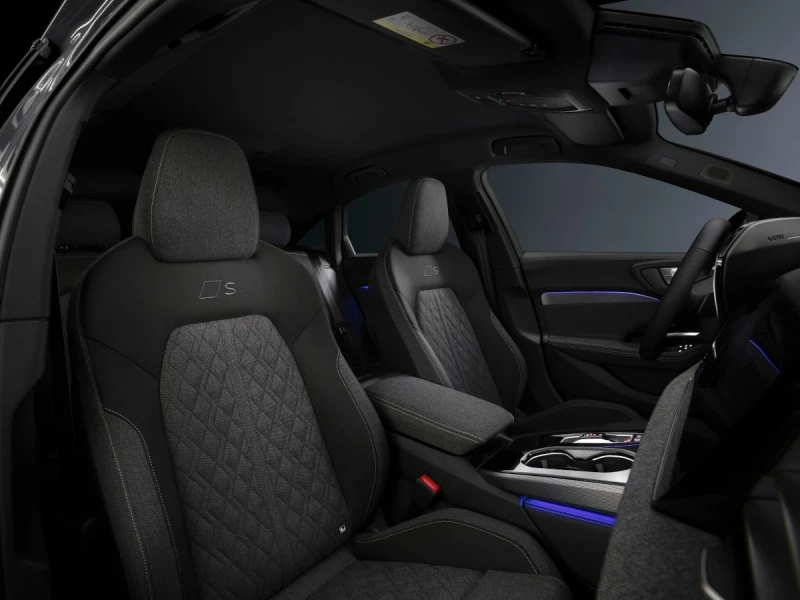
U.S.-spec cars come with leather seating surfaces, while sport-seat and Leather/Dinamica combinations may appear with selected configurations. Heated and power-adjustable front seats are part of the American-market equipment mix; ventilation, heated rear seats, and additional comfort features depend on trim or package. Aluminum-look, wood, and other decorative inlays are configuration-dependent. Buyers comparing inventory should review the original window sticker because exterior S line branding does not, by itself, identify every interior option.
Ergonomics and Control Layout
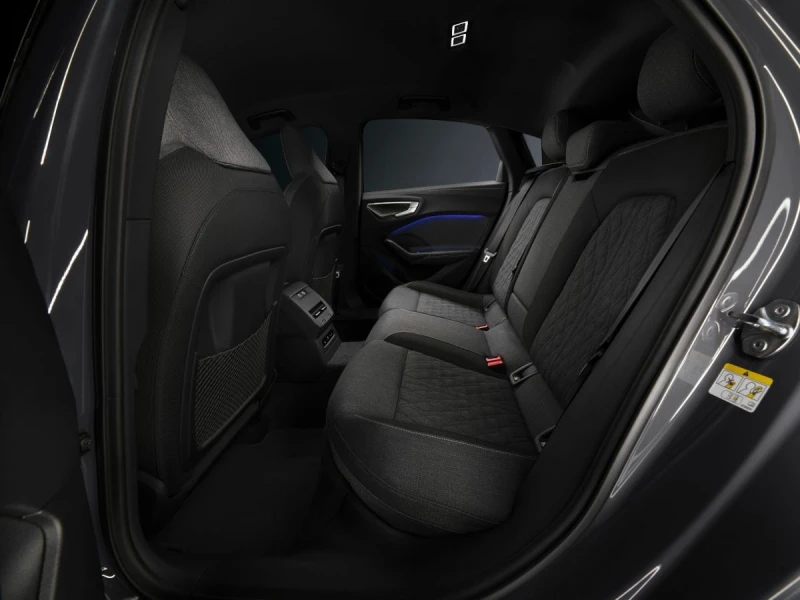
The driving position remains recognizably Audi: low, supportive, and centered on a slightly curved display panel. The steering wheel and power seat adjustments provide a broad range of positioning, while available sport seats add more pronounced lateral support without turning the A5 into a track-focused car. Rear-seat space is improved by the B10 generation's larger footprint, though the sloping roofline can still make headroom a consideration for taller adults. The standard panoramic glass roof brightens the cabin, and an available variable-light-control version can reduce glare without a conventional shade.
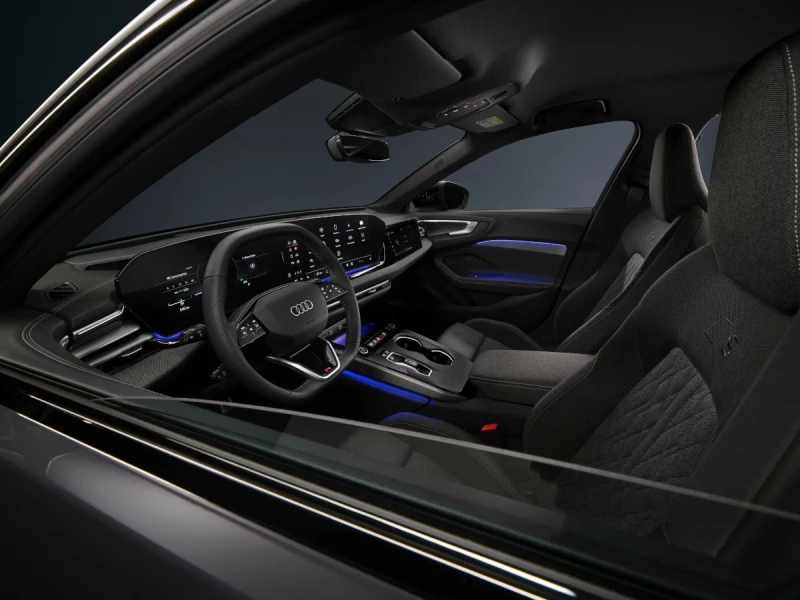
The center stack is dominated by the MMI touchscreen, and many secondary functions require an on-screen selection rather than a dedicated button. Frequently used information can be arranged in the virtual cockpit, while steering-wheel controls and a driver-door control panel handle selected functions. The system becomes easier with familiarity, but a buyer should test the climate menu, steering-wheel inputs, voice control, and available head-up display before choosing a configuration. Wireless Apple CarPlay and Android Auto reduce dependence on the native navigation interface for drivers who prefer familiar phone-based apps.
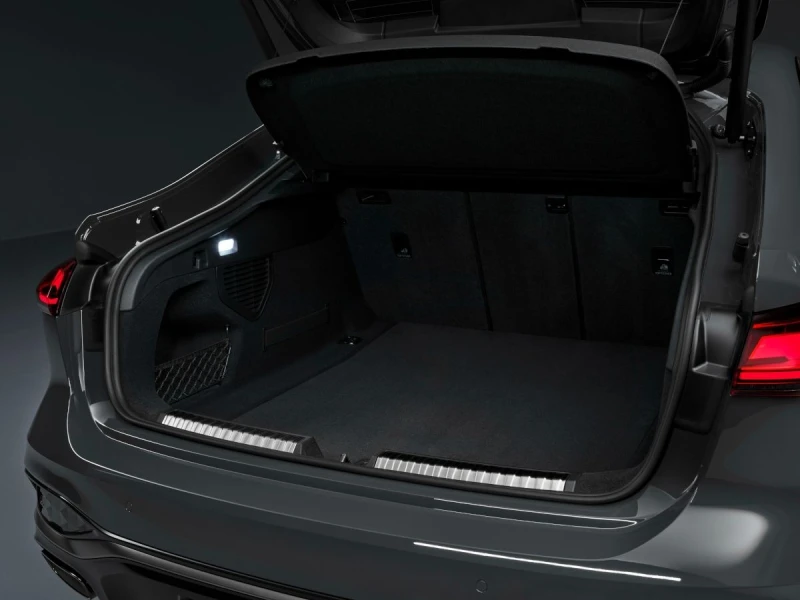
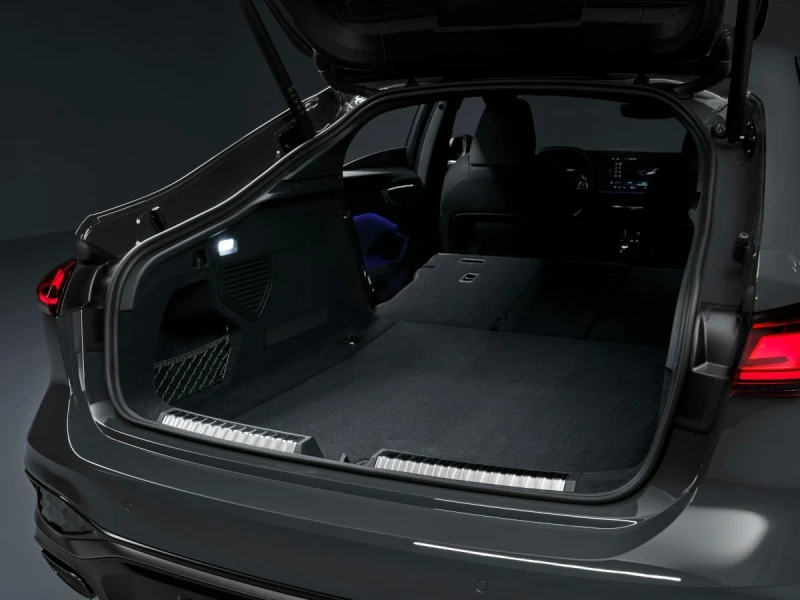
Storage is sensible rather than expansive, with door pockets, cupholders, a center-console compartment, and a wireless phone-charging area. Audi sells the U.S. model as the A5 Sedan, but its rear glass opens with the liftgate, giving it more useful access than a conventional trunk lid. Audi lists 22.6 cubic feet of cargo space with the rear seats in place and up to 36.6 cubic feet with them folded. The A5 Avant sold in other markets is not part of the official U.S. lineup.
U.S.-Market Trims and Equipment
For the 2026 model year, the American A5 lineup uses Premium, Premium Plus, and Prestige trim levels. This is a critical distinction from European-market cars: S line is an appearance or equipment package in the United States, and labels such as Individual do not replace the U.S. trim hierarchy. All U.S. A5 models share the 11.9-inch driver display, 14.5-inch MMI touchscreen, standard quattro all-wheel drive, and seven-speed S tronic transmission, but cabin comfort, lighting, audio, and driver-assistance content increase as equipment is added.
A typical Premium includes the core digital displays, leather seating, heated front seats, a panoramic glass roof, and smartphone integration. Premium Plus adds more convenience and technology content, while its available Technology package brings the head-up display and 10.9-inch passenger display. Upper-level configurations can also include ventilated front sport seats, rear-window sunshades, heated rear seats, a Bang & Olufsen 3D audio system with front headrest speakers, and more advanced parking assistance. Listings on Autotrader, CarGurus, and Cars.com should be checked against the window sticker because packages and running equipment changes can make two cars with the same trim name meaningfully different.
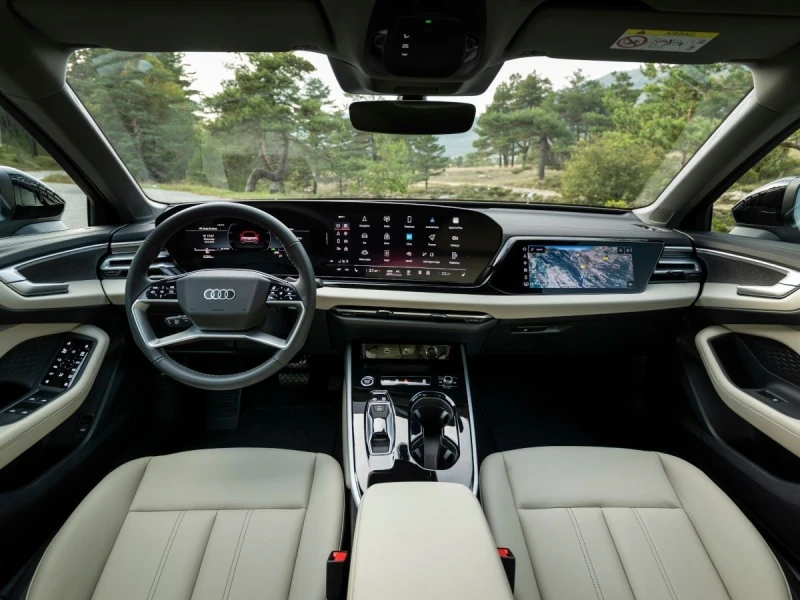
The infotainment system supports wireless Apple CarPlay and Android Auto, along with Audi's own connected services. The 14.5-inch screen offers ample space for maps and vehicle menus, while the optional passenger display can show compatible content without taking over the main screen. Response and feature availability can depend on the installed software version, an active Audi connect plan, and cellular coverage. When inspecting a car, pair both major smartphone platforms if possible and confirm that the cameras, wireless charger, voice assistant, and over-the-air update functions operate as expected.
Early Ownership and Changes Within the Generation
The B10 A5 began its U.S. run with the 2026 model year, so long-term ownership evidence is still limited. That makes broad claims about material durability, rattles, or generation-specific electronic faults premature. Equipment packaging and software can change during a production run even when the dashboard architecture remains the same. For a new or lightly used example, verify the build date, original equipment list, current MMI software, and completion of any VIN-specific service campaigns.
Routine cabin care is straightforward but important because glossy displays and dark trim readily show fingerprints and fine marks. A clean microfiber cloth and products approved for touchscreens are safer than abrasive household cleaners. Leather should be cleaned and conditioned with compatible products, while Dinamica inserts require material-specific care. In hot, sunny regions, a windshield shade can reduce heat load on the seats, screens, and steering wheel; in colder climates, confirm that the desired heated features are actually fitted rather than assuming they are standard on every trim.
Forward visibility is helped by a relatively low hood line, while the fastback-style rear profile makes cameras and parking sensors particularly useful. Adaptive cruise assist, lane guidance, and parking aids are available across the equipment range, but their exact combination varies. A top-view camera system and Park Assist Pro are especially useful in tight urban garages. As with any assistance technology, these systems supplement rather than replace direct observation, and buyers should test every camera view and sensor during an inspection.
There is not yet enough mature U.S. reliability data to identify widespread interior weak points unique to the B10 generation. The large touch surfaces will naturally collect fingerprints and can be scratched by improper cleaning, but that is a care issue rather than evidence of a systemic defect. A sensible inspection should cover dead pixels, display delamination, Bluetooth and smartphone pairing, door-panel controls, seat functions, ambient lighting, audio speakers, and warning messages. The NHTSA recall database and an Audi dealer can confirm campaign status by VIN.
Balancing Equipment and Practicality for U.S. Buyers
The Audi A5 B10 combines a modern digital cockpit with genuine everyday utility. Premium Plus can be a well-balanced choice when equipped with the Technology package, especially for drivers who want a head-up display without automatically moving to the highest trim. Prestige makes more sense for buyers who prioritize the passenger display, ventilated seating, additional rear-seat comfort, upgraded audio, and the broadest parking-assistance package. In warm states, the Warm Weather package deserves particular attention; in snow-belt regions, heated equipment and standard quattro may matter more.
The base Premium is not a stripped-down car and may suit drivers who prefer a simpler specification. On used examples, condition, software status, and the presence of desired options are more important than the trim badge alone. Because optional technology can materially affect both usability and replacement cost, buyers should avoid paying for features they will rarely use while also confirming that must-have items are listed on the factory equipment record.
Overall, the B10 cabin advances Audi's familiar approach through larger displays, a cleaner layout, and stronger connectivity. Its most useful practical feature for the American market is easy to overlook: despite the Sedan name, the liftback-style cargo opening and folding rear seats make the A5 more versatile than a conventional three-box sedan. The interior works best when its screen-first control philosophy matches the driver's preferences and the chosen trim includes the comfort features that matter in daily use.