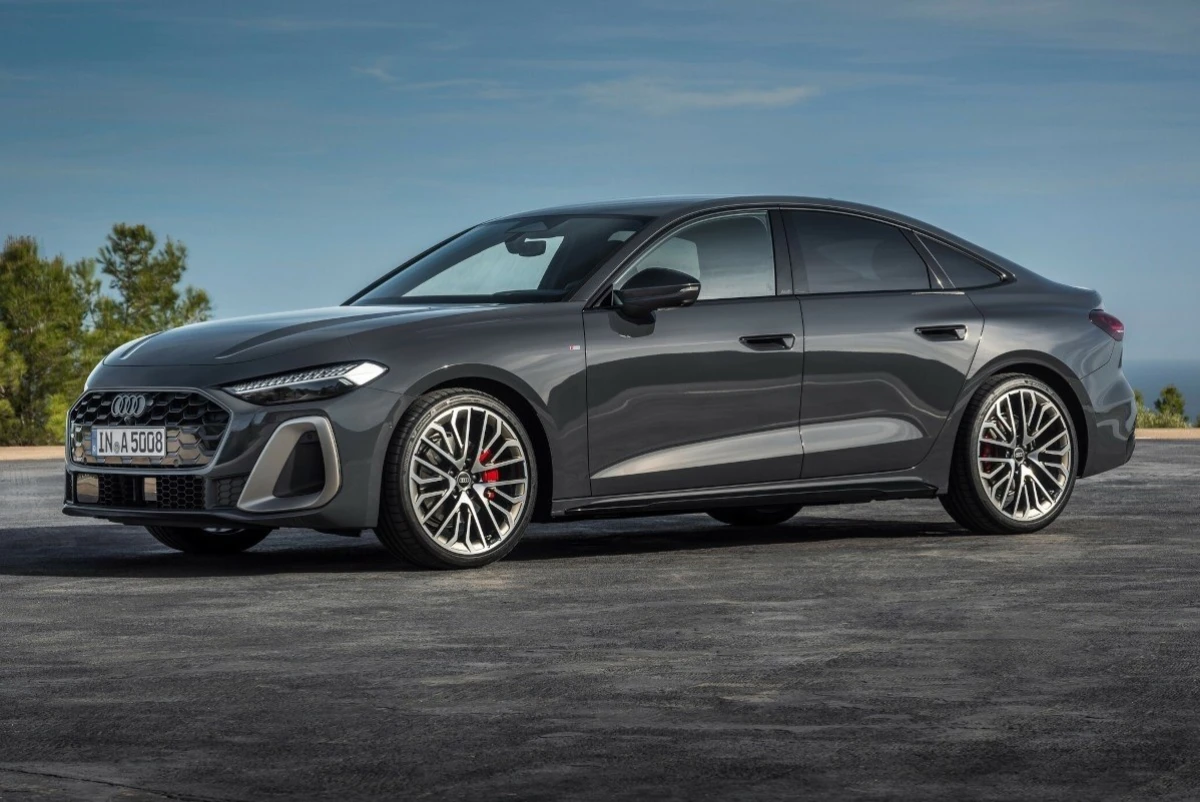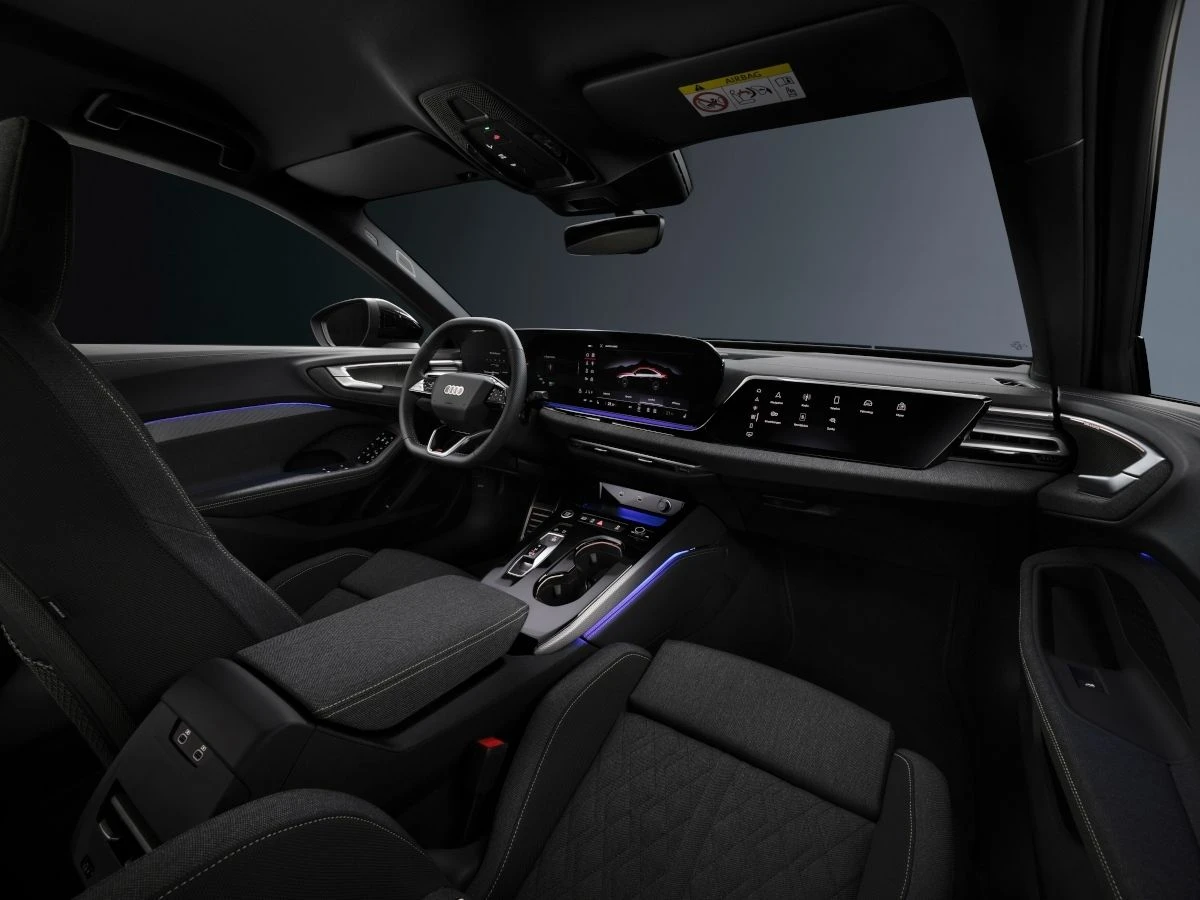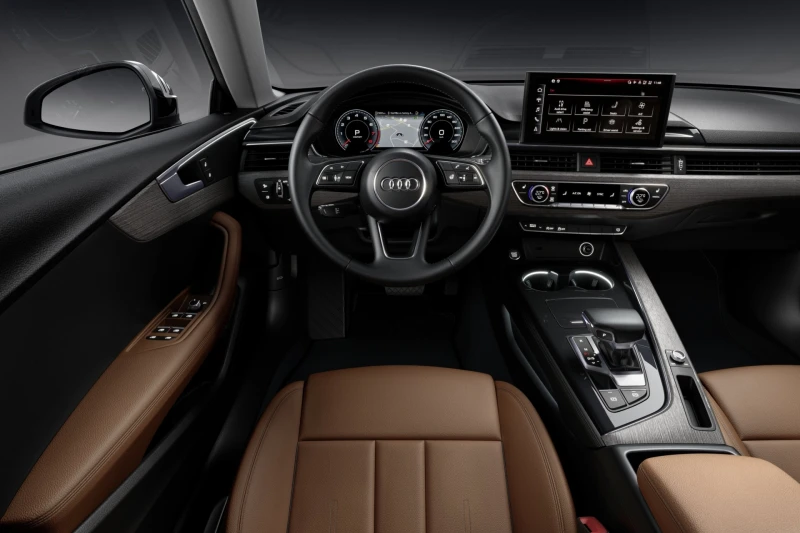
For U.S. used-car shoppers, the cabin is one of the clearest differences between the A5 and conventional luxury sedans of the same era. Rear headroom is tighter—especially in the Coupe—but the front compartment feels more intimate and driver-focused. Materials and the basic layout remained recognizable throughout the production run, while the 2020 model-year refresh substantially changed how drivers interact with the infotainment system.
Driving Position and Control Layout
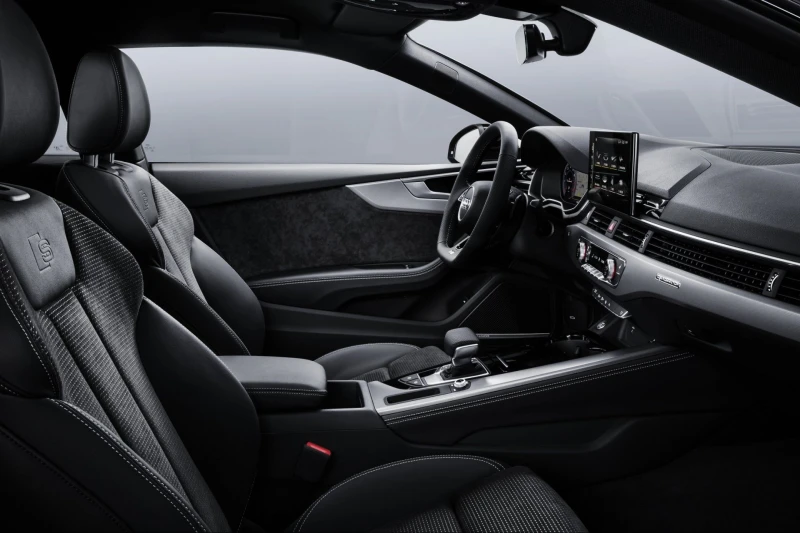
The second-generation A5 offers generous adjustment for the front seats and steering wheel. The steering column provides a useful range of reach and height adjustment, allowing most drivers to settle into a natural position. Pedal placement is straightforward, and the seat contours provide support in corners, although the standard seats have less pronounced bolsters than the available sport seats. On long highway drives, the low seating position and well-placed primary controls help reduce fatigue.
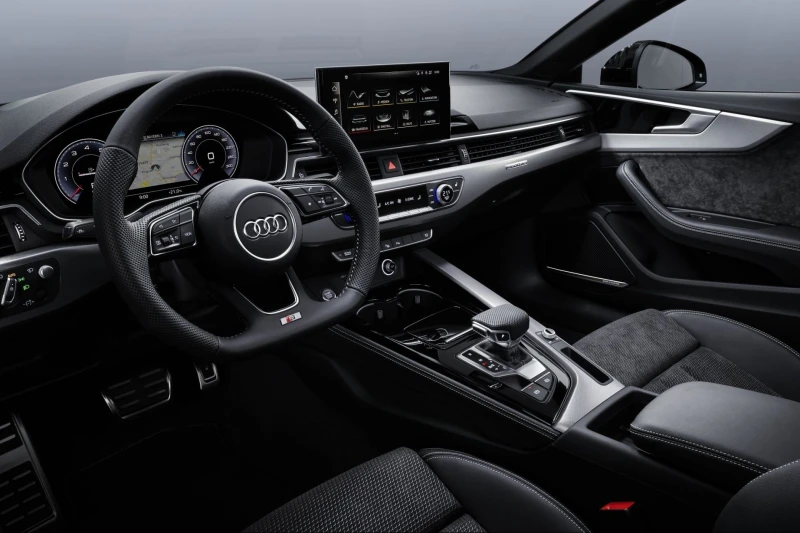
The instrument panel follows Audi’s familiar layout for this period. Earlier cars may have conventional gauges with a central driver-information display or the available 12.3-inch Audi virtual cockpit, depending on model year, trim, and equipment. Before the refresh, the infotainment system was operated primarily through a rotary MMI controller on the center console; some configurations also included a touchpad. For the 2020 model year, Audi replaced that controller with a 10.1-inch MMI touchscreen running the newer MIB 3 system. The updated screen provides acoustic confirmation rather than the pressure-sensitive haptic feedback used in some larger Audi models. The earlier setup is easier to operate by feel, while the later interface offers quicker access for drivers accustomed to touchscreens.
Cabin Materials and How They Age
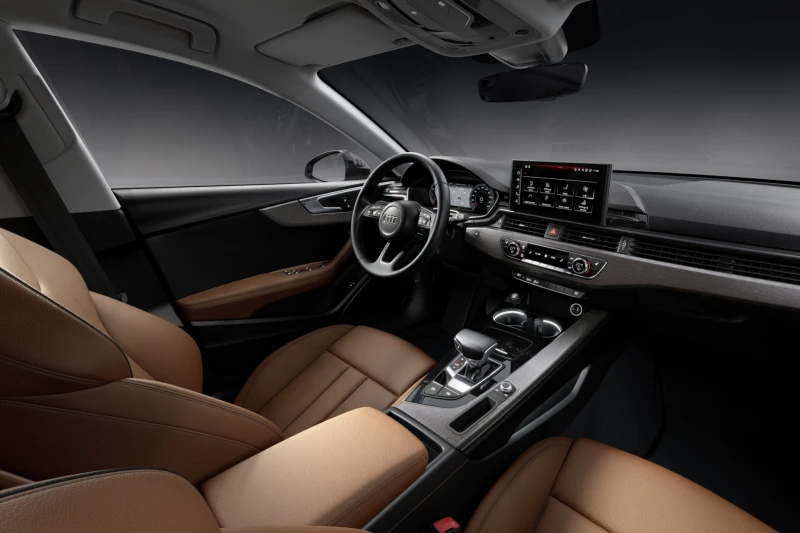
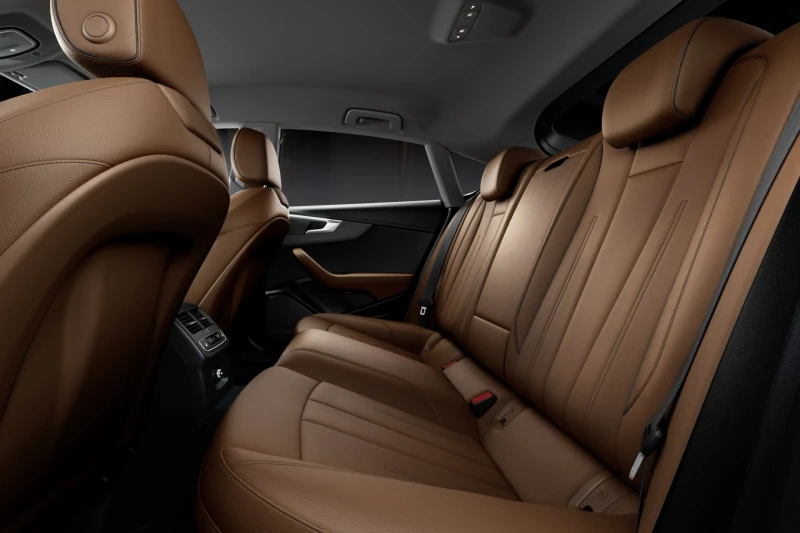
The upper dashboard and door panels use soft-touch materials, with metal, wood, or gloss-black accents varying by trim and option package. U.S.-market cars commonly feature leather seating surfaces, while sport-seat designs and contrasting materials appear on certain S line-equipped models. On higher-mileage examples, the driver’s outer seat bolster and steering-wheel rim usually reveal wear before most other surfaces, so their condition should be compared with the odometer reading and service history.
Harder plastics are used lower on the center console and transmission tunnel. On a test drive, listen for trim squeaks over broken pavement and check glossy decorative panels for fine scratches. These issues are generally cosmetic, but correcting cabin noises can require removing and isolating adjoining trim pieces. The headliner, pillar trim, switches, and console surfaces should also be inspected for stains, loose edges, worn coatings, or signs that the interior has previously been disassembled.
Rear-Seat Space and Cargo Practicality
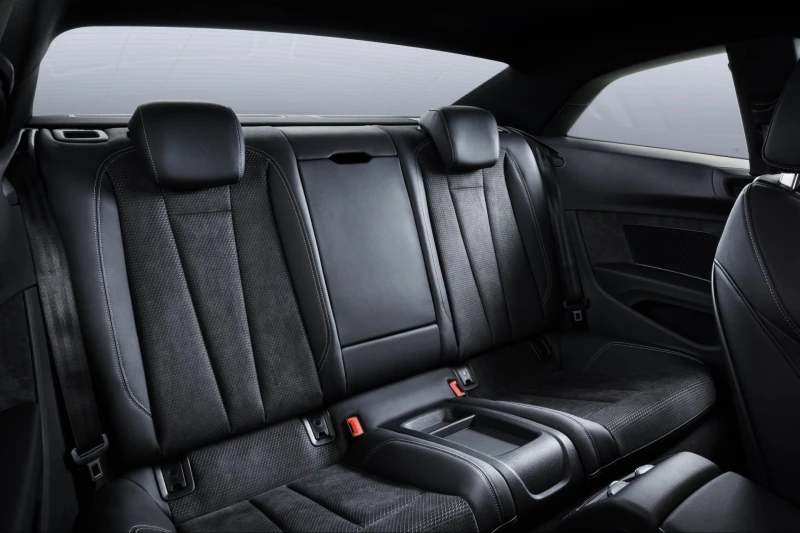
The Coupe’s rear seat is noticeably tighter than the Sportback’s because of its shorter wheelbase, lower roofline, and two-door access. Two average-size adults can fit for shorter trips, but headroom and shoulder room are limited. The five-door Sportback provides easier entry and more usable rear-seat space, making it the more practical choice for families, child seats, or drivers who regularly carry passengers. Even there, the sloping roof means taller occupants should check headroom in person.
The Coupe has a regularly shaped trunk, but its opening limits access to bulky items. The Sportback’s rear hatch and broader opening make it much easier to load groceries, luggage, or sports equipment. Both body styles have folding rear seatbacks, although the resulting load floor and split-fold arrangement can vary with equipment. Shoppers who need sedan-like road manners with added cargo flexibility will generally find the Sportback more versatile.
U.S. Trims and Commonly Available Equipment
U.S.-market A5 models from this period were generally organized around Premium, Premium Plus, and Prestige trims, although standard features and option packages changed by model year and body style. Audi virtual cockpit, upgraded LED lighting, a Bang & Olufsen audio system, a head-up display, surround-view cameras, and expanded driver-assistance features were typically concentrated in upper trims or packages. S line equipment could add sport seats, a different steering wheel, unique trim, and more heavily bolstered upholstery, but the exact content was not identical every year.
Pre-refresh cars use the console-mounted MMI controller, while 2020–2024 models feature the 10.1-inch touchscreen and MIB 3 interface. Audi virtual cockpit or virtual cockpit plus availability also depends on model year and trim. Heated front seats are common, while equipment such as a heated steering wheel, ventilated front seats, or heated rear seats is less consistent. Because many features were bundled differently over time, the original window sticker or a VIN-based equipment report is more reliable than the trim badge alone.
What Changed with the Refresh—and What to Check Used
The 2020 model-year update retained the A5’s basic dashboard architecture but introduced the most important cabin technology change of the generation: a standard 10.1-inch MMI touchscreen with the MIB 3 infotainment platform. The former rotary controller disappeared, and a storage area took its place on the center console. Updated graphics, connected services, and revised virtual-cockpit functions made later cars feel more contemporary, while the physical climate controls remained separate and easy to reach.
When evaluating a used A5, inspect the driver’s seat bolsters, steering wheel, console trim, and frequently used switches for wear. In 2020–2024 cars, test the entire touchscreen for dead zones or delayed response, pair a phone, confirm audio output, and check the backup-camera display. In earlier examples, operate the rotary controller, touchpad if fitted, and every surrounding shortcut key. Warning messages from driver-assistance systems should be investigated rather than assumed to be a simple settings issue.
Everyday Use in U.S. Conditions
The A5 cabin works well across varied U.S. climates when its heating and air-conditioning systems are operating correctly. Seat heating is useful in colder regions, while available ventilation can make dark leather more comfortable in hot weather. Highway noise is well controlled for the class on smooth pavement, though wide low-profile tires can transmit more impact and road noise over coarse asphalt or damaged surfaces. The Coupe’s rear passengers are also more aware of tire noise and the restricted outward view on longer drives.
Routine interior care is straightforward. Leather benefits from periodic cleaning and conditioning, while fabric or suede-like inserts should be treated with products intended for their specific material. Gloss-black trim can collect fingerprints and fine scratches, so abrasive cleaners should be avoided. A well-maintained cabin can age gracefully, but appearance alone should not substitute for service records and a thorough pre-purchase inspection.
The second-generation A5 interior still feels contemporary by used-car standards. It combines clear ergonomics, solid materials, and useful technology, but the best version depends on how the car will be used. The 2018–2019 models suit drivers who prefer a physical infotainment controller, while the 2020–2024 cars offer the newer touchscreen-based interface. Premium Plus and Prestige examples often include the most desirable cabin technology, but equipment varies enough that shoppers should verify each car individually rather than shop by model year or trim name alone.