


The discussion centers on the first road car to receive carbon-ceramic brakes, previously used exclusively in Formula 1. The model was produced in a limited series and today holds interest not so much as a means of transportation, but as an important milestone in the history of automotive technologies.

When Carbon-Ceramic Was Exotic
Today, carbon-ceramic brakes can be found even on relatively accessible sports models. However, in the late 1990s and early 2000s, the situation was different. Even the fastest road cars from Ferrari, Lamborghini, and Porsche were equipped with steel brake discs, as alternatives were considered too complex and expensive for series production.
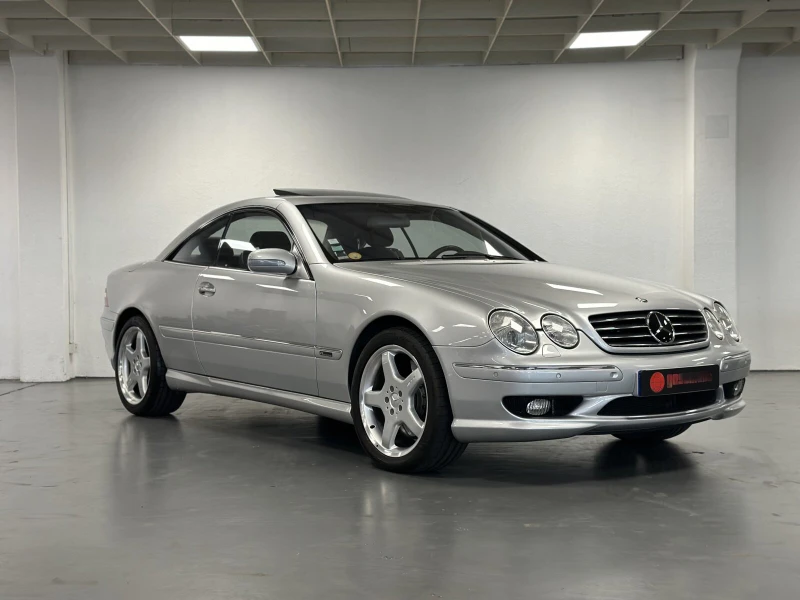
The exception was Mercedes-Benz, which decided to transfer technologies from motorsport to a civilian model. Thus, the CL 55 AMG F1 Limited Edition appeared — the first production car officially equipped with carbon-ceramic brakes.
An Unexpected Carrier of Revolutionary Technology
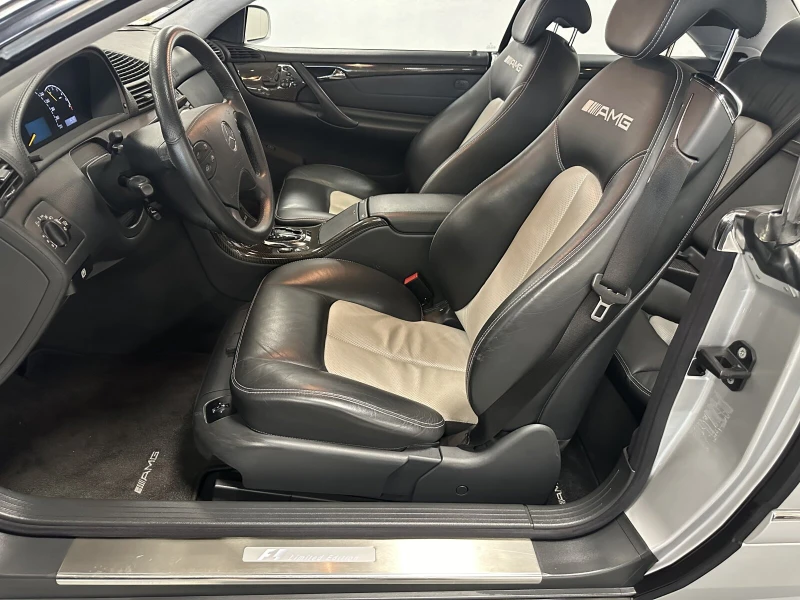
The choice of model was atypical. It was based on the large and comfortable CL 55 AMG coupe with a naturally aspirated V8 engine producing about 360 hp. This was not a track supercar, but rather a luxurious grand tourer designed for high speeds on autobahns.
The special F1 Limited Edition version featured minimal external changes. The carbon-ceramic brakes were not visually emphasized: dark calipers and understated discs barely stood out against the standard elements. The car's technical uniqueness was only indicated by a small badge with Formula 1 symbolism.
Limited Production and Minimal Mileage
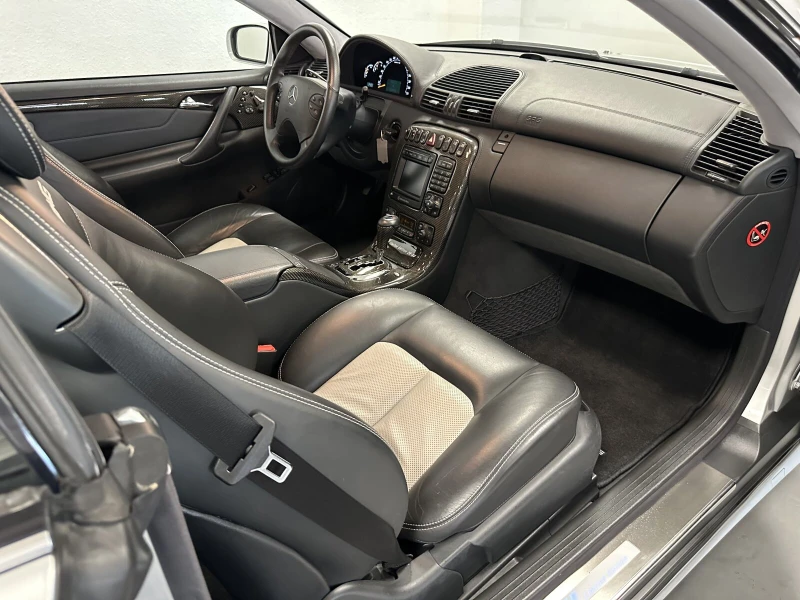
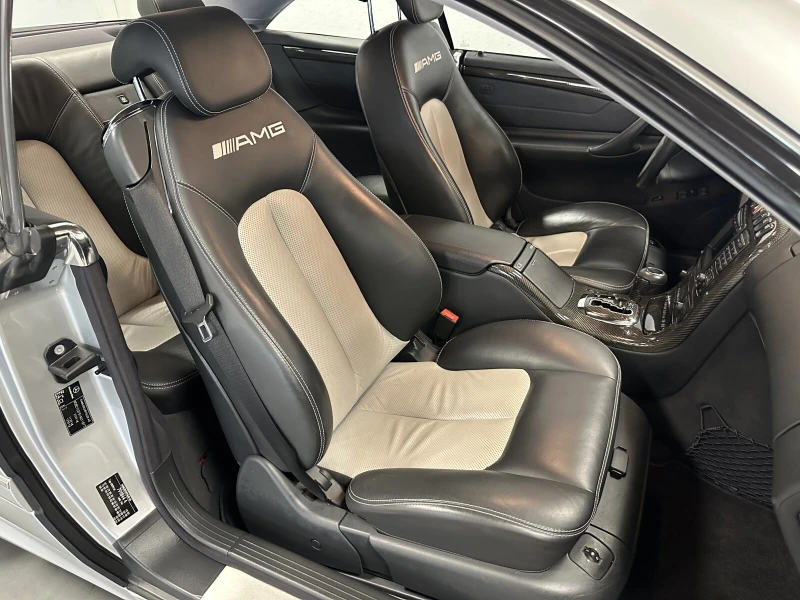
A total of 55 units of the CL 55 AMG F1 Limited Edition were produced. One of them, currently offered for sale, has been preserved in nearly new condition. The car was purchased by its first owner in 2001 for about 170,000 euros and has covered only 28,963 kilometers over more than 20 years, equivalent to roughly 1,000 kilometers per year.
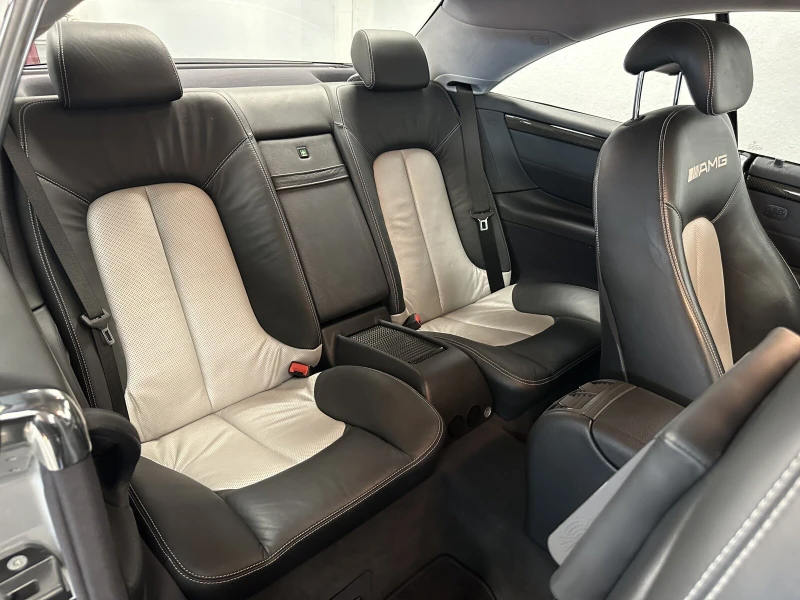
Such low mileage makes the car a rare example of a "time capsule," allowing one to see how advanced technologies from the beginning of the century looked and felt in their original form.
Collectible Value Today
In terms of practical operation, this car differs little from ordinary CL 55 AMG models of that period. However, its historical significance is hard to overstate. It is the first production road car that paved the way for carbon-ceramic brakes in mass production.
The current price of the example is 94,900 euros. For a coupe over 20 years old, the amount seems substantial, but compared to its original cost and technological uniqueness, it is perceived as reflecting its collectible rather than utilitarian value.

Conclusion
The Mercedes-Benz CL 55 AMG F1 Limited Edition remains an important reminder of the moment when motorsport technologies began transitioning to series road cars. The small production run and rare technical equipment have made this model a significant stage in the development of modern braking systems.