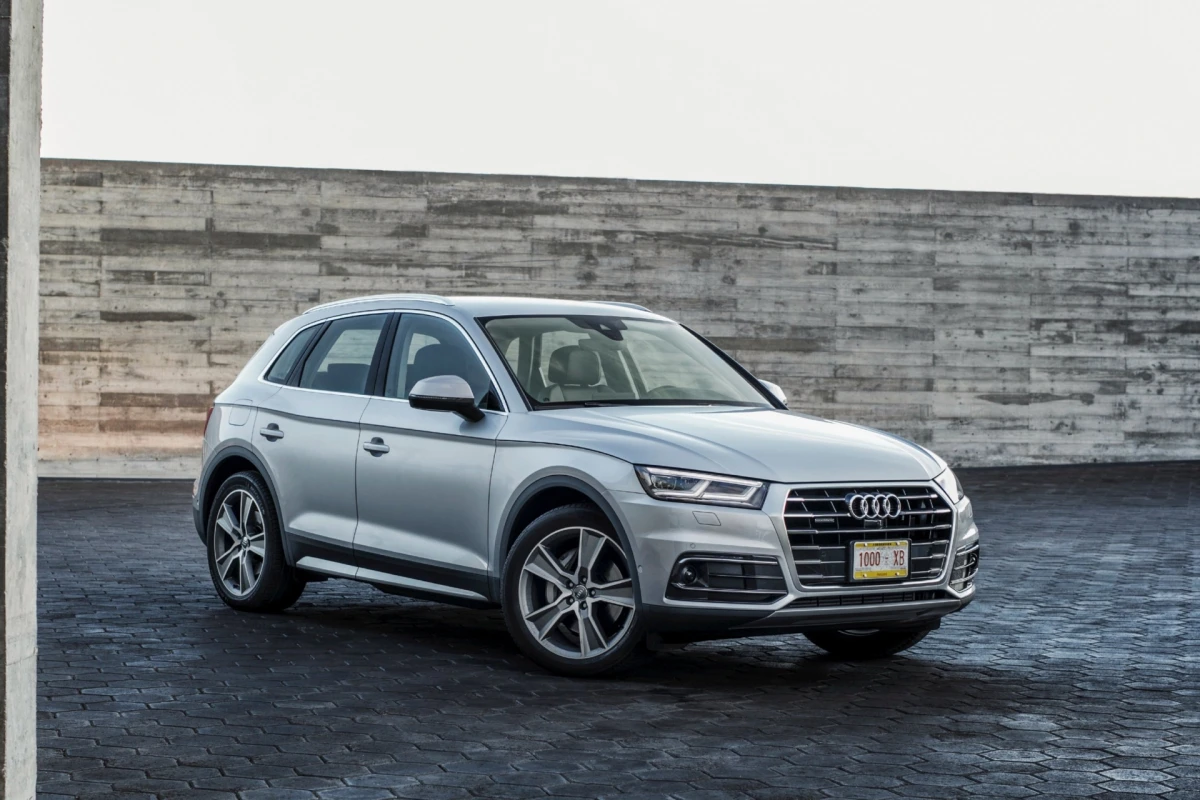



Audi Q5 I technical specifications blend dynamic performance, reasonable efficiency, and trademark Audi build quality. This guide dives deep into the Audi Q5 2008–2017 engines, transmissions, dimensions, year-to-year changes, and key ownership considerations for American roads and driving conditions. The Audi Q5 engine overview will help used-car shoppers make an informed decision. Exterior, interior, trim levels, and common issues are covered in separate articles in this series.
Engines and Transmissions
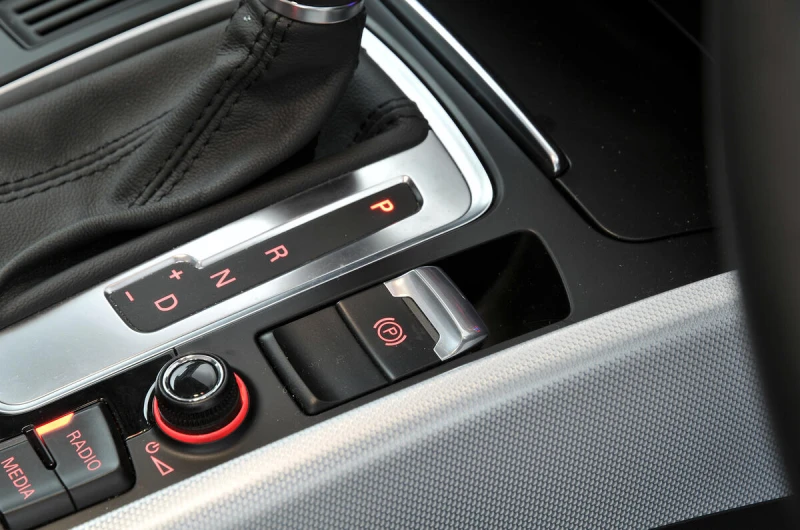
The first-generation Audi Q5 came with a broad range of turbocharged gasoline and diesel engines meeting Euro 4/5 (pre-2012) and Euro 6 (post-facelift) standards. All engines feature direct injection for strong performance with decent efficiency. Transmission choices included a rare 6-speed manual, the 7-speed S tronic dual-clutch (DSG), and the smooth 8-speed Tiptronic automatic. Drive was either front-wheel drive (on base models) or legendary Quattro all-wheel drive with Haldex coupling (Gen 4 until 2012, later ultra system for better fuel savings).
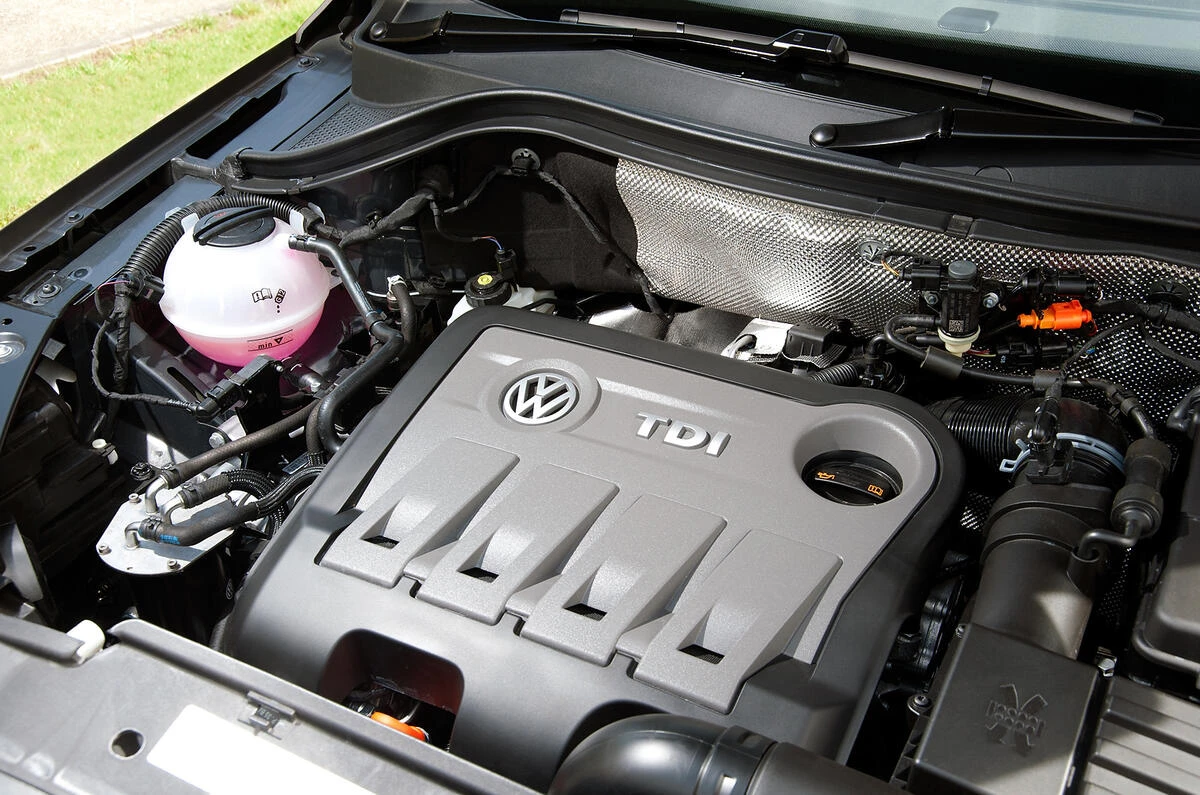
Key powertrains cover the entire production run. TFSI gasoline engines deliver eager response, while TDI diesels prioritize efficiency. The hybrid variant (2.0 TFSI + electric motor) arrived after 2012 but remains uncommon in the U.S. due to parts and service complexity.
| Engine | Type/Displacement | Power (hp) | Transmission | Drivetrain |
|---|---|---|---|---|
| 2.0 TFSI | Gasoline, 1984 cc | 180–225 | 6-MT / 7-S tronic / 8-Tiptronic | FWD / Quattro |
| 3.2 FSI | Gasoline V6, 3197 cc | 270 | 7-S tronic | Quattro |
| 3.0 TFSI | Gasoline V6, 2995 cc | 272 | 8-Tiptronic | Quattro |
| 2.0 TDI | Diesel, 1968 cc | 143–190 | 6-MT / 7-S tronic | FWD / Quattro |
| 3.0 TDI | Diesel V6, 2967 cc | 240–258 | 7-S tronic / 8-Tiptronic | Quattro |
| 2.0 TFSI hybrid | Gas + electric, 1984 cc | 245 (system) | 8-Tiptronic | Quattro |
Real-world fuel economy (based on U.S. owner reports and sites like Fuelly): 2.0 TFSI models average about 20–25 mpg combined, while 2.0 TDI variants achieve 28–35 mpg (highway often 35–40 mpg, city 22–28 mpg). Figures vary with driving style, maintenance, and conditions.
Dimensions and Weight
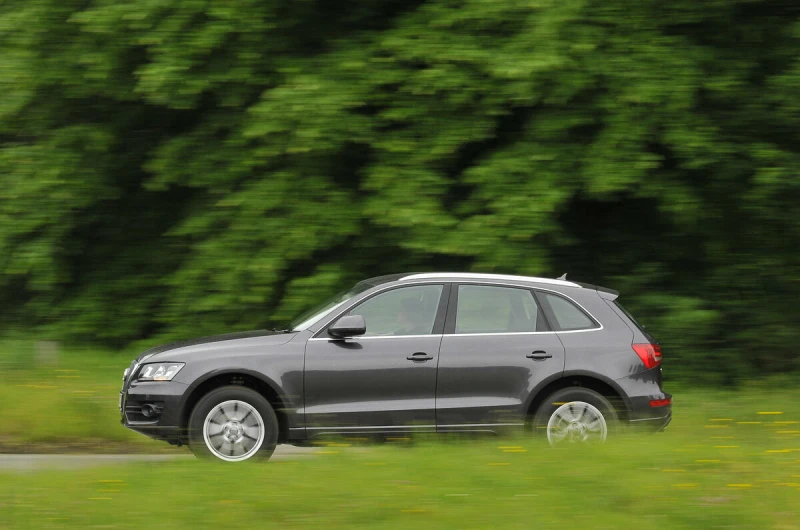
Audi Q5 I technical specs make it an excellent choice for American suburban and city driving: compact yet surprisingly roomy inside. The body is a 5-door SUV on the MLB platform with longitudinal engine layout. Ground clearance is roughly 7.9 inches (standard), cargo space 19–57 cu ft. Curb weight depends on engine and equipment but remains consistent across the generation.
| Parameter | Value (main versions) | Transmission | Drivetrain |
|---|---|---|---|
| Length / Width / Height | 182.2–183.6 in / 74.0–74.5 in / 65.1–65.3 in | 6-MT / 7-S tronic / 8-Tiptronic | FWD / Quattro |
| Wheelbase | 110.5–110.6 in | — | — |
| Curb Weight | 3,790–4,300 lb | — | — |
| Gross Weight | 5,070–5,510 lb | — | — |
Quattro versions common in the U.S. add roughly 110–220 lb. Typical curb weight for a 2.0 TDI Quattro is around 4,030 lb (based on U.S. market data).
Year-to-Year Updates
The 2012 facelift brought meaningful changes to Audi Q5 2008–2017 engines and drivetrains. Pre-2012: core engines included 2.0 TFSI 211 hp, 3.2 FSI 270 hp, 2.0 TDI 170 hp, 3.0 TDI 240 hp. Transmissions were mainly 6-speed manual and 7-speed S tronic. Quattro used Haldex Gen 4.
Post-facelift: refined engines — 2.0 TFSI up to 225 hp (EA888 Gen3, fewer timing chain issues), 3.0 TFSI 272 hp replacing the 3.2 FSI, 2.0 TDI up to 177–190 hp, 3.0 TDI up to 245–258 hp. 8-speed Tiptronic added for V6 models. Quattro ultra introduced for better efficiency (up to ~0.3 l/100 km savings). Hybrid joined the lineup. These updates made 2013–2017 models more popular in the U.S. used market thanks to cleaner emissions and better real-world economy. Adaptive air suspension became available for improved ride and handling.
Key Buying Considerations
Owning a Audi Q5 I in the United States involves attention to fuel quality, road conditions, and climate extremes. Engine reliability: early 2.0 TFSI (pre-2012) can suffer oil consumption (up to 1 qt/1,000 mi) and timing chain issues (replacement ~120–180k mi, cost $2,000–$3,500). Post-2012 Gen3 engines are far more dependable. 2.0 TDI is robust but sensitive to poor diesel quality (DPF clogging, EGR issues). 3.0 TDI is the most durable, often exceeding 250,000 mi. Popular U.S. picks: 2.0 TDI Quattro for highway efficiency, post-2012 2.0 TFSI for city use.
Real-world fuel economy (U.S. owner data): diesel 2.0 TDI ~28–35 mpg combined, gasoline 2.0 TFSI ~20–25 mpg. Transmission notes: S tronic (DSG) clutch wear possible after ~90–100k mi (repair $3,000–$5,000), Tiptronic more durable. Quattro Haldex system needs fluid changes every ~40,000 mi to prevent overheating. Parts availability is solid — OEM through dealers in major cities, aftermarket (Lemförder, Febi) 30–50% cheaper. Winter driving tip: diesel models benefit from fuel filter heaters in cold states. Common issues: coolant leaks, thermostats, turbo wear after 120,000+ mi. Always get a pre-purchase inspection (VIN check, borescope).
Bottom Line
On the U.S. used market, the sweet spot is usually a 2.0 TDI (177–190 hp) with 7-speed S tronic and Quattro. This combo delivers excellent balance: 28–35 mpg real-world economy, strong reliability (diesels frequently hit 200,000+ mi), reasonable maintenance costs (cheaper than gas V6), and high resale value (typical asking prices $10,000–$16,000 depending on condition and mileage). For pure city driving, a post-2012 2.0 TFSI works well, but diesel remains the smarter long-term choice with current gas prices. The Audi Q5 engine overview confirms: first-gen Q5 offers great value and tech for American driving realities.