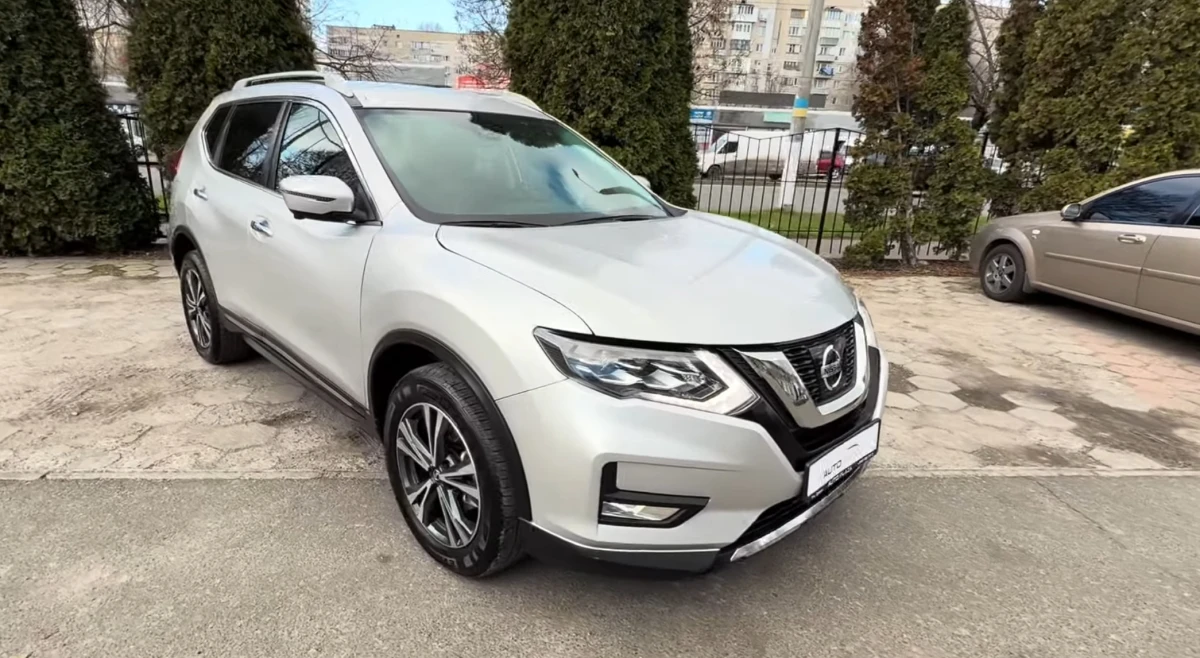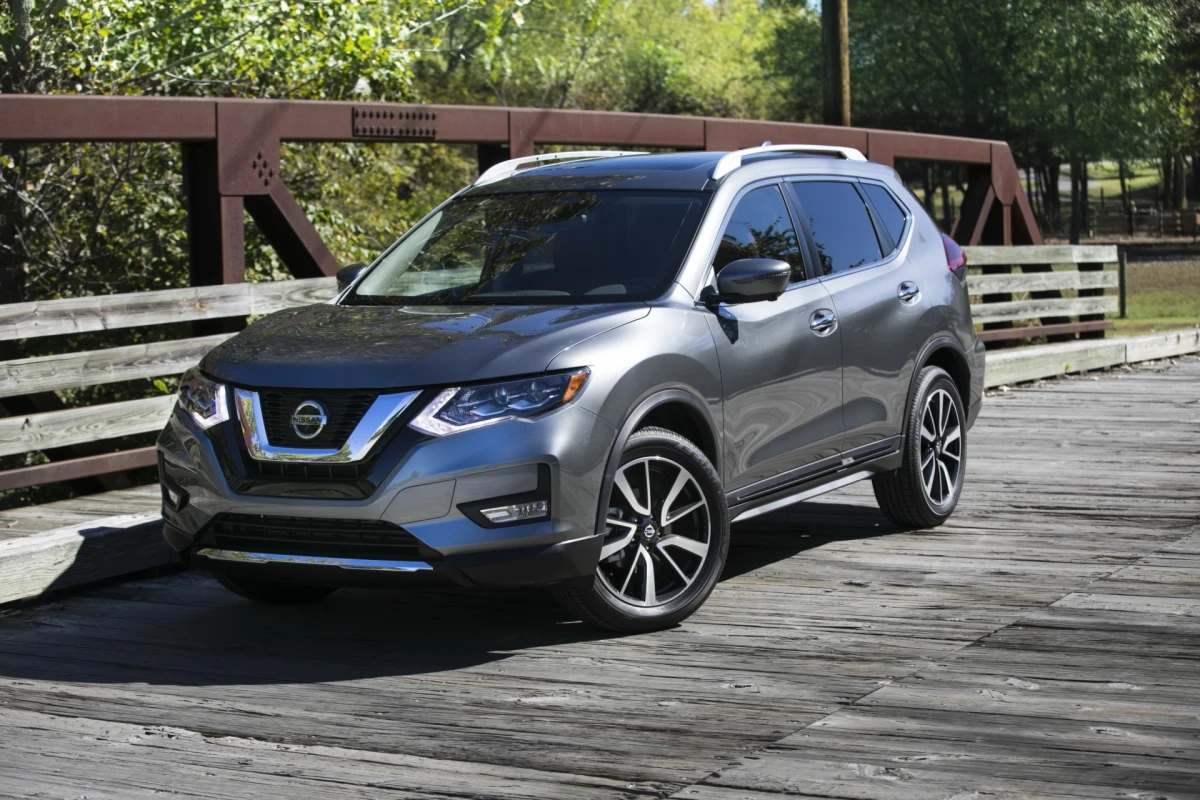



The Nissan Rogue I interior blends straightforward design with generous space, though the materials don't aim for premium appeal. Owners often praise the 2007–2013 Rogue for its excellent ergonomics and roominess, while noting the basic plastics and lack of modern tech as drawbacks. In the US market, where most examples are domestic or imported, the cabin is appreciated for its durability and low-maintenance nature. This guide covers the key aspects of the interior, available trims, year-to-year changes, common issues, and buying tips for 2025.
Overall Cabin Overview
Materials & Design
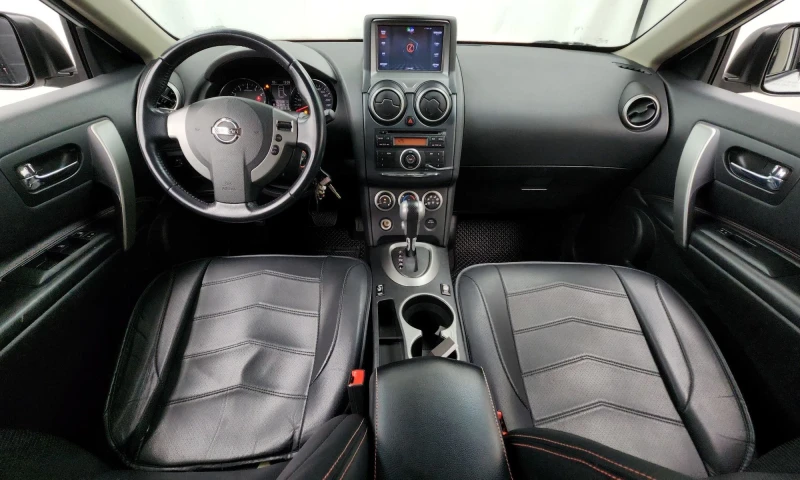
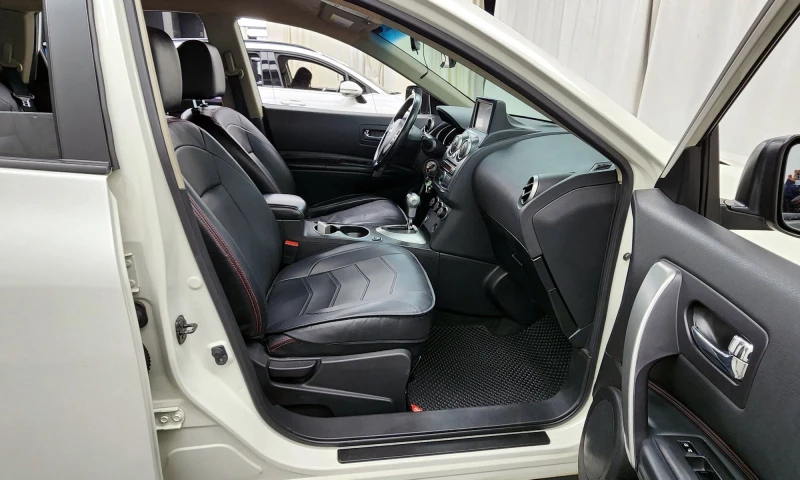
The 2007–2013 Rogue interior follows Nissan's style from that era: clean lines and pure functionality. The instrument panel features classic analog gauges for speed and rpm, with a small trip computer display in between. The compact center stack houses climate controls, audio, and the CVT shifter. Most surfaces use hard plastic — it looks basic but holds up well over time. Higher trims add faux-aluminum or wood-look accents, though the overall feel remains modest.
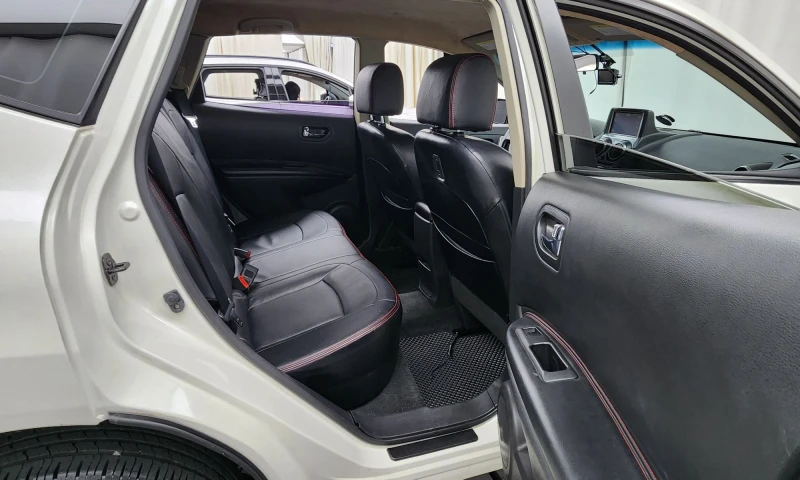
Seating comfort: The driver's seat offers height adjustment (manual in base models, power in higher trims), while the steering wheel adjusts for height only (no telescoping). The high crossover seating position provides excellent visibility. Front passengers enjoy ample legroom and headroom. The rear bench seats three, with reclining seatbacks in some versions but no rear heating. There's enough space for adults, though the center spot feels cramped due to the high floor tunnel.
Cargo area is a major strength: approximately 28.9 cubic feet behind the rear seats, expanding to about 57.9 cubic feet with the seats folded (60/40 split). The load floor is flat, with tie-down hooks, an underfloor storage compartment, and a retractable cover. It's very practical — low liftover height and a wide opening make loading bulky items easy. Perfect for weekend getaways, shopping trips, or trips down the highway.
Trims & Features: What's Included
Common Trims in the US Market
In the United States, the first-generation Nissan Rogue typically comes in S (base), SV (mid-level), and SL (top) configurations. There were no market-specific versions, but US-spec models came well-equipped. The base S features cloth upholstery, manual seat adjustments, air conditioning, basic audio with CD and AUX, power windows, and cruise control. Infotainment is minimal — no touchscreen.
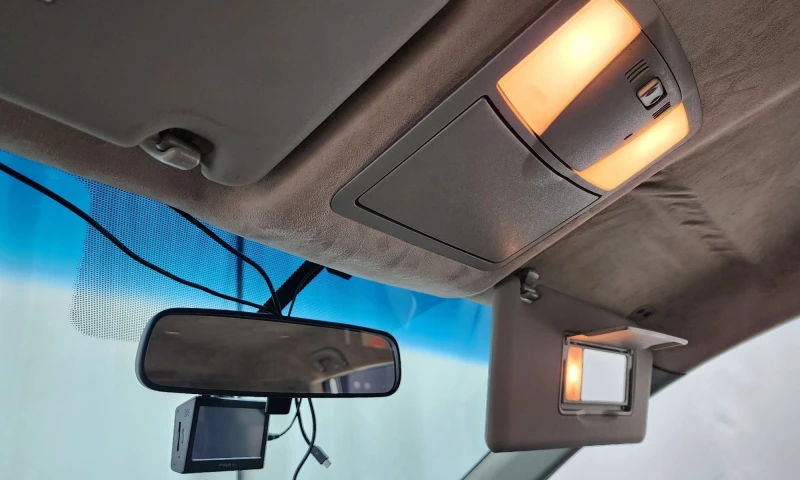
The SV adds automatic climate control, Bluetooth, rearview camera, alloy wheels (improving ride comfort), and available heated front seats. Upgraded cloth upholstery and a center armrest are included. The SL is the luxury-oriented trim: leather seats, power moonroof, premium Bose audio with 8 speakers, optional navigation (uncommon), xenon headlights, and heated mirrors. Safety features include ABS, stability control, and six airbags. No advanced driver aids like blind-spot monitoring were available.
| Trim | Upholstery | Infotainment | Climate Control | Key Extras |
| S (Base) | Cloth | Basic audio | Air conditioning | Power windows |
| SV (Comfort) | Upgraded cloth | Bluetooth, rear camera | Auto climate control | Heated seats (some) |
| SL (Luxury) | Leather | Bose audio, nav (opt) | Auto climate control | Power moonroof |
Higher trims feel noticeably more upscale thanks to leather and the moonroof, while base models remain very utilitarian.
Interior Changes Throughout the Generation
Year-by-Year Updates
The first-generation Rogue received a facelift for the 2011 model year (starting late 2010). Interior updates were subtle but meaningful: improved sound insulation (extra materials in doors and floor) made the cabin noticeably quieter at highway speeds. Gauges got a slight redesign for better readability, and new USB ports appeared in some models. Pre-facelift interiors leaned toward gray/black plastics; post-2011 versions occasionally offered beige accents for a fresher look.
Infotainment: 2012–2013 models sometimes included an optional 5–7 inch touchscreen with better smartphone integration. Early years (2007–2010) were limited to a basic CD player. No major redesigns occurred, but overall build quality improved slightly in later years. In the US, post-2011 models are usually preferred for better noise control and extra features — especially useful on long drives along Route 66 or through city traffic.
Common Questions & Interior Drawbacks
Typical Interior Issues
On used 2007–2013 Rogues in the US, age-related wear is common: scratched and worn plastics (especially steering wheel and door panels). The hard materials show dirt quickly. Road and wind noise remain noticeable above 65 mph, even in refreshed models. Rear seating is tight for three adults, and there are no rear USB ports. Visibility is limited by thick pillars and small side mirrors.
In American driving conditions (highways, varied weather): The A/C system can develop issues — weak airflow, refrigerant leaks, or compressor failure. The optional moonroof may rattle or leak over time. Maintenance tips: clean plastics regularly and condition leather. Many owners report cigarette odors, worn floor mats, and general signs of hard use. Overall, the interior can easily last 200,000+ miles, though it often looks tired by then.
Conclusion: How the Interior Holds Up Today & Best Trim Choice
Final Thoughts
In 2025, the 2007–2013 Nissan Rogue interior feels dated: no large screens, basic materials. Yet for budget buyers it remains practical, spacious, and reliable. The SV trim offers the best value — approximate market price in the United States $6,000–$9,000 depending on condition and mileage, with a solid mix of features (auto climate, Bluetooth) and everyday comfort. When shopping, inspect plastic condition, test the A/C thoroughly, check for odors, and examine the moonroof (if equipped). The first-gen Rogue cabin is ideal for drivers who prioritize dependability over flash.